

 +507 6792-0894


Private Setúbal Tour: Historic Center, Seafood & Wine Tasting



Summary
Setúbal Private Tour with Local Food, Wine & Artisanal Tiles
If you’re after real Portuguese flavors and stories—not just pretty views—this private Setúbal tour delivers. You’ll taste local cheeses and wines, meet craftspeople, wander historic streets, and see how daily life unfolds beyond Lisbon’s crowds.

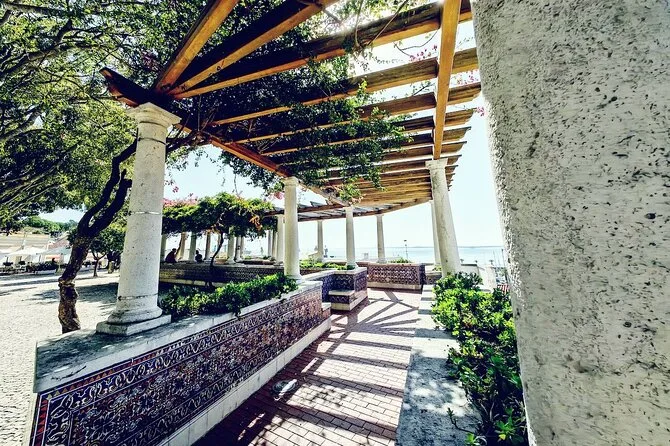
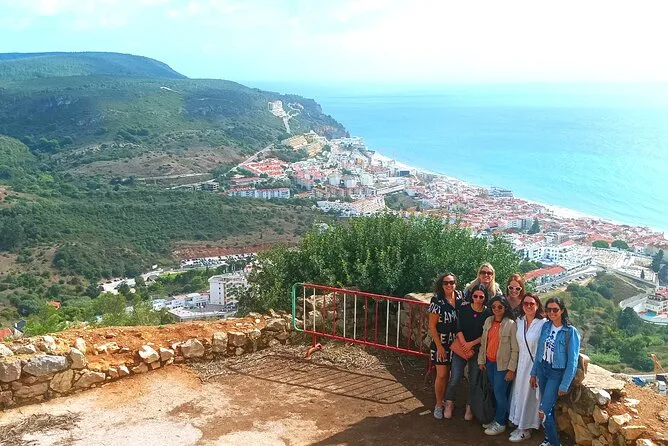
First thing you’ll notice in Setúbal is the salty breeze from the Sado River—it hits you as soon as you step out near São Domingos’ Viewpoint. From up there, we could spot the white boats bobbing in the marina and the green outline of Arrábida Natural Park across the water. Our guide, João, pointed out Tróia’s sandy spit in the distance—he said locals head there for summer swims.
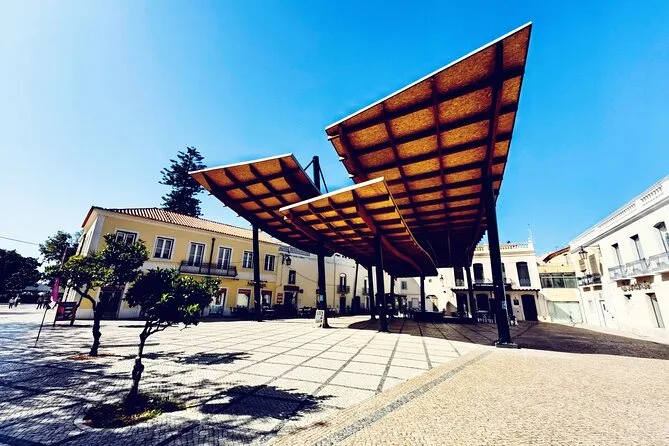
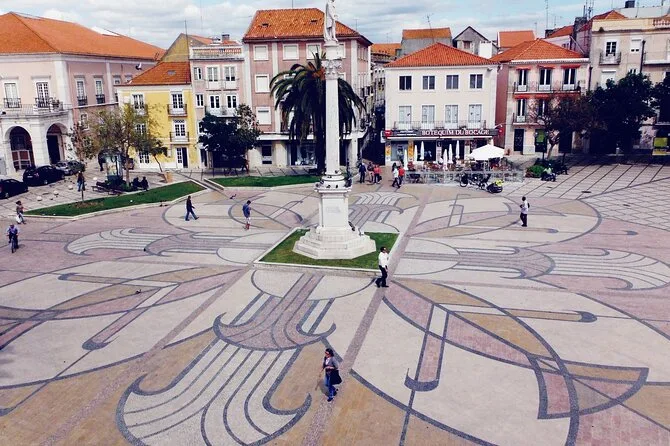
The main square felt lively even on a weekday morning. There’s a statue of Bocage (the poet everyone here seems to know by heart), and right beside it stands São Julião Church with its pale stone façade. I heard church bells echoing through narrow lanes lined with pastel buildings—some with laundry fluttering above tiny cafés. We ducked into Pastelaria Capri for a quick espresso; their pastries are worth a stop.
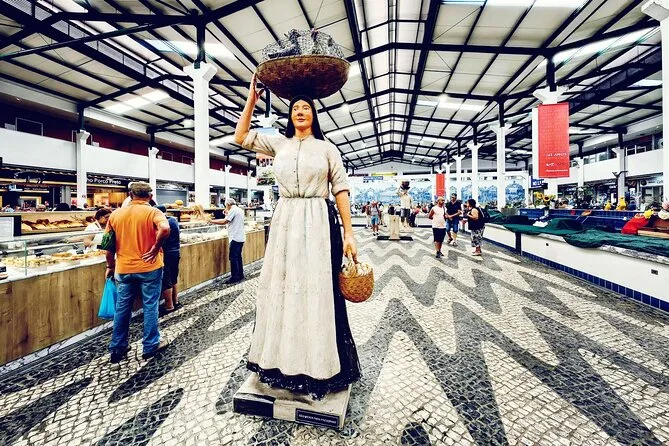
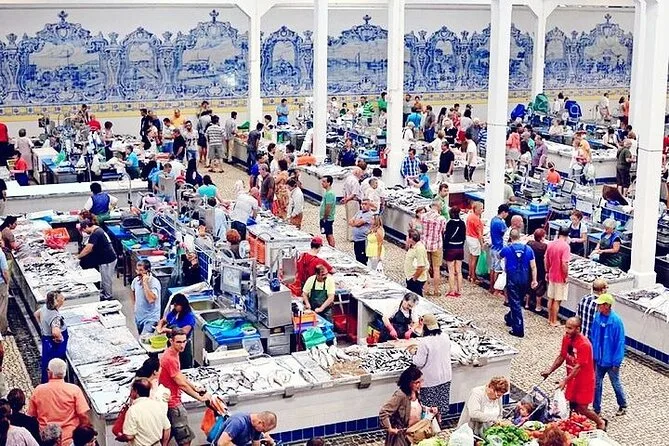
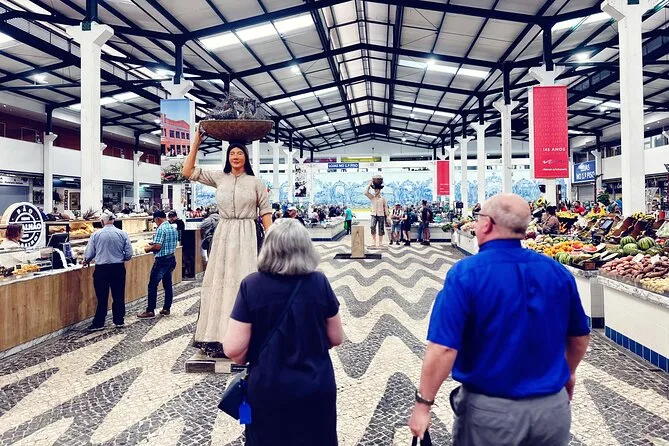
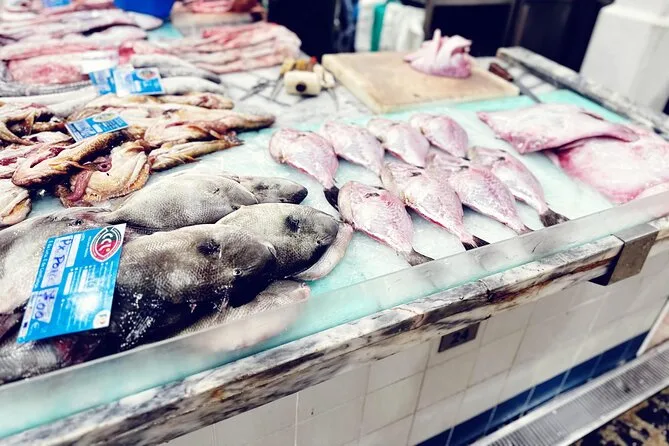
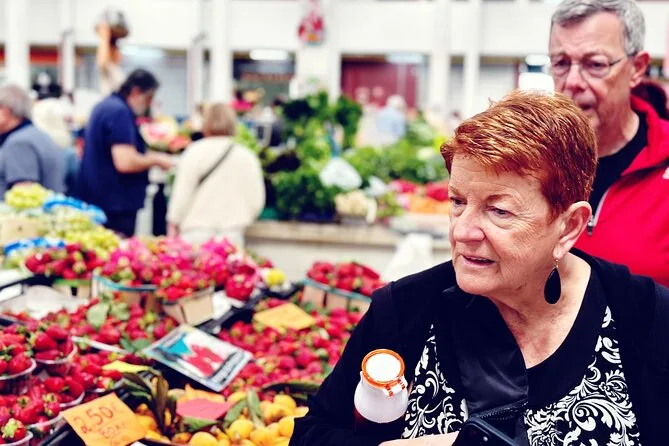
Inside Livramento Market, it’s all noise and color—fishmongers shouting prices, stacks of oranges and figs, and those famous blue-and-white azulejo tiles running along the walls. I tried a bit of Azeitão cheese at one stall; creamy and tangy, perfect with crusty bread. USA Today called this one of the world’s best food markets—I get why.
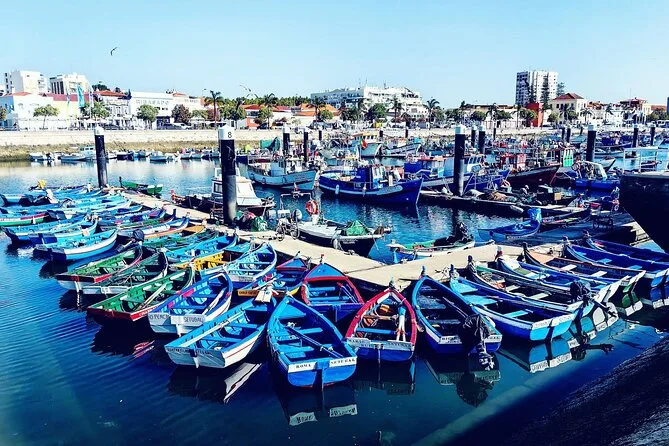
Down by the old marina, fishing boats painted in reds and greens creaked gently against their moorings. An older man in rubber boots was mending nets—he waved when our guide greeted him by name. The smell of saltwater mixed with frying oil drifted from a nearby stand selling “choco frito”—Setúbal’s fried cuttlefish specialty.
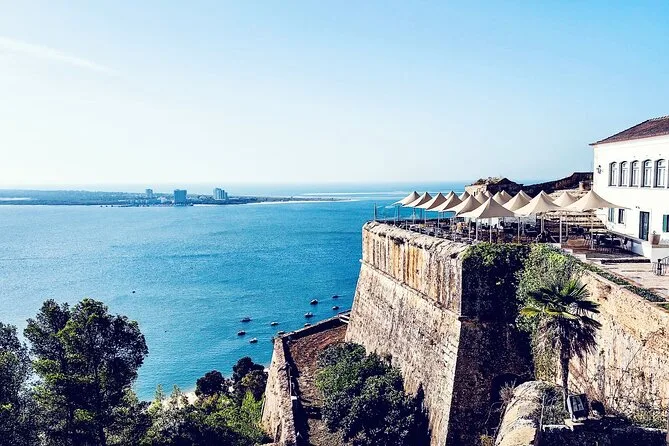
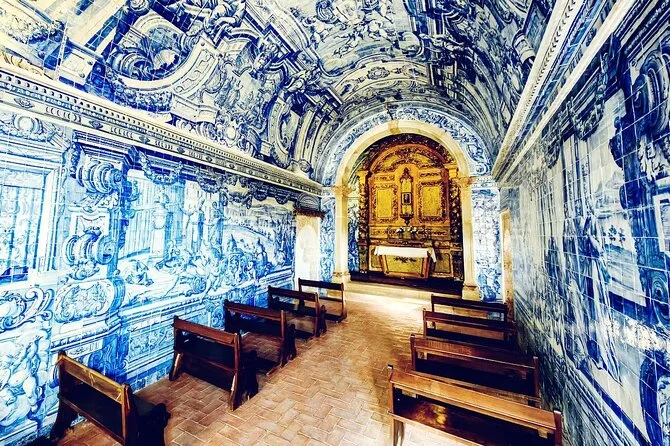
Saint Philip's Fort sits high above town—a bit windy up there but worth it for the view alone. Inside, we wandered into the chapel covered in intricate blue tiles by Policarpo de Oliveira Bernardes. João explained how this fort once protected Setúbal from pirates; now it’s mostly quiet except for birds nesting in the old walls.
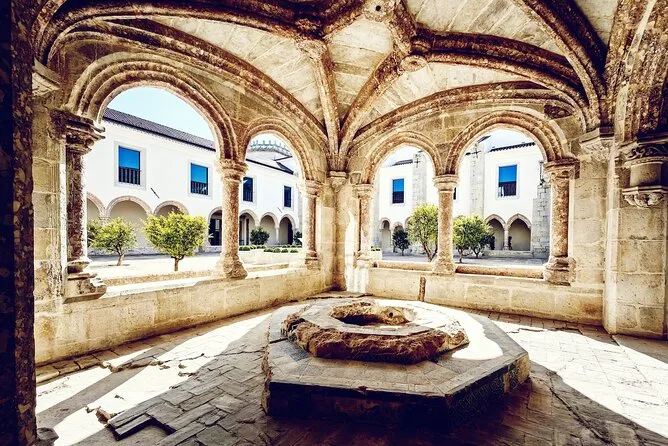
The Convent of Jesus is something else—vaulted ceilings, carved stonework everywhere. The museum inside holds paintings from centuries ago; João showed us the “Primitivos de Setúbal” altarpiece panels at Banco de Portugal’s gallery nearby. If you like art history or just want to see something unique to Portugal, don’t skip this part (entry ticket’s included).
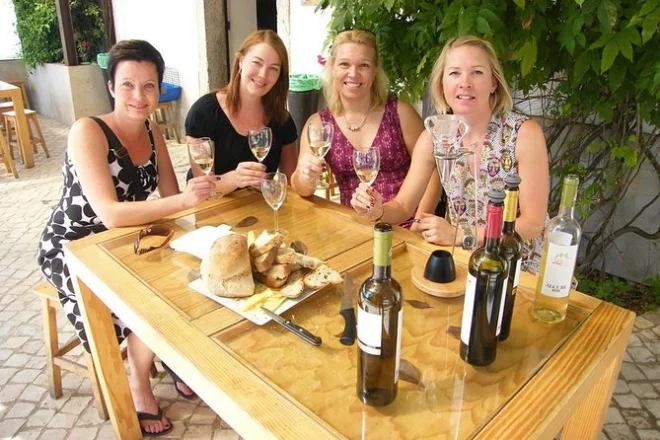
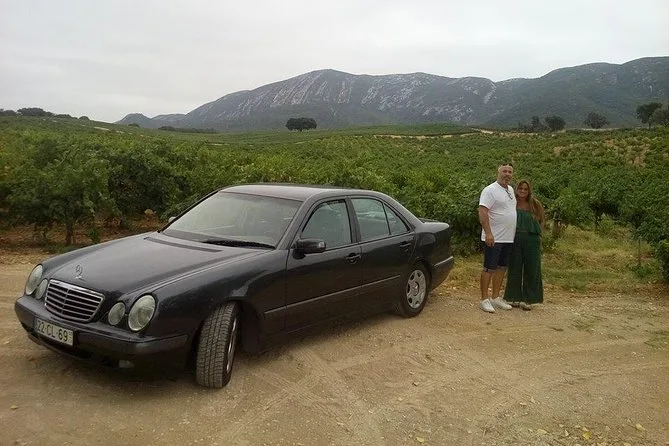
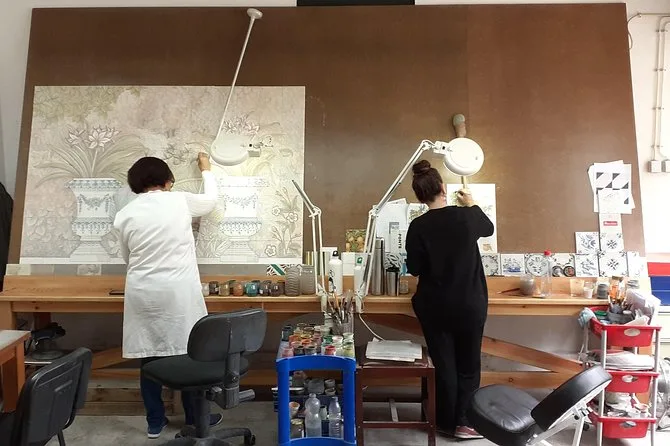
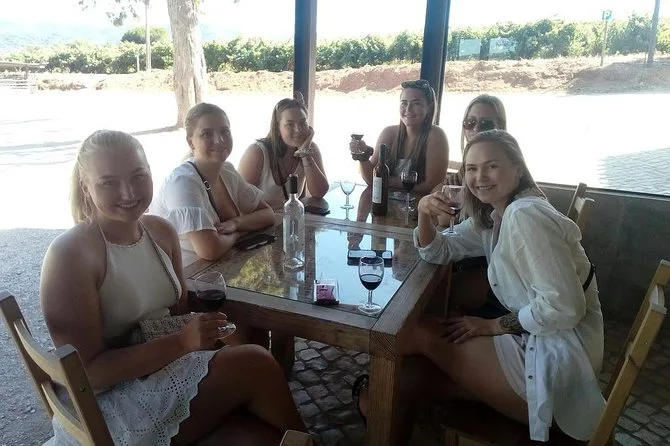
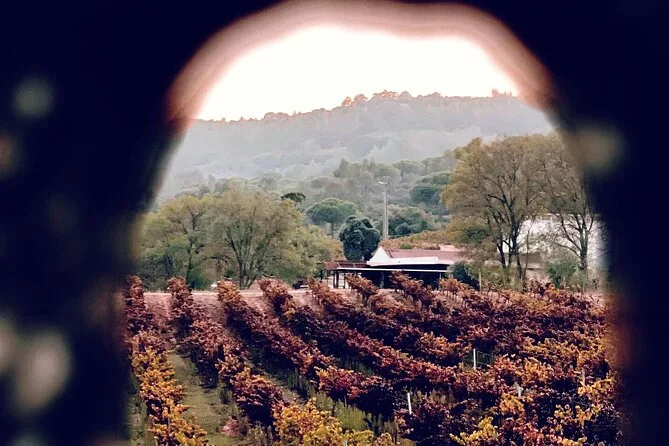
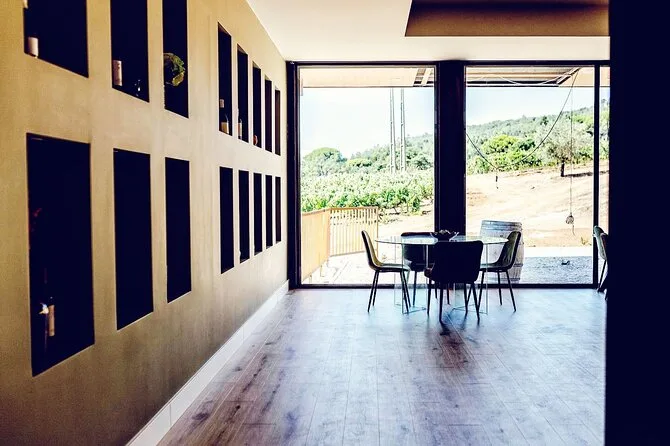
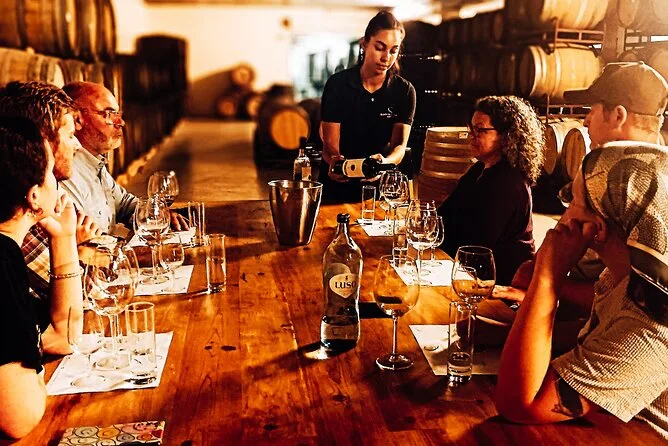
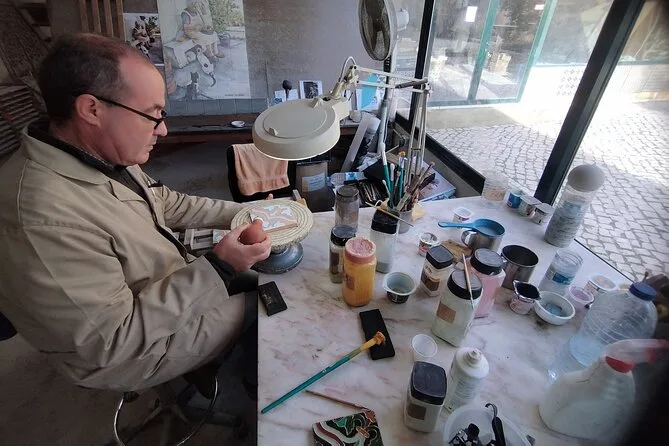
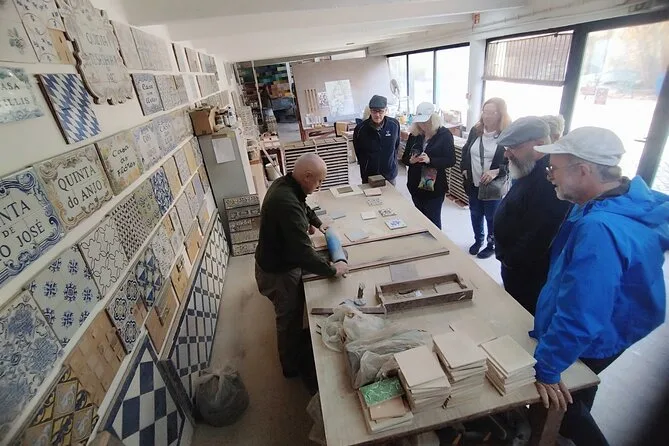
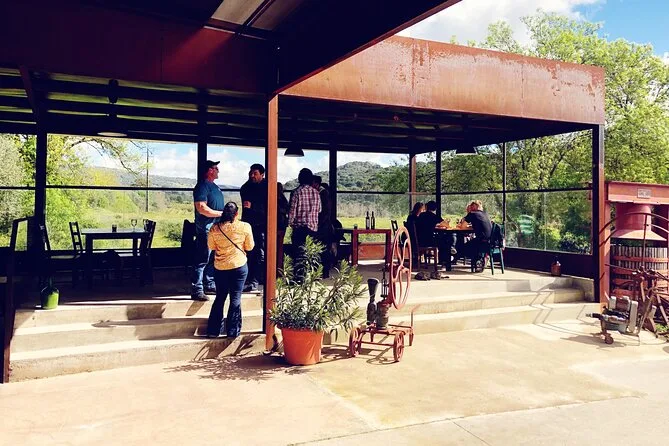
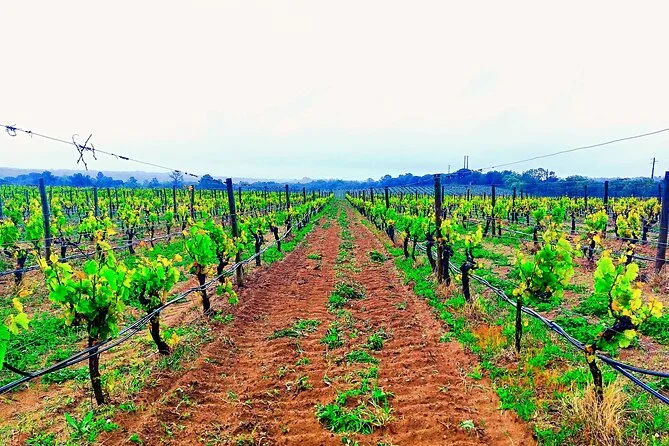
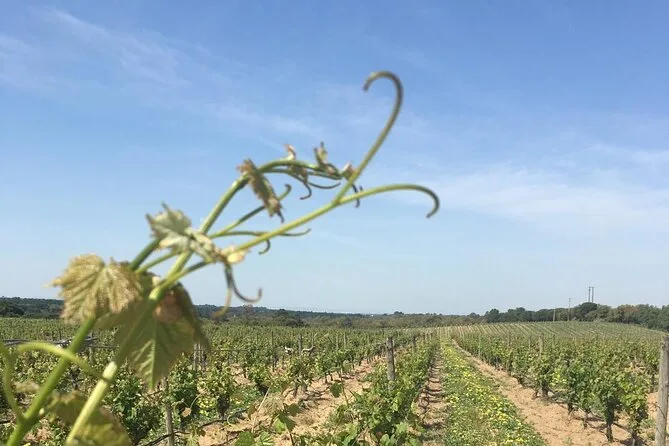
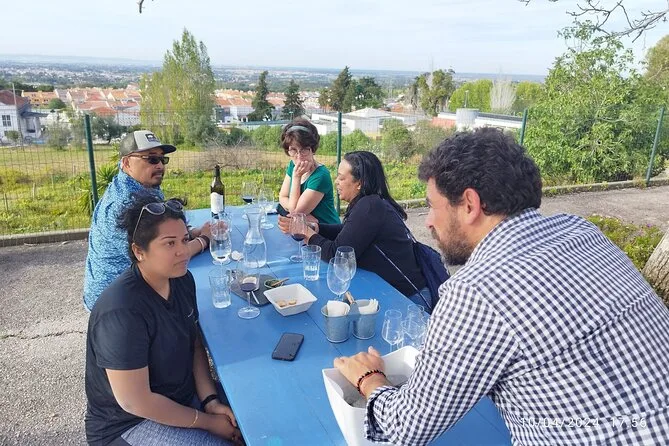
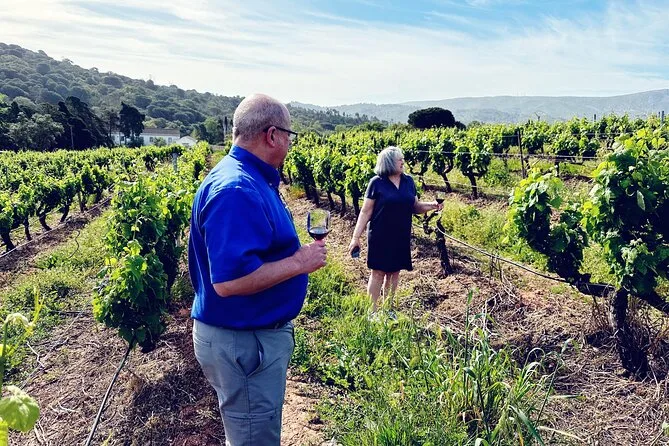
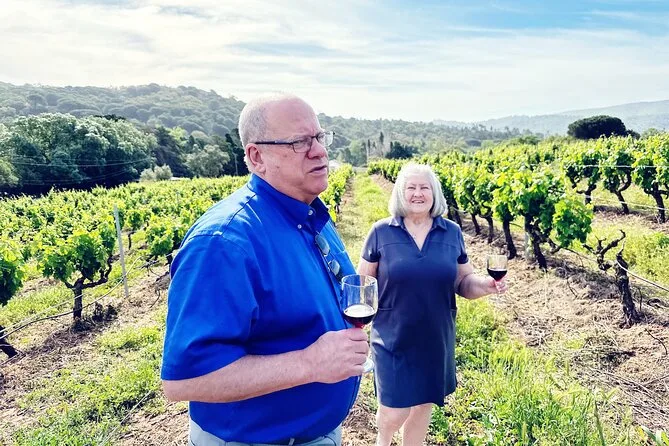
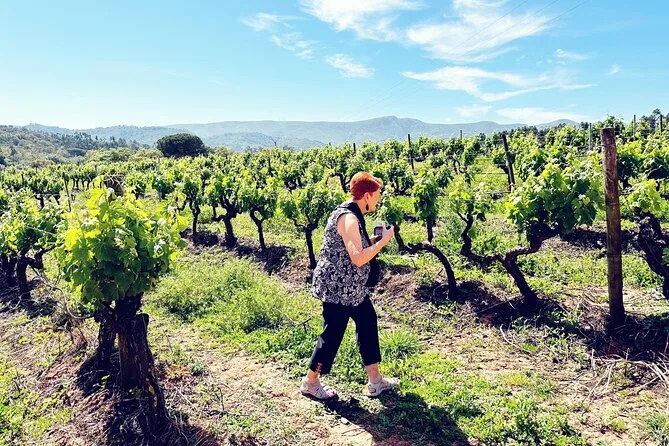
Later we visited a family-run wine estate outside town—rows of vines stretching under bright sun. The owner poured us Moscatel de Setúbal while explaining how his grandfather started making wine here decades ago. We tasted fresh bread and more Azeitão cheese under an olive tree before heading off to a small tile workshop where artisans still shape and paint each piece by hand. It’s warm inside from the kiln; you can smell clay and glaze as they work.
 6h
6h

Step-by-step itinerary
Day 1 — Explore Setúbal's Highlights
- São Domingos’ Viewpoint
- Main Square and Church of S. Julião
- Livramento Market visit
- Oldest Marina and Fishing Boats
- Saint Philip's Fort and Chapel
- Convent and Church of Jesus tour
- Wine tasting and winery visit
- Tiles factory guided tour

Top questions

Is this tour suitable for kids or elderly travelers?
Yes! The pace is relaxed and there are options for infant seats if needed. Most stops are accessible for all ages.
Are food tastings included or do I pay extra?
Tastings of Azeitão cheese, bread, and local wines are all included in your tour price—no surprise costs.
Can I join using public transportation?
You can reach Setúbal easily by train or bus from Lisbon; our meeting point is close to public transport stops.
What should I wear or bring?
I’d suggest comfy shoes for walking on cobblestones and maybe a light jacket—the wind at Saint Philip's Fort can be chilly even in summer.

What’s included
Your tour covers an official local guide throughout the day, entry tickets to museums and monuments (including Convent of Jesus), tastings of regional cheese and bread plus wine tasting at a traditional estate—all insurance included too.
 Super deal
  Free booking, free cancellation.
  Don't lose your place.


 Do you need help planning your next activity?
  +507 6792-0894


