

 +507 6792-0894


Manaslu & Tsum Valley Trek with Local Guide


Summary
Trekking Nepal’s “Valley of Happiness” with Stories & Tea
Experience Nepal’s Manaslu & Tsum Valley trek as more than just a hike: you’ll cross wild rivers on footbridges, sip tea with monks in remote gompas, and walk ancient trails with a local guide who knows every story behind each mountain pass. With all permits handled and meals included, you’ll find yourself immersed in rhythms you’ll remember long after the trip.

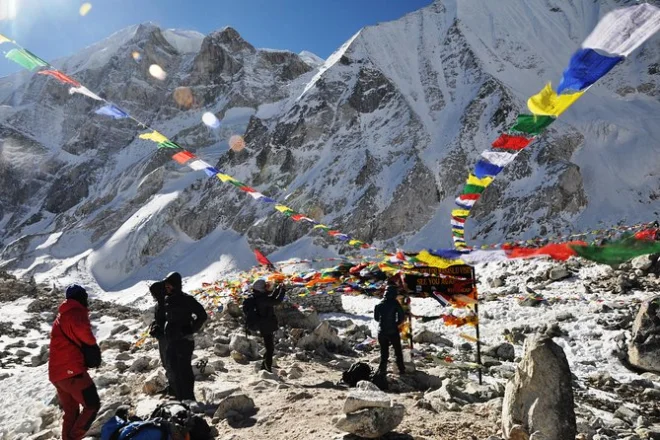
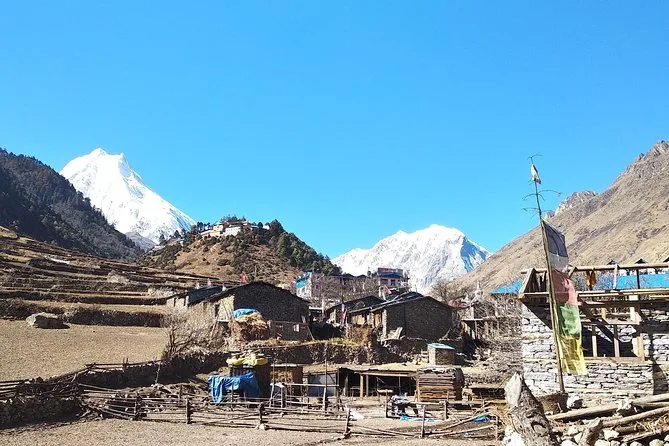
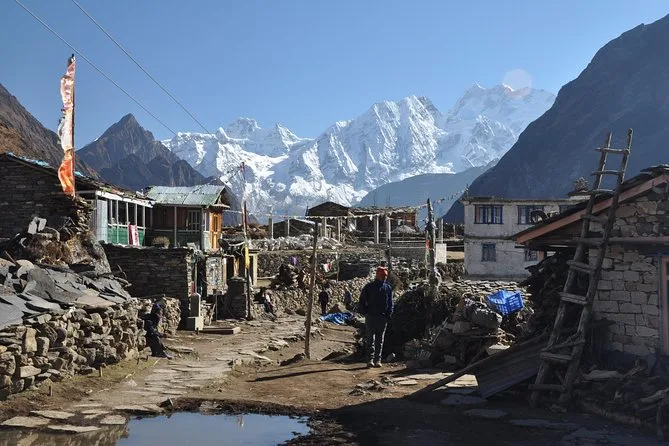
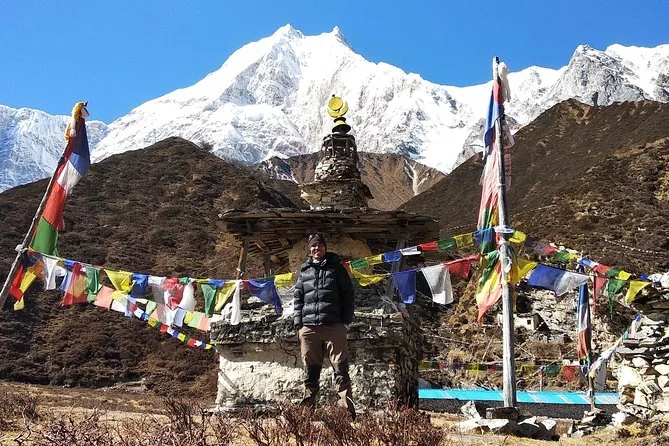
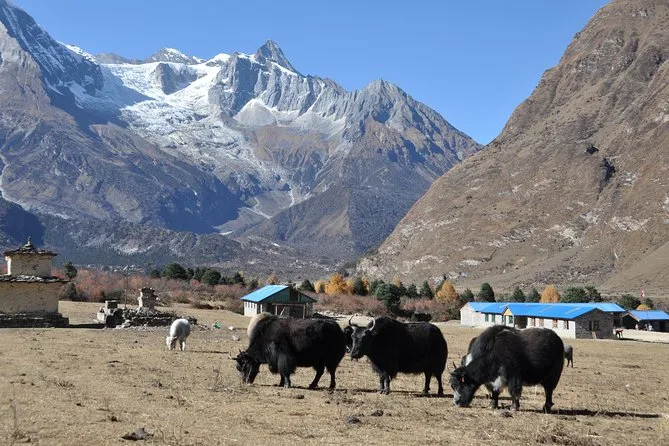
Ever wondered what it feels like to wake up in a place called the “Valley of Happiness”? I didn’t, until we were halfway through the Manaslu & Tsum Valley trek, somewhere between pine forests and potato fields, when our guide Pasang pointed at a cluster of prayer flags fluttering above Chhokangparo. “Beyul Kyimolung,” he said, which I probably mispronounced three times before he just laughed and poured more tea. The air here is thin but smells faintly of woodsmoke and yak butter — it gets into your clothes, your hair, everything. We’d started in Kathmandu, all noise and color, but out here you hear only boots on stone and the occasional bell from a mule train.
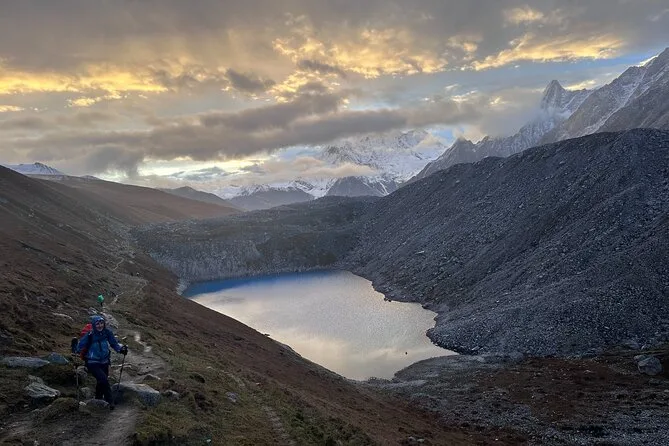
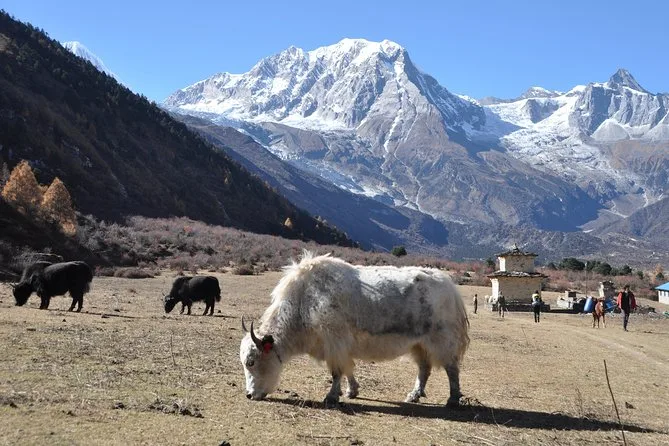
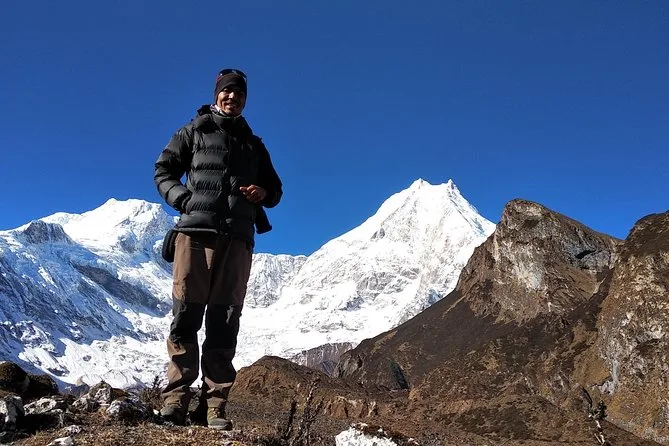
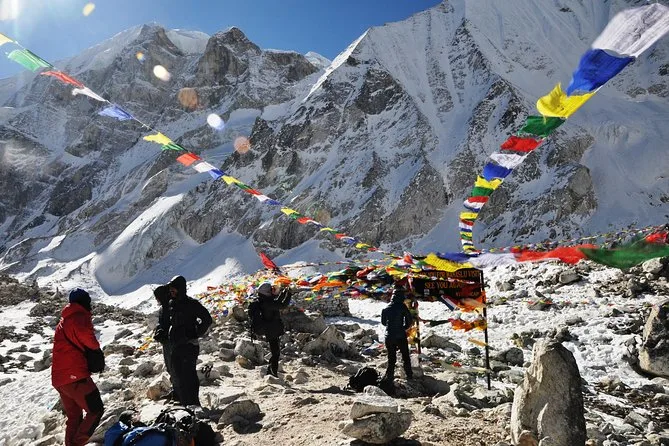
The days blurred together in that good way: crossing suspension bridges over wild rivers, ducking into tiny monasteries where nuns offered us sweet tea (and once a bowl of potatoes so spicy my lips tingled for hours). Sometimes we’d walk for hours without seeing anyone but our little group and a few herders waving from distant hillsides. There was this one morning near Mu Gompa — highest point of the trek — when the wind was so sharp it stung my cheeks, but the light on the snow peaks made me forget about being cold. Our local guide always seemed to know when to slow down or share some story about how his grandmother used to barter salt with Tibetan traders up here. I still think about that view above Rachen Gompa; it didn’t feel real.
We stayed in simple lodges most nights — sometimes sharing space with monks or families who barely spoke English but always smiled when we tried out our clumsy Nepali greetings. Dinner was usually dal bhat or whatever root vegetables were in season (I learned there are endless ways to cook potatoes). The trek itself isn’t easy — lots of ups and downs, some days long enough that my legs felt like jelly by dinner — but having someone local handle all the permits and logistics meant we could just focus on walking and watching clouds roll over Manaslu’s summit. There’s something grounding about moving at this pace, letting each village reveal itself slowly.
 25d
25d

Step-by-step itinerary
Day 1 — Arrival and Welcome in Kathmandu
- Arrival at Kathmandu airport and transfer to hotel
- Briefing meeting about trek
- Welcome dinner with Nepalese folk culture
Day 2 — Kathmandu Sightseeing and Preparation
- Morning sightseeing: Swayambhunath, Boudhanath, Pashupatinath
- Afternoon free for rest and trek preparation
Day 3 — Drive to Machha Khola and Walk
- Scenic drive to Machha Khola (7-8 hrs)
- Walk along Budigandaki River to Machha Khola
- Settle in accommodation and rest
Day 4 — Trek to Dobhan via Tatopani Hot Spring
- Trek from Machha Khola to Tatopani hot spring
- Continue trek to Dobhan village
- Rest at Dobhan accommodation
Day 5 — Trek to Philim Village
- Walk across gravel bed to Lauri
- Cross suspension bridge and climb high path
- Reach Jagat village and pass MCAP checkpost
- Descend stone steps and climb to Salleri
- Cross bridge over Buri-Gandaki to Philim
Day 6 — Trek to Lokpa Village
- Trek from Philim to Ekle Bhatti for lunch
- Pass pine forest to Lokpa village
- Overnight stay at Lokpa lodge
Day 7 — Trek to Chumling Village
- Trek through pine forest to Chumling
- Cross three suspension bridges en route
- Settle in Chumling accommodation
Day 8 — Trek to Chhokangparo Village
- Trek past Tanju prayer wheel and pine forest
- Climb from Domje to Chhokangparo village
- View Buddha Himal and Siringi Himal
- Overnight at Chhokangparo lodge
Day 9 — Trek to Nele via Rachen Gompa
- Visit Rachen Gompa monastery
- Trek to Nele village
- Rest at Nele accommodation
Day 10 — Trek to Mu Gompa Monastery
- Trek from Nele to Chho Syong for lunch
- Continue to Mu Gompa monastery
- Explore Mu Gompa and surroundings
Day 11 — Return Trek to Chhokangparo
- Visit Rachen Gompa monastery
- Trek downhill to Chhokangparo village
- Overnight at Chhokangparo lodge
Day 12 — Trek to Lokpa Village
- Trek from Chhokangparo to Lokpa
- Follow Budigandaki River trail
- Rest at Lokpa accommodation
Day 13 — Trek to Bihi Phedi Village
- Trek through rocky and Tibetan-style terrain
- Reach Bihi Phedi for overnight stop
Day 14 — Trek to Namrung Village
- Pass apple gardens and farms
- Lunch at Ghap village
- Reach Namrung and settle in lodge
Day 15 — Trek to Lho Village
- Pass villages Lee and Sho
- Visit Lho monastery
- Overnight at Lho village
Day 16 — Trek to Samagaon Village
- Trek from Lho to Samagaon
- Rest and explore Samagaon area
Day 17 — Trek to Samdo Village
- Trek from Samagaon to Samdo
- Settle in Samdo accommodation
Day 18 — Rest Day at Samdo
- Acclimatization and local excursions in Samdo
Day 19 — Trek to Dharamshala Camp
- Trek from Samdo to Dharamshala
- Overnight at camp or teahouse
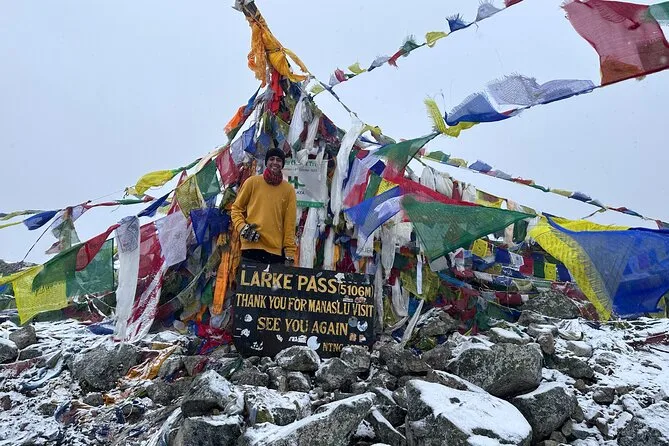
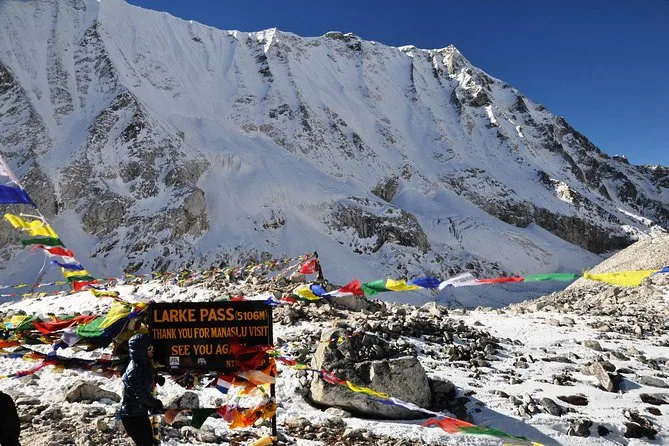
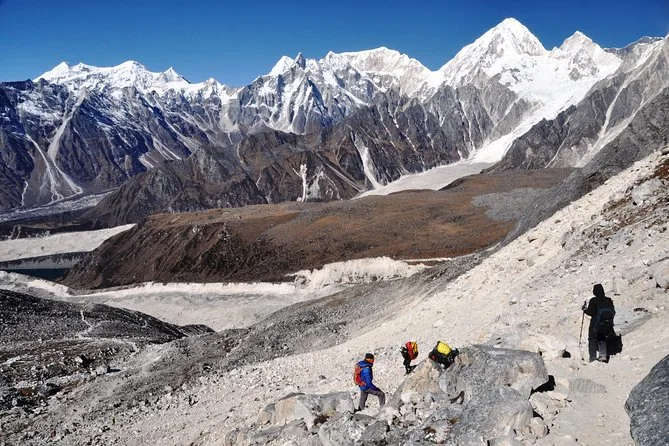
Day 20 — Cross Larke La Pass and Trek to Bhimthan
- Early morning trek to Larke Pass
- Descend to Bhimthan village
- Overnight stay at Bhimthan
Day 21 — Trek to Tilje Village
- Trek from Bhimthan to Dharapani
- Continue to Tilje village
- Overnight at Tilje guest house
Day 22 — Trek to Tal Village
- Climb to Dharapani settlement
- Follow Marsyangdi River to Tal
- Overnight at Tal guest house
Day 23 — Trek to Baundanda Village
- Descend to Chamje hamlet
- Pass Jagat village and waterfalls
- Climb to Baundanda hilltop
- Overnight at Baundanda lodge
Day 24 — Trek to Bhulbhule and Drive to Kathmandu
- Trek to Bhulbhule village
- Drive to Kathmandu via Besisar and Trisuli River
Day 25 — Departure from Nepal
- Transfer to international airport for departure

Top questions

How long does the Manaslu & Tsum Valley trek take?
The full trek takes around 20 days including arrival and departure from Kathmandu.
Is there hotel pickup included for this trek?
Yes, airport pickup and drop-off are included as part of your booking.
Are permits for Manaslu & Tsum Valley included?
Yes, all necessary trekking permits (ACAPermit, MCAP Permit, Special permit) are arranged for you.
What kind of accommodation is provided during the trek?
You’ll stay in simple lodges or guesthouses along the route; sometimes shared rooms or basic facilities.
Is there a local guide during the trek?
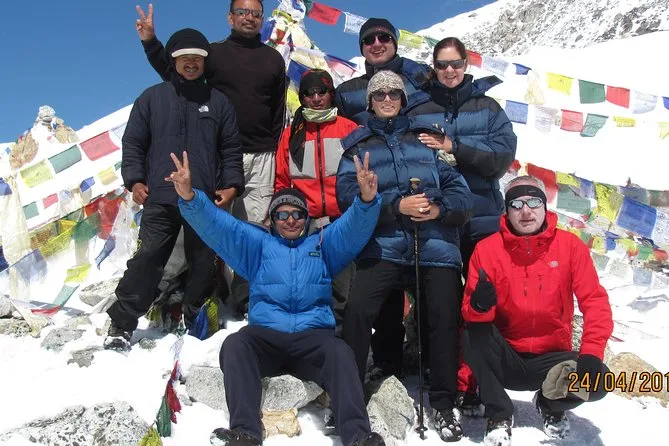
Yes, an experienced English-speaking local guide leads every group throughout the journey.
Are meals included on the Manaslu & Tsum Valley trek?
Dinners are provided at lodges; typical meals include dal bhat or seasonal vegetables like potatoes.
What is the highest altitude reached on this trek?
The highest point is around Mu Gompa at 3,700 meters (12,139 ft), with Larke La Pass reaching 5,215 meters (17,110 ft).
Is public transportation used during this trip?
Yes; Kathmandu to Arughat and Bhulbhule to Kathmandu transfers use public transport as part of the itinerary.

What’s included
Your journey includes airport pickup and drop-off by private vehicle in Kathmandu plus public transport between trailheads; all trekking permits for Manaslu and Tsum Valley; an experienced English-speaking local guide; porter support (one porter per two guests); basic lodge accommodation along the route; daily health checks with an oximeter; emergency evacuation arrangements if needed; plus use of trekking gear like sleeping bags and down jackets if required. Meals are provided at mountain lodges so you can focus on walking — not logistics.
 Super deal
  Free booking, free cancellation.
  Don't lose your place.


 Do you need help planning your next activity?
  +507 6792-0894


