
Everest Base Camp Trek: 14-Day Himalayan Route & Lukla Flight
 Super deal





Summary
Long trek from Kathmandu to Everest with Sherpa villages
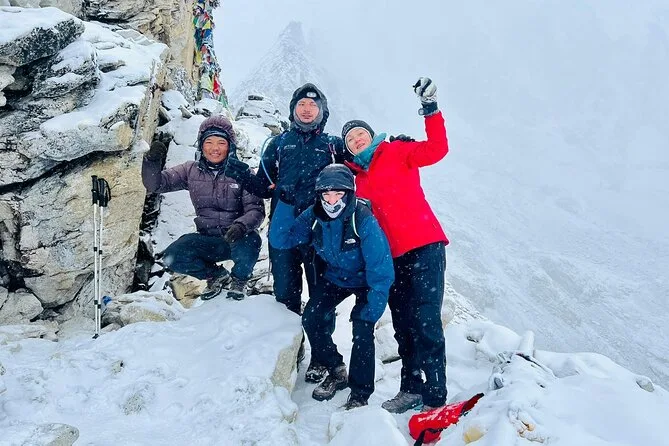
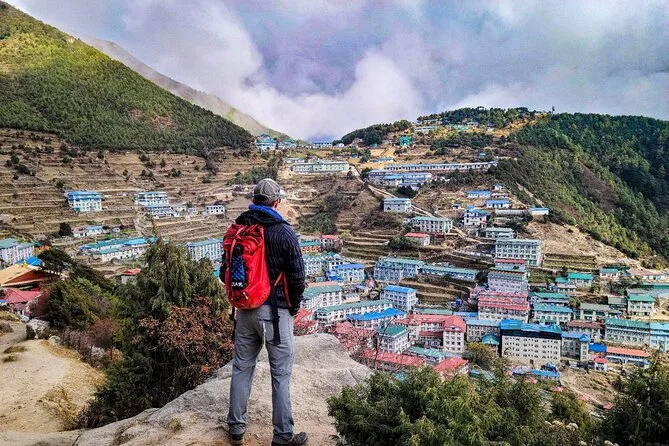
You’ll feel the chill air of Tengboche monastery at dawn, cross swinging bridges over blue rivers near Namche Bazaar, and stand beside your guide at Everest Base Camp itself after days of steady climbing. Flights from Kathmandu to Lukla are included along with permits and airport transfers — all you have to do is show up ready for whatever these mountains have planned for you.
 14d
14d

Step-by-step itinerary
Day 1 — Arrival and preparation in Kathmandu
- Airport pickup and hotel transfer
- Meet guide and check equipment
Day 2 — Flight to Lukla and trek to Phakding
- Fly to Lukla airport
- Trek to Phakding village
Day 3 — Trek to Namche Bazaar
- Cross Dudh Koshi river
- Pass Monjo village
- Enter Sagarmatha National Park
- Trek through forest to Namche Bazaar
Day 4 — Acclimatization in Namche Bazaar
- Rest day in Namche Bazaar
- Hike to Everest Hotel viewpoint
Day 5 — Trek to Tengboche and monastery visit
- Leave Namche Bazaar
- Trek through juniper and rhododendron forests
- Visit Tengboche Gompa monastery
Day 6 — Trek to Dingboche village
- Cross Imja Khola river
- Trek to Dingboche village
Day 7 — Acclimatization day in Dingboche
- Optional hike to Nangkartshang Peak or Chhukung Ri
- View Mt. Everest and surrounding peaks
Day 8 — Trek to Lobuche village
- Trek on rocky path to Lobuche
- Enjoy views of Pumori, Nuptse, Lobuche Peak
Day 9 — Trek to Everest Base Camp and back
- Walk through Khumbu Glacier to Base Camp
- View Khumbu ice fall
- Return to Gorakshep
Day 10 — Hike Kalapatthar and trek to Pheriche
- Hike to Kalapatthar viewpoint
- Trek down through forest to Pheriche
Day 11 — Return trek to Namche Bazaar
- Trek back crossing suspension bridges
- Pass beautiful villages to Namche Bazaar
Day 12 — Trek to Lukla village
- Pass Jorsale and Monjo villages
- Cross bridges over Dudh Koshi river
- Reach Lukla village
Day 13 — Flight back to Kathmandu and free time
- Early morning flight to Kathmandu
- Free time for shopping in Thamel
Day 14 — Departure or tour extension
- Transfer to airport for departure

Top questions

How long does the Everest Base Camp trek take?
The full trek takes 14 days from arrival in Kathmandu to departure.
Is pickup included for this trek?
Yes, airport transfer services are included on arrival and departure days.
Do I need special permits for Everest Base Camp?
All required national park TIMS and local permits are included in the price.
What is the route for this 14-day trek?
You start in Kathmandu, fly to Lukla, then trek through Phakding, Namche Bazaar, Tengboche, Dingboche, Lobuche, Gorakshep (Everest Base Camp), then return via Pheriche and Namche back to Lukla.
Are flights between Kathmandu & Lukla included?
Yes, round-trip flights between Kathmandu (or Manthali) and Lukla are covered.
Is a local guide provided during the trek?
Yes, a local guide joins you throughout the entire trek.
Are meals or accommodation included?
The inclusions cover guide salary and food; accommodation details may vary by package or booking platform.
What fitness level do I need for this trek?
You should have at least moderate physical fitness; not recommended for travelers with poor cardiovascular health or spinal injuries.
Can pregnant travelers join this tour?
No, this trek is not recommended for pregnant travelers due to altitude and strenuous activity.

What’s included
Your trip covers airport pickup on arrival in Kathmandu plus all official expenses like government tax/VAT. National park TIMS and local permits are sorted ahead of time so you don’t have to worry about paperwork on trail days. You get round-trip flight tickets between Kathmandu (or Manthali) and Lukla too. Your local guide’s salary, food during trekking days (for both you and your guide), equipment needs, insurance costs—even airport transfers—are all taken care of within your booking fee.

I’ll admit, I thought I was prepared for the first early morning in Kathmandu, but there’s something about that city’s energy — the tangled wires overhead, motorbikes zigzagging through Thamel — that makes you feel both lost and alive. Our guide, Suman, met us that evening in a tiny guesthouse lobby. He checked my gear and quietly suggested thicker socks (good call). I remember the smell of masala tea drifting in from the kitchen while we talked about what lay ahead. It felt both exciting and slightly nuts.
The flight to Lukla is as wild as people say — you kind of hold your breath as the plane banks between green hills and then just drops onto this slanted runway. From there, everything slows down. The path to Phakding follows the Dudh Koshi river, which is loud and milky-blue. We crossed these hanging bridges with prayer flags fluttering everywhere. Kids waved at us from doorways; one old man in Monjo grinned when I tried out “namaste.” My boots were already muddy by Namche Bazaar, where we stayed two nights to acclimatize (trust me, you’ll need it — walking up those stone steps with thin air is no joke).
I still think about the quiet before sunrise at Tengboche monastery — incense smoke curling up into cold air, monks chanting somewhere behind wooden doors. Some mornings were so clear you could see Ama Dablam glowing pink; other days clouds just swallowed everything and you’d walk for hours inside a world of white. Dingboche was all stone walls and potato fields. Our group got pretty quiet up there — maybe it was altitude or just awe.
The day we reached Everest Base Camp itself didn’t feel triumphant exactly — more like relief mixed with disbelief. The Khumbu Glacier creaked underfoot; someone handed me a biscuit and I nearly cried eating it (possibly altitude again). After Gorakshep, hiking up Kalapatthar in the dark was weirdly peaceful — my headlamp catching little frost crystals on rocks while Suman pointed out where Everest’s summit should be (it’s bigger than your brain can process). The way back down felt dreamlike. By the time we stumbled into Lukla again, legs wobbly but hearts kind of full, I realized this trek is less about conquering anything and more about being humbled by every single step.
Similar tours
 Everest Base Camp Trek: 14-Day Sherpa Trail & Kathmandu Sights
★★★★★★★★★★ 4.93 (101) From US$ 999
Everest Base Camp Trek: 14-Day Sherpa Trail & Kathmandu Sights
★★★★★★★★★★ 4.93 (101) From US$ 999
 Everest Base Camp Trek: 14-Day Hike with Flights & Sherpa Culture
★★★★★★★★★★ 4.99 (363) From US$ 1,420
Everest Base Camp Trek: 14-Day Hike with Flights & Sherpa Culture
★★★★★★★★★★ 4.99 (363) From US$ 1,420
 Everest Base Camp Trek: Sherpa Guides & Tea House Stays
★★★★★★★★★★ 5.00 (145) From US$ 1,800
Everest Base Camp Trek: Sherpa Guides & Tea House Stays
★★★★★★★★★★ 5.00 (145) From US$ 1,800
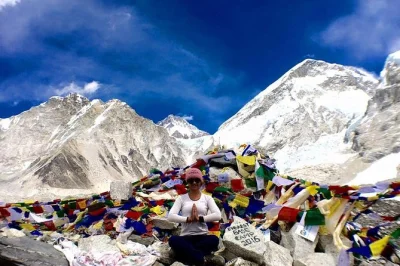 Everest Base Camp Trek: Lukla Flight, Sherpa Villages & Monasteries
★★★★★★★★★★ 4.97 (551) From US$ 1,700
Everest Base Camp Trek: Lukla Flight, Sherpa Villages & Monasteries
★★★★★★★★★★ 4.97 (551) From US$ 1,700
 Everest Base Camp & Namche Bazaar: Trek from Kathmandu
★★★★★★★★★★ 5.00 (26) From US$ 1,800
Everest Base Camp & Namche Bazaar: Trek from Kathmandu
★★★★★★★★★★ 5.00 (26) From US$ 1,800
 Everest Base Camp Trek: 14-Day Group Hike & Kathmandu Stay
★★★★★★★★★★ 4.98 (1607) From US$ 1,800
Everest Base Camp Trek: 14-Day Group Hike & Kathmandu Stay
★★★★★★★★★★ 4.98 (1607) From US$ 1,800
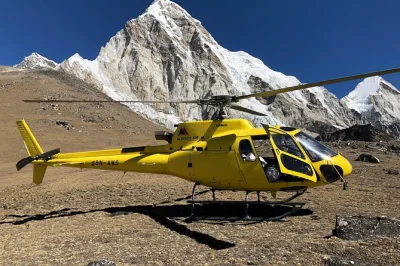 Everest Base Camp & Gokyo: Private Helicopter Tour with Photo Stops
★★★★★★★★★★ 5.00 (20) From US$ 4,099
Everest Base Camp & Gokyo: Private Helicopter Tour with Photo Stops
★★★★★★★★★★ 5.00 (20) From US$ 4,099
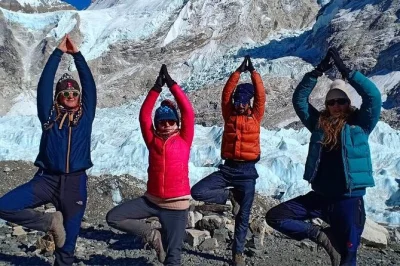 Everest Base Camp Yoga Trek with Local Guide
★★★★★★★★★★ 4.90 (20) From US$ 1,699
Everest Base Camp Yoga Trek with Local Guide
★★★★★★★★★★ 4.90 (20) From US$ 1,699
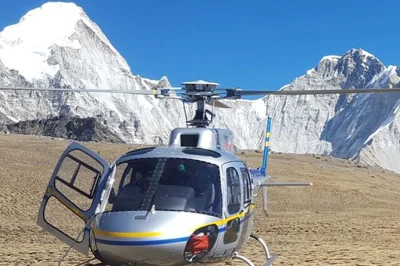 Everest Base Camp Helicopter Tour with Hotel View Stop
★★★★★★★★★★ 4.99 (178) From US$ 1,600
Everest Base Camp Helicopter Tour with Hotel View Stop
★★★★★★★★★★ 4.99 (178) From US$ 1,600
 Everest Base Camp Helicopter Tour from Kathmandu with Breakfast
★★★★★★★★★★ 5.00 (16) From US$ 2,600
Everest Base Camp Helicopter Tour from Kathmandu with Breakfast
★★★★★★★★★★ 5.00 (16) From US$ 2,600
 Annapurna Base Camp Trek: Tea Houses, Local Guides & All Meals
★★★★★★★★★★ 4.99 (133) From US$ 935
Annapurna Base Camp Trek: Tea Houses, Local Guides & All Meals
★★★★★★★★★★ 4.99 (133) From US$ 935
 Mardi Himal Base Camp Trek 9 Days | Annapurna Trekking Nepal
★★★★★★★★★★ 5.00 (19) From US$ 1,000
Mardi Himal Base Camp Trek 9 Days | Annapurna Trekking Nepal
★★★★★★★★★★ 5.00 (19) From US$ 1,000


 Do you need help planning your next activity?


