
Baalbek, Anjar & Ksara: Small-Group Tour with Lunch & Pickup






Ancient stones roman temples lebanese wine and laughter in the bekaa valley
You’ll wander ancient streets in Anjar, hear stories echoing through Baalbek’s towering columns, share lunch in lively Zahle, and taste wine deep beneath Château Ksara with a local guide leading every step. Expect moments that linger long after you’re back in Beirut.
 9h
9h

Step-by-step itinerary
Explore Baalbek, Anjar, Ksara with lunch
- Pickup from Beirut hotel
- Drive through Bekaa Valley
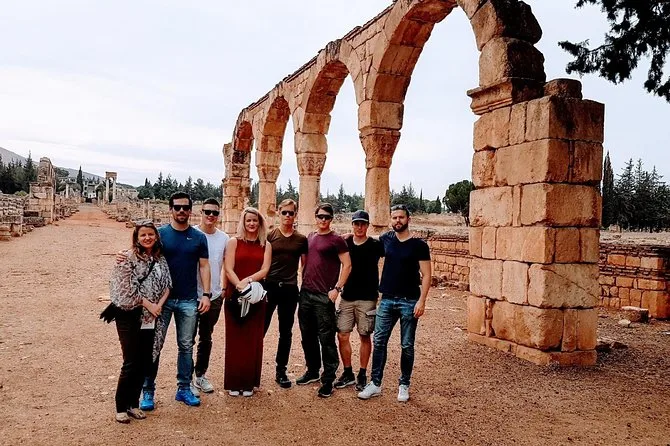
- Tour Anjar Umayyad ruins
- Stop at Stone of the Pregnant Woman
- Tour Baalbek Roman temples
- Lunch in Zahle
- Visit Château Ksara winery
- Return to Beirut hotel

The Experience
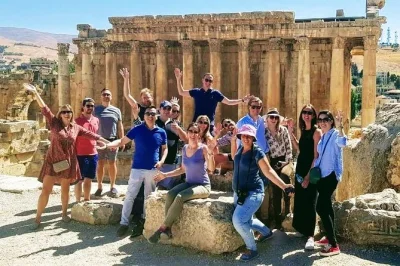
“This stone is older than most empires,” our guide Karim grinned, patting the sun-warmed block at Baalbek like it was an old friend. I remember how his voice bounced around the ruins, mixing with the distant call to prayer and a bit of wind that smelled faintly of dust and wild thyme. The drive out from Beirut was quiet at first — everyone half-awake, watching the Bekaa Valley slide by in streaks of green and gold. I didn’t expect Anjar to feel so open, almost lonely, until Karim started pointing out where traders once walked these same streets. He had stories for everything. My shoes crunched over gravel while he explained how the Umayyads built palaces here — I tried to picture it all bustling with life, but honestly, it’s hard to imagine that much history stacked under your feet.
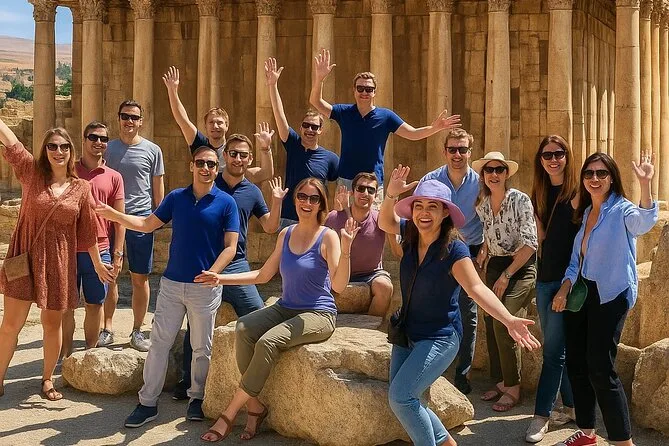
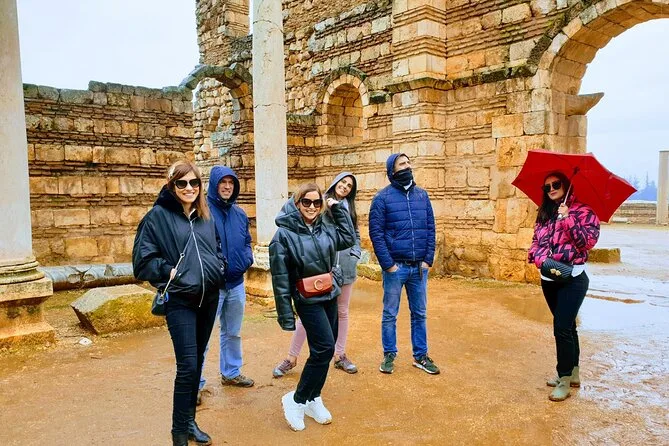
The “Stone of the Pregnant Woman” was next — just a quick stop, but I still laugh remembering how everyone tried (and failed) to guess why it’s called that. Karim told us three different legends; I think he enjoyed keeping us guessing more than anything. Baalbek itself though… those columns are massive. Standing under them made me feel tiny in a way that’s weirdly comforting. There was this moment when the sunlight hit the Temple of Bacchus just right — kind of gold on old stone — and someone behind me whispered something in French about gods and time passing. It stuck with me.
Lunch in Zahle came as a relief after all that walking (and thinking). The restaurant was noisy, full of families, plates clinking everywhere. We shared mezze — smoky baba ghanoush, warm bread straight from the oven. I tried arak for the first time; it burned a little but tasted like licorice and laughter. The whole table loosened up after that. Someone suggested we stroll along the river but honestly we just wanted to sit and watch people for a bit.
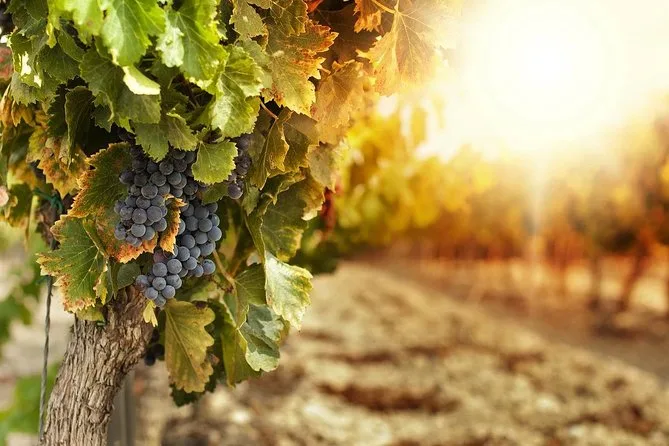
Château Ksara was cooler inside than out — literally and figuratively. The cellars smelled damp and sweet at once, like old wood mixed with something fruity you can’t quite name. Our host poured tiny glasses of red wine while explaining how monks started all this centuries ago (I’m still not sure if he was joking about monks sneaking sips). The drive back to Beirut felt slower somehow; maybe we were all full or maybe it’s just what happens after seeing so much in one day. Every now and then I catch myself thinking about those stones or the taste of fresh bread — small things that stick around longer than you expect.

What’s included
Your day includes comfortable transportation with hotel pickup and drop-off from Beirut, guided tours at every stop including Baalbek’s Roman temples and Anjar’s ruins, entry fees where needed, plus a traditional Lebanese lunch before winding down with wine tasting at Château Ksara before heading back home.
Operated by Lebanon Tours & travels
Traveler reviews
Compare the 7 similar options
 Baalbek, Anjar & Ksara: Small-Group Tour with Lunch & Pickup★ 4.95 (594)9hEN · ARUS$ 55
 Bekaa Valley tour from Beirut: Anjar, Baalbek & KsaraAnjar's Umayyad ruins and Baalbek's Roman temples on one tour, with lunch and guided explanations of what you're seeing, plus hotel pickup.★ 4.97 (33)9hENUS$ 55View ›
 Anjar, Baalbek & Ksara Day Trip: Ancient Ruins & Lebanese WineFull-day tour from Lebanon visiting Anjar's Umayyad ruins, Baalbek's Roman temples and Chateau Ksara winery with lunch included; professional guide★ 4.48 (182)9hEN · FRUS$ 110View ›
 Baalbek, Anjar & Ksara: Roman Temples, Umayyad Ruins & Wine Tasting Day TripStep into Baalbek’s ancient temples, wander Anjar’s Umayyad ruins, and taste wine in Ksara’s Roman caves—all with pickup from Beirut and a local guide.★ 4.67 (105)9hUS$ 80View ›
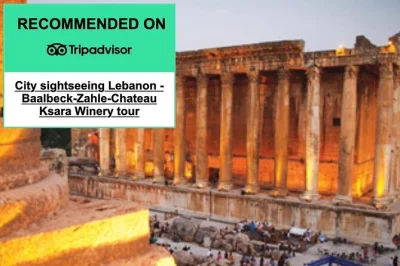 Baalbek Temples & Ksara Winery Tour: Roman Ruins & WineFull-day Baalbek tour from pickup with guide, visiting the Temple of Jupiter and Temple of Bacchus Roman ruins★ 4.97 (35)8hEN · AR +3US$ 140View ›
 Private Anjar and Baalbek Tour from Beirut with Airport TransferPrivate day tour from Beirut to the Roman temples of Baalbek and the 8th-century Umayyad city of Anjar, with English-speaking guide★ 4.83 (81)8hEN · ARUS$ 75View ›
 Baalbek, Anjar & Ksara Winery: Private Day Trip from BeirutPrivate day trip from Beirut to Baalbek's Roman temples and Anjar's Umayyad ruins, with hotel pickup and a specialist archaeologist guide who explains★ 4.95 (61)8hEN · ARUS$ 100View ›
Top questions
How long is the Baalbek Anjar Ksara tour from Beirut?
The tour is a full-day trip including hotel pickup from Beirut and visits to Anjar, Baalbek, Zahle for lunch, Château Ksara winery, then return drop-off.
Is lunch included on this day trip?
Yes, lunch is included during the stop in Zahle as part of your booking.
What sites do you visit on this tour?
You’ll visit Anjar Umayyad ruins, Stone of the Pregnant Woman, Baalbek Roman temples, Zahle for lunch, and Château Ksara winery.
Does this tour include hotel pickup?
Yes, comfortable hotel pickup and drop-off in Beirut are included.
How much time do you spend at each location?
About 45 minutes at Anjar, 15 minutes at Stone of the Pregnant Woman, 90 minutes at Baalbek, 1 hour for lunch in Zahle, 1 hour at Château Ksara.
Is there a local guide during the trip?
Yes, a professional local guide leads you throughout the day trip from Beirut.
Are drinks included during lunch or wine tasting?
The tour includes wine tasting at Château Ksara; drinks during lunch may vary by restaurant selection.
Baalbek, Anjar & Ksara: Small-Group Tour with Lunch & Pickup
9h · EN · AR · at your hotel
from US$ 55 per person
★★★★★★★★★★4.95594 reviewsVerified traveler reviews via our booking provider
