
Tokyo Yanaka: Historic Streets & Asakura Museum with Guide


Yanaka's Old Streets & a Sculptor's Studio: What Tokyo Looked Like After the War
You walk through two interconnected shopping streets in Yanaka with a guide, stop inside the Asakura Museum (a sculptor's combined studio and residence with a courtyard pond), climb to the Yanaka Ginza stairs for a sunset photo, and have time to browse and eat at local vendors. The museum entrance fee is included. The tour takes roughly half a day and moves at a pace that lets you absorb the post-war streetscape without rushing.
Compare the 5 alternatives
 Tokyo: National Museum & Yanaka Art Walking TourTue–Sun · 09:30 and 14:00 · From age 6★ 5.00 (12)3h 30mENJP¥ 14,850View ›
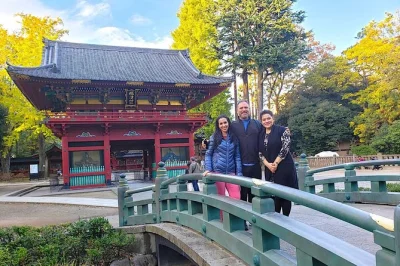 Yanaka Walking Tour Tokyo: Temples & Cherry BlossomsEvery day · 09:00 and 13:00 · Up to age 80★ 4.91 (574)3h 30mEN · JAJP¥ 11,000View ›
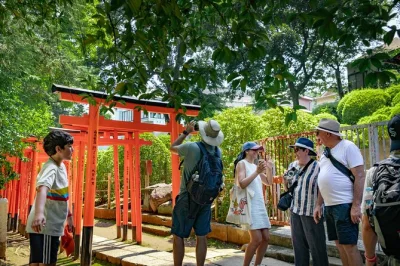 Tokyo Yanaka: Walking Tour & Nezu Shrine with Local GuideTue–Sun · 10:30 and 13:30 · All ages★ 4.76 (696)3hENJP¥ 7,269View ›
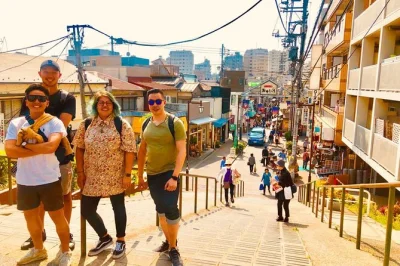 Yanaka Historical Walking Tour: Lucky Cat Craft & Old TokyoTue–Sun · 13:30 · All ages★ 4.88 (204)3h 30mENJP¥ 10,300View ›
 Tokyo: Private Walking Tour Yanaka, Ginza & Imperial PalaceMon–Fri · First departure 09:00, last 15:00 · Up to age 75★ 5.00 (83)2h–6hENJP¥ 9,500View › Compare more experiences like this »
Step-by-step itinerary
Explore Yanaka historic streets and museum
- Visit Tsukiji moat and clay wall
- Tour Asakura Museum and garden
- See sunset from Yanaka Ginza stairs
- Walk and eat in Yanaka Ginza street
- Explore adjacent local shopping street
The experience
The guide was supposed to meet us at the station entrance, but he texted five minutes in: running late, caught in traffic near Ueno. So we stood there with maybe eight other people, checking our phones, and honestly that's when it hit me: we were about to walk into a part of Tokyo that most visitors never see. Yanaka isn't the neon-soaked center everyone photographs. It's the downtown that held on, the shopping streets that rebuilt themselves after 1945 and just... stayed that way. The Tsukiji-bori clay walls you see here. Those are nationally designated cultural property, the kind of thing that frames temples and old residences. They're still standing, still weathered, still telling the story of how Japan rebuilt.
Once the guide arrived, we moved through the streets at a pace that let you actually look. Not rushed, not dawdling. The shopping district itself is split into two parts: Yanaka Ginza runs east-west, packed with small vendors and fried food stalls, the kind of place where you can grab takoyaki or browse vintage ceramics without any pressure to buy. The other street runs north-south, quieter, with a big gate marking the entrance. What strikes you is how mixed it all is: old wooden storefronts next to newer shops, locals doing their actual shopping alongside tourists, no separation. You're not in a museum district pretending to be a neighborhood. You're in a neighborhood that happens to be old.
The Asakura Museum is the centerpiece, and it's different from what you'd expect. It was the studio and home of Fumio Asakura, the first sculptor to win Japan's Order of Cultural Merit, and the building itself is a hybrid: concrete and steel on one side for the workshop, traditional wooden sukiya-style on the other for living. Inside there's a courtyard with a pond where koi swim, seasonal flowers, and the whole thing is designed so light and air move through it in a specific way. You have to remove your shoes (wear socks, slippers aren't allowed), and the wooden sections aren't air-conditioned, so in summer it's warm and in winter it's cold, but that's part of the experience, not a flaw. The lacquered floors are slippery if you're not careful. Photography is allowed only in certain spots and times, so you're not just documenting. You're actually present.
Before we left, we climbed to the top of the Yanaka Ginza stairs for the sunset photo. That's a stop the tour includes. From up there you see the whole shopping street laid out below, and when the light hits it right, you understand why this place matters. It's not that it's beautiful in a postcard way. It's that it's real, and it's still here, and you can walk through it and buy something small and eat something warm and then go back to modern Tokyo knowing what it looked like before.
What’s included
- A local guide leading you through Yanaka's post-war shopping streets and historic clay-walled areas.
- entrance fee to the Asakura Museum, the studio and residence of Japan's first Order of Cultural Merit-winning sculptor.
- a stop at the top of the Yanaka Ginza stairs for a sunset photo overlooking the shopping street.
- time to browse and eat at local vendors and shops in both the east-west and north-south shopping districts.
Before you book
Prices and times updated today
Operated by gotcha
Is this one for you?Book this if you want to see a working Tokyo neighborhood that hasn't been turned into a theme park, and you'd rather have a guide point out the history and context than wander and guess: the museum visit and the guided pace are what make the old streets legible instead of just atmospheric.
Traveler reviews
Top questions
Can children come?
Yes. Ticket types: Infant (under 6).
What's included in the price?
A local guide and entrance fee to the Asakura Museum are included. Food and souvenirs at the shopping streets are separate.
Do I need to remove my shoes at the museum?
Yes. Wear socks. Slippers and room shoes aren't allowed. The wooden sections of the building have lacquered floors, so footwear rules are strict for safety.
Can I take photos inside the Asakura Museum?
Photography is limited to certain areas and times. Check with your guide about where and when you're allowed to shoot.
Is the tour suitable for people with mobility concerns?
The building has many steps and stairs, and the streets involve walking. The tour is listed as suitable for all fitness levels, but the terrain and the museum's layout should be considered beforehand.
What should I wear to the museum?
Wear socks and comfortable shoes you can remove easily. The wooden sections aren't air-conditioned, so dress for the season. It can be warm in summer and cold in winter.
Can I bring a large bag or luggage?
No large bags, luggage with casters, or items with wheels are allowed in the museum. Leave luggage at the reception desk. There are no lockers.
Is the rooftop garden always accessible?
The rooftop garden may be closed due to bad weather or strong winds, so access isn't guaranteed.
Tokyo Yanaka: Historic Streets & Asakura Museum with Guide
2h · EN
from JP¥ 6,600 per person
5.002 reviewsVerified traveler reviews via our booking provider