
Kintsugi class in Tokyo: restore pottery, take it home


Repair a broken bowl with gold and walk out with it wrapped.
A two-hour kintsugi class in Shibuya, Tokyo, where you choose a piece of broken pottery from the studio collection, learn the Japanese restoration technique from an English-speaking instructor, and take home your repaired work in a gift box. The class holds two to six students, opens with matcha tea and seasonal sweets, and includes all materials, a worksheet guide and personalized instruction.

The Experience
The class starts with matcha tea and seasonal Japanese sweets in the studio, a short walk uphill from Shibuya crossing. This opening ritual sets the pace for what comes next—a two-hour restoration where you work at your own speed on a piece you choose from the collection. The instructor demonstrates the kintsugi technique step by step, then guides you through the repair of your own pottery, filling the cracks with gold lacquer in the traditional way.
You get a worksheet that walks you through each stage of the restoration, so the process stays clear even as you're working with your hands. The instructor stays close, offering personalized feedback and adjusting the pace to match your experience level. By the end, your piece is ready to take home in a special gift box designed for the finished work—a souvenir that is actually something you made.
Everything you need is provided: the broken pottery, the gold lacquer, the tools, the matcha, the sweets and the box. You bring yourself. The studio is small, capped at six people, so the attention stays personal and the room never feels crowded. Children from age six are welcome, and the class suits all fitness levels.

What’s included
- All materials and tools for the restoration.
- matcha tea and seasonal Japanese sweets.
- a worksheet guide to support you through each stage.
- personalized instruction from your English-speaking instructor.
- gift box for your finished piece.
- all fees and taxes.
Operated by Mon Cadeau - Kintsugi Workshop
Is this one for you?The studio is a short walk uphill from Shibuya crossing and reachable by public transportation, so you don't need a car or a long commute from central Tokyo to fit this into your day. The two-hour length and small group size mean you get real attention without the class running so long that it dominates your schedule.
Traveler reviews
Compare the 13 similar options
 Kintsugi class in Tokyo: restore pottery, take it home★ 4.99 (112)2hENJP¥ 22,000
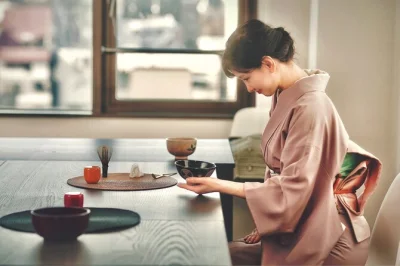 Tokyo Asakusa: Tea Ceremony with Kimono & Two-Bowl MatchaFeel the quiet beauty of a real Tokyo tea ceremony in Asakusa, try kimono dressing, taste seasonal wagashi, and prepare your own matcha—includes English guidance.★ 4.99 (221)1h 30mEN · JAJP¥ 8,820View ›
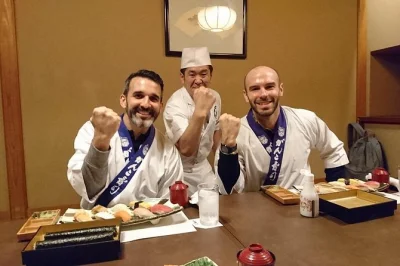 Tokyo: Tsukiji Fish Market Tour & Sushi Making with ChefWalk Tokyo’s Tsukiji Market, taste fresh flavors, and learn sushi making from a local chef. Includes guided tour, hands-on class, and lunch with tea and soup.★ 4.88 (976)4hENJP¥ 15,700View ›
 Tokyo Shinjuku: Food Tour 13 Dishes & 4 Local EateriesSmall-group food tour in Tokyo's Shinjuku with 13 dishes at 4 local spots: izakaya, stall, traditional restaurant & gastrobar. Includes 2 drinks & expert guide.★ 4.94 (9,701)3hENJP¥ 13,000View ›
 Tokyo Shibuya Crossing & Hachiko: Private Walking TourShibuya walking tour with local guide: Hachiko Statue, Scramble Crossing, Shibuya Center Gai, matcha break, JUMP SHOP. Guide takes and shares photos.2h 30mENJP¥ 9,921View ›
 Tokyo Tsukiji Fish Market Food and Walking TourStart at Tsukiji Hongwanji Temple, then walk the fish market with a local English-speaking guide, tasting sushi, omelets and street food at vendor stalls along the way.★ 4.94 (2,050)2hEN · JAJP¥ 5,000View ›
 Tokyo: Shibuya Food Tour with Izakaya & 13 Local DishesStep into Shibuya’s lively streets on a guided food tour, tasting 13 dishes across four izakayas and bars. Includes all food, drinks, and a local guide.★ 4.92 (1,238)3hEN · JAJP¥ 13,000View ›
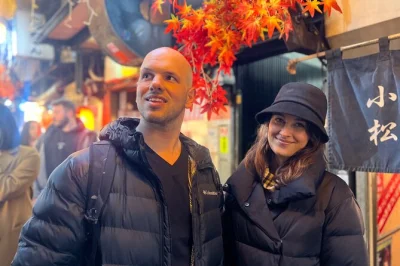 Shinjuku: Food Tour with 15 Dishes & Memory Lane StopsFollow a local guide through Shinjuku’s lively alleys, taste 15 dishes at hidden spots, see Godzilla Head, and wander Memory Lane. Includes all food & drinks.★ 4.95 (527)3hENJP¥ 13,000View ›
 Sumo Wrestling Challenge in Tokyo: Step Into the RingAt SUMOLAND in Ryogoku, wrestle a real sumo wrestler, pound mochi, and eat chanko hot pot prepared by the wrestlers themselves.★ 4.91 (319)1h 30m–2hJP¥ 9,500View ›
 Tokyo Imperial Palace: 2-Hour Walking Tour & Nijubashi Bridge2-hour guided walking tour of Tokyo Imperial Palace with local expert. Small groups, Nijubashi Bridge, East Gardens, samurai history included.2hEN · ZHJP¥ 7,833View ›
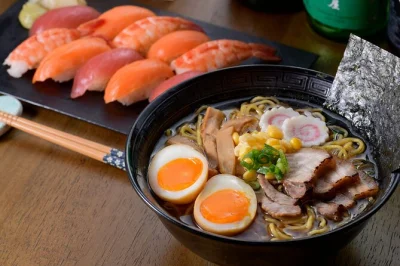 Tokyo: Ramen & Sushi Cooking Class with Sake PairingFeel the rhythm of Tokyo in a hands-on ramen & sushi cooking class, taste sake pairings, and learn from local chefs. Includes all ingredients and English guide.★ 4.98 (315)3hEN · JAJP¥ 20,000View ›
 Tokyo Ramen Tasting Tour: 6 Mini Bowls at Top ShopsStart in Shibuya, Shinjuku, or Ueno and taste 6 unique ramen bowls at award-winning shops. Includes local guide, food tasting, and all walking logistics.★ 4.97 (149)3hENJP¥ 18,000View ›
 Tokyo & Mt. Fuji Private Tour: Custom Itinerary, Pickup & DriverFeel Tokyo’s pulse from Shibuya Crossing to Senso-ji Temple, with a private English-speaking driver, hotel pickup, and flexible stops—even Tsukiji Market snacks.★ 4.96 (331)9hEN · RU +1JP¥ 53,371per groupView ›
Top questions
What exactly is kintsugi and how does the instructor teach it?
Kintsugi is the Japanese art of repairing broken pottery with gold lacquer, treating the break as part of the object's history rather than a flaw to hide. Your instructor demonstrates the technique step by step, then guides you through restoring your own chosen piece with hands-on support throughout the two hours.
Can I bring a piece of pottery I've already broken, or do I choose from the studio?
You choose from the studio's collection of broken pottery pieces. This ensures the pieces are suitable for the kintsugi technique and that you have options to match your preference.
How long does the class actually take, and what happens at the beginning?
The class runs two hours total. It opens with matcha tea and seasonal Japanese sweets to settle your mind, then moves into the hands-on restoration work, with the instructor guiding you through each stage.
Is the studio easy to reach if I'm staying in central Tokyo without a car?
The studio sits uphill from Shibuya crossing, and public transportation options are available nearby. You can reach it by train or bus without needing a rental car or taxi.
What do I get to take home, and how is it packaged?
You take home your restored pottery piece in a special gift box designed for kintsugi work, making it a finished souvenir ready to display or use.
Kintsugi class in Tokyo: restore pottery, take it home
2h · EN
from JP¥ 22,000 per person
★★★★★★★★★★4.99112 reviews
