
Tokyo Fish Market Food Tour: Tsukiji, Toyosu & Street Eats


Tokyo’s fish markets, street snacks and kitchen alleys with a local
You’ll taste your way through Tokyo’s iconic fish markets with a local guide who meets you right at your hotel. From Toyosu’s modern bustle to Tsukiji’s nostalgic stalls and Asakusa’s lively snack streets, every stop brings new flavors and stories. Expect laughter over unfamiliar foods, hands-on moments with quirky kitchenware, and an unfiltered look at real Tokyo life.
 4h–6h
4h–6h

Step-by-step itinerary
Explore Tokyo fish markets and shopping
- Meet guide at hotel
- Visit Toyosu Fish Market
- Explore Tsukiji outer fish market
- Walk Nakamise shopping street
- See Senso-ji Temple
- Shop at Ameyoko Shopping Street
- Browse Kappabashi Kitchenware Street

The Experience
The first thing I noticed at Toyosu wasn’t the seafood — it was the echo of rolling carts and this faint, salty chill in the air that woke me up better than coffee. Our guide, Ayumi, waved us over by the entrance (she’d found us at the hotel earlier; somehow she spotted us right away), and then we were off into these huge halls where everything felt both new and ancient at once. She pointed out some tuna so big I actually laughed — like, how do you even catch something that size? The whole place buzzed with early-morning energy. I tried to say “arigatou” to a vendor and probably butchered it; he just grinned back.
After Toyosu, we headed for Tsukiji’s outer market — way more chaotic but in a good way. Stalls everywhere selling grilled eel skewers, tamago on sticks (I still think about that sweet egg), and people calling out what they had fresh today. Ayumi nudged us toward a little stand for some uni — I hesitated but went for it, and wow. Creamy, briny, not what I expected at all. She told us about how Tsukiji used to be the main market before everything moved to Toyosu; you could feel the nostalgia here, even in the way shopkeepers arranged their displays.
We wandered through Ameyoko next — honestly, it’s loud and messy but kind of perfect if you like people-watching. You get these bursts of dried squid smell mixed with perfume from nearby shops; old men arguing over fruit prices while teenagers snap photos of candy towers. Somewhere along Kappabashi Street (they call it Kitchen Town), I got distracted by plastic sushi models in a window. Ayumi laughed and said every restaurant here has those fake food samples out front — apparently there’s a whole art to making them look real enough to eat.
By the time we reached Senso-ji Temple through Nakamise Dori, my feet were tired but my head was spinning in a good way. The Thunder Gate lantern is massive up close; everyone stopped for photos but I just wanted to stand there for a minute and take it all in. There’s something about seeing Tokyo wake up from inside its markets — not just as a tourist but as someone invited into the rhythm of daily life here. If you’re thinking about booking this day trip around Tokyo’s fish markets and food streets… well, just go hungry.

What’s included
- Your day includes meeting your licensed English-speaking guide on foot at your hotel or nearby location in central Tokyo. The itinerary is fully customizable: choose two or three sites for four hours or add more if you extend to six hours. All entry fees are covered where needed.
- public transportation options are available throughout.
- strollers and wheelchairs are welcome everywhere along the route.
Operated by Japan Guide Agency
Traveler reviews
Compare the 13 similar options
 Tokyo Fish Market Food Tour: Tsukiji, Toyosu & Street Eats★ 4.78 (89)4h–6hEN · JAJP¥ 15,000
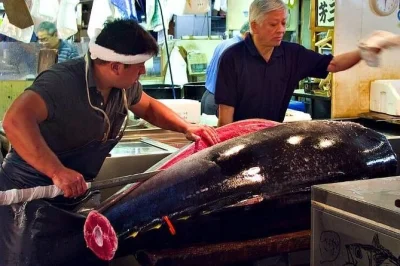 Tokyo Food Market Tour with Local Guide & Custom StopsExplore Tokyo’s Tsukiji & Toyosu fish markets, taste street food, and discover local culture on a private tour with a licensed guide. Includes flexible itinerary.★ 4.89 (27)4h–6hEN · JAJP¥ 15,000View ›
 Tokyo & Mt. Fuji Private Tour: Custom Itinerary, Pickup & DriverFeel Tokyo’s pulse from Shibuya Crossing to Senso-ji Temple, with a private English-speaking driver, hotel pickup, and flexible stops—even Tsukiji Market snacks.★ 4.96 (336)9hEN · RU +1JP¥ 54,538per groupView ›
 Tokyo: Private Family Tour with Custom Itinerary & PickupLet a Tokyo local design your perfect private tour—see Senso-ji, Harajuku, Tsukiji Market, or hidden neighborhoods. Includes hotel pickup and flexible planning.★ 4.98 (116)2h–8hENJP¥ 7,860View ›
 Tokyo Shibuya Crossing & Hachiko: Private Walking TourShibuya walking tour with local guide: Hachiko Statue, Scramble Crossing, Shibuya Center Gai, matcha break, JUMP SHOP. Guide takes and shares photos.2h 30mENJP¥ 10,138View ›
 Asakusa Walking Tour: Sensoji Temple, Thunder Gate & RitualsWalk through Tokyo's oldest Buddhist temple and the Thunder Gate on a 2-hour guided tour of Asakusa★ 4.91 (75)2hENJP¥ 1,800View ›
 Tokyo: Private City Tour with Vehicle & Custom ItineraryFeel the pulse of Tokyo with a private vehicle, licensed guide, and your pick of city highlights—includes pickup and flexible stops for up to 15 people.★ 4.92 (166)6hEN · JAJP¥ 49,450View ›
 Tokyo: Private Walking Tour Senso-ji, Shibuya & HarajukuLet a Tokyo local customize your private walking tour—Senso-ji, Shibuya Crossing, Harajuku pop culture. Includes hotel pickup and flexible start times.★ 4.99 (100)2h–8hEN · ESJP¥ 7,218View ›
 Tokyo Walking Tour: Temples, Food Streets & Neon City SightsFeel the contrasts of Tokyo with a private walking tour—temples, food streets, and neon districts led by a local guide. Flexible itinerary and hotel pickup included.★ 4.90 (161)4h–7hEN · FR +1JP¥ 15,000View ›
 Tokyo Imperial Palace: 2-Hour Walking Tour & Nijubashi Bridge2-hour guided walking tour of Tokyo Imperial Palace with local expert. Small groups, Nijubashi Bridge, East Gardens, samurai history included.2hEN · ZHJP¥ 8,004View ›
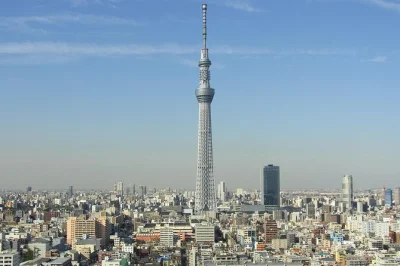 Tokyo: 1-Day Landmarks Bus Tour with Skytree & MatchaFeel the pulse of Tokyo in one day—Meiji Shrine, Asakusa temples, matcha tasting, SkyTree views, and a Tokyo Bay cruise. Includes pickup & lunch.★ 4.90 (17,001)9h–10hENJP¥ 19,488View ›
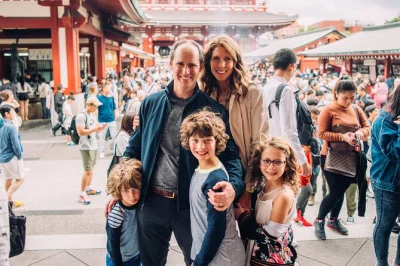 Tokyo Family Tour: Private Guide, Custom Itinerary & FunExplore Tokyo with a local guide on a private family tour. Visit Senso-ji Temple, Ueno Park, Ameyoko Market, and more. Includes pickup and customizable stops.★ 4.85 (40)6hEN · JAJP¥ 22,000View ›
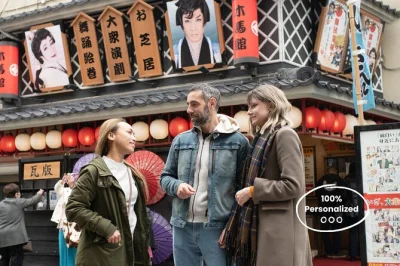 Tokyo Private Walking Tour: Custom Itinerary & Local HostFeel Tokyo’s pulse with a private walking tour—see Senso-ji, Yanaka, Ginza, and more, all tailored by your local host. Flexible start times and pickup included.★ 4.87 (1,235)2h–7hEN · JAJP¥ 16,539View ›
Top questions
How long is the Tokyo fish market food tour?
The standard tour lasts about four hours but can be extended to six hours if you want to see more sites.
Which markets are included on this Tokyo day trip?
The tour covers Toyosu Fish Market, Tsukiji Outer Market, Ameyoko Shopping Street, Kappabashi (Kitchen Town), plus optional stops like Senso-ji Temple or Monja Street.
Is pickup included for this Tokyo food tour?
Your licensed guide will meet you on foot at your hotel or within a designated area in Tokyo.
Can I customize my itinerary?
Yes, you can choose your must-see spots from a list when booking—your guide will help plan the route based on your interests.
Are these Tokyo markets wheelchair accessible?
Yes—all areas visited on this tour are wheelchair accessible and suitable for all fitness levels.
What time does the tour start?
The tour is available from 8AM onwards; note that some markets have specific closing days.
Is lunch included during the tour?
No set lunch is included but you’ll have plenty of chances to buy snacks or small dishes directly from vendors along the route.
Tokyo Fish Market Food Tour: Tsukiji, Toyosu & Street Eats
4h–6h · EN · JA · at your hotel
from JP¥ 15,000 per person
★★★★★★★★★★4.7889 reviewsVerified traveler reviews via our booking provider
