

 +507 6792-0894


Tokyo Asakusa: Sushi Making Class & Nigiri Roll Workshop


Summary
Hands-on sushi making in Tokyo’s Asakusa near Sensoji Temple
You’ll join a small group in Asakusa for hands-on sushi making with local instructors, learn to roll maki and shape nigiri using fresh ingredients, then share your creations over tea. Expect gentle guidance, real laughs, and a warm welcome—plus tips for exploring Tokyo after class.

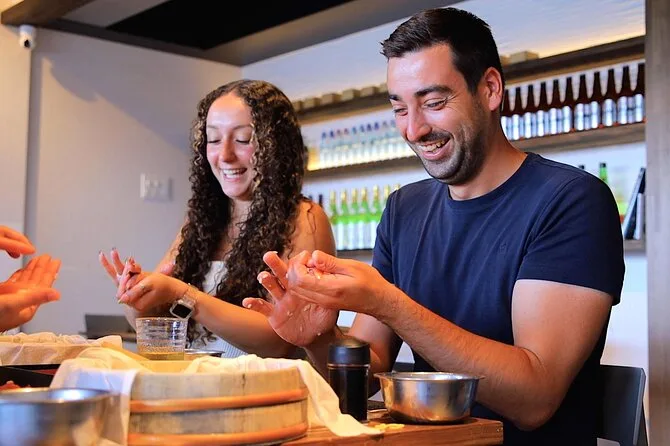
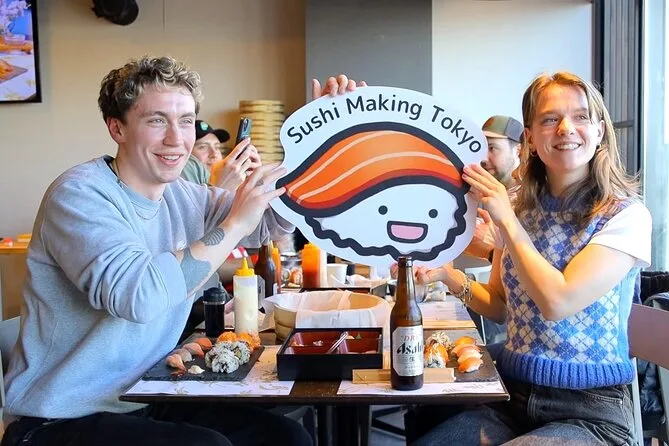
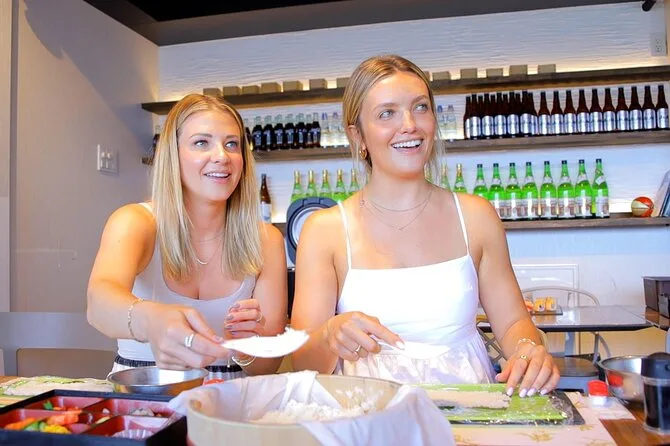
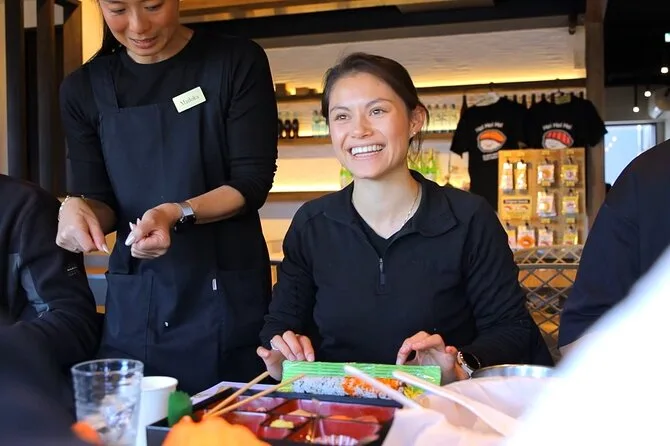
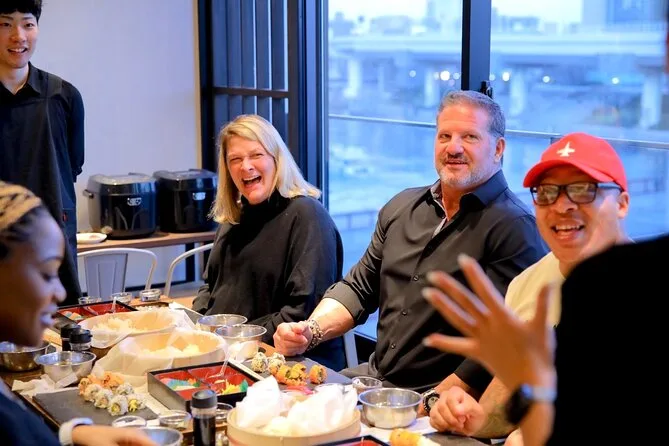
We’d barely taken off our shoes when our instructor, Ayumi-san, handed me a damp towel and grinned — “Don’t worry if your rice sticks everywhere,” she said. I glanced at the long wooden counter, already set with tiny bowls of pickled ginger and shiny knives. The room smelled like sweet vinegar and something a little seaweedy. There were two other travelers from Melbourne (I think?) who kept cracking jokes about their “sushi disasters,” and honestly, it made me feel less nervous about rolling my first maki. You could hear temple bells outside every so often — kind of grounding, actually.
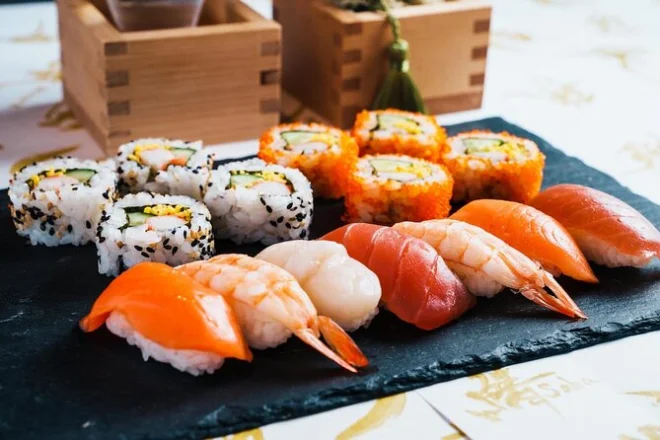
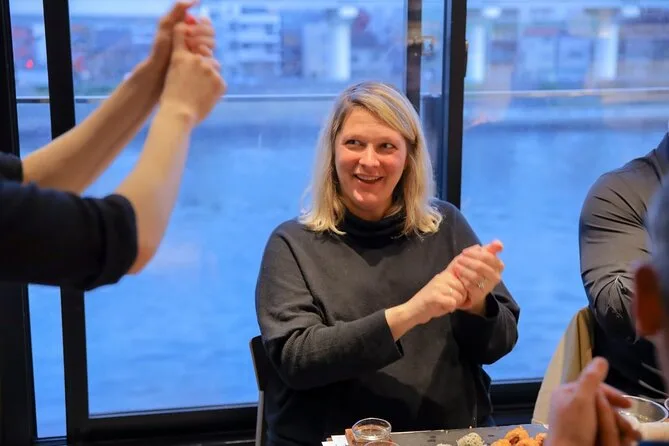
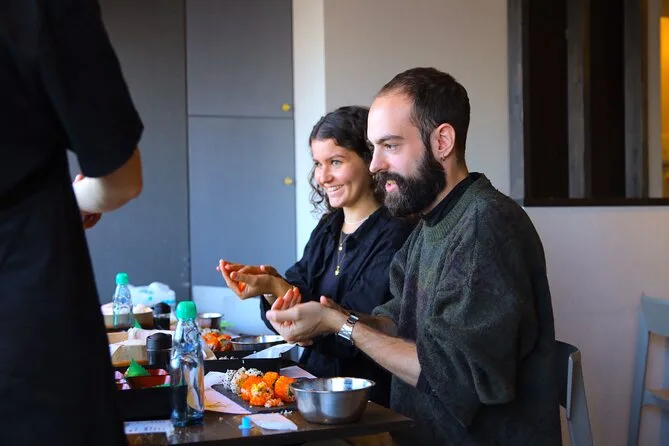
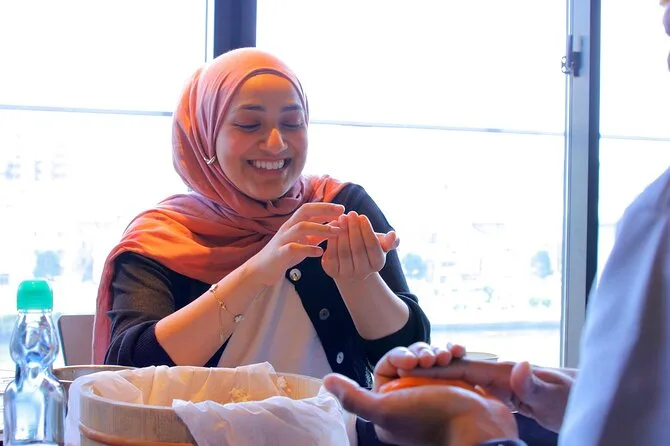
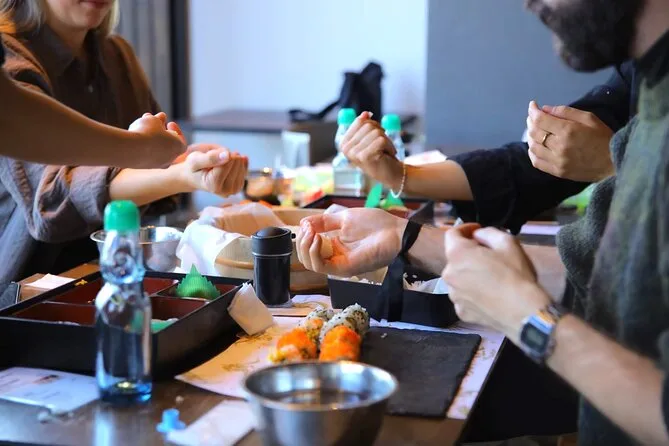
Ayumi showed us how to shape nigiri — her hands moved so quickly I almost missed it. When I tried, my rice blob just collapsed sideways and she laughed (in the gentlest way), then guided my fingers: “Not too tight, not too loose.” There was this moment where we all tried to say ‘tamago’ properly and Li (one of the staff) burst out laughing at my accent — I probably butchered it but hey, it broke the ice. The main keyword here is definitely “sushi making Tokyo” because that’s what you’re doing, but it feels more like hanging out in someone’s kitchen than a formal class.
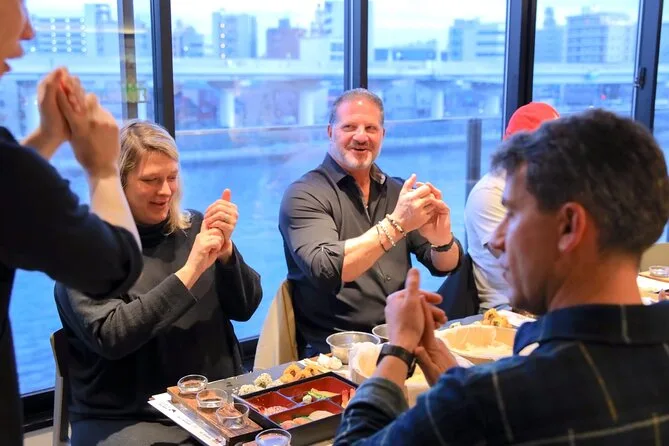
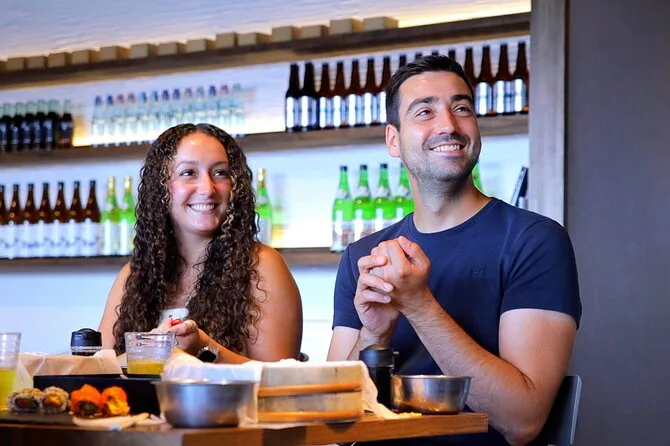
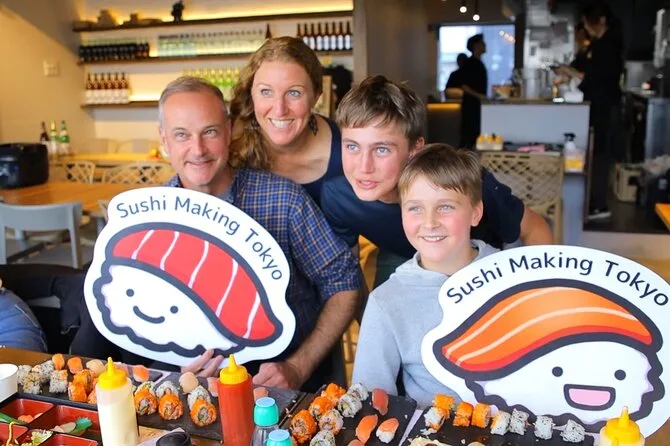
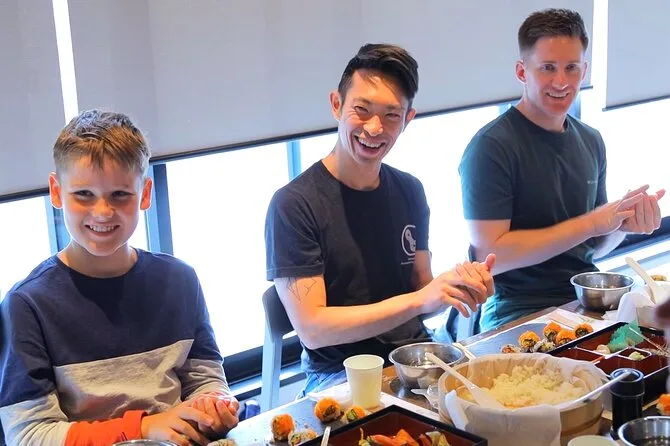
After we finished rolling and shaping everything (with varying degrees of success), we sat down together to eat what we’d made. The wasabi hit a bit harder than I expected — maybe I got carried away — but the salmon was so fresh I still think about that taste sometimes. We swapped stories over green tea while Ayumi told us about growing up in Asakusa; she pointed out how close we were to Sensoji Temple and suggested some street snacks for later. It didn’t feel rushed or staged — more like a slow afternoon spent learning something new with friends you just met.
 2h
2h

Step-by-step itinerary
Day 1 — Sushi making class in Asakusa
- Arrive at Sushi Making Tokyo
- Meet friendly local staff
- Learn to make roll sushi
- Learn to make authentic nigiri sushi
- Enjoy eating your sushi creations

Top questions

Where is the sushi making class held in Tokyo?
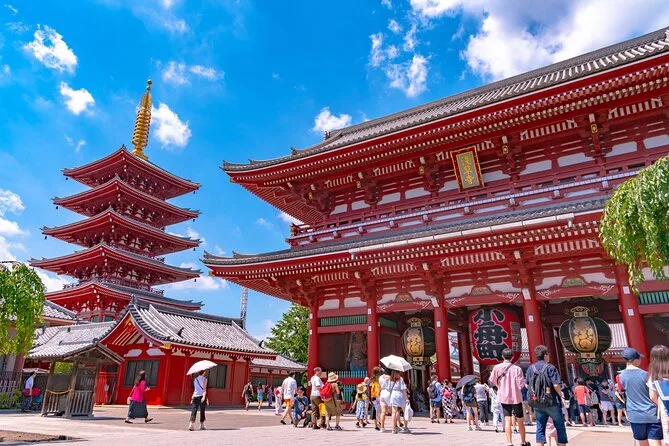
The class takes place in Asakusa, just steps from Sensoji Temple.
Is this sushi making Tokyo class suitable for beginners?
Yes, no experience is needed—local staff guide you through each step.
Are ingredients included in the sushi workshop?
All cooking ingredients for the class are provided as part of your booking.
Is there an English-speaking instructor at the sushi class?
Yes, an English-speaking instructor leads the workshop.
Can infants or small children join this activity?
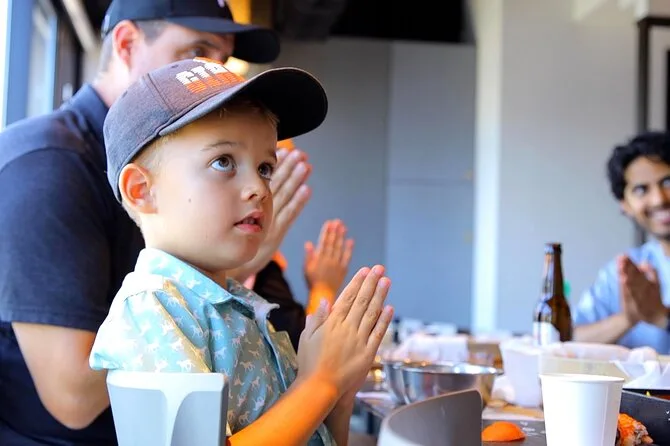
Infants and small children can attend; prams or strollers are allowed.
Are service animals allowed at the sushi making class?
Yes, service animals are permitted during the activity.
Is public transportation available nearby?
The location is accessible by public transportation options close by.

What’s included
Your day includes all fresh ingredients needed for both nigiri and roll sushi making, guidance from an English-speaking instructor throughout the hands-on cooking class in Asakusa, plus time to enjoy your meal together before heading out to explore Tokyo on your own.
 Super deal
  Free booking, free cancellation.
  Don't lose your place.


 Do you need help planning your next activity?
  +507 6792-0894


