
Asakusa: Make Your Own Japanese Knife & Engrave Handle

You Walk Into a Workshop in Asakusa and Leave With a Knife You Made
You'll put on a protective haori, learn knife history from a Japanese master over tea, choose your blade type and size, sharpen it by hand in a meditative process, engrave your name or sakura design on the magnolia handle, and hammer it together. English-speaking staff guide you throughout, and you leave with a finished custom knife plus a key-holder. The whole session takes 2–3 hours and includes all materials and refreshments.
 1h 30m

Step-by-step itinerary
Craft and personalize Japanese knife
- Put on haori jacket
- Enjoy tea or juice
- Learn history of Japanese knives
- Choose blade type and size
- Sharpen the blade carefully
- Engrave handle with name or sakura
- Attach handle using traditional hammer

The Experience
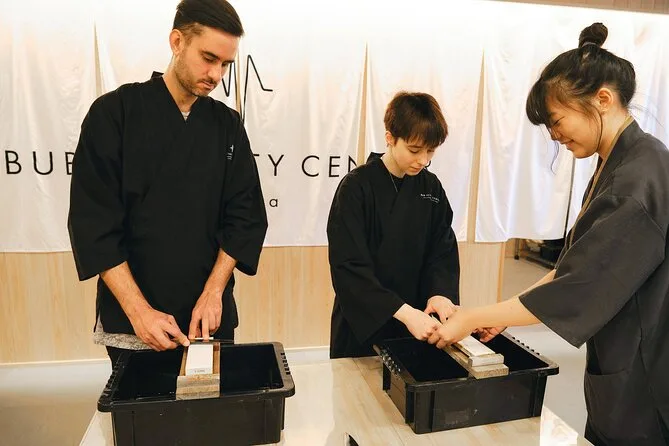
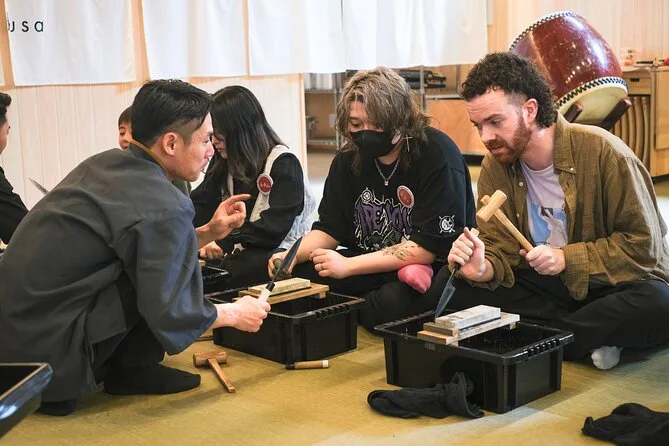
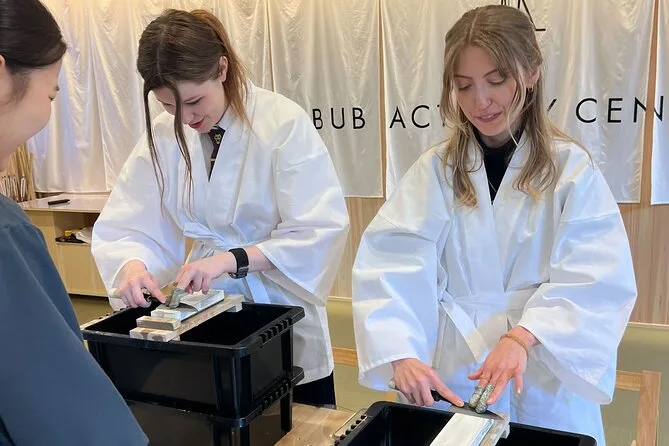
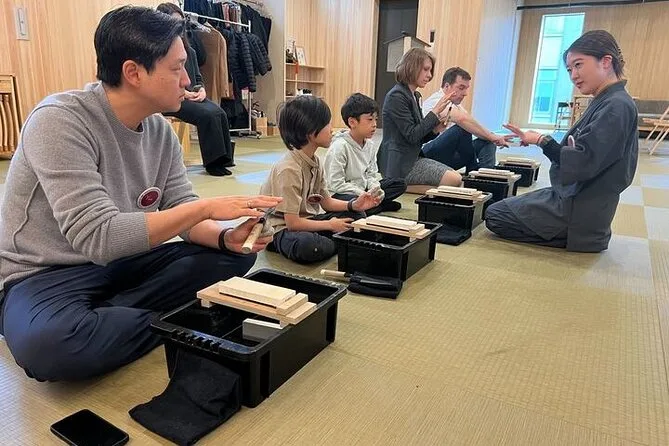
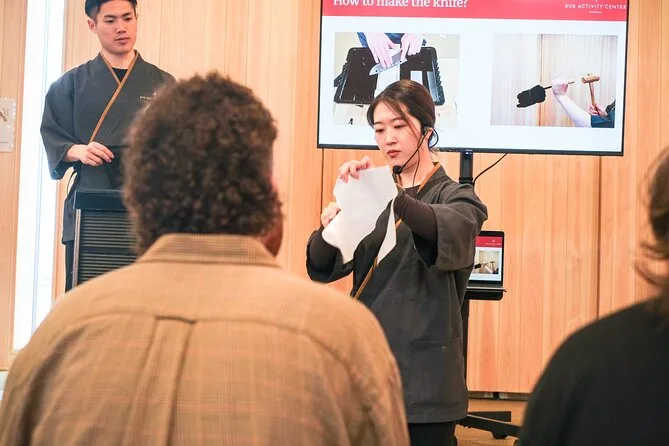
The moment you step into the studio, someone hands you a light haori—that loose kimono-style jacket—and you realize this is not a museum visit. You're about to make something. A crew member settles you down with tea or juice, and a Japanese master begins talking about the history of Japanese knives and swords, the weight of the craft, why the angle matters. It's calm, almost meditative, and you're still holding your cup when you realize you're already learning.
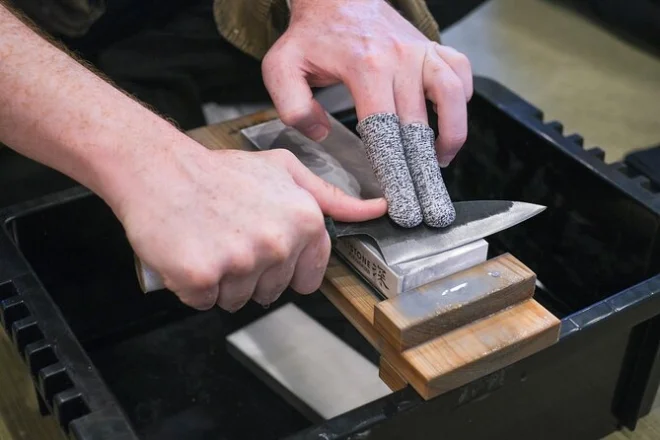
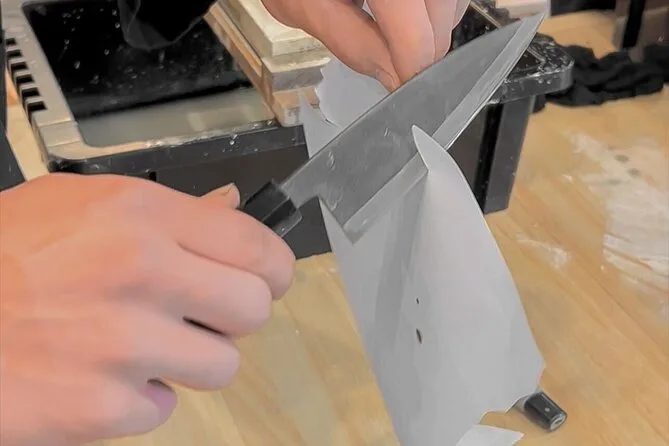
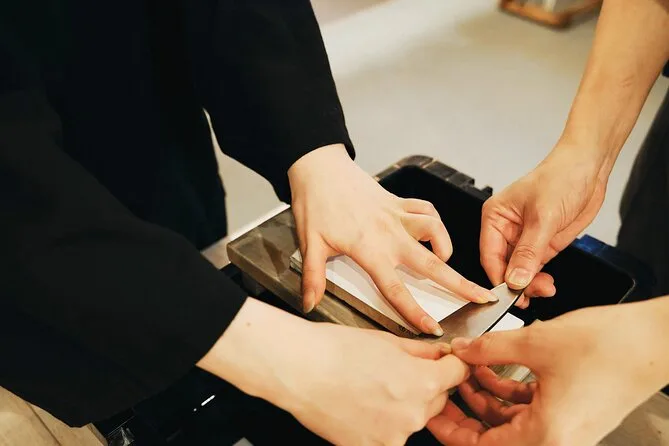
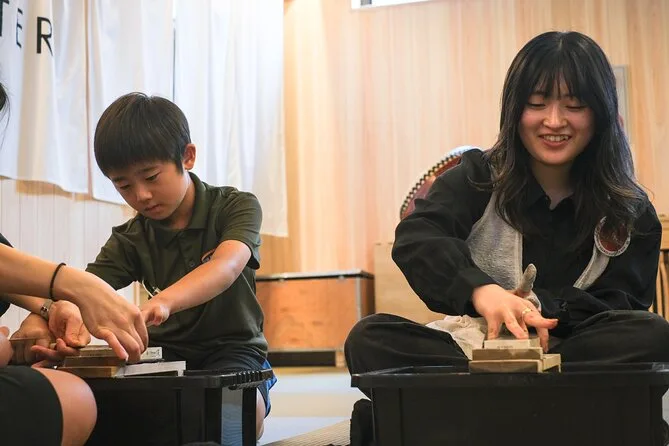
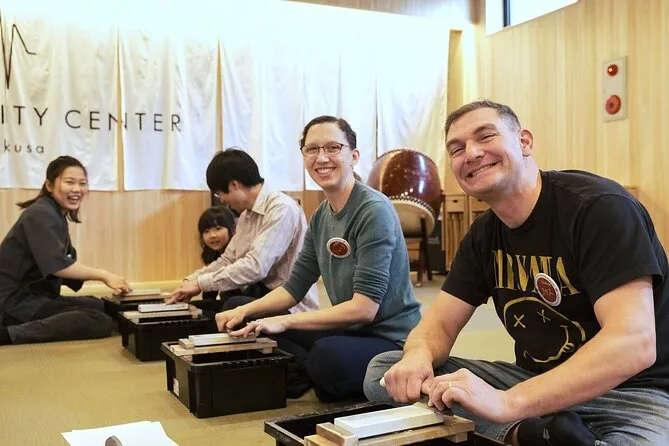
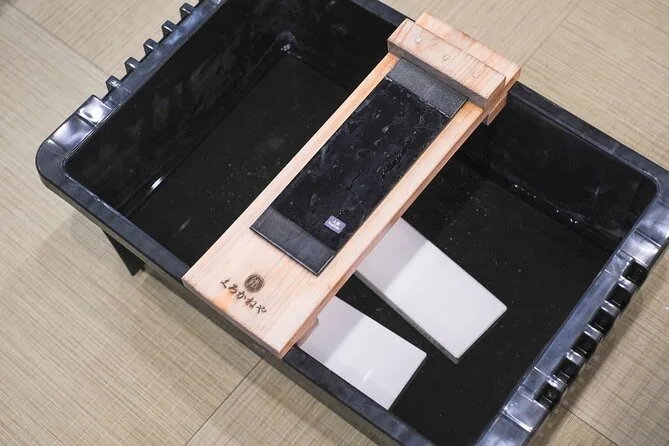
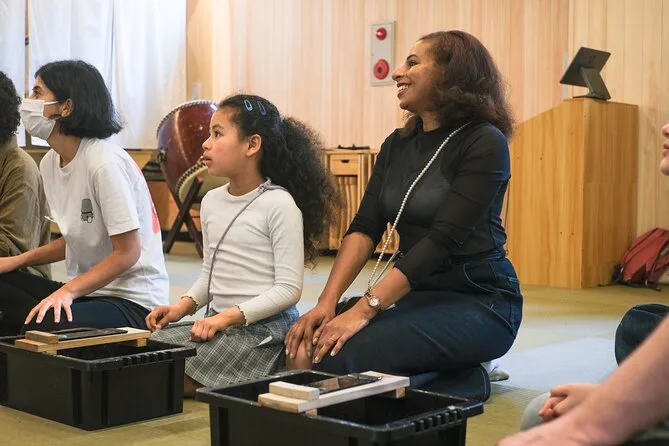
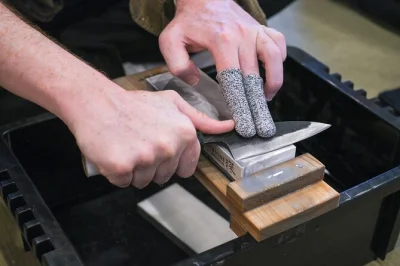
Then you choose. Up to five types of knives are laid out—some require a small additional charge—and you pick the blade and size that feels right. The sharpening comes next, and this is where the stress relief part actually happens. You're concentrating hard, moving the blade across the stone in a rhythm, and the English-speaking crew members are there if your angle drifts or you need a correction. Other people are doing the same thing at nearby stations, and there's something about working in that quiet focus alongside strangers that makes the whole thing feel real. You can talk to them, ask questions, get advice. Nobody's rushing you.
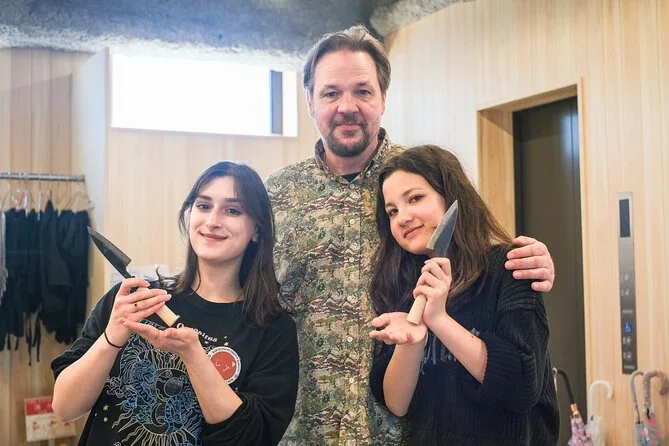
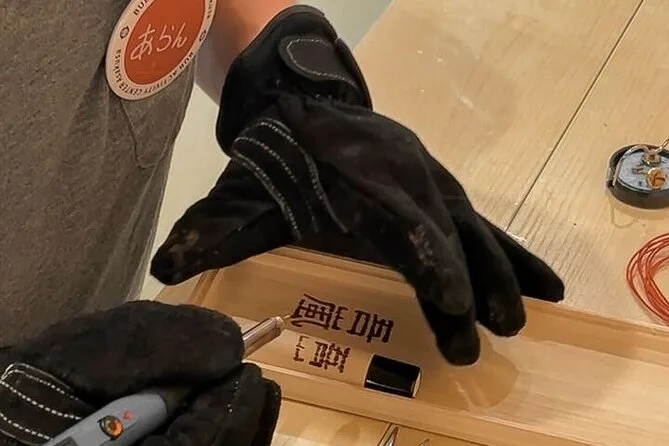
Once the blade is sharp, you move to the handle. You can engrave sakura trees or your name in Japanese characters—and if you don't know how to write it, they help. Then you attach the magnolia handle using a traditional hammer, and suddenly you're holding a finished knife. It's yours. You made it in Asakusa, in the middle of Tokyo, in a couple of hours, and it's not a souvenir—it's a tool you actually sharpened with your own hands. A custom key-holder comes with it as a gift, and you walk out with both.
The whole experience runs 2 to 3 hours, and the location is accessible by public transport. If you're bringing someone to watch instead of participate, there's an observation fee to pay on site.

What’s included
Your session includes a protective haori, welcome tea or soft drinks with a snack bar, instruction from a Japanese master on knife history and technique, your choice of blade type and size, hand-sharpening of the blade, engraving of your name in Japanese or sakura design on the magnolia handle, assembly with a traditional hammer, a custom key-holder as a gift, and all materials, fees and taxes.
Operated by BAC Japan
Is this one for you?Right for anyone who wants a hands-on craft experience in Tokyo without needing prior skill—the master handles the teaching, and you walk out with a real tool you made yourself, not a class certificate or a kit to finish at home.
Traveler reviews
Compare the 13 similar options
 Asakusa: Make Your Own Japanese Knife & Engrave Handle★ 4.95 (629)1h 30mENJP¥ 26,000
 Asakusa Kimono Tea Ceremony & Matcha Workshop TokyoTea ceremony in Asakusa with kimono rental, matcha preparation and English-speaking tea master. Includes green tea, snacks and hairstyling near public transport.★ 4.94 (724)1h 30mENJP¥ 8,100View ›
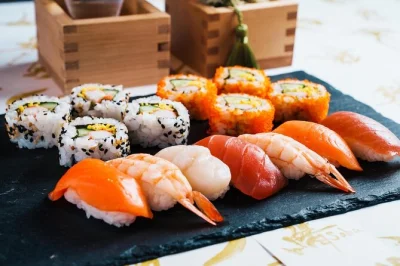 Sushi Making Class in Asakusa: Learn Maki and NigiriLearn to make maki and nigiri sushi in Asakusa, steps from Sensoji Temple, with an English-speaking instructor and a meal of what you create. No experience needed.★ 4.96 (5,012)1h 40mEN · JAJP¥ 9,000View ›
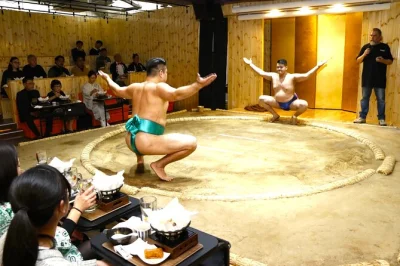 Tokyo: Sumo Show with Chicken Hot Pot & Photo in AsakusaFeel the energy of sumo up close in Tokyo’s Asakusa, watch retired wrestlers, enjoy all-you-can-eat chicken hot pot, and take home a souvenir photo—includes meal & photo.★ 4.82 (1,556)2hEN · JAJP¥ 16,000View ›
 Tokyo Private Tour by Car: Senso-ji, Shibuya & SkytreeFeel the pulse of Tokyo with a private car tour covering Senso-ji Temple, Shibuya Crossing, Tsukiji Market and more—includes hotel pickup and English-speaking driver.★ 4.75 (93)9hENJP¥ 58,269per groupView ›
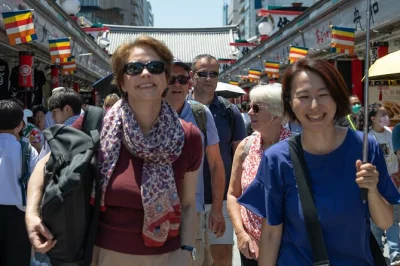 Asakusa Walking Tour: Senso-ji Temple and Historic DistrictWalk through Asakusa's Thunder Gate to Senso-ji Temple, Tokyo's oldest Buddhist shrine, with a local guide who explains the temple's 7th-century history★ 4.88 (1,062)2hENJP¥ 4,709View ›
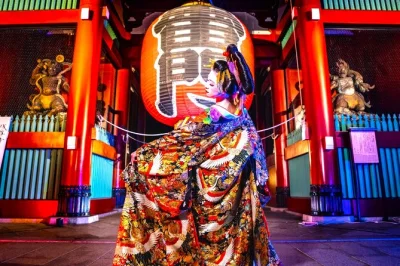 Japanese Dance Cabaret Show Asakusa: Meet the PerformersWatch a 60-minute traditional Japanese dance show at Asakusa-Kaguwa theater, then meet and photograph the performers — your drink is included★ 4.83 (249)2hJP¥ 7,700View ›
 Asakusa Sumo Show & Wagyu Dinner with Hands-On TrainingAsakusa Sumo Club Annex serves Chanko hot pot, Wagyu sukiyaki and tempura with live sumo demonstration. Try sumo yourself. Business Class includes all-you-can-drink.★ 4.59 (135)2hENJP¥ 16,000View ›
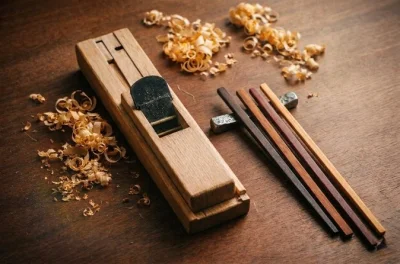 Tokyo Asakusa: Chopsticks Making Workshop near Senso-jiShape & engrave your own wooden chopsticks in Asakusa, just steps from Senso-ji Temple. Includes bilingual guide, all tools, and options for personal engraving.★ 4.97 (1,960)1hENJP¥ 1,000View ›
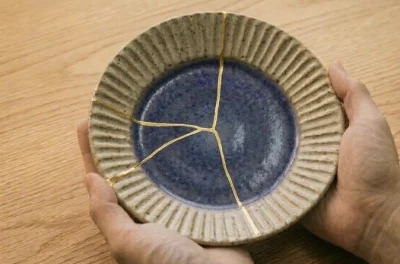 Kintsugi Workshop in Asakusa: Gold Repair Art ClassLearn kintsugi pottery repair in Asakusa with a skilled artisan using real urushi lacquer and gold powder—you'll mend broken ceramics and take home your own golden piece.★ 4.93 (1,152)1hEN · JAJP¥ 2,355View ›
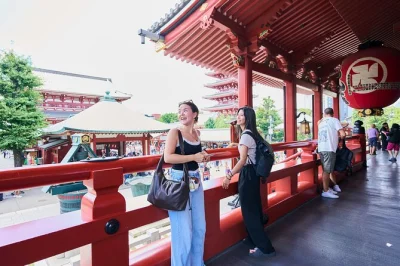 Tokyo Asakusa: Senso-ji Temple Food Walk & Edo Streets TourStep into Tokyo’s Asakusa with a local guide, taste street food near Senso-ji Temple, explore Edo-era shops, and end at a local supermarket. Includes wheelchair access.★ 4.98 (931)2hENJP¥ 2,000View ›
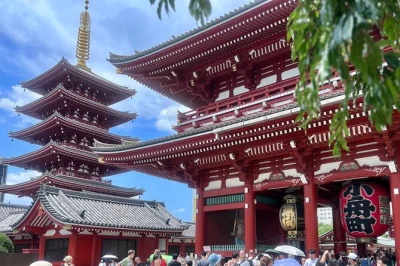 Asakusa: Senso-ji Temple & Old Town Walking TourWalking tour of Tokyo's oldest temple (645 AD) with expert guide, Thunder Gate, Nakamise shopping street & historical insights. 2-3 hours, small groups.★ 4.94 (320)2hENJP¥ 2,250View ›
 Sake tasting workshop in Asakusa: master selection skillsLearn to read sake labels and taste 10 varieties in a 110-minute workshop in Asakusa, where you hand-pick 7 tastings from 50+ premium labels and gain★ 4.97 (71)1h 45mENJP¥ 7,500View ›
Top questions
Do I need knife-making experience?
No. The master teaches you the technique, and English-speaking crew members correct your movements as you go. It's designed for first-timers.
What types of knives can I choose from?
Up to five types are available. Some carry a small additional charge beyond the base price. The crew will explain each one.
Can I engrave my name in English?
The engraving is done in Japanese characters or sakura designs. If you want your name, the crew will help you write it in Japanese.
How long does the whole experience take?
Plan for 2 to 3 hours from start to finish, including tea, instruction, sharpening, engraving, and assembly.
What if I just want to watch someone else make a knife?
Observers are welcome for an additional fee paid on site. You can watch from the studio while someone else participates.
Is the location easy to reach?
Yes. The studio is in Asakusa and is accessible by public transportation. The building is also wheelchair accessible.
What's included in the price?
The custom knife, magnolia handle, engraving, tea or soft drinks, snacks, a custom key-holder gift, and all fees and taxes.
Can children participate?
The activity is suitable for all physical fitness levels. Infants and small children can be brought in a pram or stroller if they're observing.
Asakusa: Make Your Own Japanese Knife & Engrave Handle
1h 30m · EN
from JP¥ 26,000 per person
★★★★★★★★★★4.95629 reviews
