
Sake brewery tour Kobe Nada: 3+ tastings with expert guide
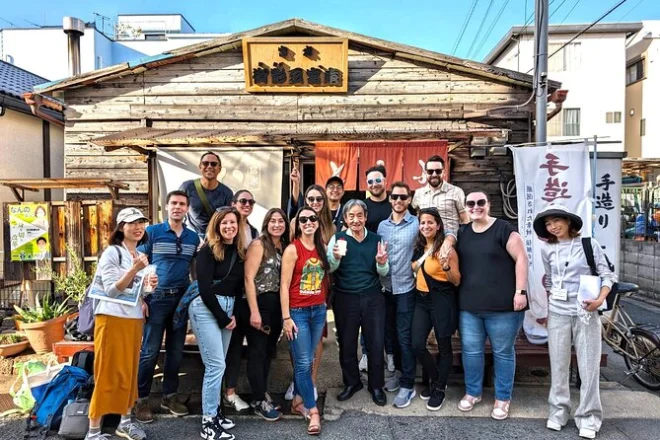
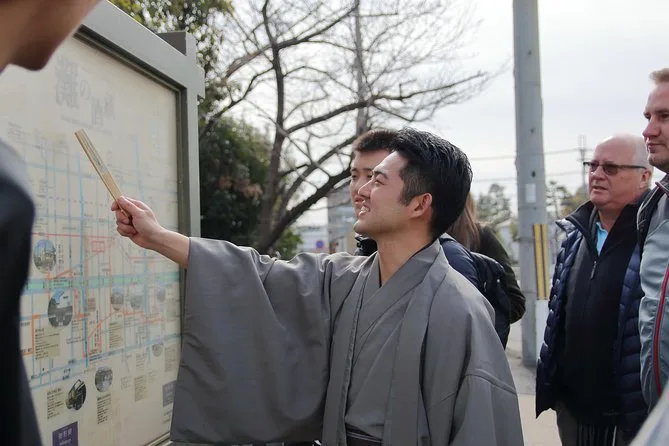
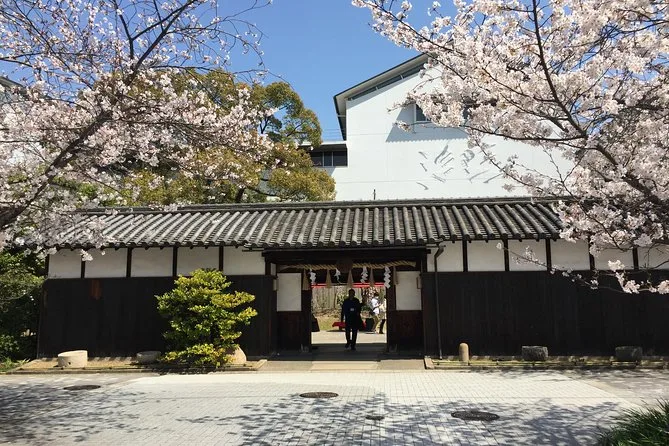
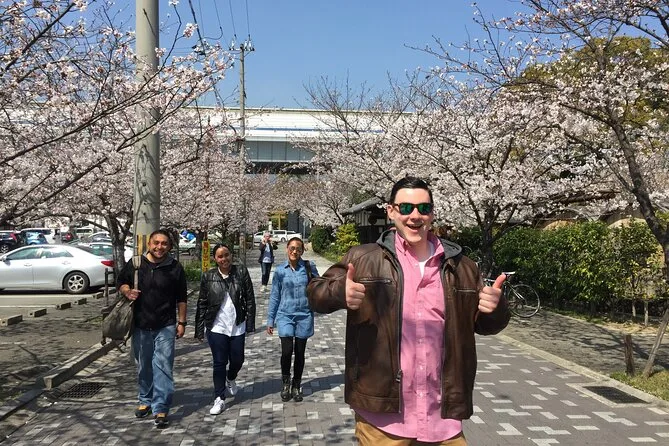

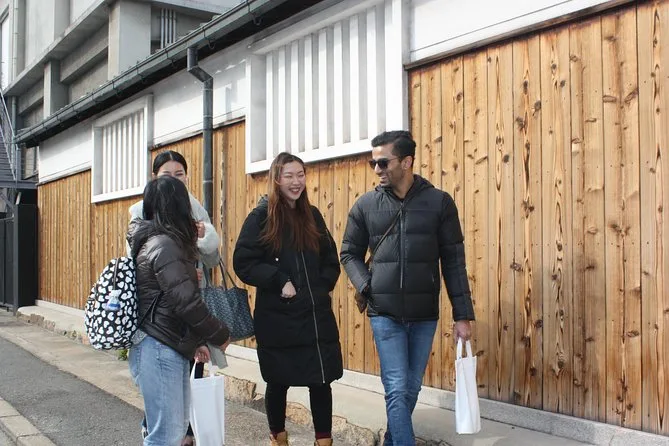
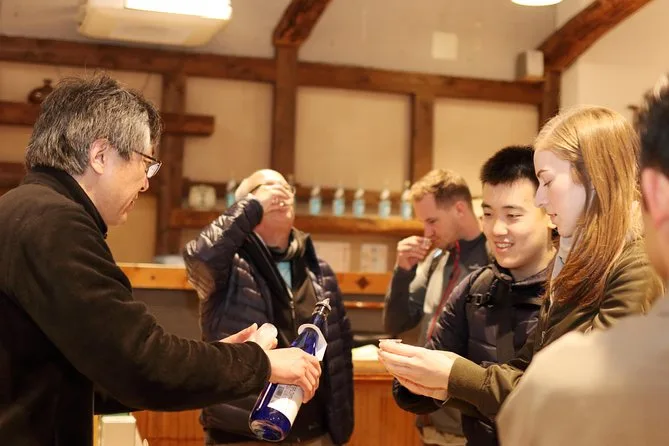


Taste your way through Japan's oldest sake-brewing region with someone who knows why each one tastes different
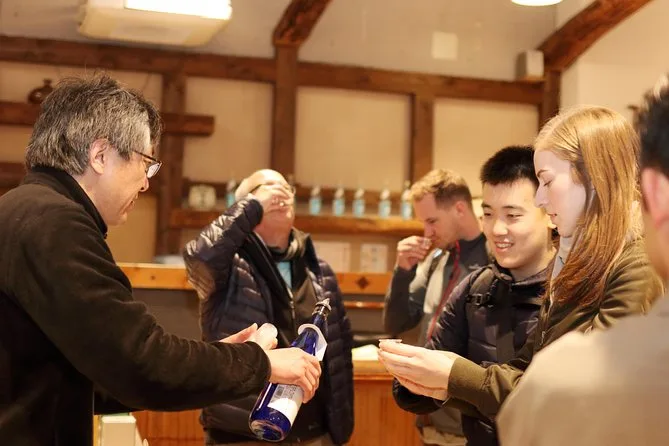
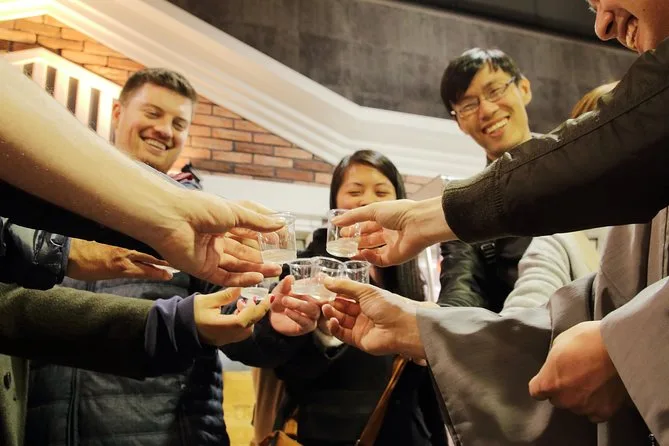
A sake brewery tour in Kobe's Nada district, Japan's most celebrated sake-brewing region, with a professional English-speaking local guide. You visit three or more breweries over 3.5 hours, taste around 10 sake styles, and learn how rice, water, fermentation and brewing methods shape flavor: moving from a 400-year-old traditional brewery through a sake enthusiast's private tasting room to a working production floor and a kimoto-method brewery with its own museum. The guide shares local stories and brewing insights that are difficult to discover alone, and explains the differences between sake styles so you can recognize your own preferences.
More experiences you might like
 Kobe sake brewery tour with local guide: Nada district tastingsMon, Wed and Thu · 13:15 · From age 20★ 4.89 (9)3hEN · CM +2JP¥ 12,900View ›
 Kobe Private Walking Tour: Sake, Harbor & Kitano-cho MansionsEvery day · first departure 09:00, last 13:00 · All ages★ 4.78 (92)4h–6hEN · JAJP¥ 15,000View ›
 Kobe Private Car Tour: Customized Itinerary with GuideEvery day · first departure 08:00, last 11:00 · All ages★ 4.81 (16)6hEN · JAJP¥ 54,150View ›
 Kobe Private Walking Tour: Customized 4-6 Hours with GuideEvery day · first departure 09:00, last 13:00 · All ages★ 5.00 (21)4h–6hEN · JAJP¥ 15,000View › Compare more experiences like this »
Step-by-step itinerary
Visit Kobe Sake Breweries and Tastings
- Visit 400-year-old sake brewery
- Taste genuine Japanese sake
- Explore deep Nada Sake world
- Taste selected sake in liquor store
- Observe brewery from second-floor deck
- Taste fresh unpasteurized and yuzu sake
- Visit Kimoto-method sake brewery
- Learn sake making and taste craft sake
The experience
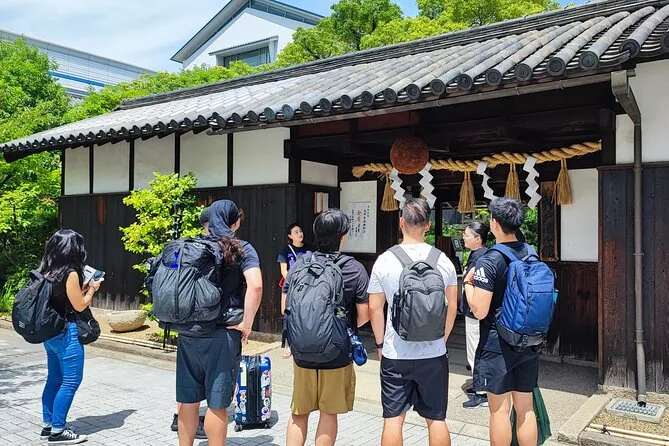
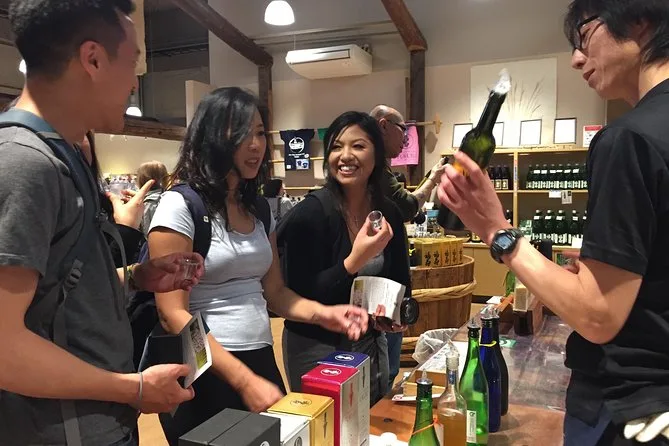
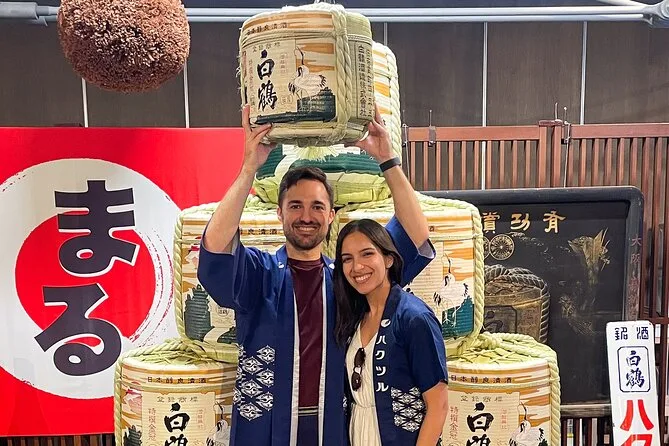
The tour starts at one of the region's oldest breweries, a 400-year-old operation famous for balancing traditional taste with modern preferences. You taste genuine Japanese sake here and begin to see what separates one style from another. From there, the route moves through a sake-passionate owner's private tasting room inside a liquor store (the kind of deep Nada experience most visitors miss), where you try authentic Japanese sake drinking styles and taste his best-selected bottles.
The second half takes you to a working brewery where you stand on an observation deck overlooking the production area and taste fresh unpasteurized sake and yuzu sake while watching how it is made. The final stop is a kimoto-method brewery with a museum of wooden sake-making tools and a Japanese garden where you taste sake made using one of Japan's oldest fermentation techniques. Throughout the day, your guide explains how rice quality, water source, fermentation temperature and brewing method shape the flavor profile of each sake, so by the end, you can recognize the differences and choose sake with confidence for the rest of your trip.
During Japan's hot summer season, the tour uses a shorter, more comfortable walking route (around 2 km) while keeping the tastings and discovery intact. Breweries occasionally close for regular maintenance or weather, but the guide arranges carefully selected alternatives so the experience stays rich. You receive an original KST sake-learning fan from early June through mid-October, and all taxes, fees and the around 10 tastings across the breweries are included in the price.
What’s included
- Professional English-speaking local sake expert guide.
- around 10 sake tastings across three or more breweries.
- KST original sake-learning uchiwa fan (early June through mid-October).
- all taxes, fees and handling charges.
Before you book
Prices and times updated today
Operated by Kampai Sake Tours
Is this one for you?Book this tour if you want to move beyond a brewery walk and actually learn how to taste and choose sake: the guide's explanations and carefully sequenced tastings across four different brewing styles and methods are what turn a visit into understanding. If you are new to sake, the relaxed pace and clear teaching make it easy to follow. If you already know sake, the access to a private tasting room and a working production floor, plus the local stories, gives you depth that solo visits cannot.
Traveler reviews
Top questions
Can children come?
Yes. Ticket types: Child (10 to 19 years): free. Under 10: they can't be included in the booking.
What happens if it rains?
It may be canceled due to bad weather. If that happens, you're offered another date or a refund. Free cancellation up to 24h before the start.
What is the Nada district and why is it famous for sake?
Nada is Japan's most celebrated sake-brewing region and the heart of Kobe's sake culture. The district is home to some of Japan's oldest breweries, including the 400-year-old operation you visit on this tour, and it is known for both traditional sake styles and breweries that adjust their methods to modern tastes.
How much sake will I actually taste, and what styles will I try?
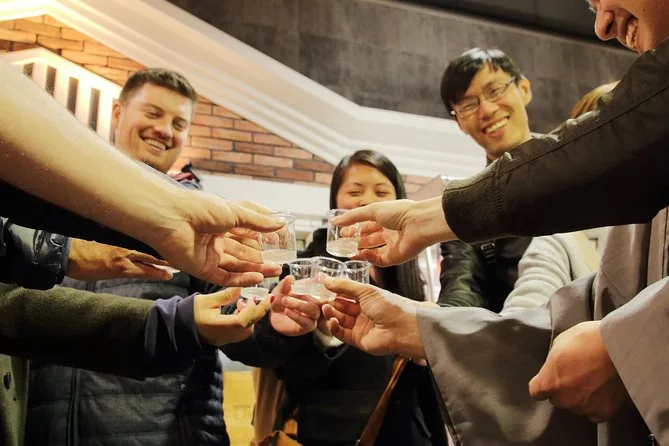
You taste around 10 sake styles across the three or more breweries. The tastings include genuine traditional sake from the oldest brewery, selections from a sake enthusiast's private collection, fresh unpasteurized sake, yuzu sake, and sake made using the traditional kimoto-method fermentation, so you experience a carefully selected range rather than a single style.
Will I be able to recognize the difference between sake styles after this tour?
Yes. The guide explains how rice, water, fermentation temperature and brewing methods shape each flavor, and walks you through the tastings so you begin to recognize the differences between styles and understand your own preferences. By the end, you will have the knowledge to choose and enjoy sake with greater confidence throughout Japan.
What is the walking distance and pace like?
During the summer route, the tour involves approximately 2 km (1.2 miles) of walking at a relaxed pace. Comfortable walking shoes are recommended. The experience is designed to be friendly and easy to follow whether you are completely new to sake or already an enthusiast.
What happens if a brewery is closed on the day of the tour?
Sake breweries occasionally close for regular maintenance or weather conditions. If this happens, the guide arranges carefully selected alternative stops so you still enjoy a wonderful sake experience with the same quality of tastings and discovery.
Sake brewery tour Kobe Nada: 3+ tastings with expert guide
3h 30m · EN
from JP¥ 16,150 per person
4.92188 reviewsVerified traveler reviews via our booking provider