
Kanazawa: Omicho Market & Higashi Chaya Food Tasting Tour


Three neighborhoods, one afternoon: Kanazawa's markets, teahouses, and sweets in a single day
You taste seafood and local specialties at Omicho Market, walk through the preserved wooden streets of two historic teahouse districts, sample traditional wagashi sweets at a century-old shop, and see how Kanazawa's famous gold leaf is made. Your guide handles all the introductions and cultural context, and all food tastings and entry fees are included in the price.
 2h
2h

Step-by-step itinerary
Kanazawa food and cultural tour
- Introduction to Omicho Market
- Taste fresh seafood and local produce
- Sample food from three stalls
- Learn about traditional Kanazawa dishes
- Visit Kazuemachi Chayagai teahouse district
- Explore Higashi Chaya geisha district
- Learn about Geisha culture
- Taste traditional Wagashi sweets
- Visit gold leaf factory

The Experience
"Which one should I try first?" You're standing at Omicho Market in Kanazawa, and your guide is pointing at stalls lined with crab, shrimp, eel, squid, octopus — the kind of seafood display that makes you realize how much you don't know about what's fresh. The market has been here for nearly 200 years, and it still moves like that: vendors calling out, ice piled high, the smell of salt and the sea mixing with grilled fish. Your guide walks you through the history first — why this place matters to Kanazawa, how it feeds the city — and then you start tasting. At least three different stalls, sampling what's in season, what's local, what people actually eat here rather than what ends up on a postcard.
After the market noise, Kazuemachi Chayagai feels like stepping into a different century. The streets are narrow and quiet, lined with preserved wooden teahouses painted in soft colors. Your guide explains the architecture, the history of the geisha districts in Kanazawa, and you walk through without rushing — there's no performance here, just the actual buildings where that culture lived and still does. It's the kind of place where the detail matters: the way light hits the latticed windows, the sound of your footsteps on the stone.
Higashi Chaya District comes next, and it's the most famous of Kanazawa's three geisha areas. You'll visit a 100-year-old traditional sweet shop and taste wagashi — Japanese sweets made by hand, each one small and precise and nothing like what you've had before. The guide talks about geisha culture here, what it meant and means, and then you move to the gold leaf factory. Kanazawa is famous for gold leaf work, and watching the process — how thin they can make it, how it's used in everything from tea to architecture — is the kind of thing that sticks with you after you leave.
The whole tour runs through three neighborhoods on foot, with your professional guide handling the explanations and the tastings. All fees are included, so you're not stopping at each stall wondering what things cost. It's the kind of day that doesn't feel rushed even though you're covering a lot of ground.

What’s included
Your day includes a professional guide, tastings at three or more food stalls in Omicho Market (seafood, local specialties, and seasonal items), a walk through Kazuemachi Chayagai teahouse district, a visit to a 100-year-old wagashi shop in Higashi Chaya with traditional sweet tasting, a tour of a gold leaf factory with explanation of the craft, and all fees and taxes. Service animals are welcome.
Operated by Kanazawa Tours
Is this one for you?Book this if you want to taste Kanazawa's food culture without arranging market visits, teahouse access, and sweet shop tastings separately — the guide handles introductions at each stop and explains what you're eating and why it matters to the city.
Traveler reviews
Compare the 13 similar options
 Kanazawa: Omicho Market & Higashi Chaya Food Tasting Tour★ 4.94 (101)2hENJP¥ 6,700
 Kanazawa: Omicho Market & Geisha District Food TourTaste fresh sushi and seasonal street food at Omicho Market, then explore Higashi Chaya's wooden teahouses and sake bars with a local guide. Small groups, photos included.★ 4.88 (146)2hENJP¥ 7,000View ›
 Kanazawa Castle & Samurai History Walking TourWalk through samurai streets and castle grounds in Kanazawa with a local guide who explains the Maeda clan's legacy and how it shaped the city's art and culture.★ 4.91 (455)2h 30m–3hENJP¥ 8,500View ›
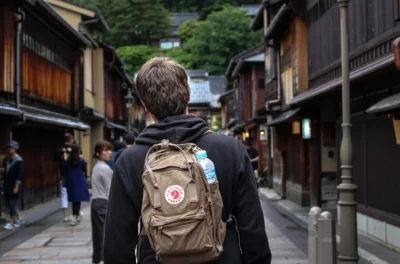 Kanazawa Private Walking Tour: Customized with a Local GuidePrivate walking tour of Kanazawa led by a local guide who shapes the itinerary around your interests—samurai districts, markets★ 4.93 (213)2h–5hEN · JAJP¥ 10,310View ›
 Kanazawa Sushi & Cooking Class: Hands-On at 56-Year SchoolLearn to make nigiri sushi, jibuni & dashi at Kanazawa's oldest cooking school. Small groups, AI translation, premium fish. Includes all dishes, sake & certificate.★ 4.99 (106)2h 30mEN · JA +3JP¥ 15,000View ›
 Shirakawa-go & Kanazawa tour: UNESCO village & gardenFull-day guided tour from Kanazawa to the UNESCO World Heritage village of Shirakawa-go with stops at Ogimachi lookout and Kenroku-en Garden★ 4.93 (912)5hEN · JAJP¥ 12,308View ›
 Kanazawa Ninja Temple and Geisha District: 2-hour walking tourTwo-hour walking tour of Kanazawa's Ninja Temple and geisha district with English-speaking guide, temple admission included★ 4.67 (39)2hENJP¥ 10,000View ›
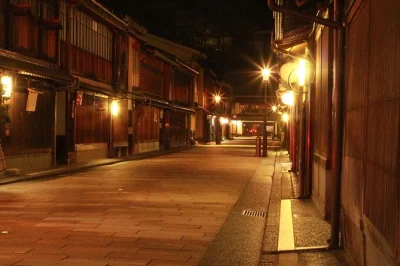 Kanazawa Geisha Districts Night Tour & 3-Course DinnerTwo geisha districts after dark with professional guide, full-course meal and drinks included. Small groups (3-8 people), 2.5 hours, Edo-era teahouses and local stories.★ 4.89 (195)2h 30mENJP¥ 16,000View ›
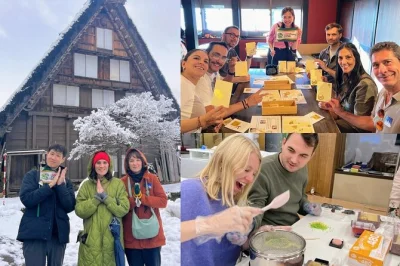 Shirakawa-go & Kanazawa tour: UNESCO village & craftsFull-day tour from Kanazawa to UNESCO World Heritage Shirakawa-go village, then back to Kanazawa for Kenrokuen Garden★ 4.97 (5,180)9h 30mEN · JAJP¥ 18,462View ›
 Kanazawa: Custom Walking Tour with Licensed Local GuideWander Kanazawa’s gardens, samurai lanes & teahouse districts on a private half-day walking tour. Includes meet-up, licensed guide & customizable route.★ 4.87 (117)4h–6hEN · JAJP¥ 18,500View ›
 Kanazawa: Samurai District, Matcha & Geisha with Garden EntryFull-day Kanazawa walking tour of Ashigaru samurai homes, Nagamachi district, Kenroku-en Garden, and Higashi-chaya geisha district with matcha tea and wagashi sweets.★ 4.92 (104)9hENJP¥ 22,300View ›
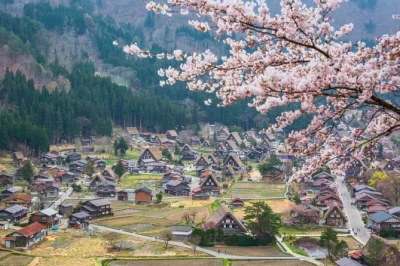 Shirakawa-go & Takayama Private Day Tour with Custom StopsStep into the quiet lanes of Shirakawa-go and Takayama, explore gassho-zukuri farmhouses, stroll Edo-era streets, and enjoy a private charter with flexible pickup.★ 4.68 (292)8hEN · JAJP¥ 92,233per groupView ›
 Shirakawago & Kanazawa: UNESCO Village & Garden Day TripFull-day tour from Kanazawa Station to Shirakawago village with gassho-zukuri houses, Kenrokuen Garden, and Higashi Chaya district. Includes bilingual guide, lunch, and hotel pickup.★ 4.88 (97)8h 30mEN · ESJP¥ 8,854View ›
Top questions
What food will I taste?
You'll taste at least 3 different types of food: fresh seafood from Omicho Market stalls (crab, shrimp, eel, squid, octopus), local Kanazawa specialties, and wagashi (Japanese sweets) from a traditional shop in Higashi Chaya.
Is this tour suitable for children?
Yes. Infants and small children can ride in a pram or stroller. The tour involves walking through markets and historic districts, so it's accessible for families with young children.
What's included in the price?
Professional guide, all food tastings, entry fees, and taxes are included. You don't need to pay separately for market samples or the sweet shop visit.
Do I need to speak Japanese?
Your guide is professional and will provide explanations and cultural context in English throughout the tour.
What is the gold leaf factory visit about?
Kanazawa is renowned for gold leaf craftsmanship. The tour includes a visit to a gold leaf factory where the guide explains the traditional process of making and using gold leaf in the city.
Are there any physical limitations I should know about?
The tour involves walking through markets and historic districts. It's not recommended for travelers with spinal injuries or poor cardiovascular health, but it's suitable for all other fitness levels.
Can I get to the tour by public transportation?
Yes. Public transportation options are available near all three neighborhoods on the tour.
Kanazawa: Omicho Market & Higashi Chaya Food Tasting Tour
2h · EN
from JP¥ 6,700 per person
★★★★★★★★★★4.94101 reviewsVerified traveler reviews via our booking provider
