
Kanazawa Geisha Districts Night Tour & 3-Course Dinner


Walking Kanazawa's Geisha Streets at Night, Then Sitting Down to Eat
You walk through two preserved geisha districts in Kanazawa after dark with a professional guide who explains the Edo-period history and the real stories of these neighborhoods. Then you sit down to a three-course traditional meal with your small group, drinks included, in a local restaurant. The whole evening is 2.5 hours, and nothing extra is charged at the end.
Compare the 8 alternatives
 7-Hour Kanazawa Private Tour: Geisha Houses & Samurai DistrictsEvery day · First departure 08:30, last 10:00 · Ages 15–65★ 5.00 (6)7hENJP¥ 35,500View ›
 Kanazawa: Omicho Market & Geisha District Food TourEvery day except Wednesday · 09:00, 12:00 and 15:00 · All ages★ 4.88 (186)2hENJP¥ 8,500View ›
 Kanazawa Walking Tour: Garden, Castle & Geisha DistrictEvery day · 08:30 and 13:30 · All ages★ 4.99 (440)3hENJP¥ 8,718View ›
 Kanazawa Half Day Tour Private Guide Geisha & SamuraiEvery day · 08:30 and 13:30★ 4.94 (443)4hEN · JAJP¥ 20,308View ›
 Kanazawa Ninja Temple and Geisha District: 2-hour walking tourEvery day · 09:00, 12:30 and 15:00 · All ages★ 4.77 (56)2hENJP¥ 11,000View ›
 Kanazawa Half-Day E-bike Tour: Geisha District & CastleEvery day · 09:00 and 13:30 · Ages 14–70★ 4.90 (69)4hENJP¥ 19,500View ›
 Kanazawa: Samurai District, Matcha & Geisha with Garden EntryEvery day · 09:00 · From age 6★ 4.93 (107)9hENJP¥ 22,300View ›
 Kanazawa half-day private tour: Castle, garden, geisha districtEvery day · First departure 09:00, last 13:00 · From age 10★ 5.00 (7)4hENJP¥ 30,000View › Compare more experiences like this »
Step-by-step itinerary
Evening Geisha District Tour and Dinner
- Meet beside Asanogawa River
- Stroll through first Geisha district
- Explore Kanazawa's Edo era Tea houses
- Visit Kazuemachi Chayagai district
- Enjoy full-course Japanese meal
The experience
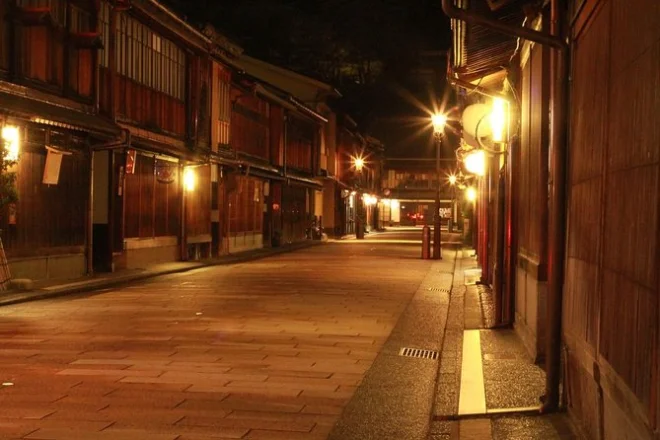
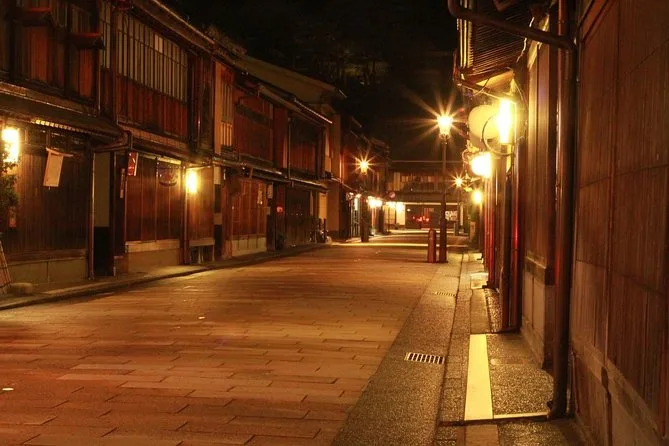
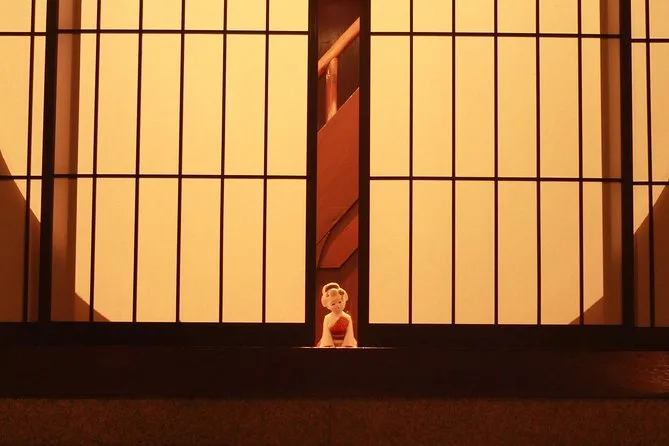
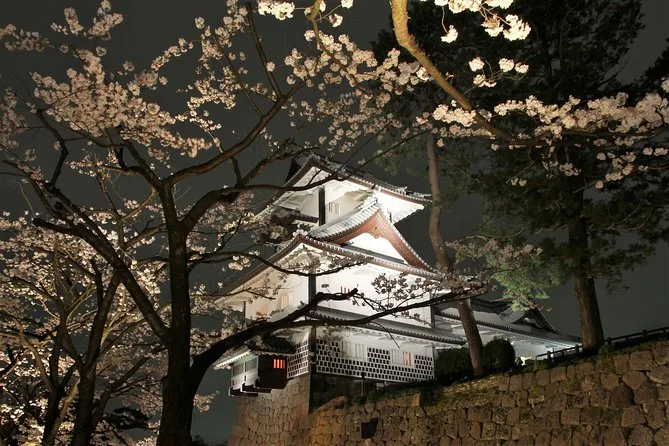
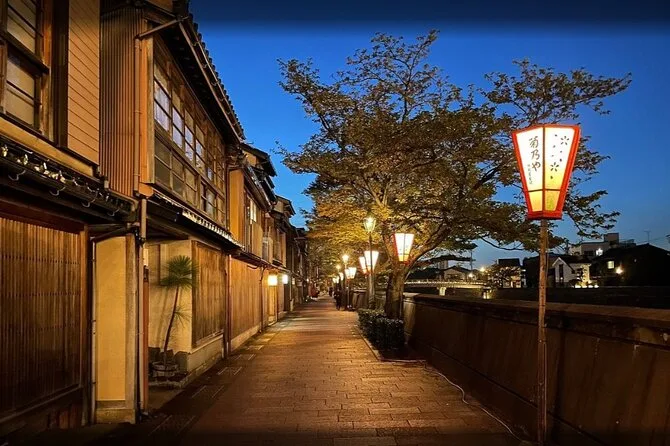
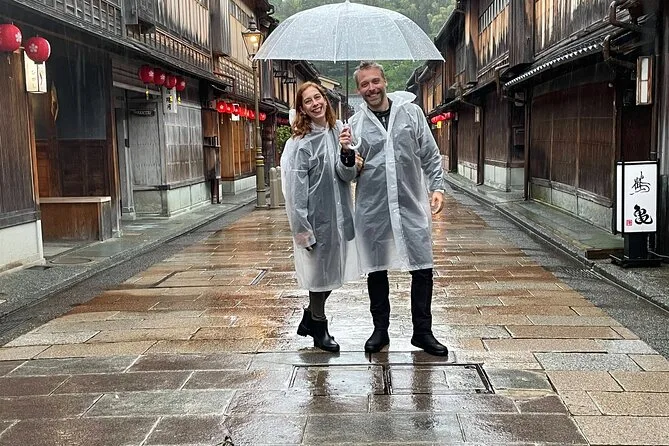
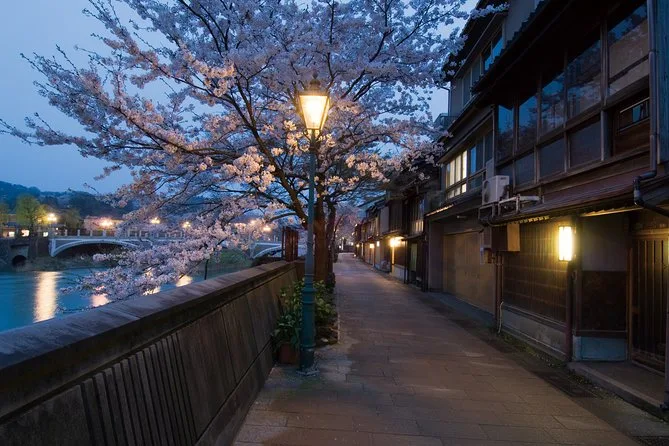
Hands move across a wooden counter, arranging small plates in a rhythm that says this meal has been made the same way for decades. But first, you're walking. The guide meets your group of maybe five or six people beside the Asanogawa River as the light drains from the streets, and then you're moving through the first geisha district: the one with the tea houses that date back to the Edo period, their wooden facades still intact, their windows glowing. The streets are narrow enough that you notice the sound of your own footsteps, and the guide is talking about what actually happened in these districts, not the polished version, but the real stories. It's 2.5 hours total, and the first part is all walking and listening.
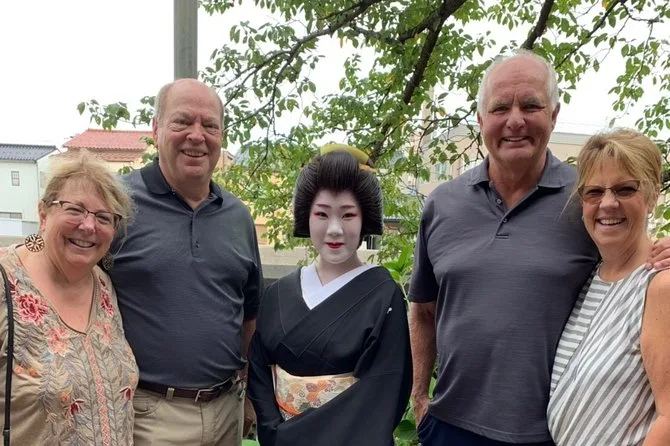
You'll move through two districts: the most famous one, with its lined-up tea houses and the kind of architecture that makes you understand why people come to Kanazawa specifically for this, and then Kazuemachi Chayagai, which is quieter but somehow more atmospheric. The kind of place where you can actually picture the history instead of just reading about it. The guide points out details you'd miss alone: the way the buildings are arranged, what the different decorations mean, which houses were the most prestigious. There's no rushing. You're not herded through. You're actually shown something.
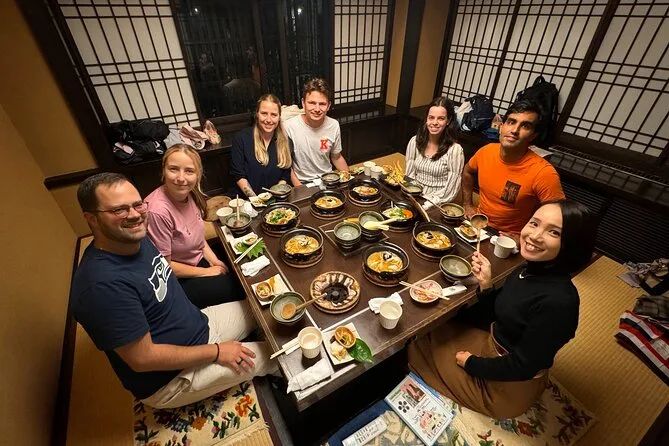
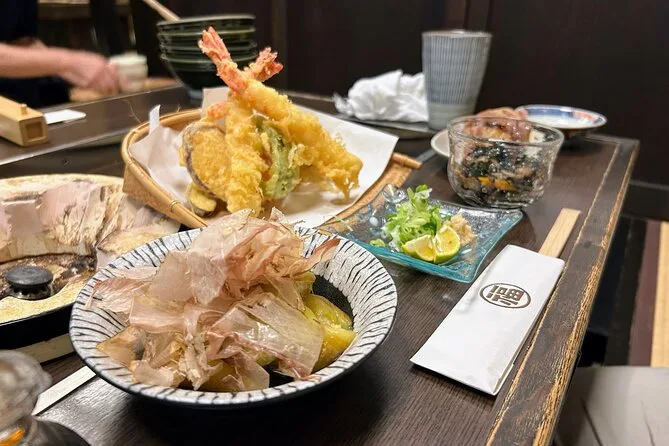
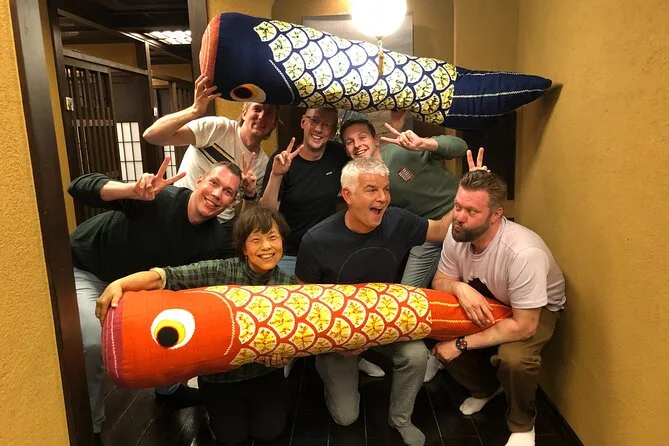
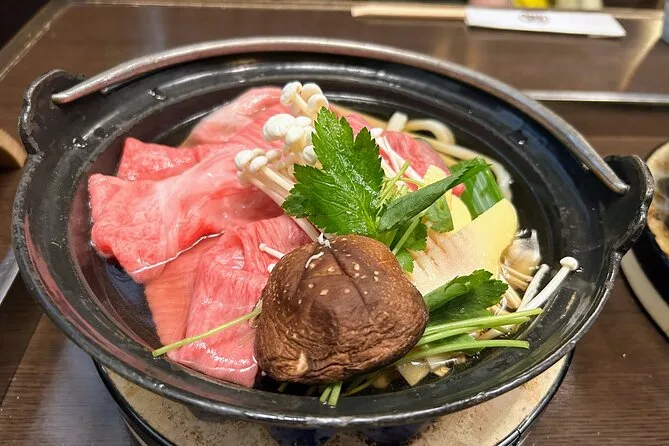
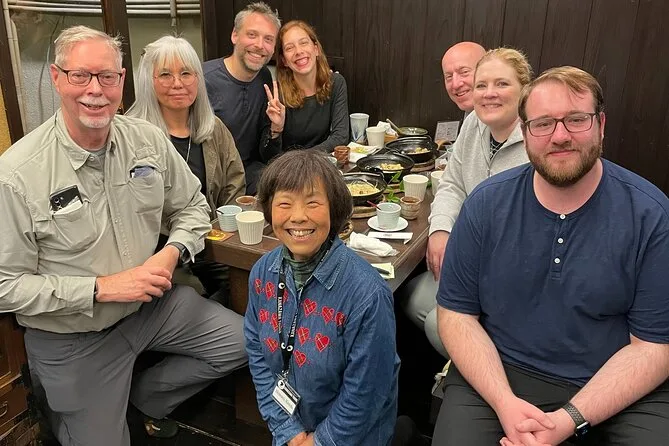
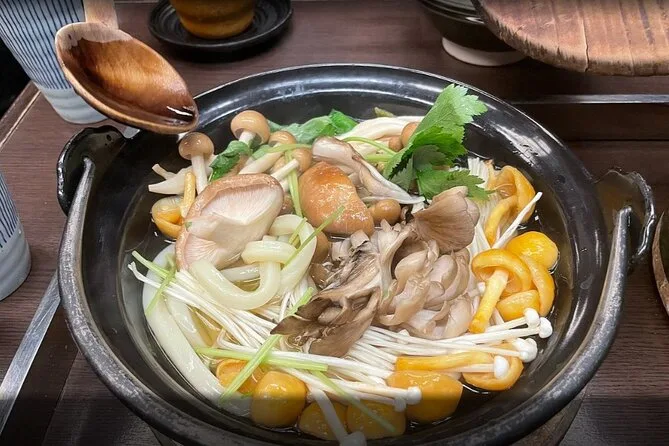
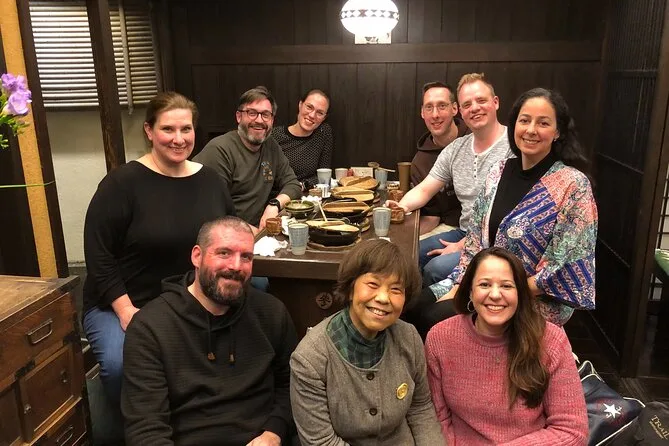
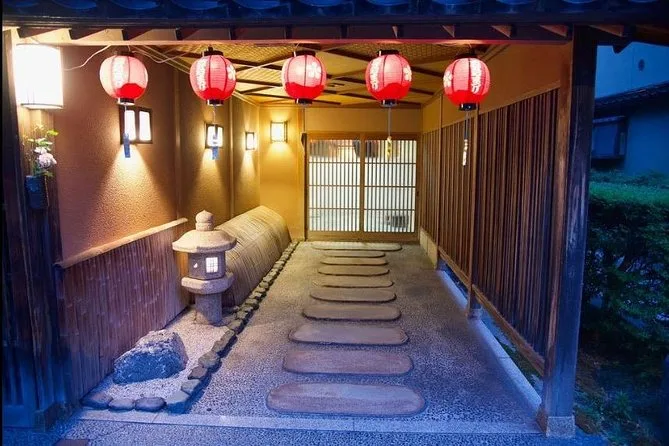
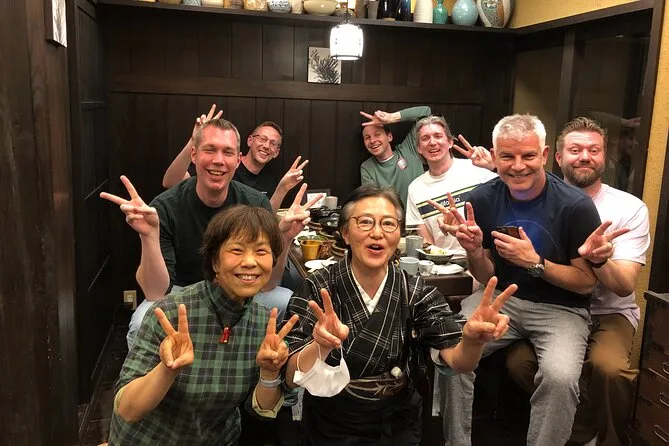
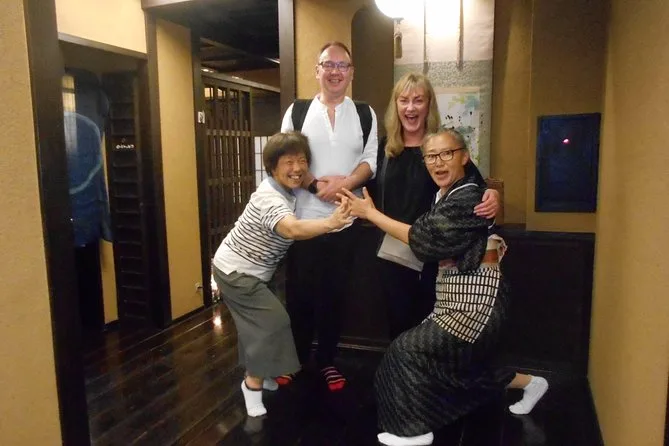
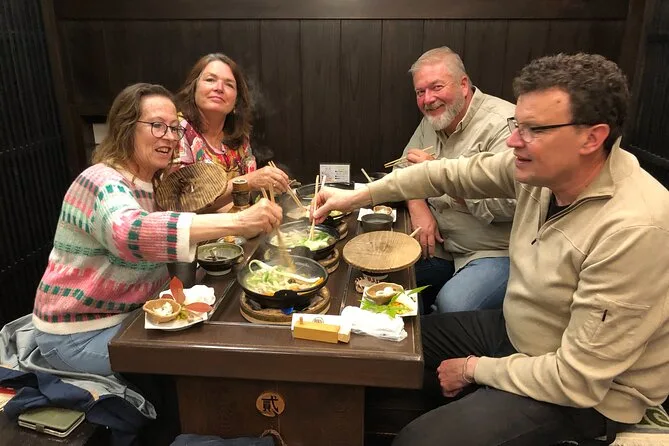
Then you sit down. The restaurant is in the area, and the meal is a full three courses (not a tasting plate, an actual dinner) with drinks included. You're eating with your group, the same people you've been walking with for the last hour and a half, so it doesn't feel like you're being seated with strangers. The dishes change with the season, so what you get depends on when you go, but it's always local and it's always the kind of food that tastes like someone knows what they're doing. The guide is still there, still talking, still part of the evening rather than clocking out once the walking part ends.
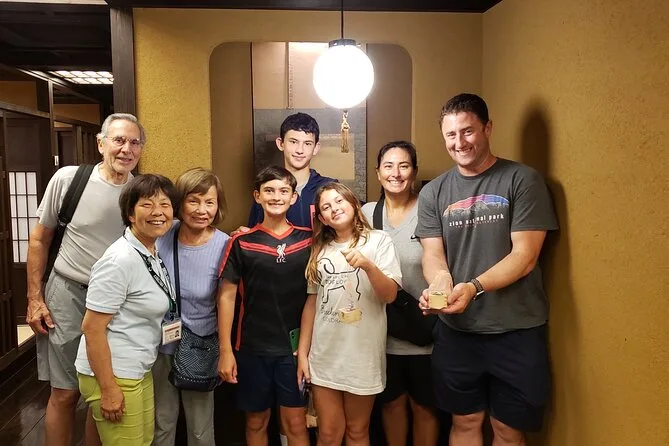
Small groups matter here. Three to eight people means you can actually hear the guide and ask questions without feeling like you're holding up a line of fifty. The professional guide is included, the meals are included, the drinks are included. Nothing gets added to the bill at the end. You show up at the river, you walk, you eat, you're done.
What’s included
Your evening includes a professional guide, entry and access to both geisha districts, a full three-course traditional Japanese dinner at a local restaurant, alcoholic beverages, and all taxes and fees. The meal dishes vary seasonally based on local availability.
Before you book
Prices and times updated today
Operated by Kanazawa Tours
Is this one for you?Right for travelers who want to see the real geisha districts of Kanazawa without arranging transport or a restaurant reservation separately. The guide handles the route and the meal is already booked, so you show up and the evening unfolds.
Traveler reviews
Top questions
What time does the Kanazawa night tour start?
The tour meets at the starting point beside the Asanogawa River. Specific start times are confirmed when you book.
How many people are usually in the group?
Groups are small, typically 3 to 8 people, with one professional guide.
What's included in the meal?
A full three-course dinner and alcoholic beverages. The specific dishes vary by season.
Can I do this tour if I have dietary restrictions?
The tour is not suitable for strict vegan diets, celiac disease, or severe peanut or nut allergies. Contact the operator before booking if you have specific dietary needs.
How long is the walking part of the tour?
The entire tour is 2.5 hours, which includes walking through both geisha districts and the seated meal.
Which geisha districts do you visit?
You explore Kanazawa's most famous geisha district with its Edo-era tea houses, and then Kazuemachi Chayagai, another traditional teahouse district.
Is the guide included?
Yes, a professional guide is included throughout the entire tour.
Can I bring children?
Infants and small children can be accommodated in a pram or stroller. The tour is suitable for all physical fitness levels.
Kanazawa Geisha Districts Night Tour & 3-Course Dinner
2h 30m · EN
from JP¥ 16,000 per person
4.89215 reviewsVerified traveler reviews via our booking provider