
Amanohashidate & Ine Funaya: Full Day from Kyoto


Two villages that feel a world away from Kyoto's crowds
You travel north from Kyoto to see two of Japan's most photographed coastal landscapes in a single day. The trip includes a chairlift ride to the Amanohashidate observation deck, a walk through the boathouse village of Ine, a bay-view cafe stop, and a 25-minute sightseeing cruise where seagulls land on the boat. Round-trip transfer and a professional guide are included; optional ticket package covers chairlift and cruise entry.
 9h
9h

Step-by-step itinerary
Explore Ine Village and Amanohashidate
- Visit Ine fishing village and Funaya
- View Ine Bay from Funayanosato Park
- Enjoy coffee at Ine Cafe
- Walk through Ineura Park
- Take sightseeing cruise in Ine Bay
- Ascend to Amanohashidate observatory
- Visit Chionji Temple at sandbar entrance
- See rotating bridge at Amanohashidate
- Stroll along Amanohashidate white sand beach

The Experience
Most travelers stay in Kyoto and never leave. The ones who do take this full-day trip north to Amanohashidate and Ine Bay—and they come back talking about something completely different from the temples they saw that morning. Amanohashidate, which means "bridge to heaven," is one of Japan's three most scenic views: nearly 8,000 pine trees line a sandbar that stretches across Miyazu Bay, and from the observation deck above, it really does look like a dragon rising toward the sky. The chairlift ride up takes a few minutes, and the view from the top is the kind of thing that makes you understand why people have been coming here for centuries.
Ine Bay is the part that stays with you longer. It's a fishing village on the coast of the Sea of Japan, about an hour from Amanohashidate, and it has around 230 traditional boathouses—funaya—stacked along five kilometers of shoreline. These aren't museum pieces; they're still lived in. The first floor sits almost at water level and holds fishing boats and gear; the second floor is where families actually live. Some have been standing for over 300 years. You walk through Ineura Park to see them up close, stop at Ine Cafe for coffee with a view, and then take a 25-minute sightseeing cruise around the bay itself. The seagulls follow the boat the whole way, and you can buy food to feed them by hand—it's one of those small moments that feels less touristy than it sounds.
The day runs long—over ten hours from pickup to drop-off—but it moves at a pace that lets you actually absorb each place instead of rushing through. Your guide handles the route and timing, and if you book the ticket package, entry to the chairlift and the sightseeing cruise are already covered. The transfer is round-trip from either Kyoto or Osaka, so you don't have to figure out trains or rental cars to reach places that aren't easy to get to on your own.

What’s included
Your day includes round-trip transfer from Kyoto or Osaka in an air-conditioned vehicle, a professional guide for the full duration, entry to Amanohashidate View Land with chairlift access, a 25-minute sightseeing cruise around Ine Bay, and time to explore the boathouse village and Ine Cafe. If you book the ticket package, sightseeing cruise and chairlift entries are covered; otherwise, you pay these separately on the day.
Operated by F Trip
Is this one for you?Choose this if you want to see two of Japan's most famous coastal views in one trip without arranging trains, transfers, or tickets yourself—the fixed itinerary and included guide are what make it possible to reach places that aren't easy to get to alone.
Traveler reviews
Compare the 13 similar options
 Amanohashidate & Ine Funaya: Full Day from Kyoto★ 4.69 (148)9hEN · CMJP¥ 8,649
 Kyoto E-Bike Tour: Hidden Temples and BackstreetsE-bike tour through Kyoto's backstreets and gardens visiting Nanzen-ji Temple, Philosopher's Path, and Shimogamo Shrine with a guide for four hours.★ 4.96 (164)4hENJP¥ 15,697View ›
 Kyoto: Early Morning Fushimi Inari & Bamboo Grove TourFeel Kyoto’s quiet side on an early morning tour—walk Fushimi Inari’s red gates, wander Arashiyama’s bamboo forest, and visit Tenryu-ji Temple with an English-speaking guide.★ 4.99 (268)4h–5hENJP¥ 14,600View ›
 Kyoto Private Day Trip: Golden Pavilion & Fushimi Inari with DriverPrivate Kyoto day trip with English-speaking driver. Visit Golden Pavilion, Fushimi Inari's red torii gates, temples and Nishiki Market. Hotel pickup included.★ 4.96 (72)8h–10hJP¥ 75,347per groupView ›
 Nara Day Trip from Kyoto: Private Vehicle & Cultural TemplesPrivate Nara day trip from Kyoto with hotel pickup, Todai-ji Temple, Nara Park deer, and Mt. Wakakusa views. English-speaking driver, no group crowds.10hENJP¥ 62,161per groupView ›
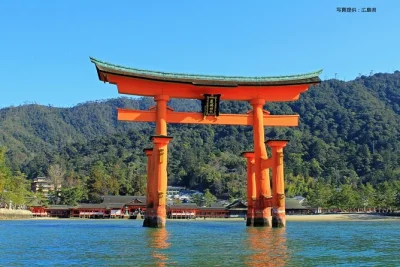 Hiroshima & Miyajima 1-Day Tour from Kyoto with ShinkansenShinkansen from Kyoto at 8:03am, ferry to the Great Torii Gate, 90 minutes in Hiroshima Peace Memorial Museum, 90 minutes at Omotesando Street. Guide included, back by 6pm.★ 4.85 (225)8h–12hENJP¥ 14,450View ›
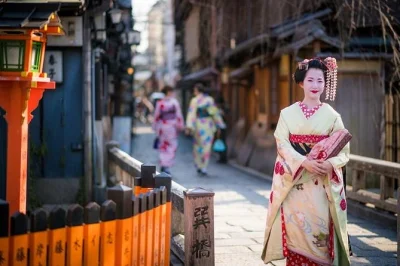 Kyoto: Temples & Tea with Licensed Local GuideHalf-day walking tour of Kyoto temples, shrines, and tea ceremonies with English-speaking guide. Visit 2–3 sites in 4 hours: Kiyomizu-dera, Gion, Nishiki Market.★ 4.88 (750)4h–8hEN · JAJP¥ 16,500View ›
 Hiroshima & Miyajima Day Trip: Shinkansen, Shrine & OkonomiyakiDay trip from Osaka to Hiroshima and Miyajima with round-trip Shinkansen, guide, museum entry and ferry to the Great Torii Gate.★ 4.85 (381)8h–12hENJP¥ 18,000View ›
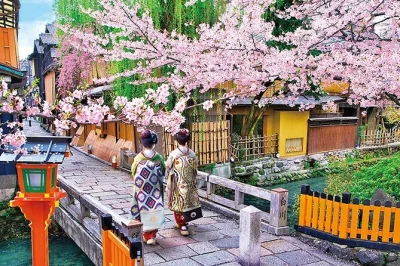 Kyoto: Gion Geisha Walk & Temples at Night with Local GuideWalk Gion after dark with a native guide through lantern-lit alleys, teahouses, and Kennin-ji Temple. 3.5-hour bilingual tour with included snack.★ 4.98 (228)3h 30mENJP¥ 18,837View ›
 Asuka Day Trip from Kyoto: Ancient Capital & Buddhist TemplePrivate tour from Kyoto to Asuka's ancient ruins, Takamatsuzuka Tomb, and Japan's oldest Buddhist temple. Includes guide, entry fees, and hotel pickup.8hENJP¥ 129,189View ›
 Kyoto Gion Walking Tour: Geisha Culture & Hidden ShrinesWalk through Kyoto's Gion district with a local guide spotting geisha on Hanamikoji Street, visiting the 1,000-year-old Yasaka Shrine★ 4.95 (3,796)2hENJP¥ 3,000View ›
 Kyoto Gion Geisha District Walking Tour with Live GuideWalk Kyoto's Gion district at night with a live English-speaking guide who explains geisha training★ 4.87 (2,164)2hENJP¥ 4,709View ›
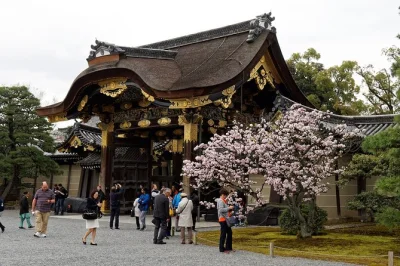 Kyoto Imperial Palace & Nijo Castle Walking Tour: 3 HoursThree-hour guided walking tour of Kyoto Imperial Palace and Nijo Castle with entrance fees included; choose English, Spanish, French or Chinese★ 4.63 (174)3hEN · CM +2JP¥ 5,965View ›
Top questions
How long is the full day trip?
The tour runs over 10 hours from pickup to drop-off, including travel time, stops, and activities.
What's included in the ticket package?
The ticket package covers entry to the Amanohashidate chairlift and the Ine Bay sightseeing cruise. Guide and round-trip transfer are always included.
Can I book this from Osaka instead of Kyoto?
Yes, round-trip transfer is available from designated meeting points in both Osaka and Kyoto.
How much does the sightseeing cruise cost?
The 25-minute sightseeing cruise is 1,200 yen for adults and 600 yen for children. This is covered if you book the ticket package.
What's the chairlift ticket price?
Amanohashidate View Land costs 1,000 yen for adults and 500 yen for children, including round-trip chairlift or monorail access. This is included in the ticket package option.
Can I feed the seagulls on the cruise?
Yes. Food for the seagulls is available to purchase on the boat, and they will take it from your hand.
What's the best time of year to visit?
The boathouses are beautiful year-round. Spring brings cherry blossoms, summer has lush green mountains, autumn shows red leaves, and winter offers snow-covered roofs.
Is this tour suitable for children?
Yes, children can participate. Infants can sit on an adult's lap, and strollers are permitted—notify the operator when booking if you're traveling with a stroller.
What should I bring?
Comfortable walking shoes, a camera, and sun protection. The tour includes an air-conditioned vehicle, but you'll spend time outdoors at each stop.
Amanohashidate & Ine Funaya: Full Day from Kyoto
9h · EN · CM
from JP¥ 8,649 per person
★★★★★★★★★★4.69148 reviews
