
Dharamsala: Dalai Lama Trek & Triund Hill 7-Day Trek
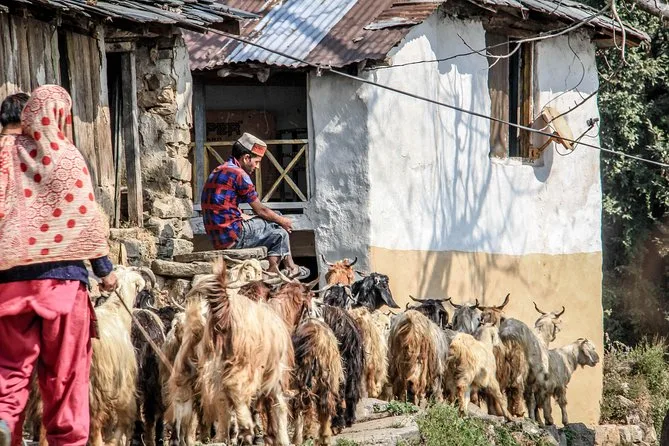

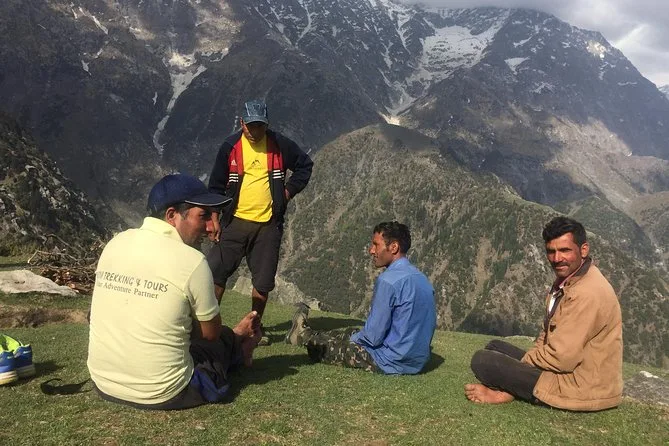
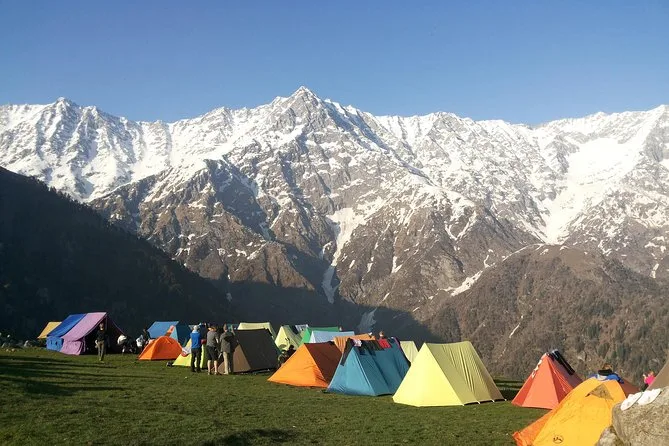
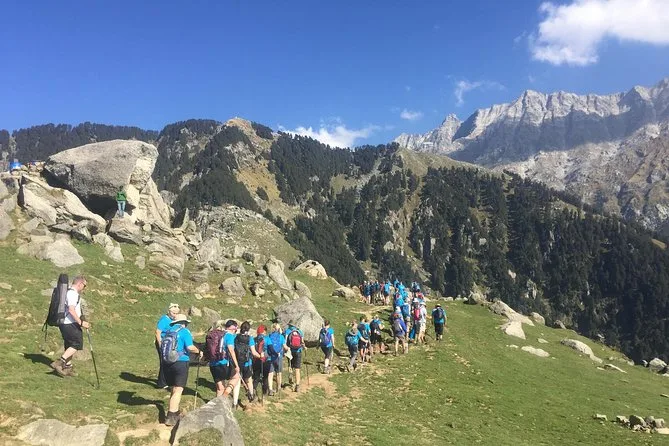
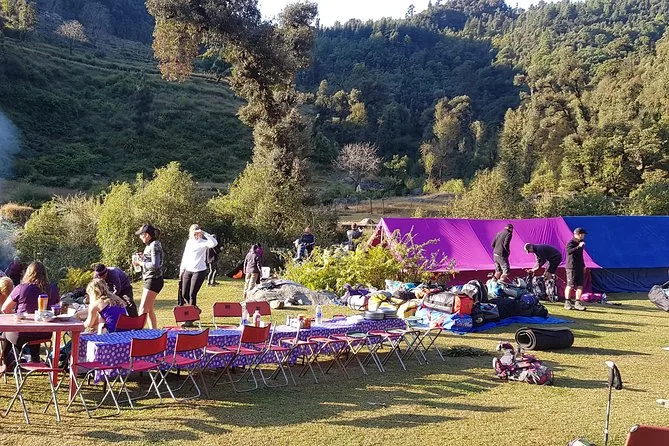

Trek to Triund while Gaddi herders move their cattle through the same high passes
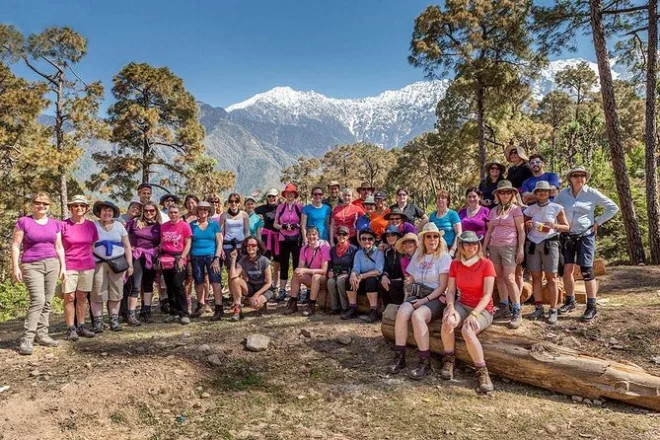
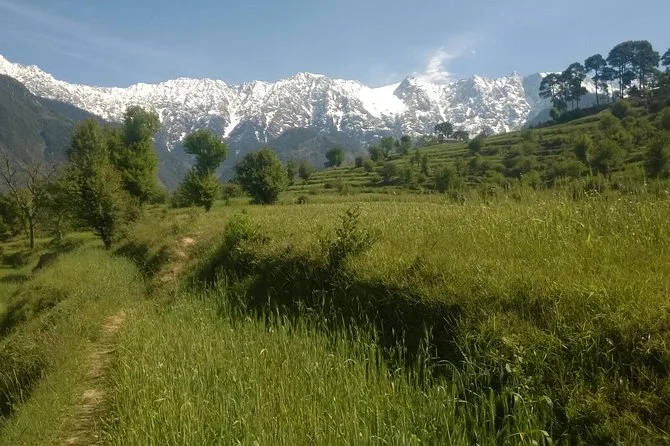
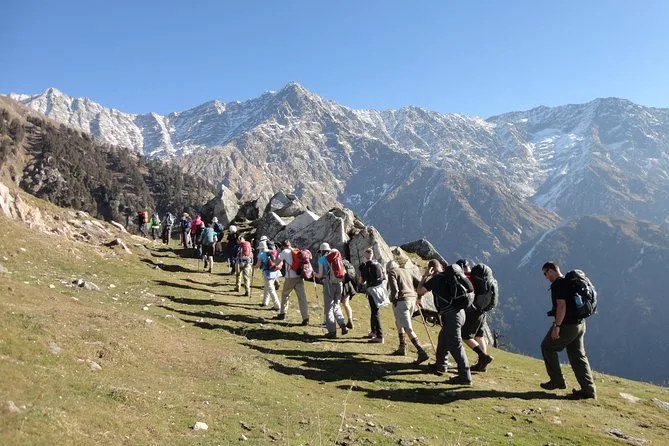
You trek five days from Dharamsala through Gaddi tribal villages and pine forests, camping at altitude and watching herders move cattle through the same high passes. The trek peaks at Triund Hill (2,995m) with views of the Dhauladhar range, and includes an optional climb to Kunal Pathri temple. A guide, all camping and meals, transport, and permits are included; you depart on day seven.
 7d
7d

Step-by-step itinerary
Day 1 — Arrival and Dharamsala exploration
- Pick up from airport or bus station
- Transfer to hotel
- Free time to explore Dharamsala
- Evening briefing for trek
Day 2 — Trek to Kareri Village
- Breakfast at hotel
- Transfer to trek start point
- Trek to Satobari Village
- Descend through pine forests to Ghere Village
- Lunch at mountain stream
- Steep ascent to Kareri Village
- Set up camp by Laund River
Day 3 — Trek to Bal Village
- Breakfast at camp
- Ascend through villages and meadows
- Pass pine forests
- Cross suspension bridge to mountain stream
- Lunch break
- Sharp ascent to Bal Village
- Overnight at camp
Day 4 — Trek to Triund Camp
- Breakfast at camp
- Cross bridge and ascend through forests
- Rest at local chai shop
- Observe Gaddi Tribal people with cattle
- Continue ascent to alpine meadow camp
- Camp facing Dhauladhar mountain range
Day 5 — Ascent to Kunal Pathri Temple
- Breakfast at camp
- Ascend to Snow Line café
- Take trail to meadow and temple
- Visit Shree Kunal Pathri Temple
- Return to Triund camp
Day 6 — Trek to Bhagsu Nag and transfer
- Breakfast at camp
- Trek over grassy ridge
- Steep descent to Bhagsu Nallaha stream
- Cross stream with guide assistance
- Visit Bhagsu Nag temple and springs
- Transfer back to hotel
Day 7 — Departure from Dharamsala
- Breakfast at hotel
- Transfer to airport or bus station

The Experience
The trek starts the morning after you arrive in Dharamsala, the spiritual home of the Dalai Lama and the centre of the Tibetan community in exile. You'll have an evening to walk around McLeod Ganj, the Tibetan quarter, before meeting your guide for a briefing. Then it's into the mountains — first a 12-kilometre push from the hotel through pine forests and villages to Kareri, where you camp by the Laund River. The altitude gain is steady but not brutal; you're building into it over five days of actual trekking.
What makes this trek different is the Gaddi people. They're semi-nomadic herders who spend months moving their cattle up to the high pastures, and you'll see them on the trail — families, animals, the whole migration happening in real time. You pass through their villages, camp near their grazing lands, and on day four, as you climb through rhododendron and pine forests toward Triund, you're walking the same route they take every season. The local chai shop at around 2,400 metres becomes a real moment to sit and watch the mountains and the herds moving past. By day five, you're at 2,995 metres on an alpine meadow facing the Dhauladhar range — snow-capped peaks close enough to feel the scale of them. That morning, there's an optional push to Kunal Pathri Devi Temple at 3,350 metres, a steep two-hour climb that opens views down into the Kangra Valley and back toward Dharamsala itself.
The descent on day six is long — about 7 kilometres down to Bhagsu Nag, where there's a temple and natural springs before your transfer back to town. Your guide handles the route, the permits, the camp setup, and the logistics; you carry a day pack and walk. Nights are in tents at camp, meals are cooked on site, and the whole thing — transport from the airport or bus station, the guide, camping, permits, food — is included. You're not arranging pieces; you're showing up and walking.

What’s included
- Your seven days include hotel pickup from Dharamsala airport or bus station, an English-speaking guide for the entire trek, all camping and lodging arrangements at altitude, meals throughout, trekking permits, and private transport back to town on day six.
- All fees and taxes are covered.
- You'll camp in tents on nights two through five beside rivers and alpine meadows, stay in a hotel on your arrival and departure nights, and trek between 7 and 12 kilometres each day through villages, forests, and high pastures.
Operated by India Trekking Tours
Is this one for you?This trek suits anyone who wants to walk into the Himalayas without arranging permits, camps, meals, or transport separately — the guide and logistics are handled, so you focus on the walk and the mountains. The five-day pace and moderate daily distances work for most fitness levels; altitude builds gradually, and there's no technical climbing.
Traveler reviews
Compare the 5 similar options
 Dharamsala: Dalai Lama Trek & Triund Hill 7-Day Trek★ 4.50 (8)7dENUS$ 399
 McLeodganj Dharamshala Tour: Dalai Lama Temple VisitPrivate 6-hour McLeodganj and Dharamshala city tour with hotel pickup and English-speaking guide option—visit the Dalai Lama Temple Complex★ 4.95 (73)6h–7hENUS$ 43View ›
 Triund Trek from Dharamshala: Forest Hike & Mountain ViewsStart your Triund day trek from McLeodganj, hike forest trails with a local guide, sip chai at hillside stalls, and reach the ridge for Dhauladhar views. Includes entry fees.★ 4.85 (89)7hENUS$ 30View ›
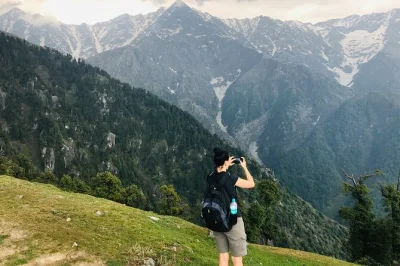 Triund Trekking Experience from Mcleodganj: 2-Day Guided HikeJoin a 2-day Triund trek near Mcleodganj with local guides, forest trails, sunrise views, and camping. Perfect for beginners and nature lovers.★ 4.78 (40)2dEN · HIUS$ 27View ›
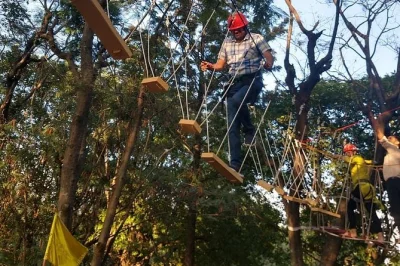 Palampur Tea Top Rope Adventure: 5 Bridge Course ExperienceTry the Tea Top Adventure in Palampur—five rope bridges above tea gardens, all gear included. Safe, guided, and perfect for thrill-seekers of any level.★ 4.81 (21)30mEN · PA +1US$ 5.34View ›
Top questions
How many days is the actual trekking?
Five days of trekking. Day one is arrival and briefing in Dharamsala; day seven is departure. Days two through six include the trek itself, with day six being the descent back to town.
What's the highest altitude reached?
Triund Hill is 2,995 metres. An optional side trip on day five goes to Kunal Pathri Devi Temple at 3,350 metres.
Do I need mountaineering experience?
No. The trek is graded for all fitness levels. It's a hiking trek with steady climbs, not technical climbing. Your guide manages the route and pace.
What about accommodation and food?
You camp in tents at altitude on nights two through five. Meals are cooked at camp. On nights one and six, you stay in a hotel in Dharamsala. All food and camping are included.
Are there rest days?
No scheduled rest days. The trek moves daily from camp to camp, though day five includes an optional excursion (not a full camp move), so you can rest at Triund if you skip the temple climb.
What's included in the price?
Private transport from the airport or bus station, an English-speaking guide, all trekking and camping arrangements, permits, meals, and accommodation (hotel on nights one and six, tents on nights two through five). All fees and taxes are included.
What do I need to bring?
A day pack, warm layers (nights at altitude are cold), trekking boots, and a sleeping bag if you have one (confirm with the operator if one is provided). The guide and operator handle the rest.
Is this trek suitable for someone with no trekking experience?
Yes, it's graded for all fitness levels. The daily distances are moderate (7–12 km), and the guide sets the pace. Acclimatisation happens naturally over the five days.
Dharamsala: Dalai Lama Trek & Triund Hill 7-Day Trek
7d · EN · at your hotel
from US$ 399 per person
★★★★★★★★★★4.508 reviewsVerified traveler reviews via our booking provider
