
Kantamanto & Makola Market Tour: Second-Hand Clothing Trade
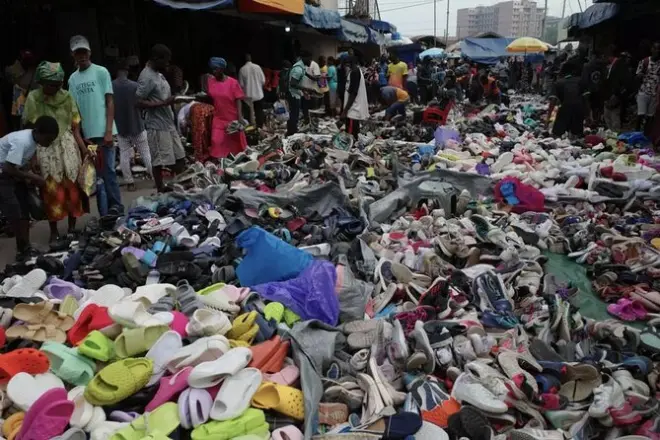


Two markets, 30,000 shops, and the story behind the clothes that arrive in Africa
A guided tour of Kantamanto and Makola Market in Accra explores the second-hand clothing trade and its impact on local garment makers. You walk through West Africa's largest used-clothing market, where 15 million items arrive weekly, then move through Makola's bustling outdoor stalls. A local guide explains the business model and history. You shop as you go and taste fresh coconut, mango or pineapple.
Compare the 12 alternatives
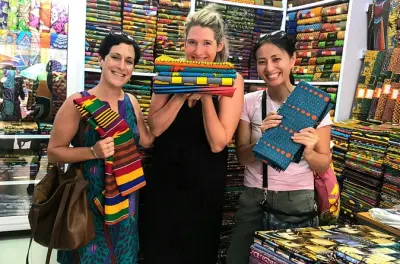 Mokola Market tour from Accra: Local prices with a guideEvery day · All ages★ 4.91 (11)4h–5hENUS$ 110View ›
 Accra Day Tour: Kwame Nkrumah & Makola Market with GuideEvery day · 09:00 · Up to age 79★ 4.86 (421)6hENUS$ 45View ›
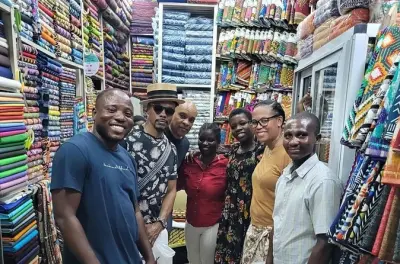 Fabric Tour in Accra: Learn Batik Tie-Dye from a Fashion ExpertMon–Sat · Up to age 80★ 5.00 (3)6hENUS$ 160View ›
 Accra City Tour: History, Markets & Independence SquareEvery day · All ages★ 4.82 (233)6hENUS$ 39View ›
 Accra E-waste Tour: Agbogbloshie Recycling SiteEvery day · All ages★ 5.00 (6)2h–3hENUS$ 100View ›
 Accra: City Tour with Makola Market, Jamestown & Labadi BeachSat and Sun · From age 5★ 4.63 (123)3h–6hENUS$ 95View ›
 Accra City Tour: Markets & Colonial LandmarksEvery day★ 5.00 (27)1h–5hENUS$ 100View ›
 Accra City Tour: Four landmarks and Makola Market with guideEvery day · From age 3★ 5.00 (1)4hENUS$ 85View ›
 Accra City Tour: 5 stops from market to independenceEvery day · 09:30 · From age 5★ 5.00 (8)5h–8hEN · FRUS$ 95View ›
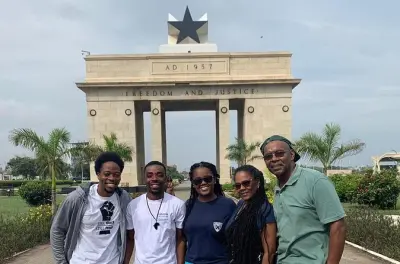 Accra City Tour: Makola Market, Museums & Drumming LessonsEvery day · 09:00 · From age 5★ 4.96 (24)3h–5hENUS$ 80View ›
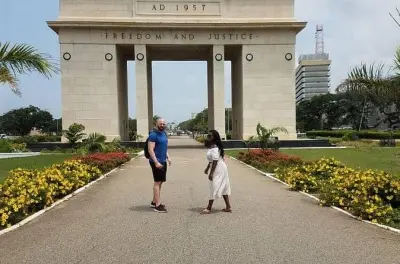 Accra City Tour: Ghana's independence history with local guideEvery day★ 5.00 (5)5h–9hENUS$ 80View ›
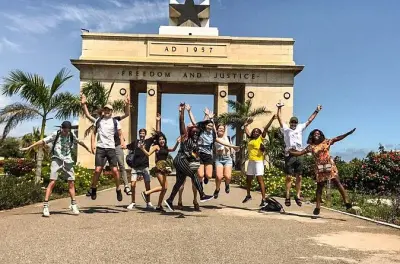 Accra City Tour: Osu Castle, Markets & Independence SquareEvery day · 07:00 · All ages★ 5.00 (2)7hENUS$ 200View › Compare more experiences like this »
Step-by-step itinerary
Explore Accra's local markets
- Visit Makola Market
- Shop and photograph at Makola Market
- Explore Kantamanto second-hand market
- Interact with sellers at Kantamanto
The experience
Kantamanto sits in Accra's central business district and moves roughly 15 million items of used clothing, shoes, bags, belts and hats each week. The market has over 30,000 shops and has operated for more than 60 years. Much of what arrives comes from the West as donated goods: locals call it "Obroni w'awu," meaning "the white man is dead," a phrase rooted in the belief that Western clothing reaches Africa after someone passes away. A guide walks you through the stalls, talks to sellers about how the business works, and points out which items are genuine finds and which are the lowest-quality imports that undercut local manufacturers.
Makola Market, Accra's largest outdoor marketplace, sits in the heart of the city and runs as a mix of indoor and open-air stalls. Women traders work the rows of goods, and the pace is deliberate and social. You move through at your own speed, stop to examine items, and buy what catches your eye. The guide contextualizes what you see: which clothes are locally made, which are second-hand imports, and how the two compete for the same customers. You'll have time to shop for garments, textiles, bags or other items as the tour unfolds.
The tour includes a local guide who speaks English, hotel pickup and drop-off in an air-conditioned vehicle, bottled water, and a tasting of fresh tropical fruit: coconut, mango or pineapple, depending on what's in season. The whole experience runs two to three hours. Children from age five are welcome, and the markets are wheelchair accessible with nearby public transportation options.
What’s included
- Professional local guide in English.
- hotel pickup and drop-off in an air-conditioned vehicle.
- bottled water.
- fresh tropical fruit (coconut, mango or pineapple, depending on season).
- all fees and taxes.
Before you book
Prices and times updated today
Operated by Kwame Tours
Is this one for you?Book this tour if you want to understand how global trade shapes a local market rather than simply browse. The guide's explanation of the second-hand clothing business and its impact on Ghanaian garment makers turns shopping into context, so you see what you're buying and why it matters to the people selling it.
Traveler reviews
Top questions
Can children come?
Yes. Ticket types: Youth (5 to 12 years). Children under 5 can't be included in the booking.
What is Kantamanto market and why do so many second-hand clothes end up there?
Kantamanto is West Africa's largest second-hand clothing market, located in Accra's central business district, and receives approximately 15 million items weekly: used clothing, shoes, bags, belts and hats. Much of this comes from donated goods in the West. Locals call it "Obroni w'awu," meaning "the white man is dead," reflecting the belief that Western clothing reaches Africa after someone passes away. The market has operated for over 60 years and now contains more than 30,000 shops.
How does the second-hand clothing trade affect local garment makers in Ghana?
The tour explores how the influx of low-quality imported second-hand clothing affects locally manufactured garments. Your guide discusses the winners and losers in this market dynamic, showing you which items are locally made and which are imports, so you see firsthand how the two compete for customers in places like Makola Market.
What do I actually do during the tour? Is it mostly walking and looking, or do I get to shop?
You walk through both Kantamanto and Makola Market at your own pace, stopping to examine items and buy what interests you. The guide explains the business model and history as you move through the stalls, and you have time to shop for locally made clothes, textiles, bags or other goods. It's a working market tour, not a passive viewing.
What's included in the tour price, and what should I budget for separately?
The tour includes a professional local guide, hotel pickup and drop-off in an air-conditioned vehicle, bottled water, fresh tropical fruit (coconut, mango or pineapple), and all fees and taxes. Meals and alcoholic beverages are not included, so budget separately if you want to eat at a restaurant or market stall.
Kantamanto & Makola Market Tour: Second-Hand Clothing Trade
2h–3h · EN
from US$ 85 per person
5.001 reviewVerified traveler reviews via our booking provider