
Kakheti Day Tour: David Gareji, Sighnaghi & Rainbow Mountains

One-Day Kakheti Adventure: Monasteries, Wine & Rainbow Hills
If you’re after real Georgian culture—old monasteries carved into cliffs, rainbow-colored hills with barely another soul around, home-cooked food, and stories from locals—this tour covers it all in one easy day from Tbilisi.
 12h
12h

Step-by-step itinerary
Explore Kakheti's Highlights
- Pickup from Tbilisi
- Visit Udabno village and Svan tower
- Trek Rainbow Mountains
- Tour David Gareji Monastery
- Walk Sighnaghi city walls and watchtowers
- Explore Sighnaghi town and taste local wine
- Visit Bodbe Monastery

The Experience
The morning air in Tbilisi always feels a bit crisp before sunrise. We got picked up right from our guesthouse—no hassle with taxis or meeting points. The drive out east is quiet at first, but soon the landscape shifts: dry hills, then open plains. Our guide, Giorgi, kept pointing out little things you’d miss—like the way the grass changes color after rain or how roadside vendors sell homemade churchkhela (those nutty grape snacks) even this early.
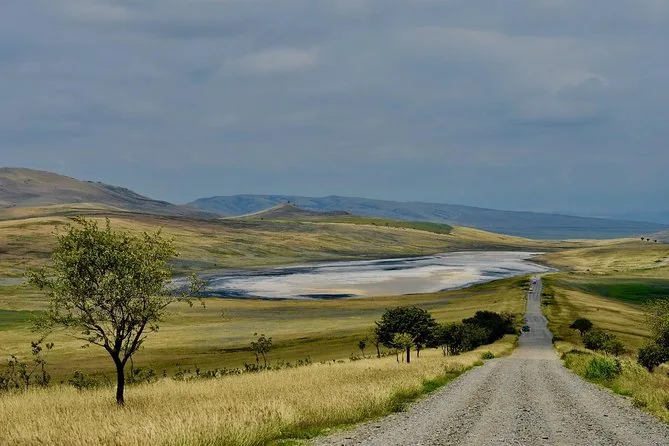
Pulling into Udabno village felt like stepping into another world. It’s tiny—just a handful of houses and a single shop with faded signs. There’s a salty tang in the breeze from the nearby lakes; you can actually taste it if you stand still long enough. Giorgi introduced us to a local woman selling fresh bread from her window—still warm, with that yeasty smell that sticks to your hands. We wandered over to see one of those Svan towers I’d only seen in photos before—shorter than I expected but sturdy as anything.
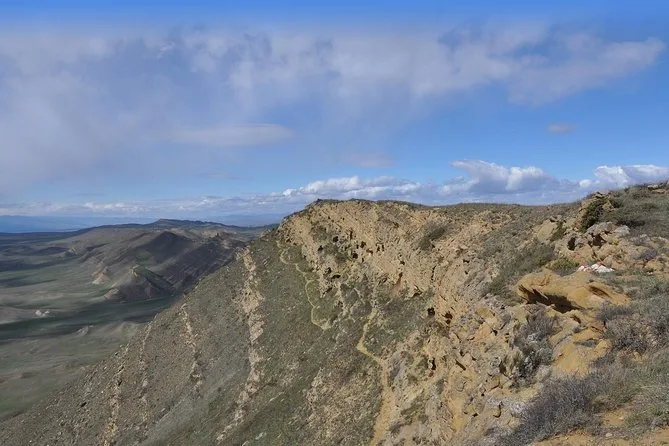
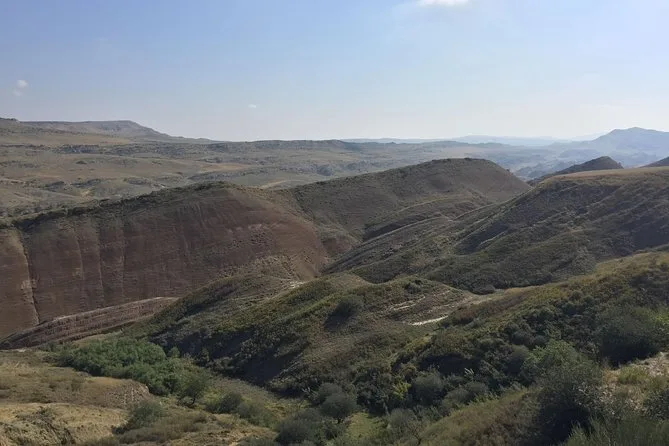
The Rainbow Mountains were next. No crowds here—just us and the wind whistling through the gullies. The colors really do shift depending on where you stand; up close, some rocks look almost purple or greenish-yellow. It’s not just for photos either—you can feel the crunch of mineral-rich soil under your boots. Giorgi explained how these layers formed millions of years ago; he even had a pocket magnifier so we could see flecks of iron and clay in the stones.
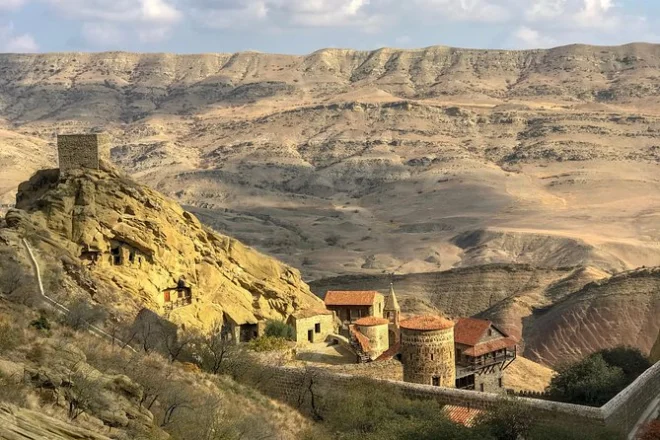
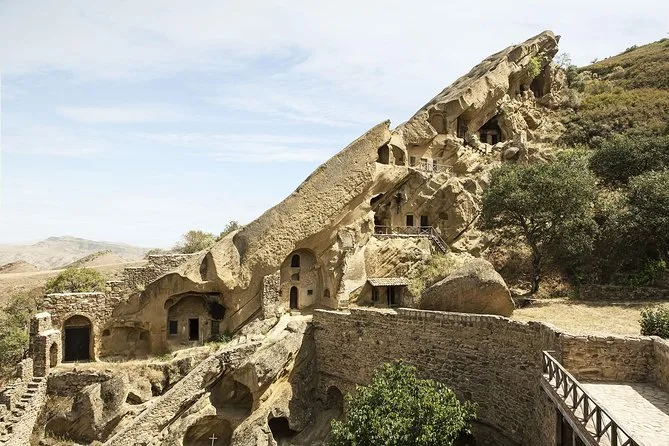
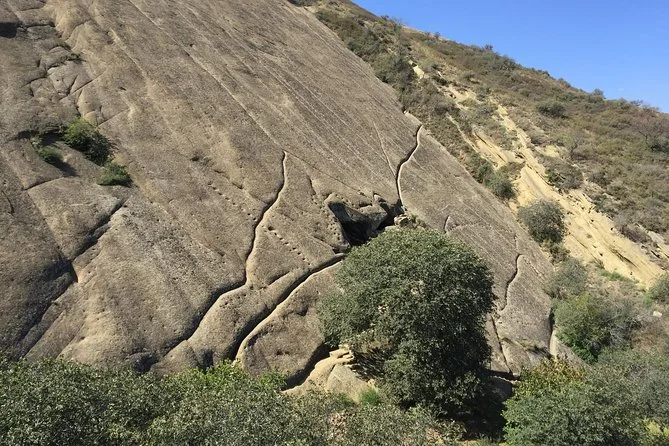
David Gareji Monastery sits right against the rock face—a bit of a climb but nothing too tough if you take it slow. Inside, it’s cool and dim; candle smoke lingers in the air and there’s this faint echo when you speak. Some monks still live here—you might spot them tending little gardens tucked between stone walls. The view back over the colored hills is something else; I found myself just sitting quietly for a while, letting it all sink in.
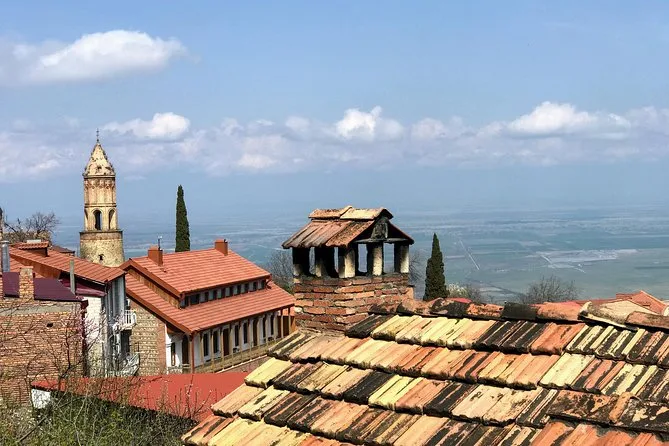
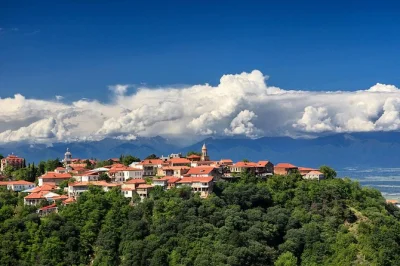
Sighnaghi is totally different—bright houses with wooden balconies painted every shade you can imagine. We walked along part of the old city wall (watch your step on those uneven stones) and climbed one of the watchtowers for a look across Alazani Valley—the vineyards go on forever. Lunch was at a family-run place called Pheasant’s Tears (funny name but great food). We tried khinkali dumplings and sipped homemade wine while locals chatted nearby about last year’s harvest.
Bodbe Monastery was our last stop. It’s peaceful here—the gardens smell like wild mint and roses even late in the day. Inside, frescoes glow softly under low light, and there’s a hush that makes you want to whisper without really knowing why. Our guide told us about St. Nino and her role in Georgian history; you can visit her relics if you want to pay respects.

What’s included
Your day includes an experienced local guide who knows all the hidden corners, bottled water for the road, plus pickup and drop-off right at your hotel or port in Tbilisi. No need to worry about logistics—we handle everything so you can just enjoy Georgia at its best.
Operated by Friendly.ge: Transfers & Tours in Georgia
Traveler reviews
Compare the 5 similar options
 Kakheti Day Tour: David Gareji, Sighnaghi & Rainbow Mountains★ 4.96 (27)12hEN · RUUS$ 120
 Tbilisi to Rainbow Mountains & David Gareja: 4x4 Off-Road Day TripFeel the wild side of Kakheti on a 4x4 day trip from Tbilisi—explore Georgia’s Rainbow Mountains, ancient cave monasteries, and lunch in Udabno. Includes pickup.★ 4.90 (150)9h–11hEN · RUUS$ 60View ›
 Kakheti Wine Tour: David Gareja, Sighnaghi & TastingsPrivate wine tour from Tbilisi through Kakheti's monasteries and Sighnaghi, featuring organic wine tastings and scenic countryside views with hotel pickup.★ 4.98 (150)8h–11hEN · RUUS$ 65View ›
 Kakheti, Kazbegi & Mtskheta: Food, Wine & Culture TourExperience Georgian food, wine, and history in Kakheti, Kazbegi, and Mtskheta with a local guide. Includes hands-on cooking, winery visits, and hotel pickup.★ 5.00 (26)4dEN · DE +1US$ 10View ›
 Kakheti Private Tour: Rainbow Mountains, Gareji & SignagiPrivate day trip from Tbilisi through Southern Kakheti with guide, hotel pickup and wine tasting — walk the Mars-like Rainbow Mountains★ 4.94 (89)9h–11hENUS$ 119View ›
Top questions
Is this tour suitable for someone who isn’t used to hiking?
Yes! Most walks are gentle with only short climbs at David Gareji Monastery. Just wear comfy shoes—you’ll be fine.
Will we have time to try local food or wine?
Absolutely! In Sighnaghi there’s time for lunch at a local spot where you can sample traditional dishes and regional wines.
Are there any dress codes for visiting churches?
Yes—women should cover their heads and wear skirts; men should wear pants when entering Orthodox churches like Bodbe Monastery.
Is this tour safe given its proximity to border areas?
The entire route stays within Georgia and is completely safe for travelers. Your safety is our top priority.
Kakheti Day Tour: David Gareji, Sighnaghi & Rainbow Mountains
12h · EN · RU · at your hotel
from US$ 120 per person
★★★★★★★★★★4.9627 reviews
