
Guayaquil City Tour for Seniors: Malecón 2000 & Parque Seminario


Move through Guayaquil's landmarks without rushing, with a guide who adjusts the rhythm to yours.
A half-day private city tour of Guayaquil with hotel, airport or seaport pickup, local guide in English or Spanish, and air-conditioned transport to the Malecón 2000, Parque Seminario (Iguana Park), the Main Cathedral, and Patrimonial Street Numa Pompilio Llona. The guide adapts the pace to the group, with time built in for photographs, rest and browsing local shops.
 3h–4h
3h–4h

Step-by-step itinerary
Guayaquil city tour for seniors
- Pick up from hotel, airport, or seaport
- Travel by car to Giant Iguana monument
- Visit Bellavista viewpoint for city views
- Walk tour at Seminario Park with iguanas
- See Main Cathedral opposite Seminario Park
- Explore city architecture at notable building
- Learn about Ecuador's sucre currency history
- Discover Guayaquil's strategic independence story
- View Arabic-style public clock tower
- Visit Malecón 2000 by Guayas river
- See historic meeting place of Bolívar and San Martín
- Walk along Patrimonial Numa Pompilio Llona street
- Experience coffee process and taste artisanal coffee

The Experience
The tour starts with pickup from your hotel, airport or seaport, then moves by car to the Bellavista viewpoint for a first look at the city before the walking portion begins. From there, the route takes you through Parque Seminario, where hundreds of iguanas live among the trees and grass—the guide explains how they came to the park and what they do each day. The Main Cathedral sits directly across from the park, and nearby you'll see the architecture that defines Guayaquil's center: the old currency monument honoring the sucre, the clock tower with its Arabic-style design, and the story of how Guayaquil won independence without bloodshed.
The Malecón 2000 waterfront stretches 2.5 km along the Guayas River and is the city's most visited landmark—a mix of history, food and open space where the tour gives you room to move at your own pace. You'll also walk Patrimonial Street Numa Pompilio Llona, the oldest street in the city, with its stone floor and colonial houses still standing. The guide will take you to the spot where Bolívar and San Martín, the liberators of South America, met for the only time. Before heading back, you stop for artisanal coffee and a chance to taste it while you rest.
Transportation is air-conditioned and the guide stays with you throughout, adjusting the stops and timing to how the group is moving. The tour runs three to four hours, with all fees, taxes and return transport included. Wheelchair-accessible vehicles are available, and the operator notes that pregnant travelers should check with the guide about the walking portions before booking.

What’s included
- Private air-conditioned transport.
- hotel, airport or seaport pickup and return.
- local guide in English or Spanish.
- entry to all sites.
- artisanal coffee tasting.
- time for photographs and rest at each stop.
Operated by Free Tour Guayaquil
Is this one for you?Book this tour if you want to see Guayaquil's main landmarks—the Iguana Park, the cathedral, the Malecón waterfront and the oldest street—without the pressure of a fixed schedule. The guide adjusts the pace to the group, so the day moves at a comfortable rhythm with built-in time to rest, photograph and browse local shops.
Traveler reviews
Compare the 5 similar options
 Guayaquil City Tour for Seniors: Malecón 2000 & Parque Seminario★ 4.72 (85)3h–4hEN · ESUS$ 99
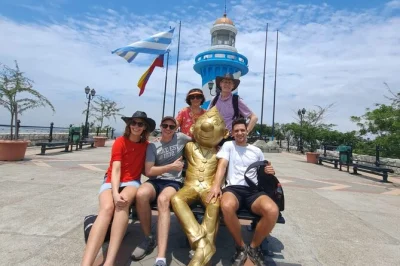 Guayaquil Highlights Tour: Iguana Park, Malecon 2000 & Las PeñasFeel the buzz of Guayaquil with iguanas at Seminario Park, riverside walks on Malecon 2000, and colorful Las Peñas old town. Includes private transport and expert guide.★ 4.99 (197)3h–4hEN · ESUS$ 78View ›
 Guayaquil and Cocoa Farm Class: Learn to Make ChocolateMake chocolate from scratch on a cocoa farm near Guayaquil, then explore downtown landmarks like Seminario Park and Malecón 2000 with hotel pickup and lunch.★ 4.98 (122)7hENUS$ 180View ›
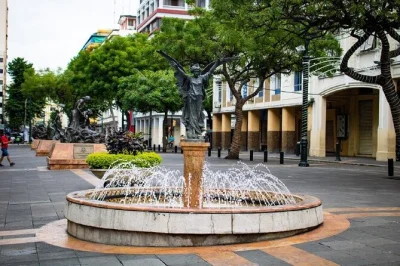 Half Day Guayaquil Walking Tour: Iguana Park & Malecón 2000Explore Guayaquil on foot—see Parque de las Iguanas, Malecón 2000, historic plazas, and museums. Local guide, lunch, and city stories included.★ 4.78 (9)4h–6hEN · ESUS$ 100View ›
 Guayaquil: Cacao Farm Day Trip & Chocolate Making ClassCacao farm 50km from Guayaquil with fruit garden tour, organic lunch, and hands-on chocolate tempering workshop. Hotel pickup included, small groups.★ 4.78 (32)5hEN · ESUS$ 206View ›
Top questions
What is Parque Seminario like when we get there?
Parque Seminario is full of iguanas that live in the trees and grass throughout the park. The guide explains how they came to live there, their daily habits and what makes them notable—it's one of Guayaquil's most famous stops and draws visitors from around the world.
How long does the tour take and what's included in the price?
The tour runs three to four hours and includes private transportation, hotel or airport pickup, a local guide in English or Spanish, all fees and taxes, and return transport to your hotel or airport. Lunch and tips are not included.
Can we stop for photos and rest during the tour?
Yes—the tour is built around an unhurried pace with time set aside for photographs, rest and browsing handmade shops. The guide adapts the rhythm to the group, so you're not moving faster than is comfortable.
What is the Malecón 2000?
The Malecón 2000 is a modern waterfront development stretching 2.5 km along the Guayas River and is Guayaquil's most famous tourist attraction. It combines history, local food and nature in one place, and the tour gives you time to walk and explore it at your own pace.
Where does the pickup happen?
The guide picks you up from your hotel, the airport or the seaport, whichever works for your arrival. Return transport to the same location is included.
Is this tour accessible if I use a wheelchair?
The vehicles are wheelchair accessible and the tour is designed for travelers seeking comfort and a relaxed pace. The walking portions are at Parque Seminario, the cathedral area and Patrimonial Street Numa Pompilio Llona—confirm with the operator which sections work for your mobility needs before booking.
Guayaquil City Tour for Seniors: Malecón 2000 & Parque Seminario
3h–4h · EN · ES · at your hotel
from US$ 99 per person
★★★★★★★★★★4.7285 reviewsVerified traveler reviews via our booking provider
