
Lhasa: 5-Night Train Tour from Chengdu & Potala Palace

The Qinghai-Tibet Train Ride That Takes Two Days to Get There
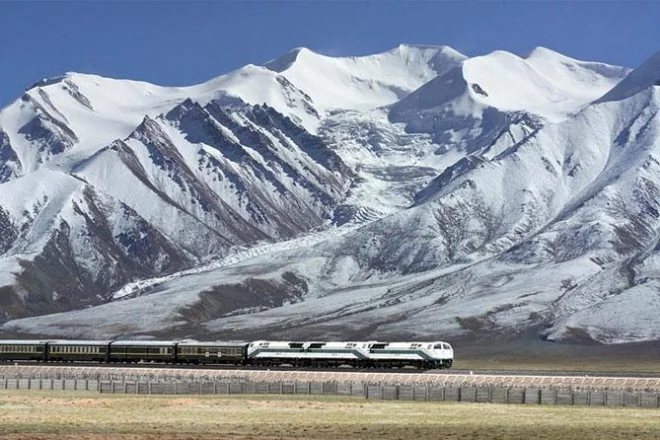
You take a two-night train journey from Chengdu across the Qinghai-Tibet Railway, watching the landscape shift from desert to grassland to snow peaks. In Lhasa, you visit Potala Palace and Jokhang Temple on day three, then spend day four at Drepung and Sera monasteries, where you can watch monks debate in the afternoon. Your guide, hotels, train ticket, permits and transport are all included, which means you don't arrange any of it yourself — you just show up at Chengdu station with your documents.
 6d
6d

Step-by-step itinerary
Day 1 — Train to Lhasa from Chengdu
- Pick up train ticket at Chengdu station
- Present passport, visa, permit, ticket
- Board train departing at 20:00
- Overnight on the train
Day 2 — Train journey through Northwest China
- Travel past Lanzhou and Xining
- Enjoy scenery of Northwest China
- Overnight on the train
Day 3 — Arrival in Lhasa
- Witness scenic views on Qinghai Tibet Train
- Meet tour guide at Lhasa station
- Overnight at 4 stars hotel
Day 4 — Visit Potala Palace and Jokhang Temple
- Tour Potala Palace and see burial stupas
- Have lunch
- Visit Jokhang Temple and observe pilgrims
- Overnight at 4 stars hotel
Day 5 — Explore Drepung and Sera Monasteries
- Visit Drepung Monastery and kitchen
- See Buddhist Sculpture Carving workshop
- Visit Sera Monastery and watch monks debate
- Tour scripture printing house and art
- Overnight at 4 stars hotel
Day 6 — Departure from Lhasa
- Eat breakfast
- Transfer to train station or airport

The Experience
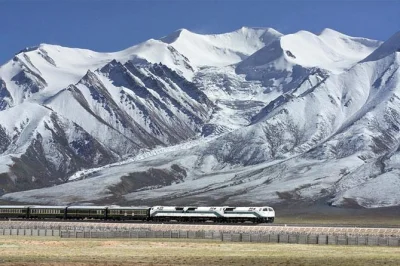
The train leaves Chengdu at 8pm, and you'll spend the first full day watching the landscape change outside your window — Lanzhou and Xining pass by, then the terrain opens up into something you didn't expect. Grassland, desert, snow-capped mountains, high-altitude lakes. The Qinghai-Tibet Railway climbs slowly enough that you feel it happening, not like you're being rushed through it. You sleep on the train both nights before arriving in Lhasa, which sounds long until you realize it's the only way most people get there without flying, and the scenery is the whole point. Your guide meets you at the station once you step off.
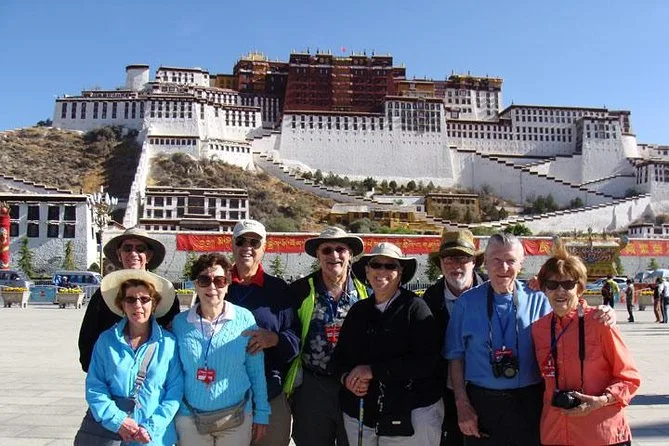
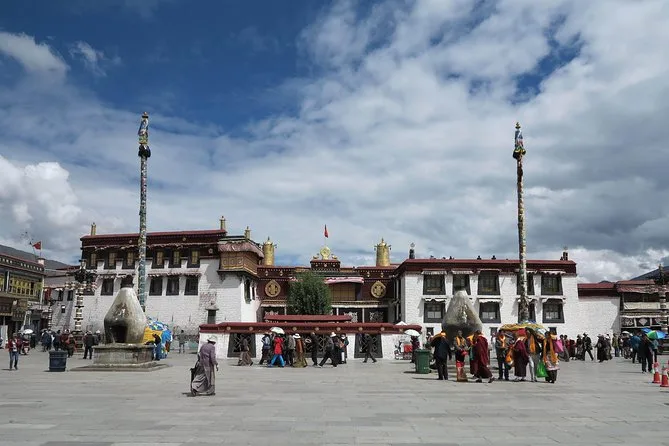
Day three, after you've checked into your 4-star hotel and had a chance to breathe, you head to Potala Palace. It's the winter palace of the Dalai Lamas, built in the 7th century, and the inside holds the gilded burial stupas of former Dalai Lamas and a meditation cave. The scale of it hits differently when you're standing in front of it. After lunch, Jokhang Temple is next — also 7th century, also founded by the same great king of Tibet. You'll see pilgrims making prostrations outside, which is something you can't quite prepare for until you're there. Inside is a statue of Buddha Sakyamuni at age twelve.
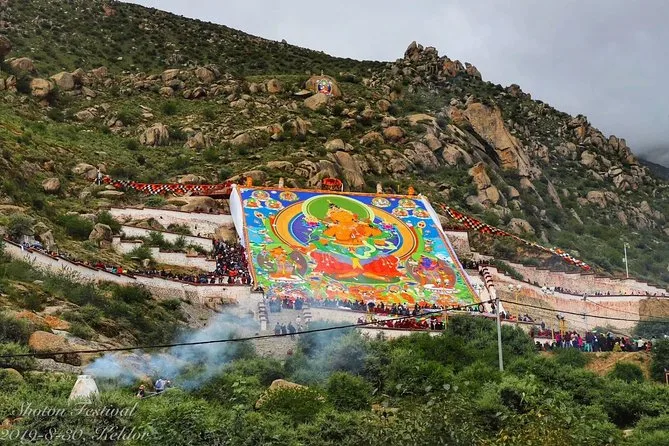
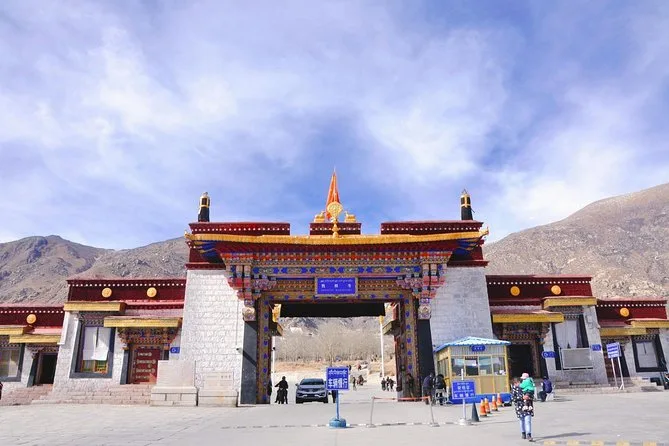
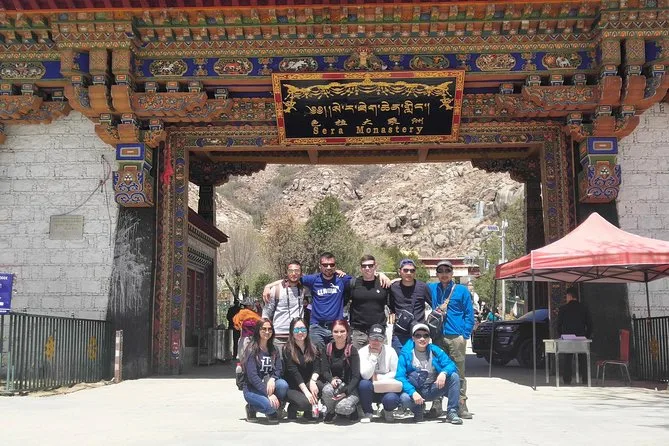
The fourth day splits between two of the "great three" Gelug monasteries. Drepung in the morning, founded in 1416, where you can walk through the biggest monastery kitchen and watch a Buddhist sculpture carving workshop. Sera in the afternoon, where monks debate scripture around 3 to 5pm — that's the draw, and it's worth timing your visit around it. The monastery also has a printing house where they make religious texts by hand, plus three sand mandalas and rock paintings of Buddha throughout. Your tour guide is a local English speaker, and the van or minibus moves between sites with an experienced driver. Everything — the train ticket, the permits, the guide, the hotels — is arranged before you arrive in Chengdu.
One thing to know: if you're traveling between April and October, direct train tickets from Chengdu to Lhasa sell out, so the tour operator books transfer tickets instead — you'll take one train to Xining, then another from Xining to Lhasa. It adds time but doesn't change the experience. You'll need a Tibet Travel Permit to enter, which the operator applies for (usually takes at least 12 days), and you have to bring a photocopy of your passport and China L visa in advance. Once the train ticket is booked, it can't be canceled, so commit to your dates.

What’s included
Your tour includes the train ticket (soft or hard sleeper) from Chengdu to Lhasa, a welcome dinner, three nights in 4-star hotels, transportation by van or minibus with an experienced local driver, an English-speaking Tibetan tour guide, drinking water during the day, the Tibet Travel Permit and other necessary travel permits for Tibet (excluding the Chinese visa), and liability travel insurance.
Operated by China Tibet Train
Is this one for you?This tour is built for travelers who want to see Lhasa's main monasteries and palaces without arranging permits, train tickets, hotels or transport separately — the fixed itinerary and two-night train journey mean you commit to the dates, but everything else is handled for you.
Compare the 4 similar options
 Lhasa: 5-Night Train Tour from Chengdu & Potala Palace6dEN · CMUS$ 815
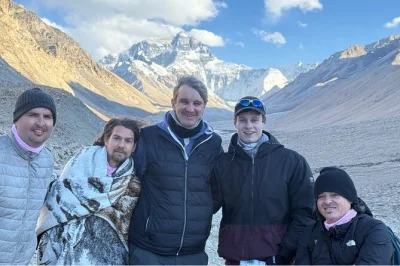 Lhasa to Everest Base Camp: 8-Day Tibet Tour & MonasteriesFeel the high-altitude magic from Lhasa to Everest Base Camp, with Tibetan monasteries, sacred lakes, and local guides. Includes permits, pickup, and breakfast.★ 4.92 (740)8dENUS$ 969View ›
 Tibet: Lhasa to Mount Kailash Trek & Everest Base CampStart in Lhasa, explore sacred monasteries, trek Mount Kailash, and reach Everest Base Camp with pickup, permits, and meals included for a seamless adventure.★ 4.88 (182)15dENUS$ 2,219View ›
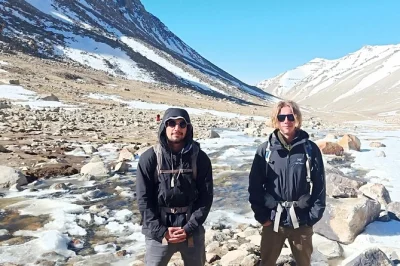 Mt Kailash and Everest pilgrimage tour from Lhasa: 15 daysVisit Tibet's sacred sites including Potala Palace, Jokhang Temple, and Mount Everest Base Camp★ 4.62 (21)15dENUS$ 2,280View ›
Top questions
Do I need a Tibet Travel Permit to book this tour?
Yes. You must have a valid China L visa and a Tibet Travel Permit to enter Tibet. The tour operator applies for the permit on your behalf (usually takes at least 12 days), but you need to provide a photocopy of your passport and China visa in advance.
How long is the train journey from Chengdu to Lhasa?
The train departs Chengdu at 8pm and arrives in Lhasa on day three. You spend two full nights on the train. Between April and October, you may travel on two transfer trains (Chengdu to Xining, then Xining to Lhasa) instead of a direct route.
What are the main sites I'll visit in Lhasa?
Potala Palace (the winter palace of the Dalai Lamas), Jokhang Temple, Drepung Monastery, and Sera Monastery. You'll also watch monks debate at Sera in the afternoon.
Is the tour suitable if I have health concerns?
The tour is not recommended for travelers with spinal injuries, pregnancy, or poor cardiovascular health. It is suitable for all other fitness levels, though the high altitude and train travel should be considered.
What happens if I need to cancel after booking the train ticket?
Once the train ticket is booked, it cannot be canceled by the tour supplier. If you cancel after that point, you will be charged the full cost of the train ticket.
Are meals included in the tour?
A welcome dinner is included. Breakfast is provided on days three, four, and five. Other meals are not included, though your guide can recommend local restaurants.
What's included in the accommodation?
Three nights in 4-star standard twin rooms shared with another traveler. If you're traveling solo, you can pay a single supplement for a double room (subject to availability).
Do I need a Chinese visa before booking?
Yes. You must have a valid China L visa and a passport valid for at least 6 months. The visa is not included in the tour; you arrange it separately before applying for the Tibet permit.
Lhasa: 5-Night Train Tour from Chengdu & Potala Palace
6d · EN · CM
from US$ 815 per person

