
2-Day Private Tour Easter Island: Ahu Tongariki & Rano Raraku


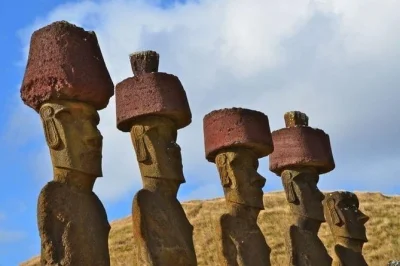
Ahu Tongariki's 15 restored moai rise against the ocean after centuries buried by tsunami.
A 2-day private guided tour of Easter Island's archaeological sites, with hotel pickup and transport included. You visit Ahu Tongariki, Rano Raraku, Orongo Ceremonial Village, Ahu Akivi, Anakena Beach and other major monuments across two full days with a single guide who adjusts the pace to your questions. The itinerary is timed to catch the best light and avoid crowds. You'll need a national park ticket (bought on arrival at the airport) and should bring it with you each day.
 13h
13h

Step-by-step itinerary
Explore Easter Island archaeological sites
- Visit Anakena Beach and moais
- See tallest moai and magnetic rock
- Explore Puna Pau volcano quarry
- Visit Ahu Akivi moai platform
- Tour Tahai ahu platforms
- View Rano Kau volcano crater
- Explore Orongo Ceremonial Village
- See Ahu Tahira rock wall
- Visit Hanga Poukura coastal area and blowhole
- Explore ancient village replica
- Walk among ruins of large ancient village
- Tour Rano Raraku volcano quarry
- Visit Ahu Tongariki moai platform

The Experience
Ahu Tongariki anchors the second day — 15 massive moai restored after an earthquake and tsunami toppled them inland. The guide explains how they were rebuilt and what the statues meant to the island's ancient society. The first day moves through Anakena Beach, where the capital of the ancient civilization stood and the most perfectly preserved moai still stand in the sand after centuries of burial. From there the tour reaches Puna Pau, the small volcano where red scoria stone was quarried for the moai topknots, then Ahu Akivi, the only monument with moai facing the ocean — some say they represent the first seven settlers who arrived a thousand years ago.
Rano Raraku is where virtually all the statues were carved. Hundreds remain unfinished in the volcanic crater, abandoned mid-work as if the carvers simply stopped one day. The guide walks you through the site and explains the scale of production that once happened there. On the first day you also see Orongo Ceremonial Village, built on the ridge of Rano Kau volcano and dedicated to the birdman competition, with views into the crater lake that was a crucial water source in ancient times. Tahai, Vinapu and the coastal blowhole at Hanga Poukura round out the stops, each with its own history of construction technique or spiritual significance.
The guide speaks English or Spanish and arrives at your hotel for pickup. Transport is by air-conditioned minivan, and bottled water is provided throughout the two days. The 13-hour itinerary is structured to catch the best light at each site and minimize the crowds you encounter. Because you're traveling with a private guide rather than a group, you can linger where your interest takes you and ask as many questions as the time allows.

What’s included
- Hotel pickup and drop-off.
- air-conditioned minivan transport.
- a private guide speaking English or Spanish.
- bottled water throughout the two days.
Operated by Easter Island Travel
Is this one for you?Book this tour if you're staying at a hotel on Easter Island without a rental car — the guide picks you up and handles all the driving, so you spend two full days learning the archaeology and history instead of navigating the island yourself. The private format means you move at your own pace and ask questions without a group waiting.
Traveler reviews
Compare the 5 similar options
 2-Day Private Tour Easter Island: Ahu Tongariki & Rano Raraku★ 4.90 (115)13hEN · ESUS$ 560
 Easter Island: Private Day Tour North & West HighlightsFeel the history at Orongo, Anakena Beach, and Ahu Akivi with a private Easter Island tour. Includes hotel pickup, local guide, and flexible stops for questions.★ 4.97 (86)6h 30mEN · ESUS$ 280View ›
 Private Easter Island tour: iconic moai and archaeological sitesPrivate full-day tour of Easter Island starting with hotel pickup, visiting Anakena Beach where the first king landed, Ahu Tongariki's 15 restored moai★ 5.00 (80)6h 30mEN · ESUS$ 360View ›
 Easter Island tour: Tongariki, Rano Raraku & Anakena BeachFull-day Easter Island tour visiting Ahu Tongariki's 15 moai and Rano Raraku quarry where they were carved, ending at Anakena Beach with lunch and hotel pickup.★ 4.64 (70)8hEN · ESUS$ 142View ›
 Hotu Matua Route Tour from Hanga Roa: 15 Moai at Ahu TongarikiFull-day guided tour from Hanga Roa visiting Ahu Tongariki's 15 restored Moai, the Rano Raraku quarry where over 1,000 statues were carved★ 5.00 (1)6h–7hEN · ESUS$ 100View ›
Top questions
What is Ahu Tongariki and why is it the largest monument on Easter Island?
Ahu Tongariki is a ceremonial platform holding 15 massive moai statues standing against the ocean. An earthquake and tsunami toppled them and swept them inland centuries ago; they were restored to their original positions in recent decades and now stand as the island's most imposing archaeological site.
Can I swim or spend beach time at Anakena Beach during the tour?
Anakena Beach is included in the itinerary, but the tour focuses on the archaeological and historical aspects — the restored moai and the ancient capital site. If you want to swim, the guide suggests returning on your own time after the tour ends.
What do I need to bring to Easter Island to join this tour?
You must buy a national park ticket when you arrive at the airport; it is required for all visitors and valid for all archaeological sites and tours. Bring the ticket with you each day of the tour.
How does a private guide change what I see compared to a group tour?
With your own guide, you set the pace and ask as many questions as you want without waiting for a group. The guide can adjust the itinerary to your interests and the timing is optimized to catch the best light and avoid crowds at each stop.
What is Rano Raraku and what will I see there?
Rano Raraku is a volcanic crater where nearly all of Easter Island's moai statues were carved from the rock. Hundreds of unfinished statues remain in the crater exactly where the ancient workers left them, abandoned mid-carving — a striking window into the island's mass production of these megaliths.
Does the tour include lunch?
Lunch is not included in the tour price. Bottled water is provided, and the guide can recommend places to eat during the two days.
2-Day Private Tour Easter Island: Ahu Tongariki & Rano Raraku
13h · EN · ES · at your hotel
from US$ 560 per person
★★★★★★★★★★4.90115 reviews
