
Rio de Janeiro Afro-Brazilian Heritage Tour: Valongo Wharf


Stand at the sites where Rio's Black community reshaped their identity and shaped Brazil's culture.
This 3.5-hour Afro-Brazilian heritage tour in Rio de Janeiro visits Valongo Wharf (a UNESCO World Heritage site and the largest slave port in the Americas) and Pedra do Sal (the birthplace of Samba), guided by a specialist in decolonial narratives of Black history. The tour includes entry to the New Black Institute, operates in small groups, and is led by guides fluent in English, Spanish or Portuguese. Children are welcome from age 8.
More experiences you might like
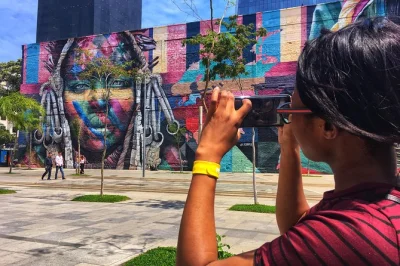 Rio de Janeiro: African Heritage, Samba & Afro-Brazilian FoodTue, Thu, Fri and Sat · 10:00 · From age 4★ 4.98 (42)5hEN · ESUS$ 110View ›
 Rio Little Africa Walking Tour: Slave Trade History & Samba HeritageEvery day · First departure 09:00, last 14:30 · From age 5★ 4.90 (269)3h 30mEN · PT · ESUS$ 86View ›
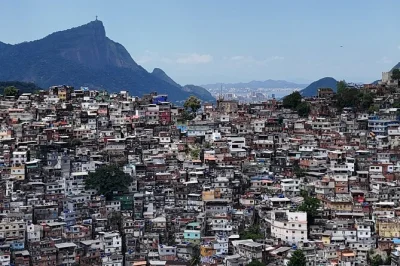 Rocinha Favela Walking Tour Rio de Janeiro with Local GuideMon–Sat · 09:00 and 14:00 · All ages★ 4.93 (255)2hENUS$ 20View ›
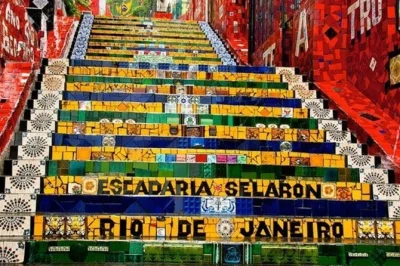 Rio de Janeiro Historical Center: Walking Tour & ArchitectureEvery day · 09:00 and 14:30 · All ages★ 4.51 (382)3hEN · PT · FR · ESUS$ 29View › Compare more experiences like this »
Step-by-step itinerary
Explore Afro-Brazilian heritage sites
- Visit Valongo Wharf
- Tour Institute for Research and Memory of Pretos Novos
- Explore Territory Museum in Gamboa
- See Pedra do Sal landmark
- Visit symbolic Little Africa square
The experience
The tour centers on two anchors of Rio's Black history. Valongo Wharf, now an archaeological site in the port district, was the largest slave port in the Americas. The New Black Institute, located there, holds research and memory of the Pretos Novos (newly arrived enslaved people). Pedra do Sal, in the Saúde neighborhood near Largo da Prainha, is the historical and religious landmark where the Black community built Samba and reshaped their identity after enslavement. Both stops are external visits framed through decolonial narrative: a deliberate shift from how these sites have been told before.
The route also passes through the Territory Museum in the Gamboa region, focused on Afro-Brazilian history and culture, and Largo da Prainha, a square once marked by Black presence and the zungus (informal gathering spaces) and now recognized as one of Rio's coolest neighborhoods. A live guide in your chosen language (English, Spanish or Portuguese) leads groups small enough for real conversation, not a crowd moving through. All entry fees and the New Black Institute ticket are included. You bring only yourself and the willingness to stand in places most Rio tours skip.
Little Africa, the company running this tour, is Black-owned and a trusted partner for Embratur (Brazil's tourism board) and the Black Travel Summit. The tour is part of UNESCO's Global African Diaspora Project. The whole experience runs 3.5 hours, and the operator notes it suits all fitness levels, though they recommend it is not ideal for people with mobility disabilities given the external walking and neighborhood terrain.
What’s included
- Live guide in English, Spanish or Portuguese.
- entry to the New Black Institute.
- all fees and taxes.
- small-group format for meaningful conversation.
Options for this experience
5 optionsSee 2 more options
You pick the guide language when booking.
Before you book
Prices and times updated 2 days ago
Operated by Agência Etnias Turismo e Cultura
Is this one for you?Book this tour if you want to understand Rio's Black history through sites most visitors never reach and narratives most guides don't tell. The small-group format and specialist guide make the difference between walking past these places and standing in them with someone who knows why they matter.
Traveler reviews
Top questions
What languages is the tour guided in?
Live guide in English, Spanish and Portuguese.
Can children come?
Yes. Ticket types: Child (8 to 11 years). Children under 8 can't be included in the booking.
What happens if it rains?
It may be canceled due to bad weather. If that happens, you're offered another date or a refund. Free cancellation up to 24 h before the start.
What exactly is Valongo Wharf and why does it matter to this tour?
Valongo Wharf is a UNESCO World Heritage site in Rio's port district and was the largest slave port in the Americas. The tour visits it as an archaeological site and includes entry to the New Black Institute, which documents the history of the Pretos Novos and holds research on this period. It is the historical anchor of the entire experience.
Is Pedra do Sal just a historical site, or is there something specific about it I should know?
Pedra do Sal is the birthplace of Samba and a historical and religious landmark in the Saúde neighborhood. It is where the Black community reshaped their identity after enslavement and profoundly influenced Brazil's national culture. It is not a museum but a living neighborhood site with real cultural weight.
What does "decolonial narrative" mean in the context of this tour?
Decolonial narrative means the guide tells Black history from a perspective that centers Black agency and resistance rather than the colonial or erasure-focused versions often taught. The tour deliberately reframes sites like Valongo Wharf and Pedra do Sal to show how the Black community shaped Rio and Brazil, not just how they were harmed.
What is included in the price, and what should I budget for separately?
All entry fees and taxes are included, plus a ticket to the New Black Institute. Lunch and tips are not included, so plan to eat before or after the tour and bring cash or card for gratuities if you wish.
Rio de Janeiro Afro-Brazilian Heritage Tour: Valongo Wharf
3h 30m · EN · ES · PT
from US$ 81 per person
4.97119 reviewsVerified traveler reviews via our booking provider