
3-Hour Cultural Bicycle Tour in Livingstone


Ride through town and village to learn how people actually live here
A 3-hour guided bicycle tour in Livingstone where you cycle through town and surrounding villages, meeting locals and experiencing their culture and traditions firsthand. A live English-speaking guide leads the route; pickup is included, and the tour welcomes children from age 7. Bring school supplies if you'd like to contribute to local educational resources.
 3h
3h

Step-by-step itinerary
Cultural bicycle tour in Livingstone
- Cycle around town and village
- Interact with local community
- Learn about culture and tradition

The Experience
Three hours on a bicycle takes you around and outside Livingstone town, moving at a pace that lets you see both the urban center and the villages beyond it. The route is built around meeting people—stopping to talk with locals, watching how they spend their day, and picking up the details of their traditions that don't show up in a guidebook. A live guide in English frames what you're seeing and makes the introductions, so the stops become conversations instead of observations.
Bottled water and snacks travel with you, which matters on a bike tour where the rhythm of pedaling and stopping shapes the whole morning or afternoon. The guide handles the route; you handle the bike. Children from age 7 ride along, and the tour suits all fitness levels—the pace adjusts to the group. Pickup is included, so you don't arrange your own transport to the starting point.

What’s included
- Bicycle for the 3-hour route.
- bottled water and snacks.
- live English-speaking guide.
- hotel or accommodation pickup.
Operated by Action Bike Tours And Safaris
Is this one for you?Pick this shared group tour if you want a guide to introduce you to locals and lead the conversations—you ride alongside other travelers and follow their route rather than charting your own.
Traveler reviews
Compare the 13 similar options
 3-Hour Cultural Bicycle Tour in Livingstone★ 4.99 (99)3hENUS$ 50
 Livingstone: Game Drive & White Rhino Walk with Close-Up ViewingFeel the thrill of a Livingstone game drive and walk beside white rhinos in Mosi-oa-Tunya. Includes pickup, park entry, snacks, and expert local guide.★ 4.92 (87)3hENUS$ 85View ›
 Victoria Falls: Zambian & Zimbabwe Side Private TourPrivate Victoria Falls tour from Livingstone covering both Zambian and Zimbabwe sides. Includes transport, guide, rainforest walks, and bridge viewpoint. Full day.★ 4.68 (19)5h 20mENUS$ 75View ›
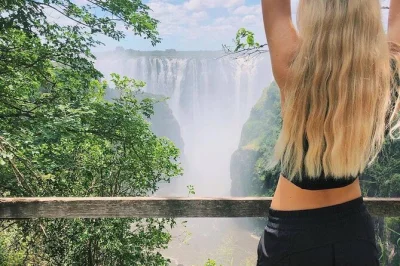 Victoria Falls: Guided tour from Zambia with crafts stopExperience Victoria Falls from the Zambia side on a guided tour with local stories, snacks, and a visit to the art & crafts center. Includes pickup.★ 4.93 (15)3hENUS$ 58View ›
 Victoria Falls Zambia & Zimbabwe: Cross-Border Guided TourSee Victoria Falls from both sides in one day with a licensed guide. Includes border crossing, Knife-Edge Bridge, Main Falls viewpoints, transport, water and snacks.★ 5.00 (9)5hENUS$ 174View ›
 Victoria Falls Zambian Side: Guided Tour & Rainforest WalkGuided tour of Victoria Falls from the Zambian side with rainforest walk, 16 viewpoints, wildlife spotting, and arts center visit. Hotel pickup, raincoats provided.★ 4.93 (15)3hENUS$ 80View ›
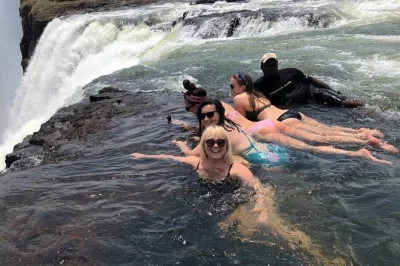 Devil's Pool Livingstone: Swim at Livingstone Island edgeJump into Devil's Pool on the lip of Victoria Falls with only centimeters of water between you and the edge. Includes breakfast and morning boat transport from Livingstone.★ 4.43 (23)2hENUS$ 240View ›
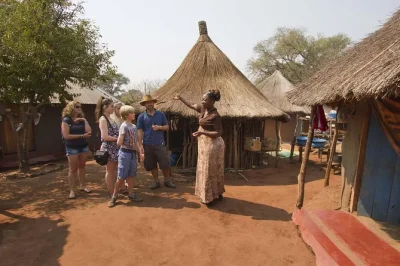 Mukuni Village Cultural Tour Livingstone: Meet the Leya PeopleVisit Mukuni Village for 3 hours with the Leya people. Learn their livelihoods and culture, tour Chief Mukuni's Palace★ 3.69 (13)2h–3hENUS$ 51View ›
 Victoria Falls Livingstone: Zambian Side Guided Tour & CultureGuided tour of Victoria Falls from Livingstone with air-conditioned transport. Hear Tonga culture stories at Boiling Pot and Batoka Gorge. All fees included.★ 4.00 (1)2hENUS$ 60View ›
 Victoria Falls Livingstone: Guided Tour & Photography TipsGuided Victoria Falls tour from Livingstone with expert insights, rainforest walk, Boiling Pot viewpoint & park fees included. 1 day, small groups.★ 5.00 (5)2hENUS$ 65View ›
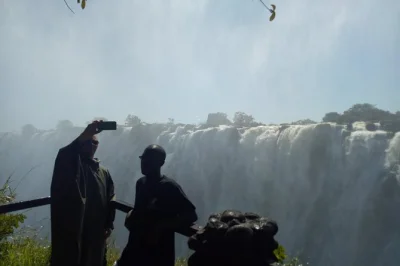 Victoria Falls Livingstone: Guided Tour with Rainforest & Knife Edge BridgeSee Victoria Falls from multiple viewpoints with an English-speaking guide, including the rainforest, boiling pot, and Knife Edge Bridge. Zambian border transfer included.★ 5.00 (3)1h–2hENUS$ 55View ›
 Livingstone: Victoria Falls & Rhino Walk Safari TourVictoria Falls tour from Livingstone covering Zambia and Zimbabwe sides, game drive in Mosi-oa-Tunya National Park, white rhino safari. Includes pickup, meals, border assistance.★ 4.00 (2)10h 30mENUS$ 249View ›
 Victoria Falls Livingstone: Guided Zambia Side Tour & TransfersPrivate Victoria Falls tour from Livingstone with guide, rainforest trails, and hotel pickup. Half or full day, small groups, wheelchair accessible.★ 5.00 (1)2hENUS$ 35View ›
Top questions
What's the actual route like on this bicycle tour in Livingstone?
The route cycles through Livingstone town and the villages outside it, letting you see both the built-up center and the surrounding communities. You stop to meet locals and learn about their daily life and traditions rather than rushing past landmarks.
How does a guide help on this 3-hour bike tour?
A live guide who speaks English leads the entire route, making stops to introduce you to locals and explain the culture and traditions you're seeing. The guide's presence is what turns the ride into a cultural exchange instead of a solo bike trip.
What should I bring on the bicycle tour?
Bottled water and snacks are provided during the tour. If you'd like to bring school supplies—pens, pencils, notebooks or other educational materials—the guide will direct your donations to local schools working to improve their resources.
Can children join this bicycle tour in Livingstone?
Children are welcome from age 7 and up. The tour is suitable for all fitness levels, so the pace works for mixed-age groups riding together.
How does pickup work for this tour?
Pickup is included in the tour price, so the guide or driver will collect you from your accommodation and bring you to the starting point. Public transportation options are also available nearby if you prefer to make your own way.
3-Hour Cultural Bicycle Tour in Livingstone
3h · EN · at your hotel
from US$ 50 per person
★★★★★★★★★★4.9999 reviewsVerified traveler reviews via our booking provider
