
Ha Giang Loop 3 Days 2 Nights: Motorbike Tour from Hanoi


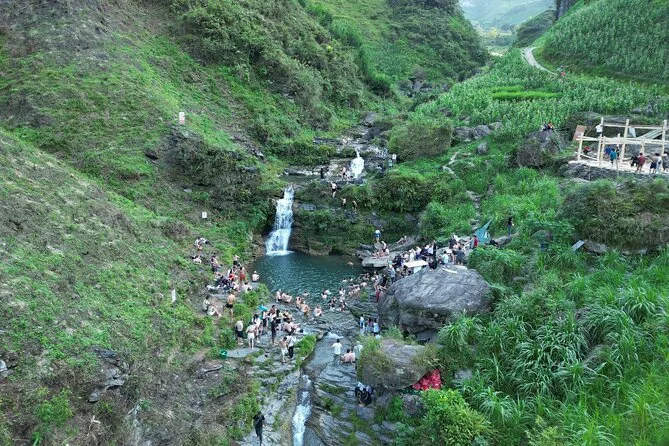
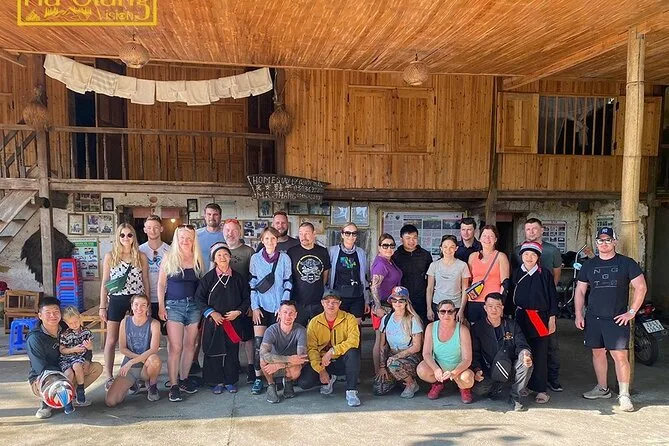


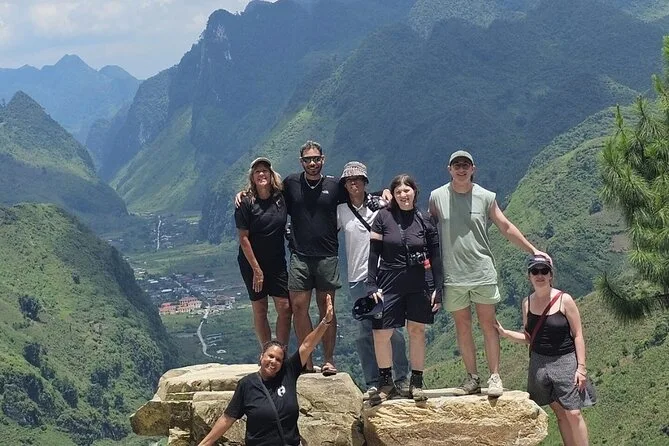
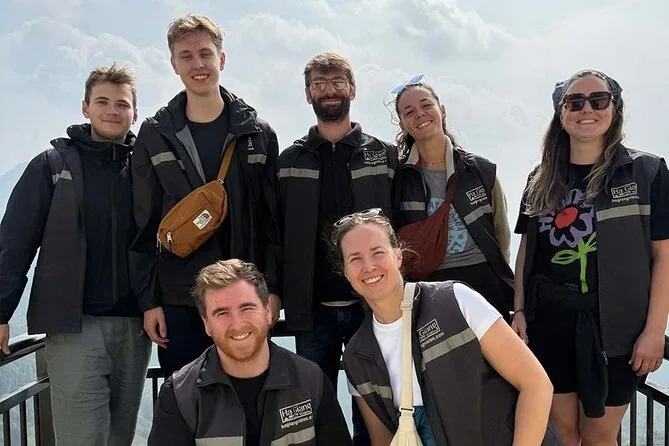
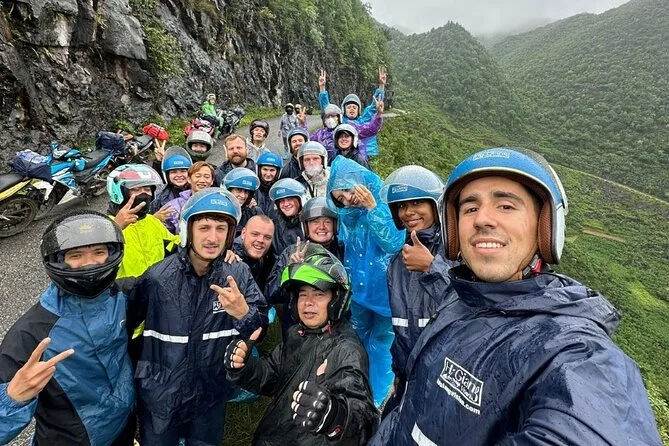
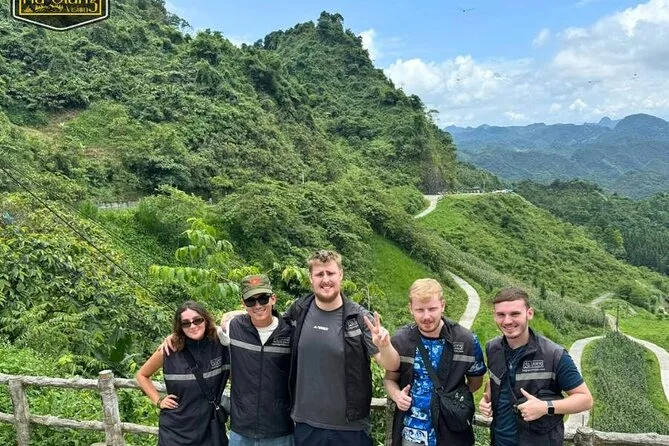
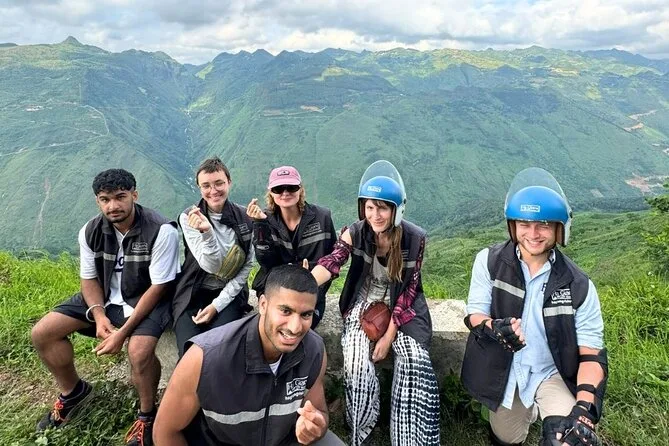
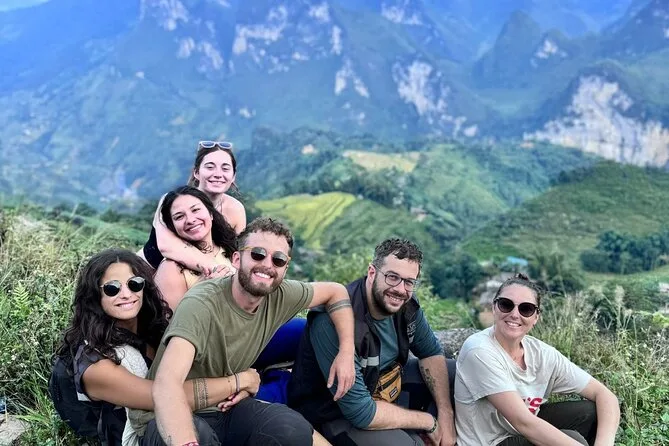
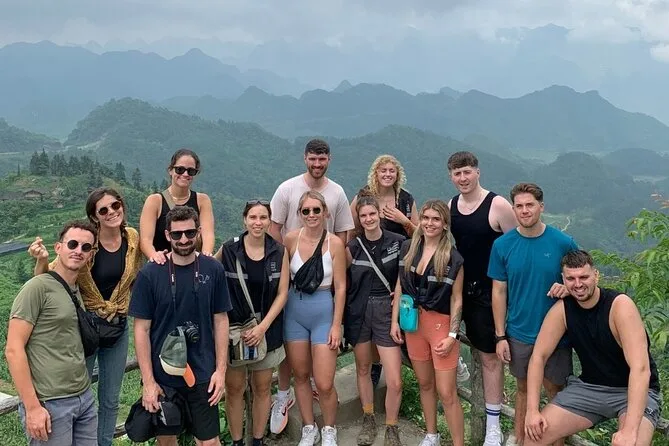
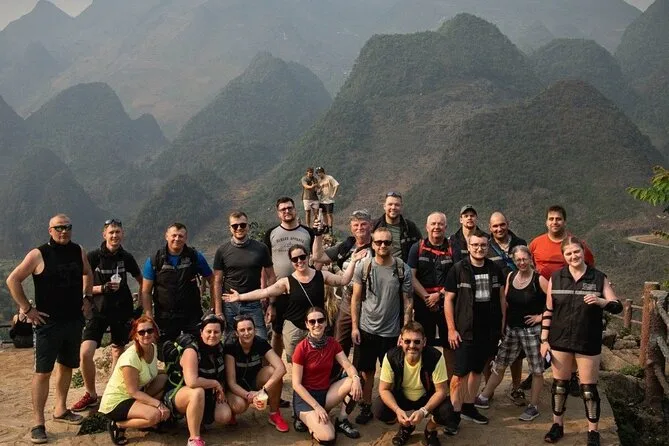
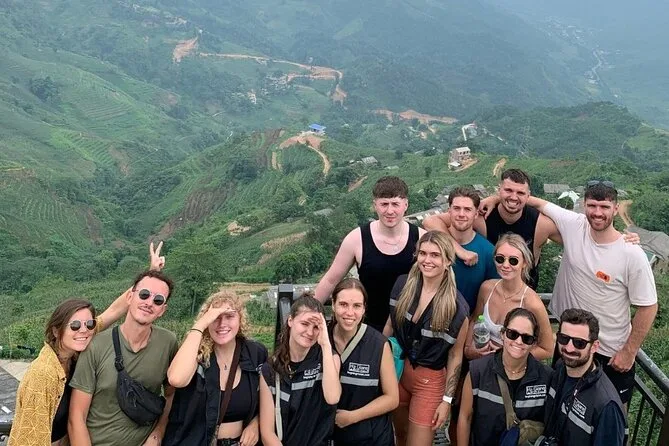
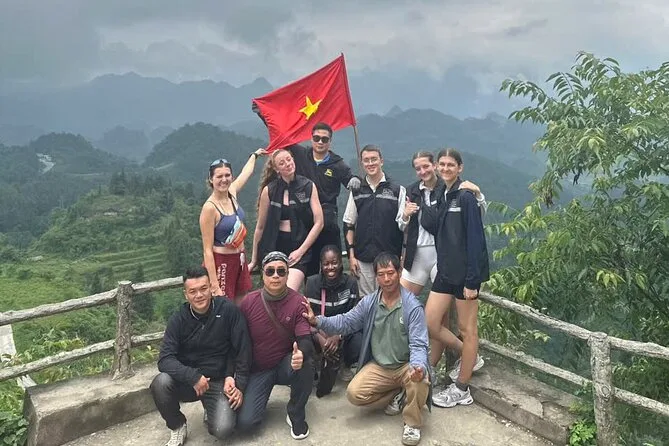
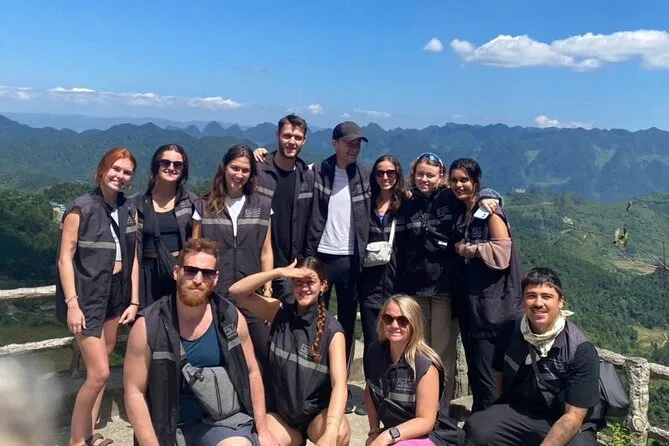
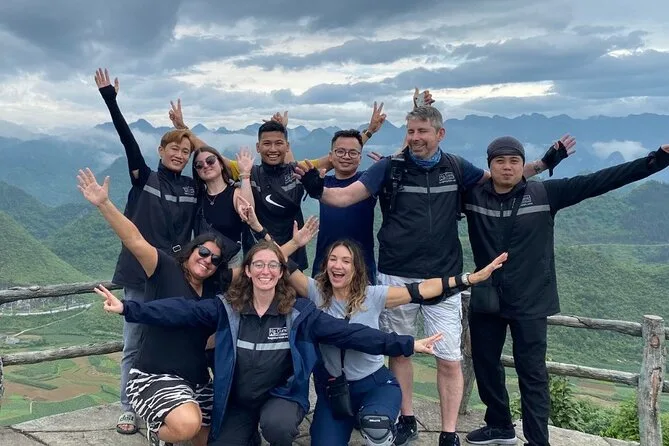
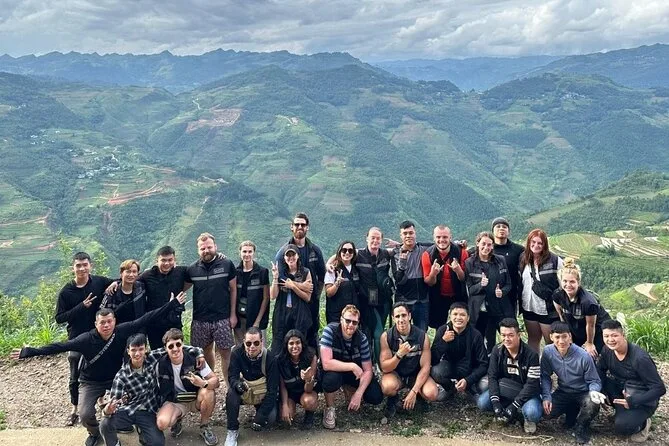
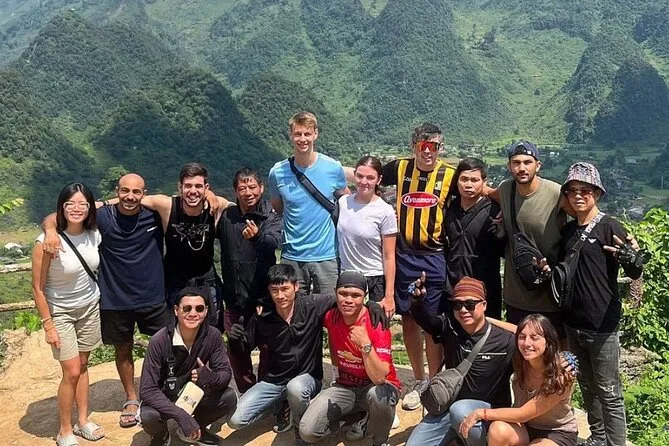
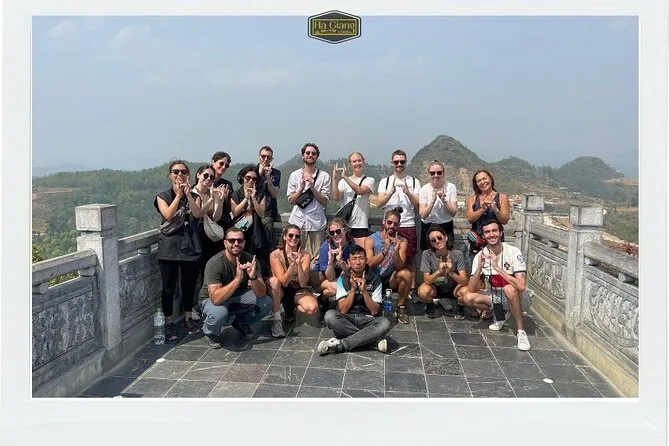
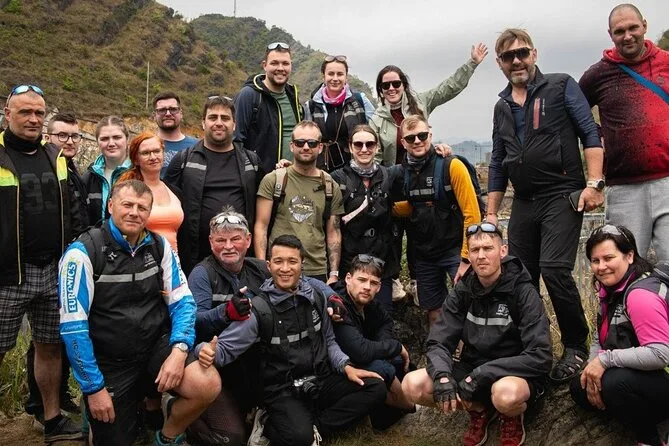
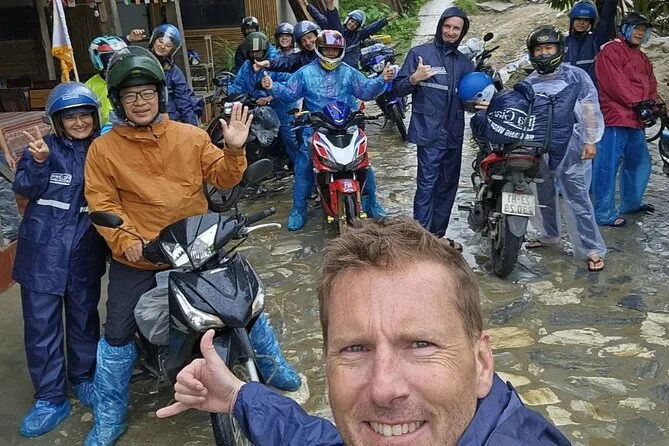
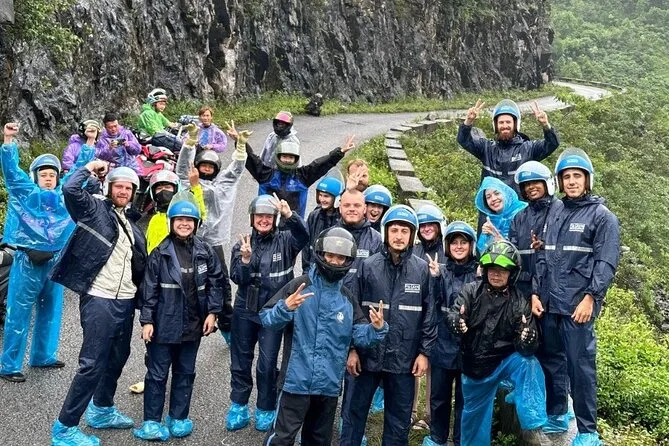
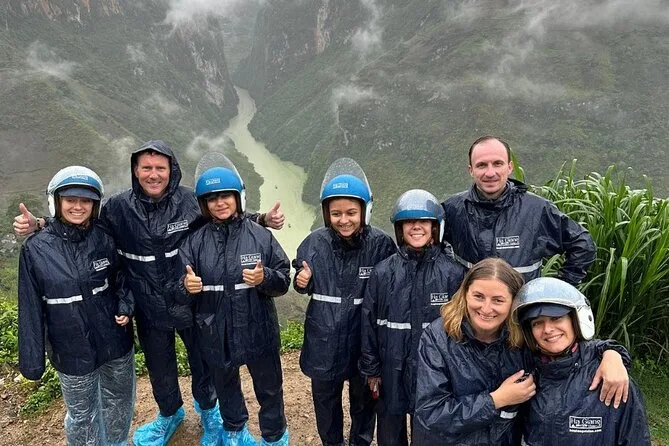
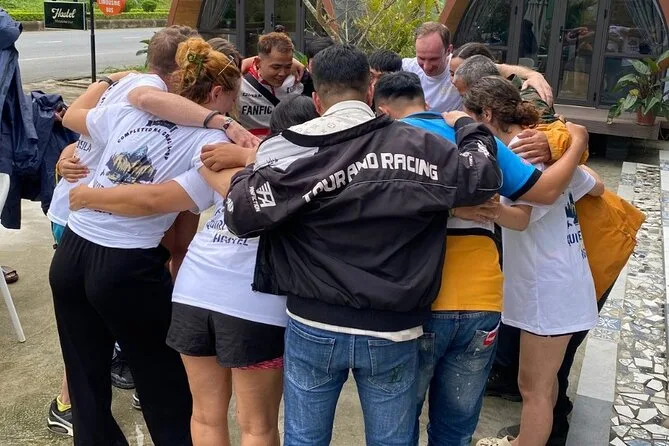
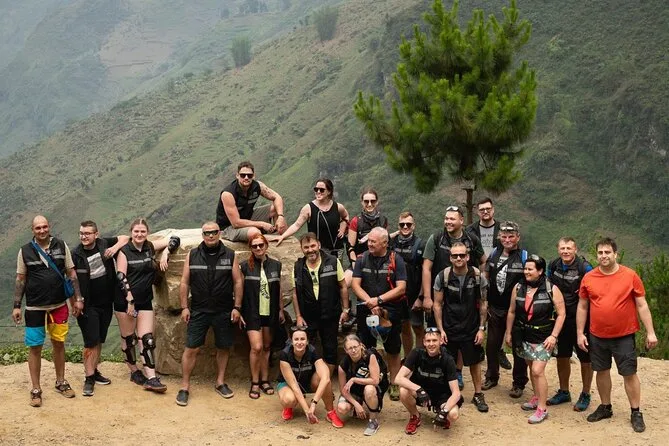
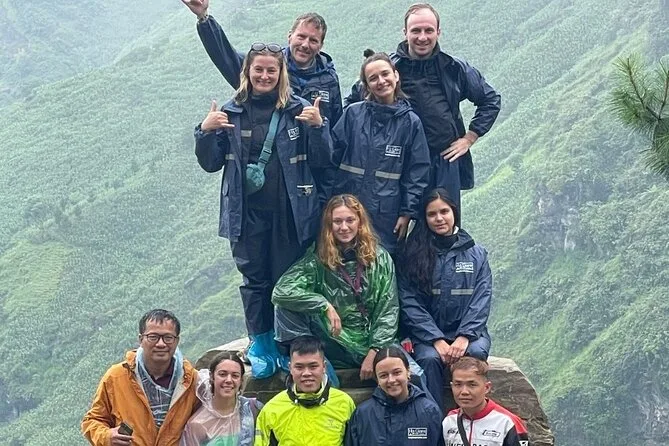
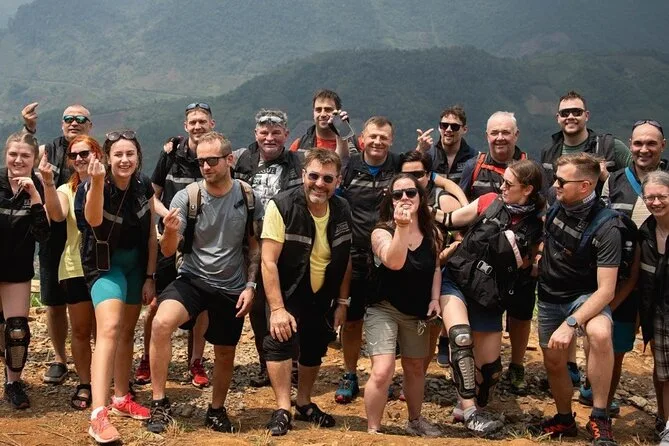
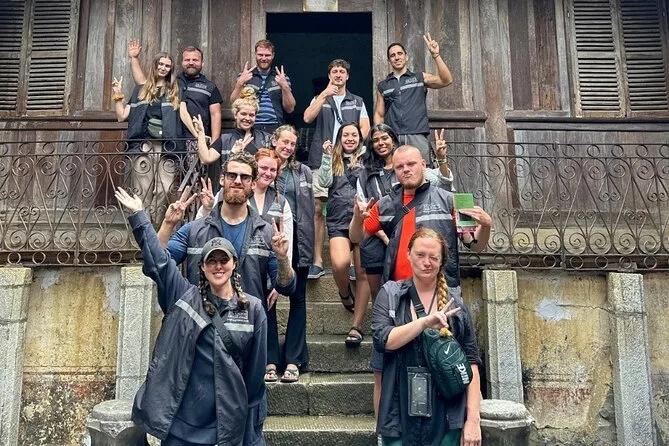
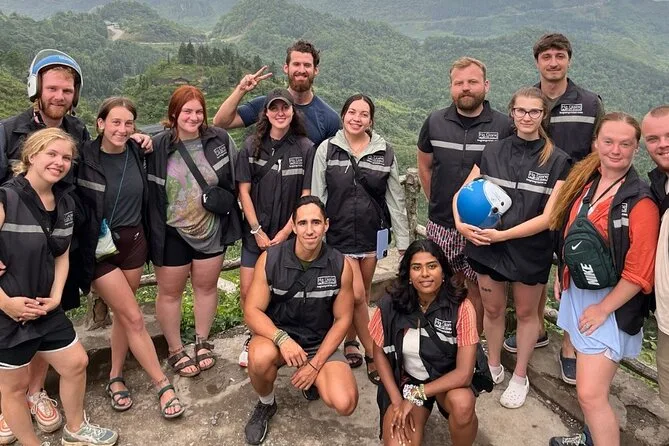

Three days on a motorbike through Vietnam's wildest mountain terrain
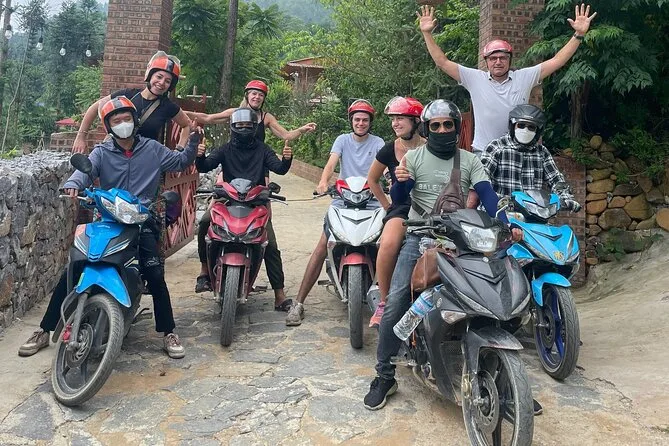
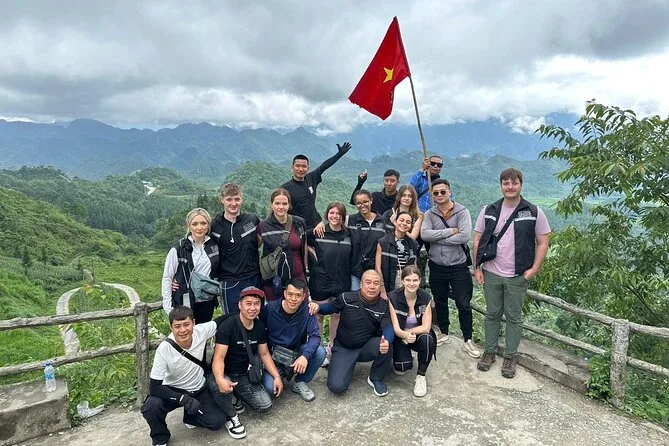
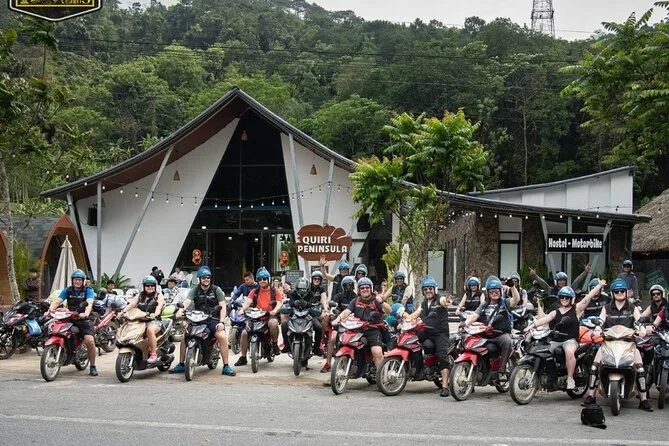
A three-day motorbike tour from Hanoi that loops through Ha Giang province, covering 310 kilometers of mountain roads including the famous Ma Pi Leng Pass. You ride with a local English-speaking guide, stay in homestays in ethnic minority villages, visit traditional weaving families, and see landmarks like Lung Cu Flag Tower and Tham Ma Road. Round-trip bus from Hanoi, dorm accommodation and all guide services are included.
 3d
3d

Step-by-step itinerary
Day 1 — Ha Giang to Yen Minh exploration
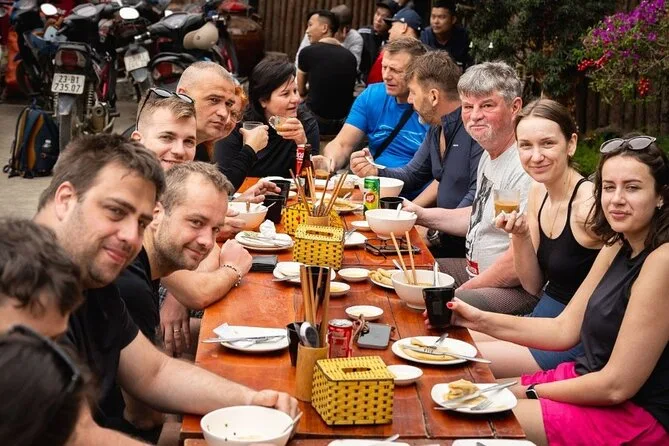
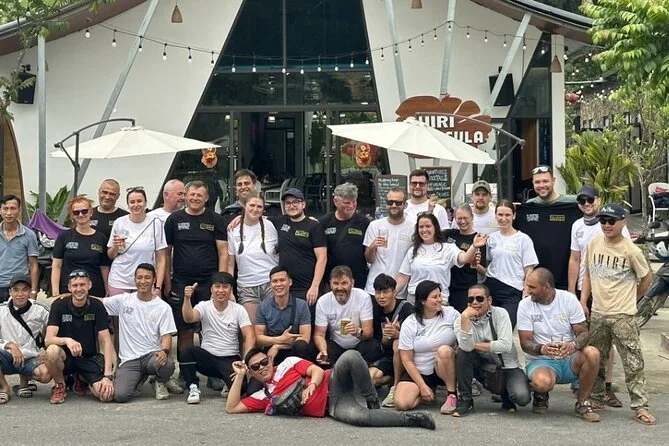
- Enjoy lunch at Quiri Peninsula restaurant
- Admire Bac Sum Pass and Heaven Gate views
- Visit Twins Hill viewpoint and Nam Dam village
- Visit local family weaving hemp fabric
- Motorcycle ride along river to Yen Minh
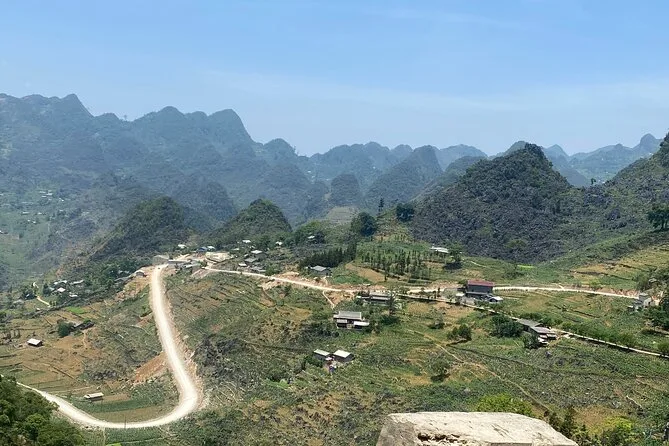
- Stop at loop road peak for valley view
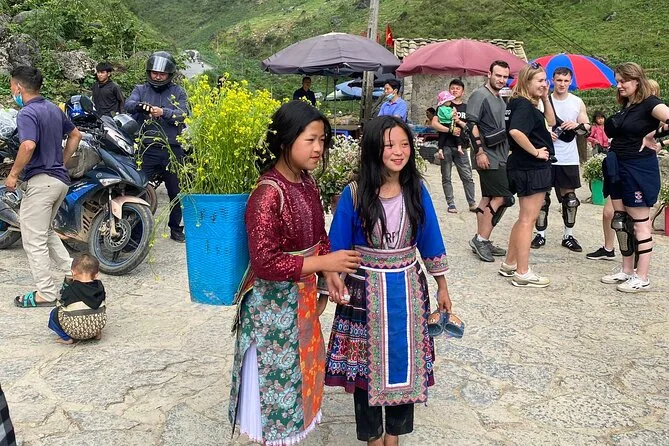
- Take photos at H'mong Village
- Overnight stay at local homestay
Day 2 — Yen Minh to Dong Van cultural tour
- Breakfast at homestay
- Drive to Tham Ma Road and ride winding curves
- Visit H'mong King Palace
- Visit Lung Cu Flag Pole and Lo Lo Chai village
- Lunch at local restaurant in Dong Van
- Explore Thien Huong Ancient Village
- Dinner and overnight at H'garden Homestay
Day 3 — Dong Van to Ha Giang scenic ride
- Breakfast at H'garden Homestay
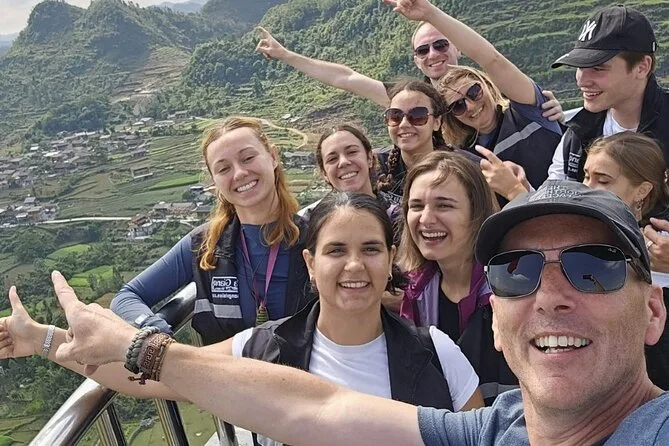
- Ride Ma Pi Leng Pass and enjoy panoramic views
- Visit remote villages and scenic landscapes
- Lunch and drinks in Mau Due
- Continue journey through Ha Giang trails to Du Gia village
- Return to Ha Giang and end tour

The Experience
The tour starts with lunch in Ha Giang city at 11:30 am, then a 100-kilometer first day that climbs Bac Sum Pass — a road of 20 winding curves nicknamed the "snake road" — before reaching Heaven Gate at 1,200 meters altitude. You'll stop at a clay house village, visit a local family who weaves hemp fabric and teaches you their craft, then ride lesser-known country roads toward Yen Minh for your first night in a homestay. The guide shows you how the weaving works and explains the daily life of the Hmong people as you go.
Day two covers 80 kilometers from Yen Minh through Tham Ma Road, a nine-curve climb so steep it was historically used to test horses — the name means "testing horses" in Sino-Vietnamese. You'll reach the H'Mong King Palace, built in the 18th century when this mountain region was ruled by a Hmong king, and see the architecture and learn the history of the ethnic groups who settled here. Then comes Lung Cu Flag Tower at the Vietnam-China border, with views across both territories, and a stop at Lo Lo Chai village where a small ethnic minority group lives in clay houses. Lunch is at a local restaurant, and you spend the second night at H'Garden Homestay in Dong Van.
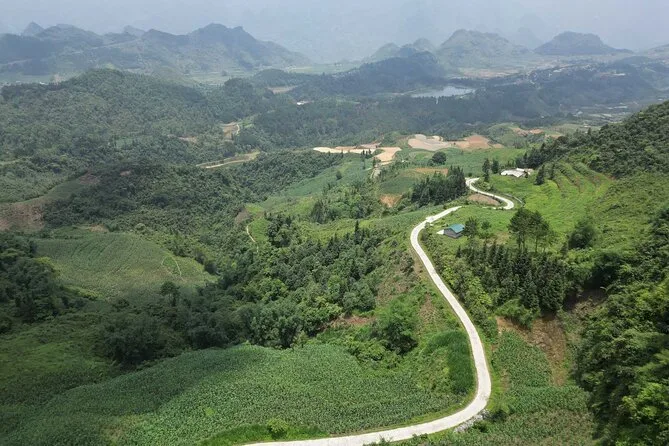
The final day is the most famous stretch: Ma Pi Leng Pass on the Happiness Road between Dong Van and Meo Vac, climbing to 2,000 meters through rugged cliffs and considered the "king" of passes in northern Vietnam. You'll stop for photos at the peak, then continue through remote villages and rice terraces carved into mountainsides before a lunch stop in Mau Due. The last leg passes through Du Gia village, where seven ethnic minority groups live together, and you're back in Ha Giang by afternoon — in time to catch a bus or limousine back to Hanoi the same day or the next morning, depending on what suits your schedule.

What’s included
- Round-trip bus transport from Hanoi to Ha Giang.
- dorm bed accommodation for three nights in local homestays.
- all meals (lunch on day one, breakfast and lunch on days two and three).
- English-speaking local guide for the entire tour.
- visits to traditional weaving families and ethnic minority villages.
- access to all landmarks including Ma Pi Leng Pass, Lung Cu Flag Tower, Heaven Gate and Tham Ma Road.
Operated by Ha Giang Vision Tour
Is this one for you?The pace is steady riding with long days in the saddle — 100 to 130 kilometers daily on mountain roads — so this suits travelers who are comfortable spending hours on a motorbike and want to cover serious ground rather than linger in one place. If you prefer shorter rides or more time on foot, look for a slower-paced alternative.
Traveler reviews
Compare the 13 similar options
 Ha Giang Loop 3 Days 2 Nights: Motorbike Tour from Hanoi★ 4.96 (753)3dENUS$ 270
 Ha Giang Loop 3 Days: Easy Rider Motorbike Tour Small GroupHa Giang motorbike tour, 3 days small group (max 8), Ma Pi Leng Pass, Dong Van Karst Plateau, all meals & accommodation included. Professional riders, English guide.★ 5.00 (212)3dENUS$ 259View ›
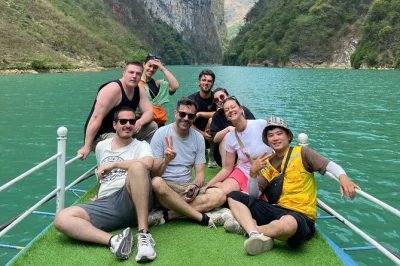 Ha Giang Loop Motorbike Tour: 3 Days, Dong Van & Meo VacRide the Ha Giang Loop on a 110cc motorbike with guide and driver over three days, staying in private rooms at local homestays and visiting Dong Van★ 4.96 (1,296)3dENUS$ 170View ›
 Ha Giang Loop Motorbike Tour: Ma Pi Leng Pass & Guide2-day Ha Giang Loop motorbike tour with local English-speaking guide, Ma Pi Leng Pass walk, boat trip on Nho Que River★ 4.99 (81)2dEN · VIUS$ 145View ›
 Ha Giang Loop 4D/3N: Motorbike Tour & HomestaysFour-day motorbike tour through northern Vietnam's mountain passes with private homestay rooms, meals included, visits to Lung Cu flagpole and Ma Pi Leng Pass.★ 4.98 (478)4dENUS$ 225View ›
 Ha Giang Loop: 4-Day Motorbike Tour with Easy Rider & HomestaysFeel the wind on a Ha Giang Loop motorbike tour—local guides, ethnic villages, homestays, and scenic mountain passes. Includes pickup, meals, and all gear.★ 4.90 (1,022)4dEN · VIUS$ 240View ›
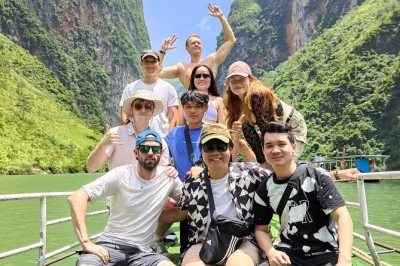 Ha Giang Loop: 3-Day Motorbike Tour with Small Group & Local StopsFeel the wind on a 3-day Ha Giang Loop motorbike tour—ride Ma Pi Leng Pass, boat Nho Que River, meet locals, and enjoy real Vietnamese food. Includes guide & pickup.★ 4.97 (890)3dENUS$ 118View ›
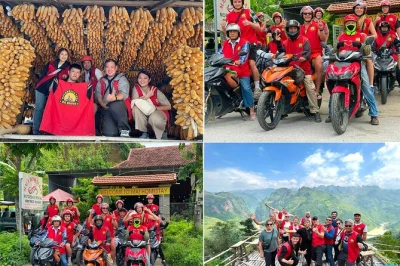 Ha Giang Motorbike Loop: 3 Days & 7 Ethnic VillagesHa Giang motorbike tour, 3 days riding Ma Pi Leng Pass & Dong Van Karst. Small groups, private rooms, all meals and guide included. Professional Easy Riders.★ 4.98 (876)3dENUS$ 265View ›
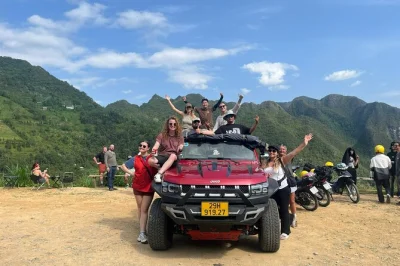 Ha Giang Loop: Open Air Jeep Tour with Ethnic Villages & Ma Pi LengFeel the wind on an open-air jeep tour of Ha Giang Loop—visit ethnic villages, cross Ma Pi Leng Pass, and share meals with locals. Includes all meals & pickup.★ 4.97 (267)3dENUS$ 398View ›
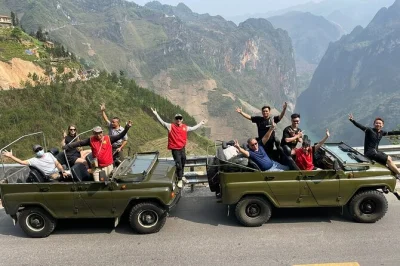 Ha Giang Loop: Open Air Jeep Tour with Homestays & WaterfallBreathe in Ha Giang’s wild landscapes from an open air jeep, stay in local homes, and swim at Du Gia waterfall. Includes all meals, private rooms, and pickup.★ 4.96 (349)3dENUS$ 398View ›
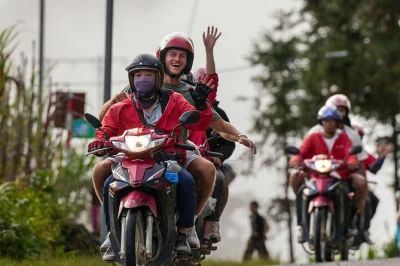 Ha Giang Loop Motorbike Tour: Ma Pi Leng & VillagesRide the Ha Giang Loop on a motorbike for three days with a local English-speaking guide, exploring Ma Pi Leng Pass, the Nho Que River★ 4.99 (872)3dEN · VIUS$ 193View ›
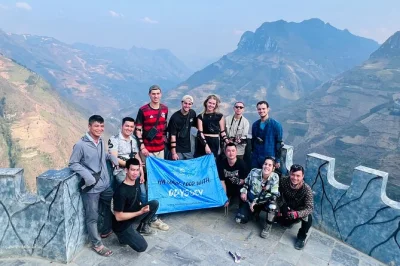 Ha Giang 4-Day Motorbike Tour: Lung Cu Flag & Ma Pi Leng Pass4-day Ha Giang motorbike loop with English guide, Lung Cu Flag Pole, Ma Pi Leng Pass, Dong Van. Small groups, all meals, homestay included. UNESCO Geopark.★ 4.99 (848)4dENUS$ 158View ›
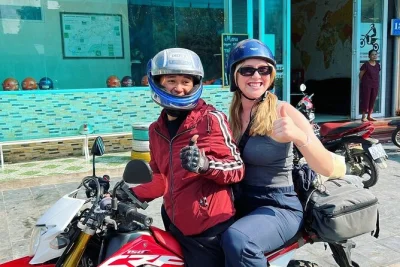 Ha Giang Loop 3 Days: Motorcycle Tour with Local GuideThree-day motorcycle loop through Ha Giang's mountain passes and ethnic villages with English-speaking guide and homestays included—ride Ma Pi Leng pass★ 4.98 (624)3dEN · VIUS$ 197View ›
Top questions
What's the road like on a Ha Giang motorbike tour — how much riding is there each day?
Day one covers 100 kilometers with climbing to Bac Sum Pass and Heaven Gate; day two is 80 kilometers including the steep Tham Ma Road; day three is 130 kilometers and includes Ma Pi Leng Pass at 2,000 meters altitude. You ride on mountain roads, some winding and steep, others on lesser-known country trails, with stops for villages, viewpoints and meals built into each day.
Do I need motorbike experience to join the Ha Giang Loop tour?
The tour is suitable for all physical fitness levels, but you ride as a passenger on the back of your guide's motorbike — you don't ride your own bike. The guide handles all the driving while you take in the landscape and stop at villages and landmarks along the way.
What are the homestays like on this tour?
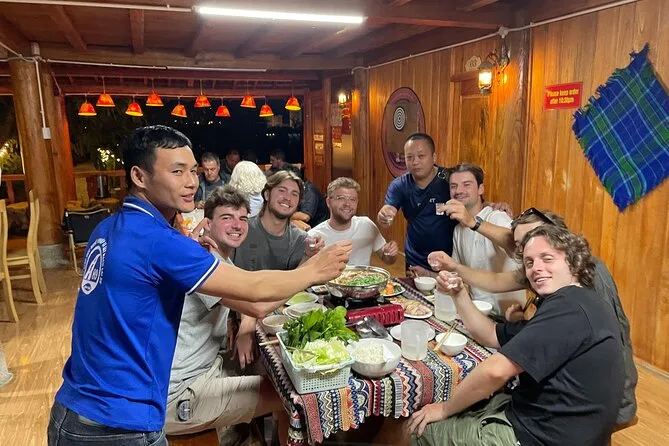
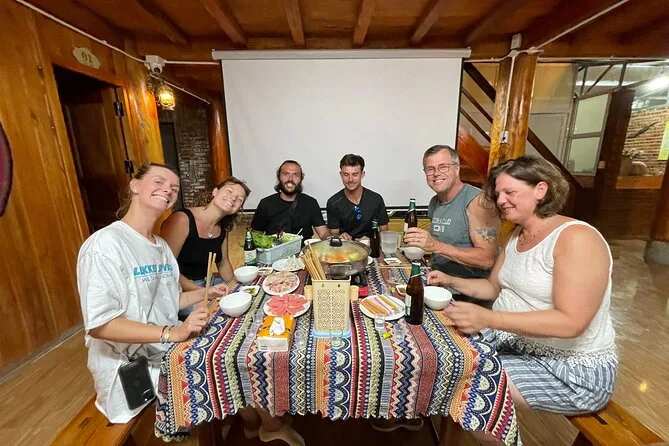
You stay in local homestays in Yen Minh and Dong Van, where you sleep in a dorm bed and experience the daily life and culture of ethnic minority families. The first night is at The Homestay in Yen Minh; the second is at H'Garden Homestay in Dong Van, where a private room upgrade costs $5 if you prefer not to share the dormitory.
What will I see at Lung Cu Flag Tower and Ma Pi Leng Pass?
Lung Cu Flag Tower sits at the Vietnam-China border with views across both territories and surrounding mountains. Ma Pi Leng Pass is the most challenging mountain pass in northern Vietnam, climbing to 2,000 meters through rugged cliffs on the Happiness Road between Dong Van and Meo Vac — the road winds through the mountainside with panoramic views of valleys, granite outcrops and rice terraces.
Does the tour include meals, and will I get to try local food?
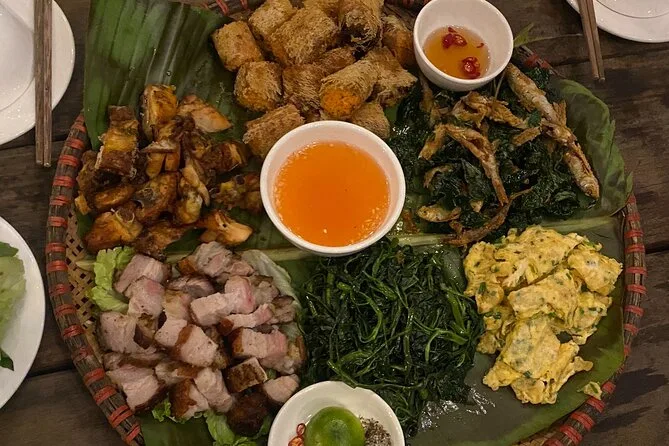
Lunch is included on all three days at local restaurants and a peninsula restaurant in Ha Giang city. Breakfast is provided at the homestays on days two and three. You'll also have the chance to eat specialties prepared by local families, and the guide will explain the food and culture as you eat.
How do I get back to Hanoi after the tour ends?
Round-trip bus from Hanoi is included in the tour price. On day three, you return to Ha Giang by afternoon and can take a bus or limousine back to Hanoi the same day or book a night bus for the following morning, depending on your schedule and what you want to do after the tour.
Ha Giang Loop 3 Days 2 Nights: Motorbike Tour from Hanoi
3d · EN · at your hotel
from US$ 270 per person
★★★★★★★★★★4.96753 reviewsVerified traveler reviews via our booking provider
