
Maui: Honolua Ridgeline Hike & Native Forest Conservation Tour


Walk Inside Maui's Protected Forest With the People Who Guard It
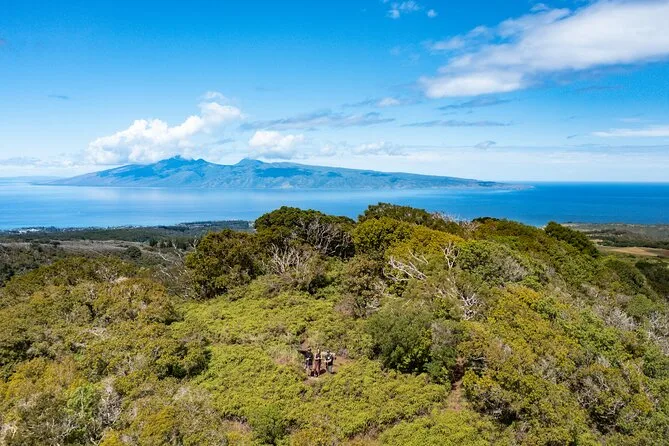
You hike two miles through Maui's protected native forest with a local conservation guide, learning about endangered plants, watershed ecology, and the island's water systems. The route stays mostly shaded along the ridgeline, and snacks plus vehicle transport are included. It's a moderate hike on private land that's normally closed to visitors.
 3h 15m

Step-by-step itinerary
Hike Maui's Native Forest and Conservation Lands
- Meet local guide
- Hike two miles on ridgeline
- Explore native forest and watershed
- Learn about conservation efforts
- View endangered plants and animals

The Experience
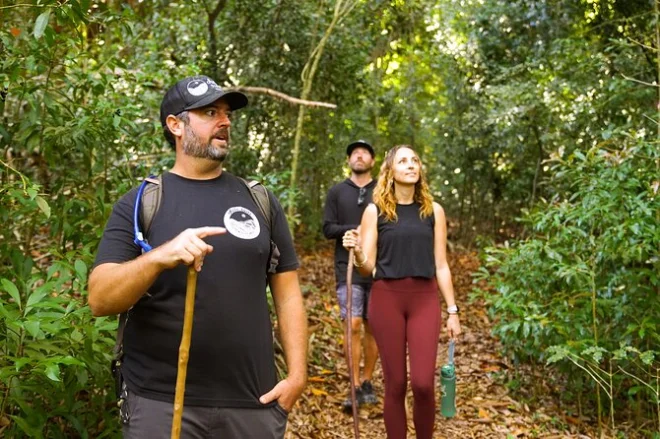
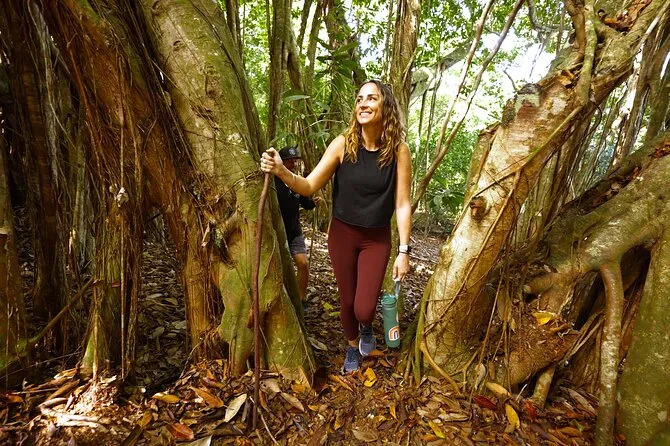
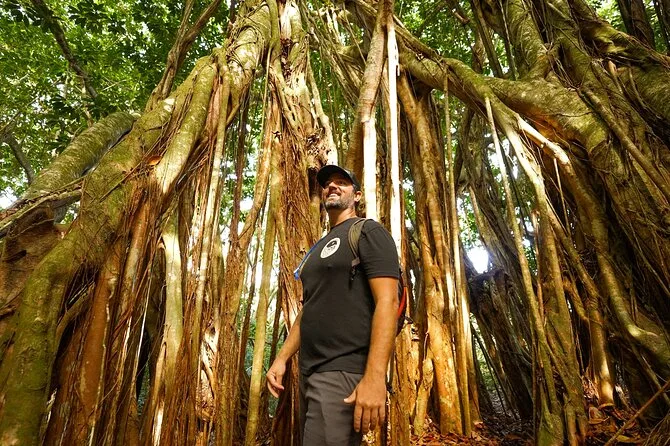
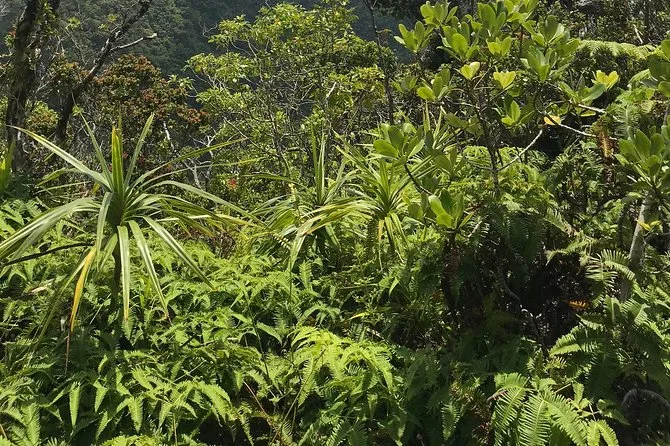
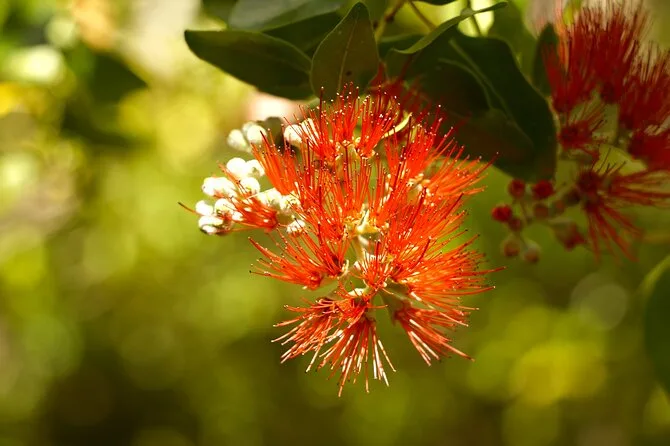
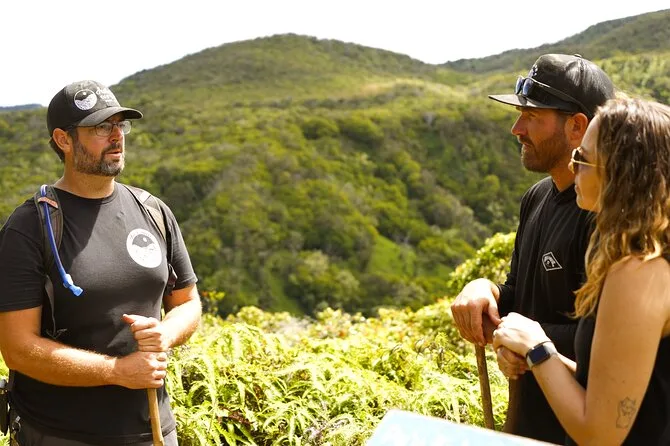
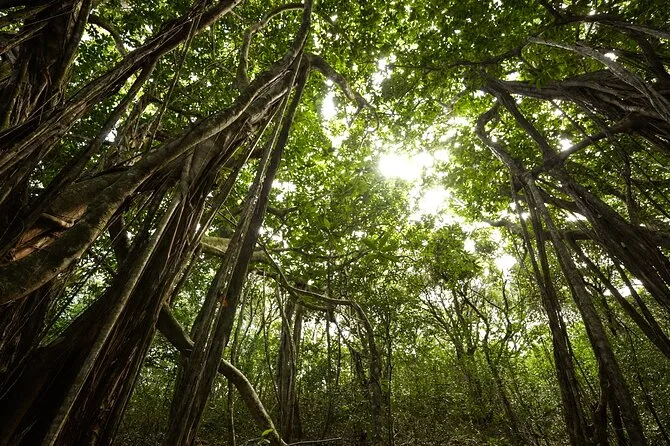
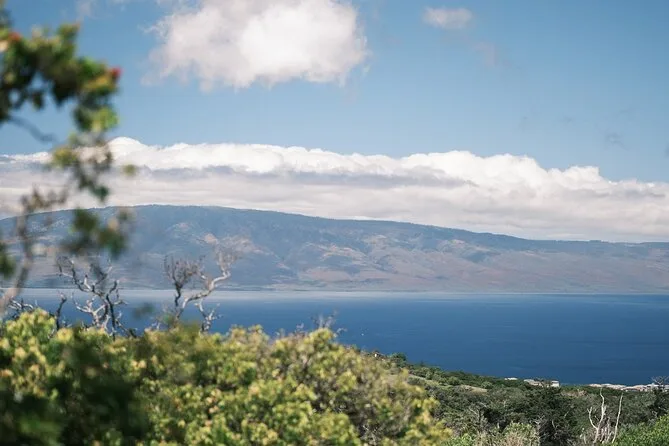
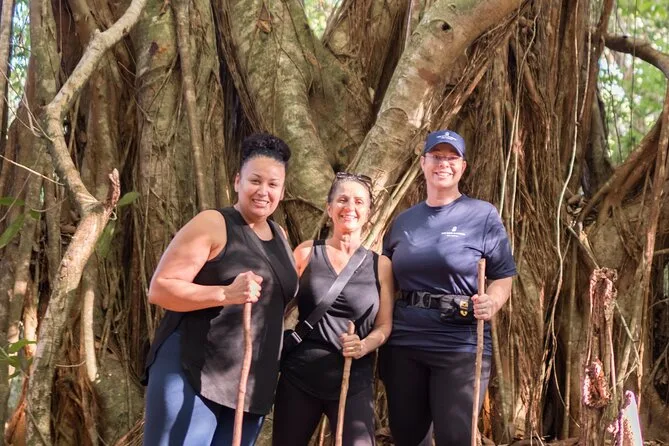
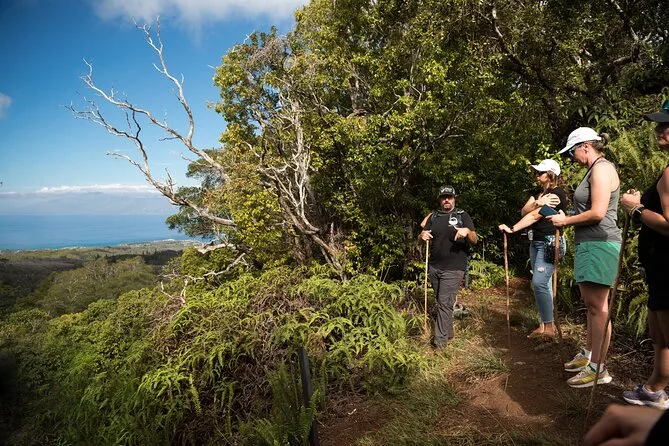
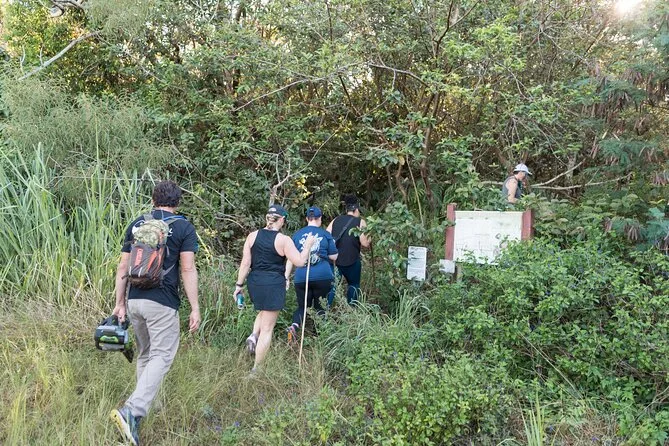
The trail starts where the valley narrows and the canopy thickens overhead. You're not on a marked tourist path — this is working conservation land on the Honolua Ridgeline, the kind of place most visitors never reach because most of Maui's mountain areas are privately owned and closed off. Your guide is part of the team that manages the Puʻu Kukui preserve, and they move through the forest the way someone moves through their own neighborhood, stopping to point out native plants and animals you'd walk past otherwise without knowing what you were seeing.
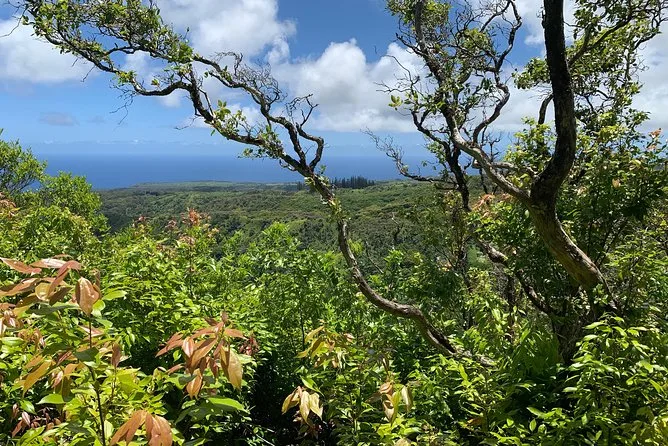
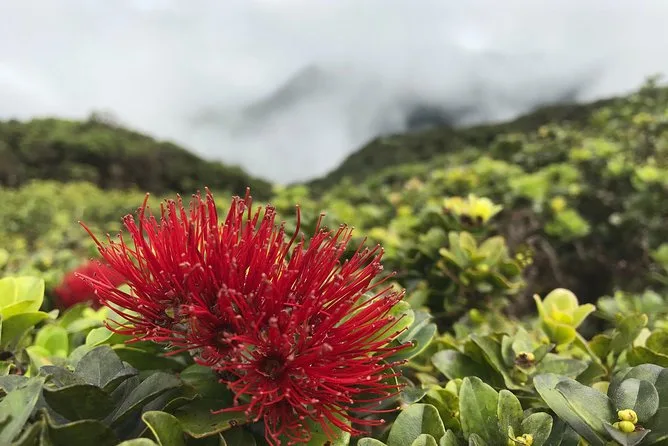
The two-mile hike stays mostly under shade along the ridge, which means the pace is steady but not brutal — moderate fitness is what they ask for, not mountaineer legs. What hits you as you walk is how much water matters here. The watershed feeds down through these valleys, and your guide explains why protecting this specific stretch of forest, with its native ʻōhiʻa and koa trees, is the reason the island has water at all. It's not the kind of thing you'd learn on a resort beach, and it changes how you think about the place after you leave. Snacks and water come along in the air-conditioned vehicle that picks you up and brings you back, so you're not carrying much except attention.
This tour exists because the conservation team wanted people to see what they actually do — not a performance of conservation, but the real work of protecting endangered species and native ecosystems on land that would otherwise stay invisible. That access is the whole point. You walk away knowing a side of Hawaii that doesn't show up in most guidebooks.

What’s included
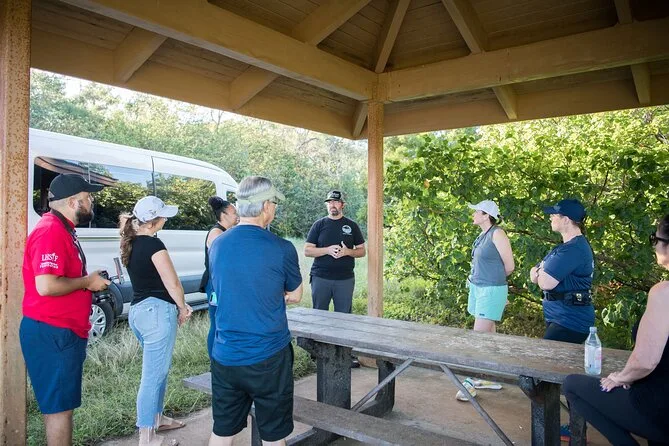
Your day includes air-conditioned vehicle transport from your location, a two-mile guided hike through the Puʻu Kukui preserve with a conservation team member, snacks and water, and return transport at the end.
Operated by HeleWai Eco Tours
Is this one for you?Book this if you want to see the native forest and conservation work that most Maui visitors miss, and you're comfortable with a moderate hike on terrain that's normally closed to the public — the private access is what makes the experience possible.
Traveler reviews
Compare the 13 similar options
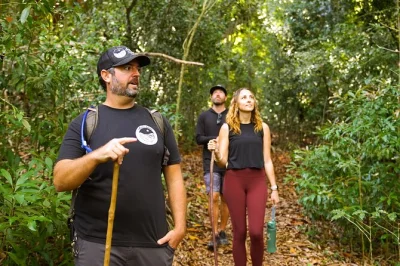 Maui: Honolua Ridgeline Hike & Native Forest Conservation Tour★ 4.97 (76)3h 15mENUS$ 145
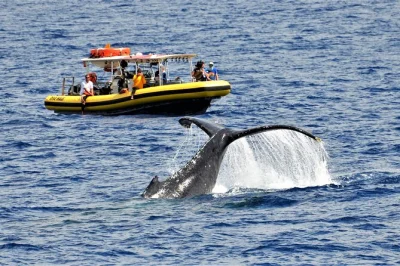 Whale Watching Maui: 2-Hour Small Group Raft Tour from LahainaSmall group whale watching tour from Lahaina with a marine naturalist guide, hydrophone to hear whale songs★ 4.93 (735)2hENUS$ 81View ›
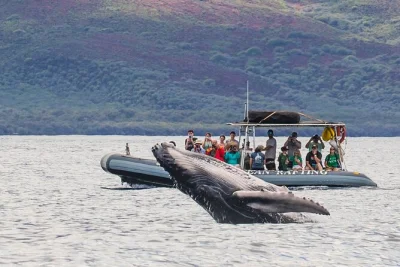 Maui: Eye-Level Whale & Dolphin Watching Zodiac Raft TourHawaiian-owned zodiac raft tours with humpback whales (winter) or dolphins (summer). Small groups, naturalist narration, hydrophone whale songs. Lahaina departures.★ 4.88 (2,846)2hENUS$ 85View ›
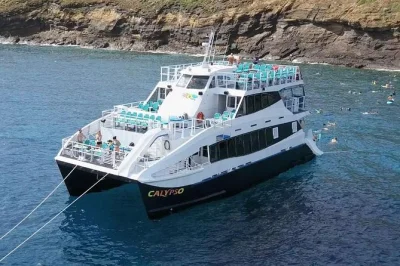 Maui Snorkeling: Molokini Crater & Turtle Town CatamaranTriple-decker catamaran from Ma'alaea Harbor to Molokini Crater and Turtle Town. Breakfast, lunch, snacks included. Two slides, glass-bottom room, snorkel gear provided.★ 4.64 (2,202)5h 30mENUS$ 189View ›
 Haleakalā Downhill Bike Tour from 6,500 Feet: MauiGuided downhill bike tour on Maui starting at 6,500 feet with professional guide, full gear included, and support van nearby5hENUS$ 199View ›
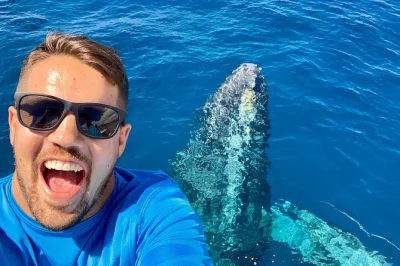 Maui Whale Watching: 2-Hour Catamaran & HydrophoneHumpback whales breach and slap their flukes off Maui's coast December–April. Two-hour catamaran tour from Ma'alaea with professional guide, hydrophone audio, drinks included.★ 4.62 (1,667)2hENUS$ 50View ›
 Maui Molokini Crater Snorkel & Turtle Cove Swim Small GroupFeel the rush to Molokini Crater by super raft, snorkel with reef fish, then swim alongside turtles at a private cove. Includes lunch, gear & crew guidance.★ 4.90 (1,539)4hEN · ESUS$ 205View ›
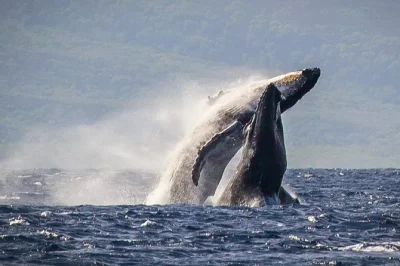 Maui Whale Watching Cruise & Open Bar from Ka'anapali BeachFeel the thrill of humpback whales surfacing near Ka’anapali Beach, Maui. Enjoy a 2-hour cruise with open bar, live naturalist commentary, and snacks included.★ 4.78 (855)2hENUS$ 103View ›
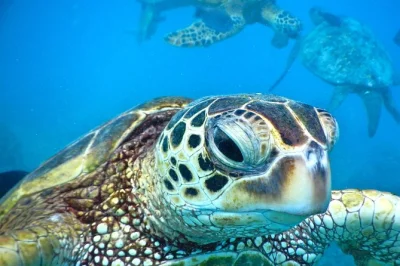 Maui: Ka’anapali Beach Xpress Snorkel & Turtles at Mala WharfJump straight from Ka’anapali Beach to snorkel with turtles at Mala Wharf, guided by locals. Includes gear, drinks, open bar, and easy beach boarding.★ 4.98 (385)2h 30mENUS$ 167View ›
 North Shore Maui E-Bike Tour: Hidden Beaches from PaiaRide the North Shore Bike Path on a 2.5-hour e-bike tour from Paia with a local guide, stopping at Kanaha Beach Park and hidden beach access points along the way.2h 30mENUS$ 139View ›
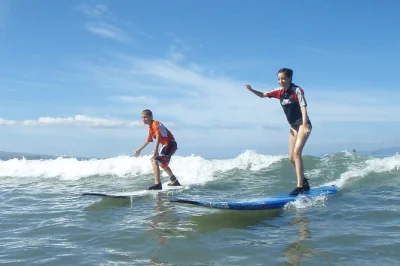 Maui Surf Lesson Kihei: 2-Hour Beginner Group ClassTwo-hour beginner surf lesson in Kihei, Maui with professional instruction, board & gear included. Small groups (max 6), guaranteed to ride waves or next lesson free.★ 4.87 (1,033)2hENUS$ 98View ›
 Maui Pineapple Farm Tour in Haliimaile: Taste and take homeTour a working pineapple farm and packing facility in Haliimaile with a guide who walks you through the fields, shows you how Maui Gold grows★ 4.81 (3,104)1h 30mENUS$ 99View ›
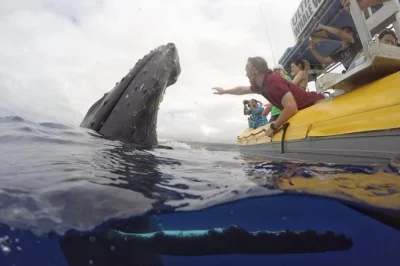 Maui Whale Watch from Lahaina: Small Group Raft ToursSmall group whale watching from Lahaina with marine naturalist, hydrophone whale songs, and guaranteed sightings Dec–Apr. 1.5 or 2-hour tours from a low-profile raft.★ 4.89 (1,370)1h 45m–2h 10mENUS$ 77View ›
Top questions
How long is the Honolula Ridgeline hike?
Two miles along the valley ridgeline, mostly under forest canopy. Plan for a few hours total including transport and stops.
Do I need to be very fit for this hike?
Moderate physical fitness is recommended. The terrain is steady but not steep, and the shade helps. It's not suitable for people with poor cardiovascular health.
What's included in the tour?
Air-conditioned vehicle pickup and return, guided hike with a conservation team member, snacks, and water. Entry to the private preserve is included.
Can I bring a baby or young child?
Infants can sit on an adult's lap. Specialized infant seats are available — mention this when you book.
Why is this hike different from other Maui hikes?
Most mountain areas on Maui are privately owned and closed to the public. This tour gives you access to working conservation land where you see native plants and endangered animals with the people who protect them.
What will I learn about on this hike?
Your guide explains the native forest ecosystem, endangered species, and Maui's watershed — how the forest protects the island's water supply.
Maui: Honolua Ridgeline Hike & Native Forest Conservation Tour
3h 15m · EN
from US$ 145 per person
★★★★★★★★★★4.9776 reviewsVerified traveler reviews via our booking provider
