
Klamath River Kikacéki Canyon Rafting & Dam Removal History


The River Came Back: Rafting the Klamath's Newly Revealed Canyon
You float the newly restored Kikacéki Reach of the Klamath River for a full day, seeing the canyon that emerged after dam removal and learning the environmental and tribal history behind it. The outfitter provides transport from Ashland, a knowledgeable guide, lunch, and all safety gear including wetsuits. You'll encounter moderate to challenging whitewater and finish where the former Iron Gate Reservoir begins.
 9h
9h

Step-by-step itinerary
Explore Kikacéki Canyon and Klamath River
- Begin at former Copco Reservoir
- Float down restored Klamath River
- Observe rebirth of reservoir footprints
- See river finding native channel
- Experience challenging whitewater in canyon
- Hear stories of dams and removal
- End at former Iron Gate Reservoir

The Experience
For over a century, the Kikacéki Reach sat locked behind dams, its canyon hidden from daylight. Then, in 2024, the water was let out, and what emerged surprised everyone—a full river gorge, whitewater, and a landscape that had been underwater since before most people were born. You start at the top of what used to be Copco Reservoir and float down to where Iron Gate Reservoir begins, watching the Klamath River find its way back into channels it carved long ago. Your guide walks you through what happened here—the politics, the environmental fight, the Klamath tribes' decades-long push to restore it—so you're not just seeing the canyon, you're understanding why it matters.
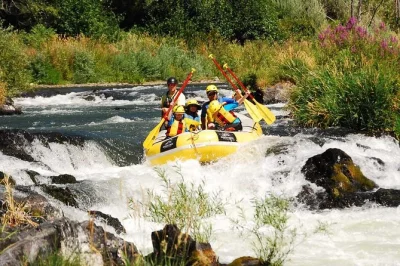
The day is a full float, not a casual paddle. You'll hit challenging whitewater wrapped inside the canyon walls, which is why the outfitter includes wetsuits, booties, and splash jackets—the water is cold and the current moves. Transportation picks you up from Ashland and takes you to the put-in, so you don't have to figure out logistics yourself. Lunch happens on the river, and your guide is someone who knows both the hydrology and the history, which makes the difference between floating past a canyon and actually understanding what you're looking at.
The scale of it hits you on the water. Reservoir footprints—the bare rock and sediment where water used to be—line the banks. The river is actively reshaping its own channel, moving boulders, cutting new paths. It's not a polished, finished landscape; it's a landscape in the middle of becoming itself again. That rawness is what makes it worth the half-day commitment and the physical effort.

What’s included
Round-trip transportation from Ashland to the river put-in and take-out, a professional guide with knowledge of the Klamath River history and dam removal, lunch on the river, and all rafting safety equipment including wetsuits, booties, and splash jackets.
Operated by Indigo Creek Outfitters
Is this one for you?Book this if you want to see the Klamath dam removal impact with expert context and don't want to arrange your own transport or safety gear—the guide and full-day structure turn a geological event into an actual story you can float through and understand.
Traveler reviews
More experiences you might like
 Klamath River Kikacéki Canyon Rafting & Dam Removal History★ 4.98 (131)9hENUS$ 250
 Rogue River Rafting from Phoenix, Oregon: Class III RapidsRogue River rafting trips depart twice daily from Phoenix, Oregon with guide, equipment and transport included★ 4.99 (230)3h 30mENUS$ 110View ›
Top questions
How long is the rafting day?
A full day on the river, starting from the former Copco Reservoir and ending at the former Iron Gate Reservoir. Plan for the full commitment including transport time to and from Ashland.
What's the physical difficulty level?
Moderate to challenging whitewater. You need at least moderate physical fitness and must be at least 12 years old. The outfitter does not recommend this for travelers with spinal injuries, poor cardiovascular health, or pregnancy.
Is the water cold?
Yes. The outfitter provides wetsuits, booties, and splash jackets to keep you warm and dry during the float.
What does lunch include?
Lunch is provided on the river as part of the day. Specific menu details should be confirmed when booking.
Will the guide explain the dam removal?
Yes. The guide shares the history of the dams, the removal process, and the perspectives of the people and tribes involved in the Klamath River restoration.
Do I need rafting experience?
No prior experience is required. The guide leads you through the whitewater and provides all equipment and instruction.
What if I'm not a strong swimmer?
Contact the outfitter directly about your swimming ability. Life jackets and safety gear are provided, but you should be comfortable in water and able to follow guide instructions.
Is this tour available year-round?
Seasonal availability depends on water flow and weather. Confirm dates and availability when booking.
Klamath River Kikacéki Canyon Rafting & Dam Removal History
9h · EN
from US$ 250 per person
★★★★★★★★★★4.98131 reviewsVerified traveler reviews via our booking provider
