

 +507 6792-0894


Chattanooga: Kayak tour with sandhill cranes & local guide




Summary
Paddle among wintering sandhill cranes on a guided kayak trip near Chattanooga
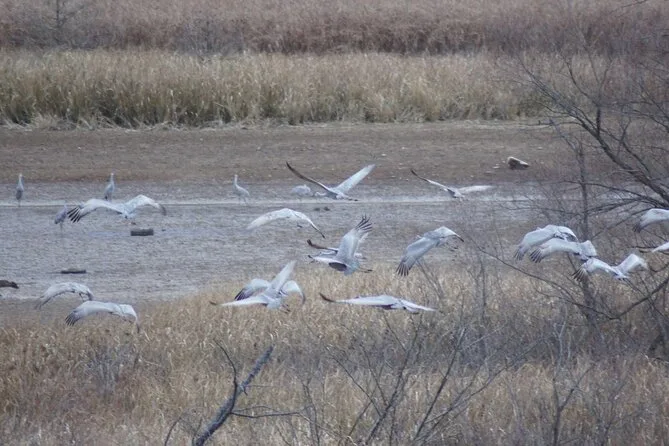
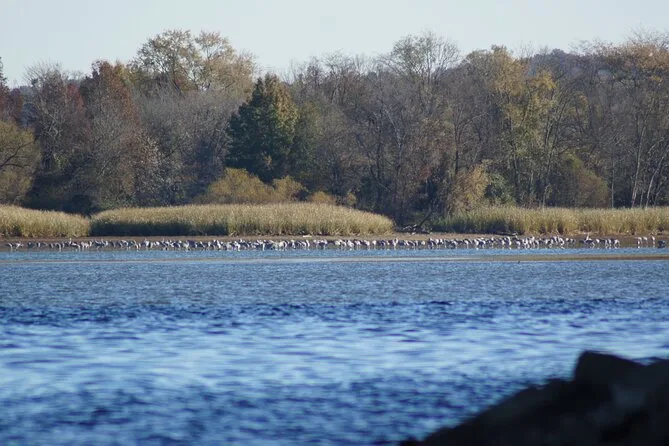
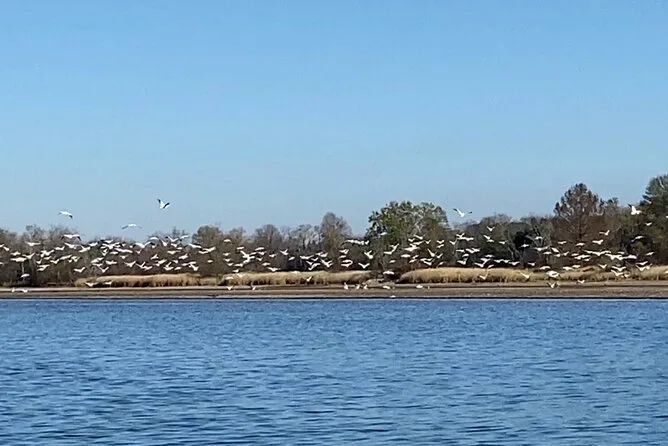
You’ll paddle through quiet stretches of the Tennessee River near Chattanooga with a local guide, watching thousands of sandhill cranes during their winter migration. Hear their wild calls up close, try out special kayaking gear (including those odd but warm paddle mittens), and share laughs with your group as you spot crane dances and learn from your guide — an experience that sticks with you long after you’re back on land.

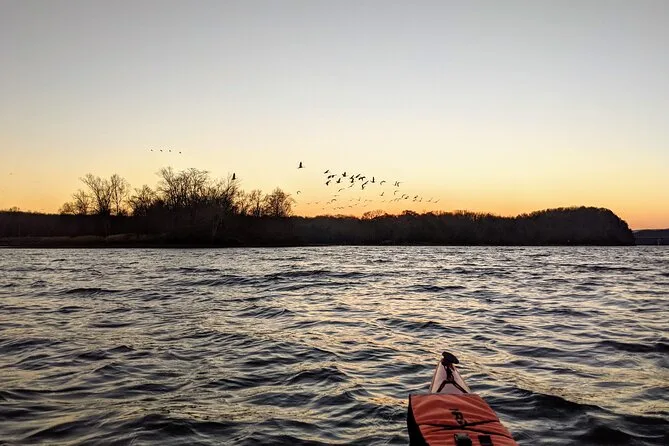
We slid our kayaks into the Tennessee River just as the morning mist was starting to lift — you could hear the sandhill cranes before you saw them, these wild bugling calls echoing over the water. Our guide, Ben, handed me a pair of binoculars and grinned, “You’ll want these.” I wasn’t sure what to expect; I mean, I’ve seen birds before, but this was something else. The air had that crisp winter bite, but with the waterproof jacket and those funny paddle mittens (poagies? I’d never heard of them), it was actually kind of cozy.
Paddling felt easy once we got going — there’s something about moving quietly along the river that makes you notice little things: the way sunlight hits frost on the reeds, or how every so often you catch a whiff of wet earth mixed with cold air. At one point Ben stopped us mid-river and pointed out a group of cranes doing this awkward dance — wings out, hopping around like they were showing off for each other. Someone in our group tried to imitate them from their kayak and nearly tipped over (we all laughed, even Ben). There must have been thousands of birds out there, honestly — I kept losing count.
I didn’t expect to feel so small in the best way. The sound of all those cranes together is sort of haunting — not scary, just… ancient? It made me think about how far they’d come from Alaska or Canada just to hang out here for winter. We drifted for a while, nobody really talking much except for Ben quietly pointing out which calls meant what (I still can’t tell them apart). Time went weirdly fast; suddenly we were heading back toward shore and my hands were warmer than I thought they’d be.
 3h
3h

Step-by-step itinerary
Day 1 — Sandhill Crane Kayak Tour
- Guided kayak tour to see sandhill cranes

Top questions

When is the best time for the sandhill crane kayak tour near Chattanooga?
The tour runs Thursday to Sunday from November through mid-February during the winter migration period.
Are kayaks and equipment provided on this Chattanooga sandhill crane tour?
Yes, kayaks, paddles, waterproof jackets, poagies (warm paddle mittens), and binoculars are included.
Is this kayak tour suitable for beginners?
Yes, it’s suitable for all physical fitness levels but not recommended for travelers with spinal injuries or poor cardiovascular health.
How many sandhill cranes can be seen on this Tennessee River kayak trip?
You might see up to 15,000 sandhill cranes during peak migration on this eco kayak tour.
Does the sandhill crane kayak tour include a local guide?
Yes, an experienced local guide leads every trip and shares information about the birds and area.

What’s included
Your day includes use of kayaks and paddles, waterproof jackets to keep you dry and warm even in winter chill, poagies (those surprisingly useful paddle mittens), binoculars for birdwatching up close, plus group first aid supplies and a knowledgeable local guide who’ll tow if needed — everything sorted so you can just focus on paddling among the cranes.
 Super deal
  Free booking, free cancellation.
  Don't lose your place.


 Do you need help planning your next activity?
  +507 6792-0894


