
Montevideo: Andes 1972 Crash Museum Entry & Survivor Story
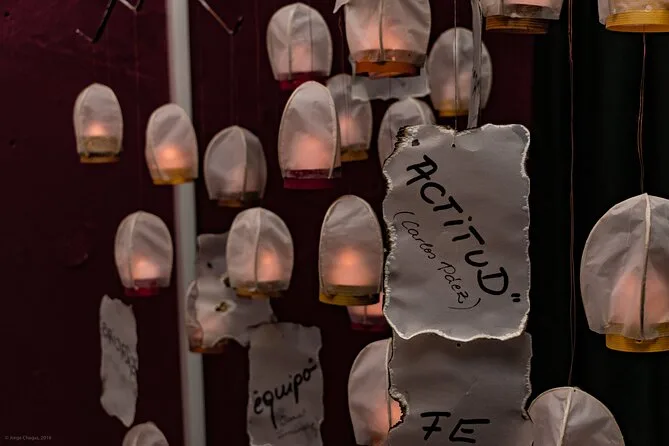
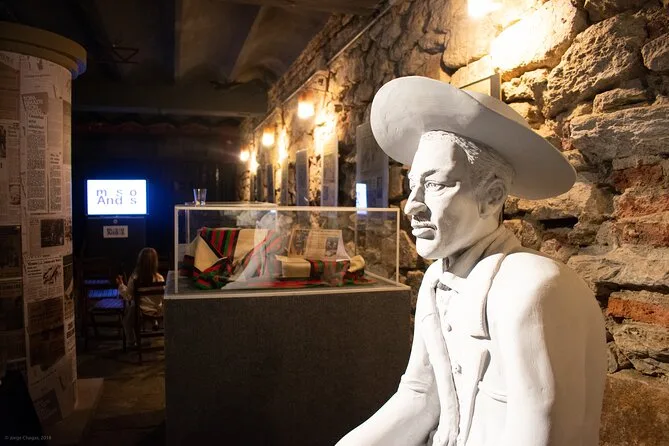

Real stories from the Andes crash survivors in Montevideo’s old city
You’ll step into Montevideo’s historic center and face real artifacts from the Andes crash at Museo Andes 1972. Guided by locals who know every detail, you’ll read survivor notes and see personal belongings up close. The story unfolds slowly — sometimes painfully so — but you’ll leave feeling changed by what humans can endure.
 45m–1h 30m

Step-by-step itinerary
Visit Museo Andes 1972 in Montevideo
- Arrive at Museo Andes 1972
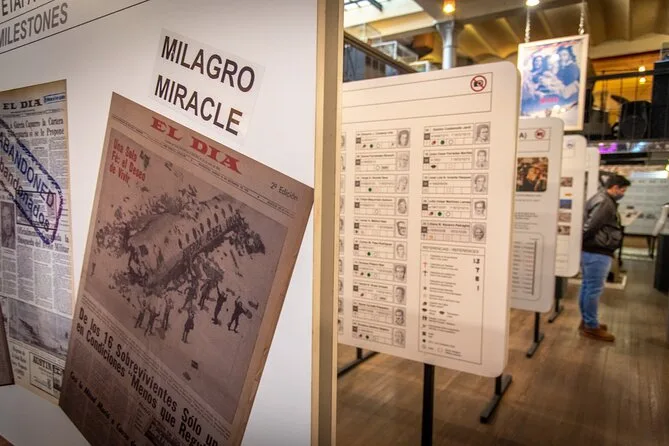
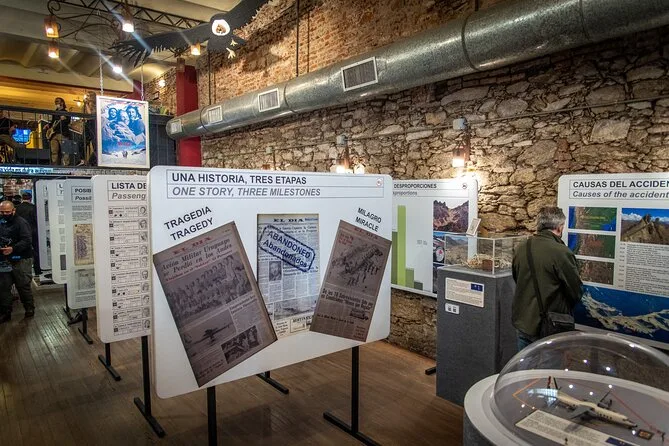
- Explore pictures and documents
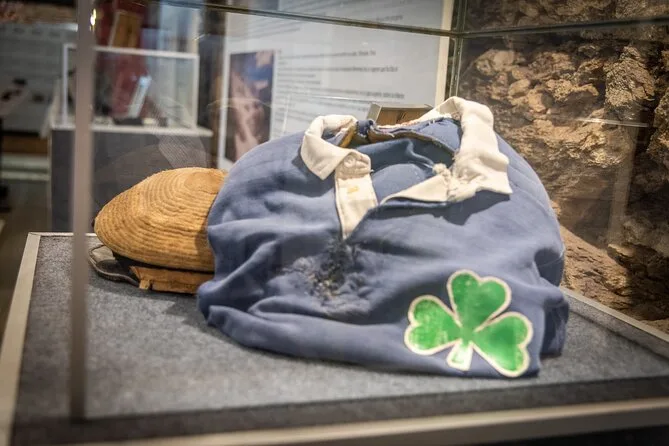
- View personal belongings and debris
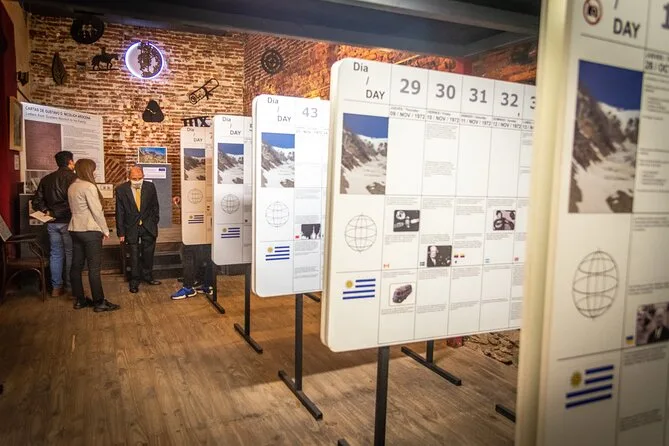
- Follow timeline of Andes crash events
- Learn about global events during crash
- Attend related activities if available

The Experience
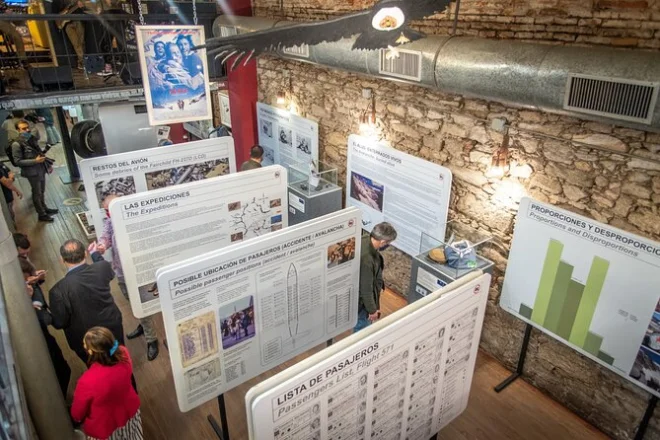
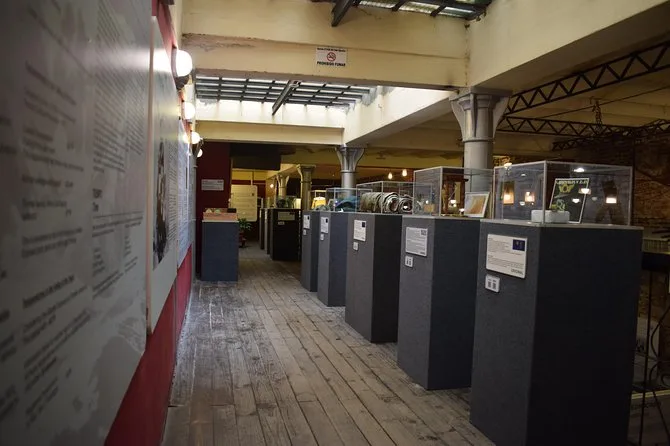
You walk through Montevideo’s old city and suddenly there’s this quiet building — Museo Andes 1972. It doesn’t look like much from outside, but inside, it’s another world. I remember the hush as we stepped in; even the air felt different, almost heavier. Our guide, Martín, started in Spanish but switched to English when he heard my accent (I tried a little Spanish but honestly — not my best moment). He pointed out a battered suitcase and some twisted metal on display. That was when it hit me: these weren’t just museum props, they were pieces of the plane from the Andes crash.
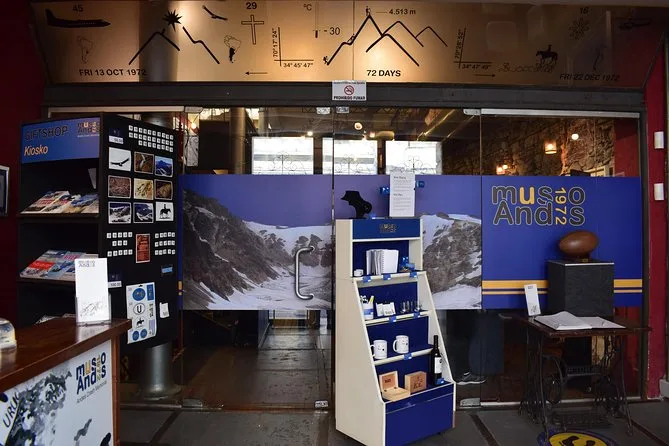
The main exhibit is this long timeline along one wall — each day of those 72 days marked out. There are photos of the survivors and the ones who didn’t make it. I caught myself staring at a pair of shoes behind glass for way too long. The smell in here is hard to describe — old paper, dust, maybe something metallic? Martín told us how families waited for news back in Uruguay while the world kept turning (there’s even a panel about what was happening globally at the same time). I found myself thinking about what I’d do in their place — not sure I’d have lasted a week.
I didn’t expect to feel so much just looking at documents and scraps of clothing. There’s this cabinet with handwritten notes from the survivors; one of them is smudged and barely readable, but you can still see where someone pressed too hard with the pen. A couple next to me whispered about seeing “Alive” years ago — I hadn’t seen it, but now I kind of want to. Martín answered every question without making things dramatic or touristy. He just seemed… respectful? It mattered.
We left quietly — nobody really talked until we were back outside with all the city noise again. Even now, if I close my eyes, I can picture that battered seatbelt and those faded Polaroids lined up under glass. So yeah, if you’re curious about real survival stories or just want to see something honest in Montevideo, this museum sticks with you.

What’s included
Your ticket gets you entry to Museo Andes 1972 right in Montevideo’s historic center and includes a guided visit led by a local who knows every detail — plus access to all exhibits with bilingual information panels throughout your time inside.
Operated by Museo Andes 1972
Traveler reviews
More experiences you might like
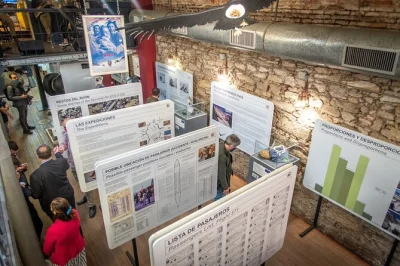 Montevideo: Andes 1972 Crash Museum Entry & Survivor Story★ 4.91 (411)45m–1h 30mUS$ 8
 Montevideo Dinner Show & Candombe Experience with PickupEnjoy a night of candombe, tango, and Uruguayan folklore at El Milongón in Montevideo. Includes three-course dinner, wine, and hotel transfers.★ 3.95 (20)3hESUS$ 107View ›
Top questions
Where is Museo Andes 1972 located?
The museum is in a 19th-century building in Montevideo’s historic city center.
What can I see at Museo Andes 1972?
You’ll find crash debris, survivor belongings, photos, documents, and a detailed timeline of events.
Is there a guide included with admission?
Yes, your entry includes a local guide who may speak multiple languages.
Are exhibits bilingual?
Yes, there are around 40 bilingual panels throughout the museum.
Is this suitable for children?
Children can visit but must be accompanied by an adult.
How big is the museum?
The exhibition covers about 400 square meters with several cabinets and displays.
Does admission include pickup or transport?
No pickup or transport is included; admission covers entry and guided tour only.
Montevideo: Andes 1972 Crash Museum Entry & Survivor Story
45m–1h 30m
from US$ 8 per person
★★★★★★★★★★4.91411 reviews
