
Istanbul: 8-Day Turkey Tour Gallipoli, Troy, Ephesus & Cappadocia


Eight Days Across Turkey's Ruins: From Gallipoli to Cappadocia's Fairy Chimneys
You leave Istanbul at 6:30 AM and spend eight days moving through Turkey's major archaeological sites and natural wonders: Gallipoli's WWI battlefields and memorials, Troy's legendary ruins, Pergamon's hilltop temples and ancient library, Ephesus's Library of Celsus and Temple of Artemis, Pamukkale's thermal pools and Hierapolis, Antalya's coastal old town, and Cappadocia's fairy chimneys with optional hot air balloon rides. Hotel pickup, all meals, entry fees, and transport are included; you return to Istanbul on day eight.
 8d
8d

Step-by-step itinerary
Day 1 — Gallipoli battlefield and Canakkale
- Pick up from Istanbul hotel
- Drive to Gallipoli peninsula
- Lunch in Eceabat town
- Visit Gallipoli battlefields and memorials
- Transfer to hotel in Canakkale
- Evening free for shopping and exploring
Day 2 — Explore ancient Troy ruins
- Visit Troy archaeological site
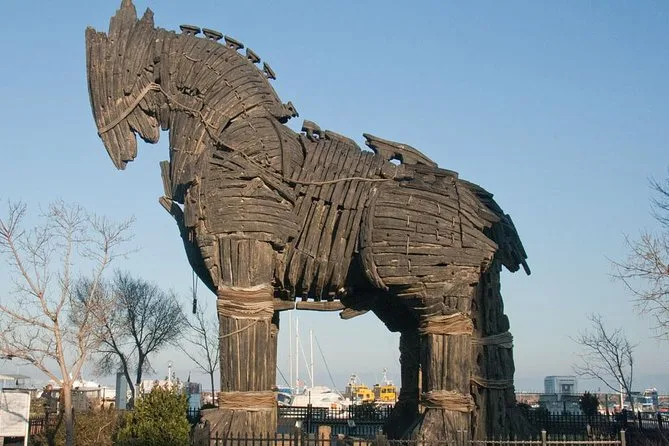
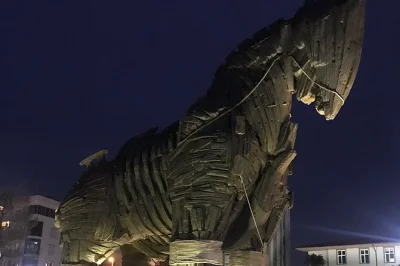
- See Trojan Horse replica
- Tour Troy Museum exhibits
Day 3 — Discover Pergamon ancient city
- Explore Pergamon Acropolis
- Visit Altar of Zeus and temples
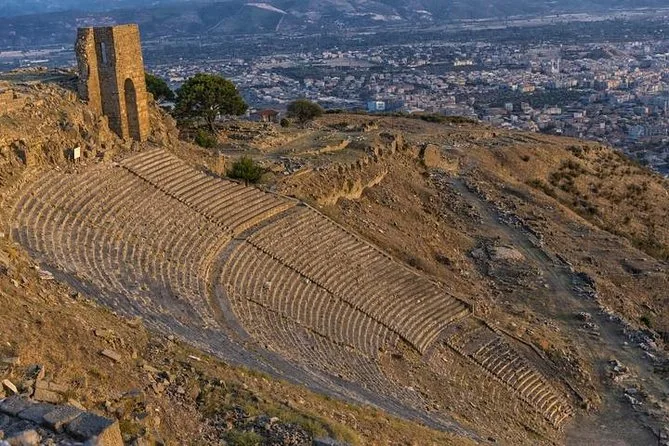
- See Pergamon Theater
Day 4 — Tour Ephesus ancient ruins
- Visit Temple of Artemis site
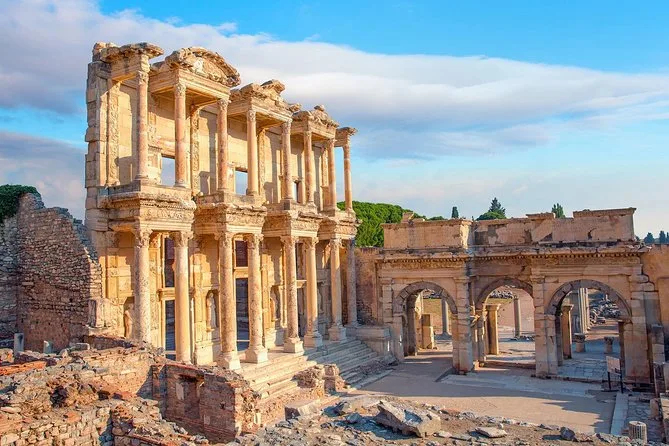
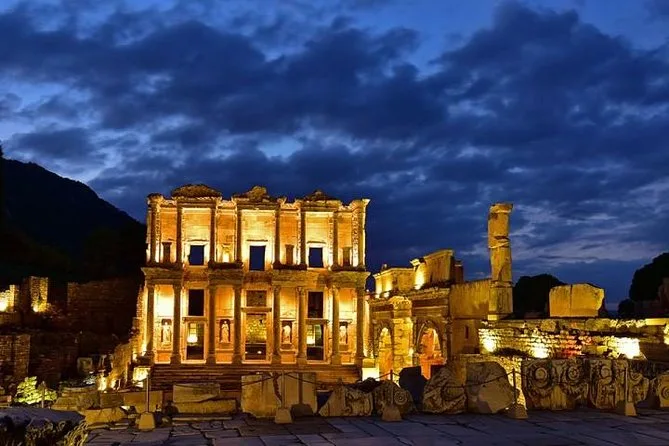
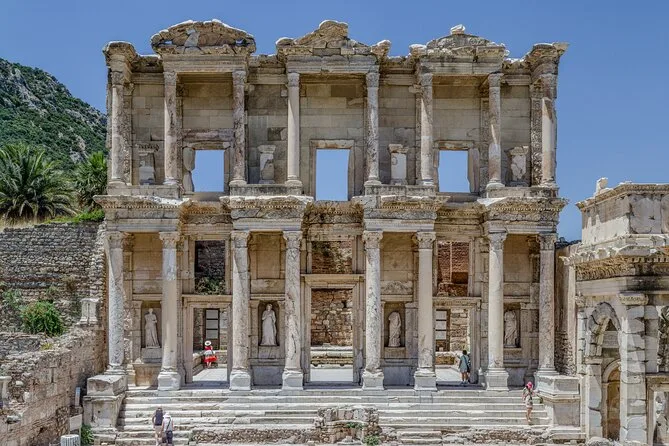
- Explore Library of Celsus
- See Great Theatre
- Tour Terrace Houses
Day 5 — Relax at Pamukkale hot springs
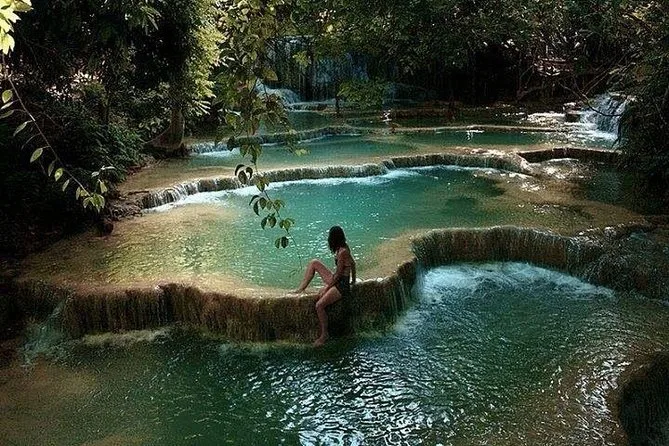
- Visit Pamukkale Thermal Pools
- Explore ancient Hierapolis ruins
Day 6 — Discover Antalya's highlights
- Tour Kaleiçi Old Town
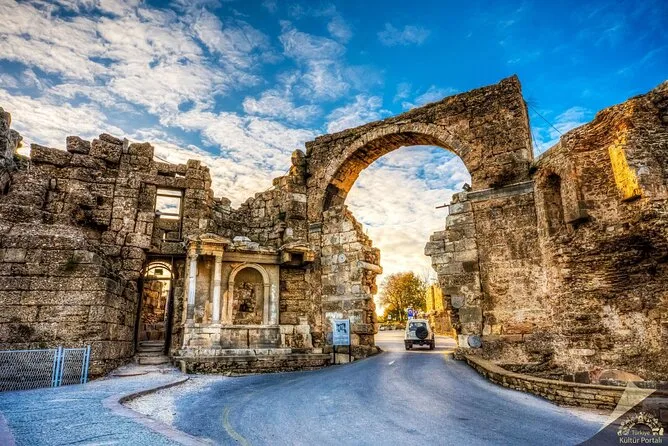
- Visit Hadrian’s Gate
- Explore Antalya Museum
- See Düden Waterfalls
- Relax at Konyaaltı Beach
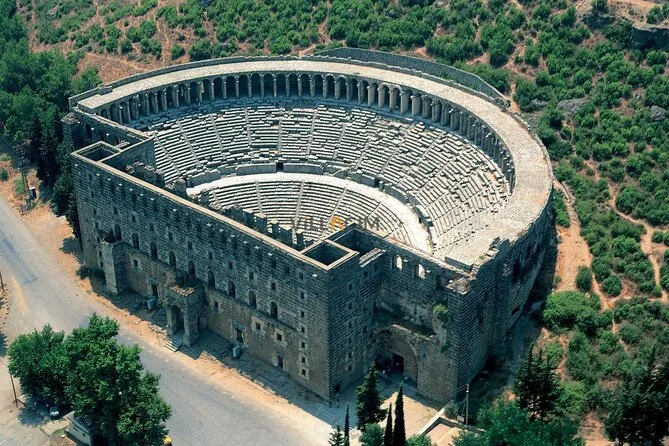
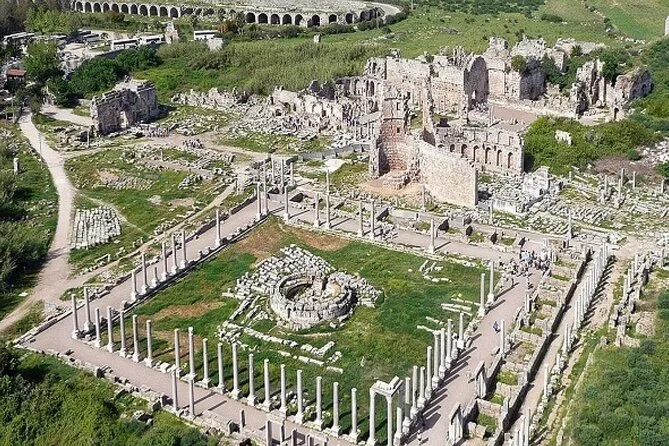
- Visit Aspendos Theatre and Perge ruins
Day 7 — North Cappadocia day tour
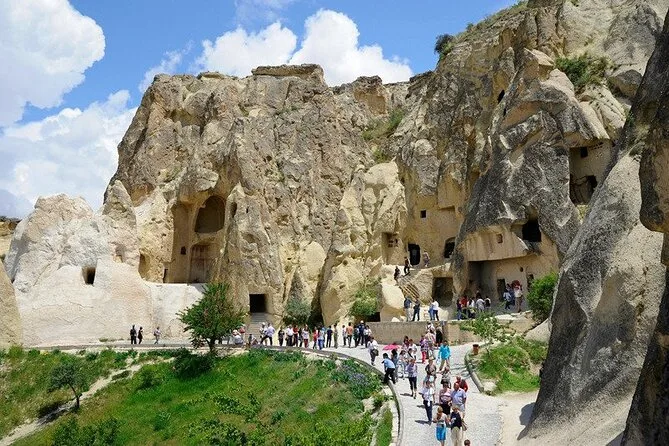
- Visit Göreme Open-Air Museum
- See Pasabag fairy chimneys
- Explore Devrent Valley formations
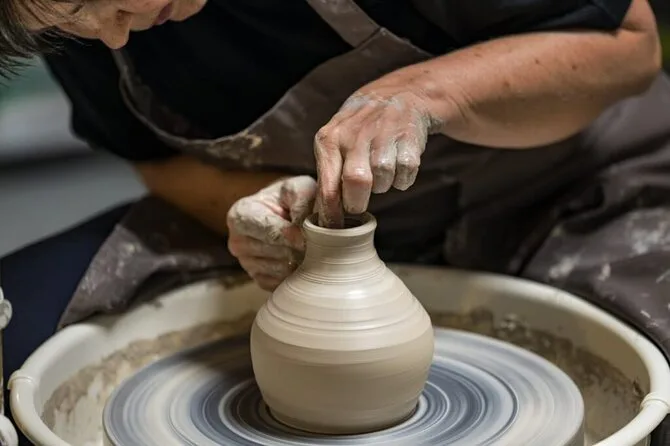
- Visit Avanos pottery workshops
- Tour Zelve Open-Air Museum
- Climb Uçhisar Castle
- See Love Valley rock formations
Day 8 — Cappadocia balloon and South tour
- Take early morning balloon tour
- Visit Derinkuyu Underground City
- Hike Ihlara Valley
- See Pigeon Valley

The Experience
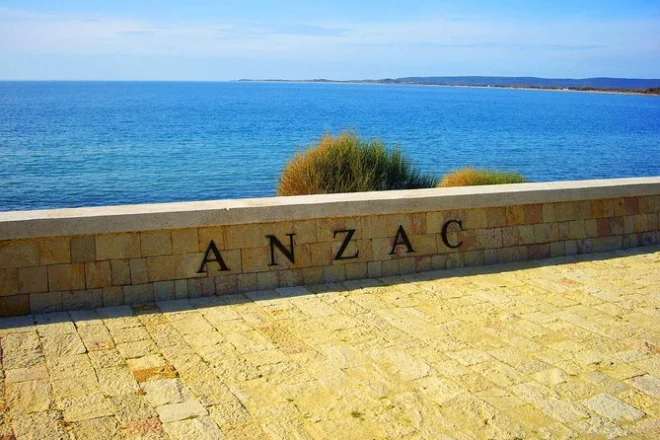
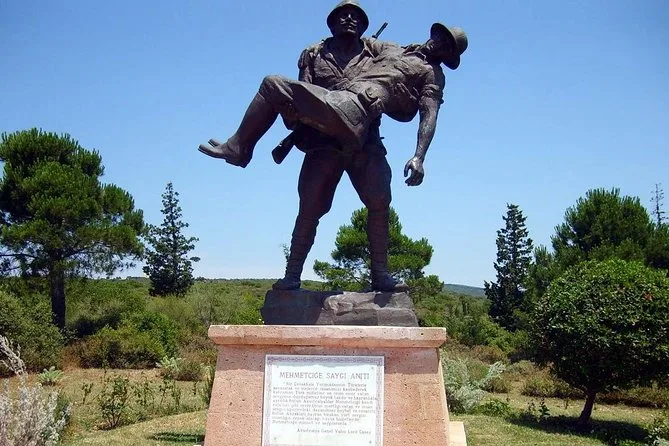
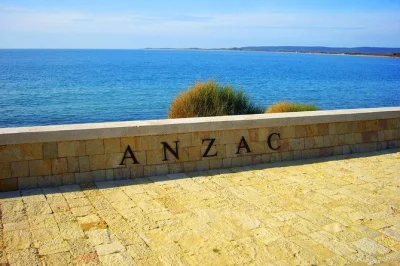
Our guide Mehmet was waiting in the hotel lobby at 6:15 AM, coffee in hand, already talking about the drive ahead. He'd worked this Istanbul tour route for twelve years and knew exactly which stops would matter—not the ones the brochure listed, but the ones where you actually stand still and think. The bus left at 6:30, heading south toward Gallipoli, and for the first two hours it was just the Sea of Marmara sliding past the windows and Mehmet pointing out small towns we'd never heard of. By noon we were in Eceabat, eating lunch on a terrace overlooking the peninsula, and then the tone shifted. The Gallipoli battlefields are quiet in a way that's hard to describe—trenches still visible, memorials scattered across the hillside, and Mehmet telling the stories of the ANZAC and Ottoman forces without any of the usual tour-guide rhythm. You walk the actual ground where soldiers died, and it lands differently than reading about it.
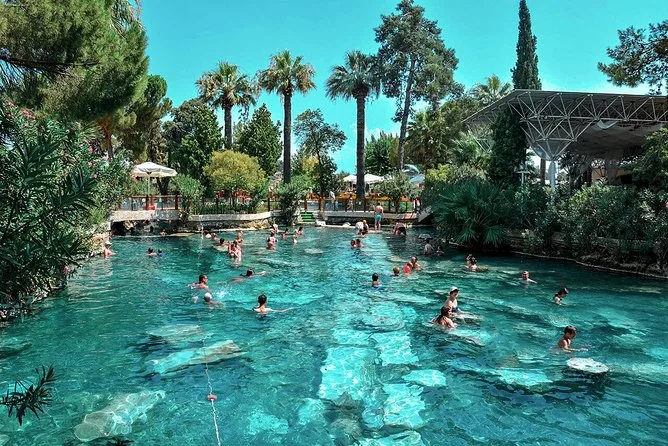
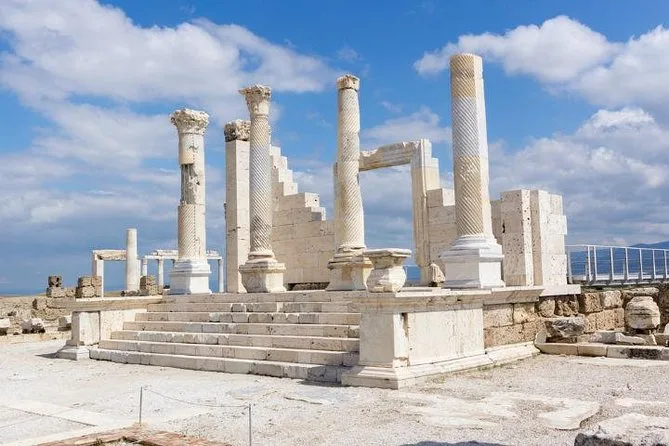
The next stops came in sequence: Troy the day after, with its nine layers of settlement and the replica Trojan Horse standing in the middle of the ruins like a monument to myth becoming real. Then Pergamon, where the Acropolis sits on a hilltop steep enough that the theater—one of the steepest in the ancient world—feels like it might tip forward. The library here held 200,000 scrolls once, and the Altar of Zeus is still impressive even as rubble. Ephesus came next, and this is where the tour shifts from history into something more visceral. The Library of Celsus is intact enough that you can stand in front of it and imagine scholars moving through those corridors. The Temple of Artemis is mostly gone, but knowing it was one of the Seven Wonders makes the absence feel like something. Pamukkale breaks the rhythm entirely—white travertine terraces cascading down the mountainside, thermal pools at 35 to 100 degrees Celsius, and the ancient city of Hierapolis sitting above it all. You wade in the warm water and the landscape stops making sense for a moment.
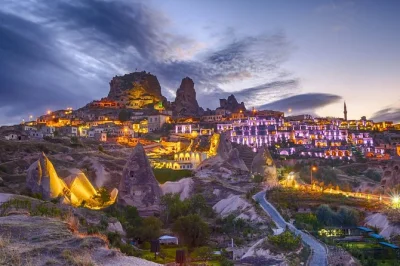
Antalya is the coastal pause, a day to walk the old town's Ottoman streets and see Hadrian's Gate, the Aspendos Theatre still standing after two thousand years. Then Cappadocia arrives, and the landscape becomes almost unreal—fairy chimneys rising from the earth, valleys shaped like something from another planet. The North Cappadocia day tour hits Göreme's rock-cut churches with their tenth-century frescoes, Pasabag's mushroom formations, and Avanos where potters still work clay by hand. If you book the balloon ride—and most people do—you're up before sunrise watching dozens of balloons fill the sky above the same valleys you walked through the day before. The South Cappadocia tour takes you underground into Derinkuyu, an ancient subterranean city with multiple levels, and through Ihlara Valley's gorge with its rock-hewn churches and hiking trail. Eight days moves fast, but not so fast that you miss the weight of what you're seeing.
The whole thing includes hotel pickup from Istanbul on day one, all meals and entry fees, air-conditioned transport, and a guide who actually knows the stories behind the stones. Breakfast and lunch are built in, so you're not hunting for food between sites. The itinerary is fixed—you leave when the bus leaves, you stop where the bus stops—which is exactly what makes it work. You're not arranging your own transport between five different regions, negotiating entry fees, or trying to time a lunch break around closing hours. That's all decided. Suitable for all fitness levels, though Gallipoli and Cappadocia involve walking, and some sites have stairs. Infants sit on laps; specialized seats are available if you need them.

What’s included
Your eight days include hotel pickup from Istanbul, round-trip transport in an air-conditioned vehicle, entry fees to all archaeological sites and attractions, breakfast and lunch each day, and a guide leading you through Gallipoli, Troy, Pergamon, Ephesus, Pamukkale, Antalya, and Cappadocia. Optional activities like hot air balloon rides and the South Cappadocia underground city tour can be arranged separately.
Operated by Travel Store Turkey
Is this one for you?Book this if you want to see Turkey's major ancient sites and natural wonders without arranging your own transport, entry fees, or timing between regions—the fixed eight-day schedule is what makes it possible to move from Gallipoli to Cappadocia and actually absorb each stop instead of just passing through.
Traveler reviews
Compare the 13 similar options
 Istanbul: 8-Day Turkey Tour Gallipoli, Troy, Ephesus & Cappadocia★ 5.00 (1)8dEN · ESUS$ 2,195
 6-Day Turkey Tour: Cappadocia, Pamukkale, Ephesus, TroySix-day guided tour of Turkey visiting Gallipoli battlefields, Troy's ancient ruins, Ephesus temples, Pamukkale's white travertines★ 4.89 (106)6dEN · ESUS$ 2,028View ›
 Istanbul to Gallipoli & Troy: 2 Day Tour with Hotel & GuideStep into history from Istanbul to Gallipoli’s battlefields and ancient Troy, with a local guide, hotel stay, and all transfers included for a seamless journey.★ 4.89 (172)2dENUS$ 370View ›
 6-Day Turkey Tour from Istanbul: Gallipoli to CappadociaSix-day guided tour from Istanbul through Gallipoli's WWI battlefields, Troy's ancient ruins, Ephesus★ 4.90 (30)6dEN · ESUS$ 1,733View ›
 Istanbul: Topkapi Palace Skip-the-Line & Harem AccessSkip Topkapi Palace ticket lines in Istanbul with fast-track entry to the Harem, Ottoman relics & Bosphorus views. Expert guide included, explore at your own pace.2hENUS$ 156View ›
 Cappadocia, Ephesus & Pamukkale: Hot Air Balloon, Ancient Ruins, Thermal PoolsFloat over Cappadocia at sunrise, walk barefoot on Pamukkale’s travertines, and explore Ephesus with a small group. Includes flights, hotel pickup, and local lunches.★ 4.85 (143)4dEN · ESUS$ 1,500View ›
 5-Day Aegean Tour: Gallipoli, Troy, Ephesus, PamukkaleFive-day guided tour from Istanbul through Turkey's Aegean coast—walk the Gallipoli battlefields, explore Troy and Ephesus★ 4.52 (88)5dENUS$ 1,477View ›
 Troy Day Tour from Istanbul: Ancient City with Guide & LunchDay tour from Istanbul to Troy with professional English guide, hotel pickup, lunch and ferry across the Dardanelles★ 4.50 (143)17hENUS$ 165View ›
 2-Day Gallipoli, Troy & Pergamon Tour from IstanbulTwo-day guided tour from Istanbul visiting Gallipoli's ANZAC battlefields, Troy's ancient ruins and museum, and Pergamon's acropolis with overnight accommodation.★ 4.89 (37)2dENUS$ 485View ›
 Istanbul: Blue Mosque & Hagia Sophia with Museum TicketSmall-group walking tour of Istanbul's Blue Mosque and Hagia Sophia with museum entry. Licensed English guide, max 10 people. 1,500 years of history in one morning.2hENUS$ 92View ›
 Istanbul to Cappadocia & Ephesus: 7-Day Turkey Tour7-day guided tour of Istanbul, Cappadocia, Ephesus & Pamukkale with 6 nights in boutique hotels, 3 domestic flights, all meals, entrance fees & expert guide included.★ 4.93 (92)7dEN · ESUS$ 1,713View ›
 Istanbul & Cappadocia: 10-Day Turkey Tour Troy Ephesus10-day guided tour from Istanbul through Troy, Ephesus, Pamukkale & Cappadocia. Includes 9 nights, all transport, entrance fees & professional guide. Small group departures.★ 4.82 (95)10dENUS$ 2,599View ›
 Day trip to Ephesus from Istanbul: Flight, guide, lunch includedFly from Istanbul to Ephesus for a full day exploring ancient ruins, the House of the Virgin Mary, and the Temple of Artemis—with a guide★ 4.56 (48)14hEN · JAUS$ 280View ›
Top questions
How long is the 8-day Turkey tour from Istanbul?
Eight full days, starting with hotel pickup at 6:30 AM on day one from Istanbul and returning by day eight. Each day includes driving between regions, guided site visits, and meals.
What are the main sites included in this tour?
Gallipoli Peninsula (WWI battlefields), Troy, Pergamon, Ephesus, Pamukkale thermal pools and Hierapolis, Antalya, and Cappadocia (including Göreme, Pasabag, Devrent Valley, Avanos, Zelve, and Uçhisar Castle). Optional hot air balloon rides and South Cappadocia tours are available.
Is hotel pickup included?
Yes, pickup from your Istanbul hotel is included at 6:30 AM on day one.
Are entry fees to archaeological sites included?
Yes, all entry fees and taxes are included in the tour price.
Is the hot air balloon ride in Cappadocia included?
The balloon tour is mentioned as part of the Cappadocia experience but appears to be optional. Confirm pricing and availability when booking.
What type of transportation is used?
An air-conditioned bus is used for all transport between regions and sites.
Is this tour suitable for families with young children?
Yes, it's suitable for all fitness levels. Infants can sit on an adult's lap, and specialized infant seats are available upon request.
Do I need to arrange my own transport between sites?
No, all transport is included. The tour operates on a fixed itinerary with scheduled pickups and drop-offs.
Istanbul: 8-Day Turkey Tour Gallipoli, Troy, Ephesus & Cappadocia
8d · EN · ES · at your hotel
from US$ 2,195 per person
★★★★★★★★★★5.001 reviewVerified traveler reviews via our booking provider
