

 +507 6792-0894


3-Day Tunisia Tour with UNESCO Sites & Local Lunch


Summary
Explore Tunisia’s UNESCO medinas, Carthage ruins, and coastal towns in three days with a local guide
You’ll wander ancient medinas in Tunis and Sousse, taste Kairouan pastries fresh from local hands, stand atop Roman ruins at El Djem, and watch sunlight flicker off blue-and-white houses in Sidi Bou Saïd. With a local guide handling every detail — from hotel pickup to entry fees and hearty lunches — you’ll get moments you’ll remember long after the trip.

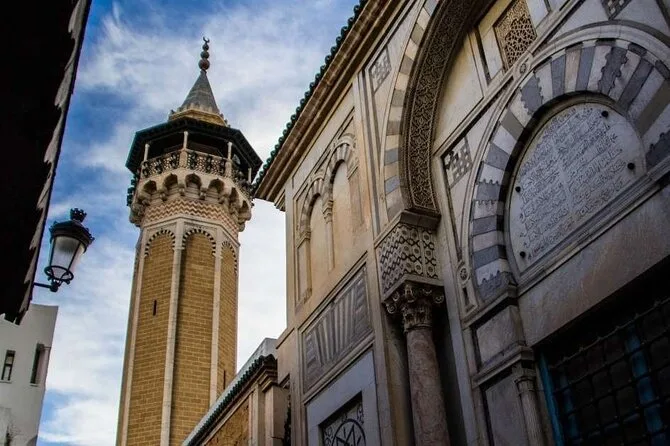
“Try this — Mekroudhs are best in Kairouan,” our guide Sami grinned, handing me a sticky diamond of pastry dusted with sesame. I’d barely finished chewing when the call to prayer floated over the Medina of Tunis — that echoing sound you feel in your chest more than your ears. The alleys were a tangle of blue doors and tiled archways, and I kept losing track of time poking into shops where old men pressed leather or hammered silver. Sami seemed to know everyone; he’d stop every few steps to greet someone or point out some detail I’d have missed — like the way the sunlight hit carved cedar doors at noon. It was humid but not hot, and the smell of mint tea drifted from every café.
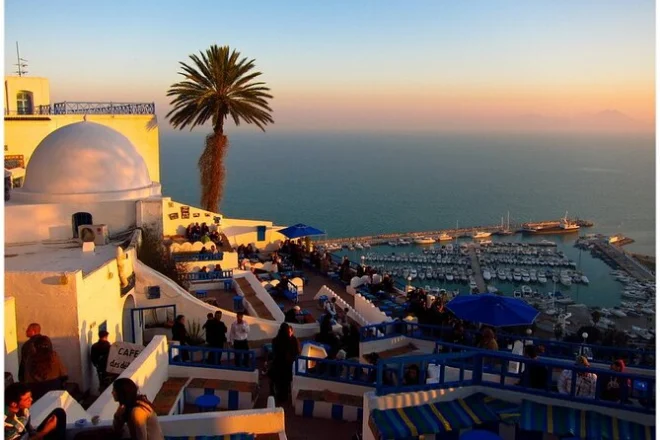
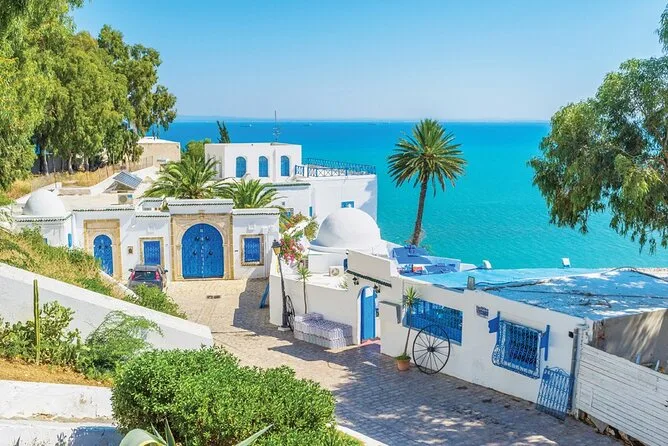
We drove out to Carthage after lunch (which was heavier than I expected — lamb stew with bread for dipping), passing apartment blocks and then suddenly standing among ancient columns overlooking the sea. There’s something strange about seeing schoolkids on field trips running around ruins that old. Sidi Bou Saïd came next: white walls, blue shutters, cats everywhere. I tried to order coffee in French but ended up just pointing and laughing with the barista. The view down to the water is one of those things you think will be overhyped but isn’t — I still think about that blue.
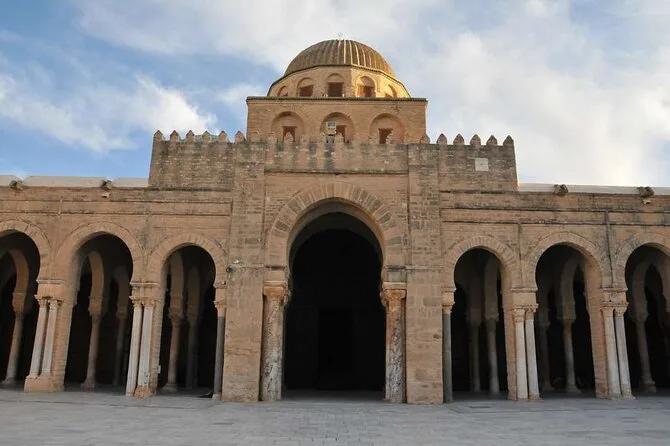
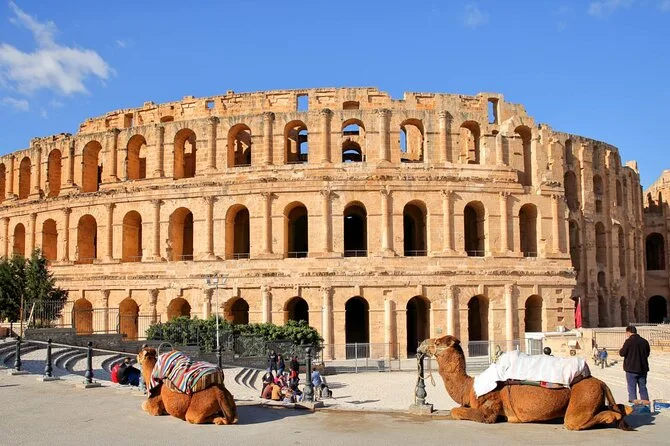
The second day started early — Kairouan’s Great Mosque before most tourists showed up. You can hear your own footsteps echo under those arches. Sami explained how pilgrims come here from all over; he even showed us how to spot the oldest marble columns by their worn edges. Later we wandered through souks where women bargained for carpets and kids darted between stalls selling spices so strong they made my nose itch. El Djem’s amphitheater was massive — bigger than it looks in photos — and climbing up those stone steps gave me shaky legs (don’t look down if you’re scared of heights). Lunch was simple: grilled chicken, olives, flatbread.
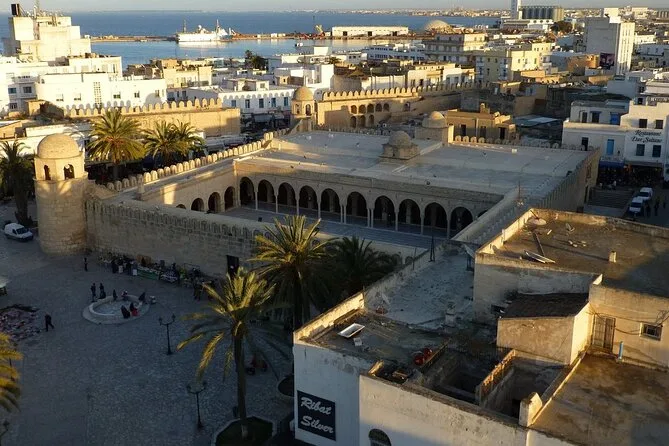
By day three my shoes were dusty from Hammamet’s sandy streets. Jasmine everywhere — people actually hang it behind their ears here, which I didn’t expect. Sousse’s medina felt different: more open sky above the walls, fishermen mending nets near the port. Monastir had this fortress right on the sea; we climbed up for a view that made me wish I could paint (I can’t). The wind off the water was salty and cool after all that sun.
 3d
3d

Step-by-step itinerary
Day 1 — Medina of Tunis, Carthage, Sidi Bou Saïd
- Visit Medina of Tunis
- Explore Carthage district
- Tour archaeological site of Carthage
- Visit village of Sidi Bou Saïd
Day 2 — Kairouan and El Jem Amphitheater
- Visit Great Mosque of Kairouan
- See Aghlabid basins
- Explore Medina of Kairouan
- Tour El Jem Roman amphitheater
- Visit Archaeological Museum of El Jem
Day 3 — Hammamet, Sousse, Monastir
- Visit Hammamet town and medina
- Explore Medina of Sousse
- Tour Ribat of Monastir
- Visit Monastir marina

Top questions

Is hotel pickup included for this 3-day Tunisia tour?
Yes, pickup is offered from all hotels around Tunis.
Are entrance fees covered during the tour?
Yes, all entry fees for sites like Carthage, El Djem amphitheater, medinas, and museums are included.
Does this tour include lunch?
Yes, lunch is included each day as part of the tour package.
How many UNESCO World Heritage sites are visited?
You’ll visit five UNESCO World Heritage sites across three days.
Is there a local guide throughout the trip?
Yes, a local guide accompanies you for all visits and transfers.
Are infants or small children allowed on this tour?
Yes, infants can join; prams/strollers are allowed and infants sit on an adult’s lap.
What cities are visited during this 3-day Tunisia itinerary?
The tour covers Tunis, Carthage, Sidi Bou Saïd, Kairouan, El Djem, Hammamet, Sousse, and Monastir.
Is public transportation available nearby if needed?
Yes, public transportation options are available near most stops.

What’s included
Your days include hotel pickup from anywhere around Tunis plus comfortable air-conditioned transport between cities. All entrance fees are covered for historic sites like Carthage ruins and El Djem amphitheater. A knowledgeable local guide leads every step (and helps with language), while traditional lunches are provided each day before returning to your hotel in Tunis or Hammamet each evening.
 Super deal
  Free booking, free cancellation.
  Don't lose your place.


 Do you need help planning your next activity?
  +507 6792-0894


