
Serengeti Migration Safari 9 Days: Arusha & Ngorongoro


Nine days chasing the wildebeest crossing in Tanzania's Serengeti
You get picked up from Arusha airport and spend nine days following the migration through four national parks and conservation areas. Four nights are in the Serengeti—two in the central plains, two in the north where the Mara River crossing happens. The itinerary includes private transportation, all game drives, park fees, accommodation, and meals, so you're not arranging logistics in the field. Return to Arusha on day nine in the late afternoon.
 9d
9d

Step-by-step itinerary
Day 1 — Arrival and transfer to Arusha lodge
- Pick up from airport
- Transfer to accommodation in Arusha
- Overnight and relax at lodge
Day 2 — Full day game drive in Tarangire
- Breakfast at lodge
- Depart for Tarangire National Park
- Full day game drive in diverse landscapes
- Picnic lunch inside park
- Return to lodge for dinner and rest
Day 3 — Travel to Central Serengeti via Ngorongoro
- Breakfast at lodge
- Drive through Iraqw highlands and Ngorongoro Conservation Area
- View Ngorongoro Crater
- Arrive Serengeti National Park by midday
- Extensive game drive in Serengeti
- Drive to accommodation for dinner and overnight
Day 4 — Game drive to Northern Serengeti
- Morning game drive to Northern Serengeti
- Explore rolling countryside and Lobo Kopje
- Observe wildlife and migration activity
- Return to accommodation for dinner and overnight
Day 5 — Wildlife viewing in Northern Serengeti
- Early breakfast
- Game drive to Mara River for migration viewing
- Watch wildebeest river crossing
- Return to accommodation for dinner and overnight
Day 6 — Return to Central Serengeti game drive
- Breakfast at camp
- Drive back to Seronera area
- Game drive to see predators and wildlife
- Return to accommodation for dinner and overnight
Day 7 — Serengeti to Ngorongoro Crater rim
- Breakfast at camp
- Morning game drive in Serengeti
- Travel to Ngorongoro Crater rim
- Overnight at lodge on crater rim
Day 8 — Ngorongoro Crater wildlife viewing
- Early breakfast
- Descend to crater floor for game viewing
- Picnic lunch near hippo lake
- Ascend crater rim in afternoon
- Overnight in Karatu town
Day 9 — Lake Manyara visit and return to Arusha
- Breakfast in Karatu
- Drive to Lake Manyara National Park
- Explore park and view wildlife
- Lunch in park area
- Drive back to Arusha

The Experience
You arrive in Arusha wondering if you'll actually see it—the moment when hundreds of thousands of wildebeest throw themselves into the Mara River, crocodiles waiting below. That's the pull of this 9-day Serengeti migration safari. A driver meets you at the airport, and after a night to settle in Arusha, you're heading into Tarangire National Park where the Tarangire River draws elephants, lions, and zebras to drink at the same spot. Nine vegetation zones mean the landscape shifts as you drive—baobab trees tower over everything, and if you're lucky, you'll watch a lion take down a wildebeest at the picnic stop.
The real draw is four nights in the Serengeti itself, split between the central plains and the remote north. From July to November, the migration pushes toward the Mara River crossing in the Northern Serengeti—this is where the chaos happens, where thousands of animals pile up on the banks before one brave wildebeest jumps and the rest follow in a stampede. The Serengeti is Tanzania's largest park, and the scale of it hits you on the first game drive: grassy plains that seem to roll forever, swamps, small lakes, kopjes breaking the horizon. You're not rushed through it. Between the river crossings, there are resident predators—leopards, cheetahs, lions—doing what they do, and the guides know where to find them. You sleep in tented camps on the plains, under stars so thick they look unreal.
On the way back down, you stop at the Ngorongoro Crater, which is less a park and more a self-contained world. The crater floor is 610 meters deep and covers 260 square kilometers, and it's one of the best places in Africa to see the big five without leaving the crater. You descend early, eat lunch by the hippo lake, and climb back out in the afternoon. The last stop is Lake Manyara, a smaller park but dense with wildlife—flamingos by the thousands when the water is right, monkeys in the woodlands, lions in the trees if you're patient. Then you drive back to Arusha, arriving in the late afternoon with nine days of dust, game drives, and river crossings behind you.

What’s included
Private transportation throughout the 9 days, all park entry fees, accommodation at lodges and tented camps, game drives with a driver, picnic lunches in the parks, and dinners at your lodges. You arrange your own international flights to Tanzania and any visa requirements.
Operated by Lion King Adventures
Is this one for you?This works if you want to see the migration without piecing together flights, park permits, and camp bookings yourself—the fixed itinerary and included transport mean you show up in Arusha and the rest is arranged. The four nights in the Serengeti are what make the river crossing possible; a shorter trip wouldn't give you enough time in the north.
Traveler reviews
Compare the 13 similar options
 Serengeti Migration Safari 9 Days: Arusha & Ngorongoro★ 4.99 (148)9dEN · DE +3US$ 4,539
 Tanzania Safari: Serengeti, Crater & Game DrivesSeven-day wildlife safari from Arusha covering Tarangire, Lake Manyara, Serengeti and Ngorongoro Crater with private guide★ 4.99 (700)7dEN · DE +3US$ 4,840View ›
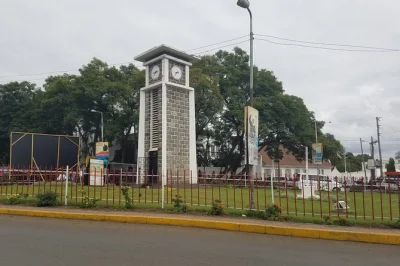 Arusha City Tour with Market & Museum: Local Guide PickupGuided walking tour of Arusha with hotel pickup, hitting the German BOMA museum, Tanzanite museum, Maasai Market and Central Food Market★ 4.98 (340)4hENUS$ 21View ›
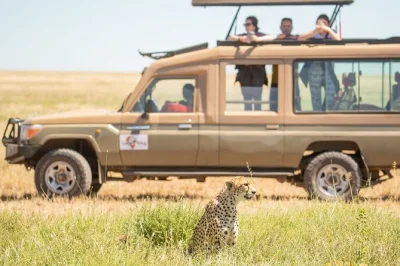 5-day Tanzania safari: Serengeti, Ngorongoro, Lake ManyaraFive-day wildlife safari through Tanzania's Northern Circuit visiting Tarangire, Ngorongoro Crater★ 4.99 (292)5dEN · DE +3US$ 3,744View ›
 Arusha cultural tour with markets and Tanzanite MuseumStart at the Clock Tower, walk through the Central Market and Maasai Market, tour the Tanzanite Museum and Natural History Museum★ 4.90 (105)3h–8hEN · DEUS$ 16View ›
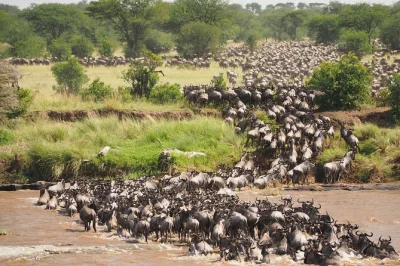 8-Day Serengeti Safari from Arusha: Wildebeest MigrationEight-day wildlife safari through Tanzania's Northern Circuit with game drives in Tarangire, Ngorongoro Crater and Serengeti National Park★ 4.99 (294)8dEN · DE +3US$ 4,257View ›
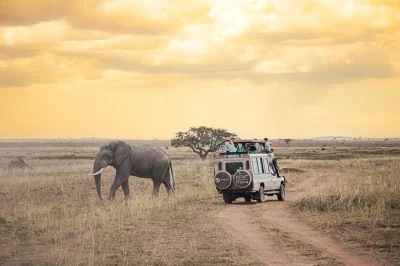 Tanzania Safari 7 Days: Serengeti, Ngorongoro & TarangireSeven-day wildlife safari from Arusha through four parks with private 4x4, expert driver-guide and all park fees included—start at Lake Manyara★ 4.99 (1,670)7dEN · DE +3US$ 4,426View ›
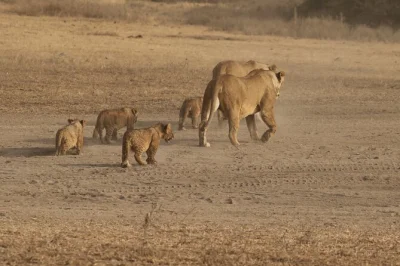 Tanzania Safari: Serengeti, Ngorongoro & Lake Manyara CampingWake up to wild sounds in Serengeti, spot tree-climbing lions at Lake Manyara, and descend into Ngorongoro Crater. Includes camping, all meals, and guide pickup.★ 4.98 (863)5dENUS$ 1,400View ›
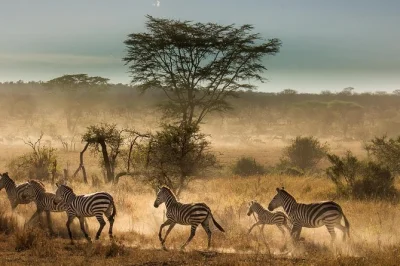 6-Day Tanzania Safari from Arusha: Serengeti Wildebeest MigrationSix-day camping safari from Arusha through Tarangire, Serengeti and Ngorongoro with a professional guide tracking the wildebeest migration—hotel pickup★ 4.98 (181)6dENUS$ 1,670View ›
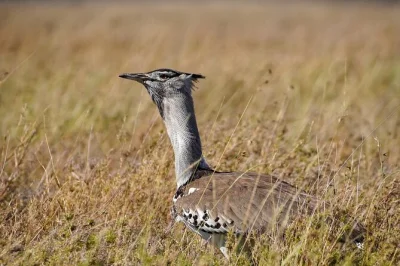 Arusha: 5-Day Safari Tarangire, Serengeti & Ngorongoro Crater5-day private safari from Arusha visiting Tarangire, Lake Manyara, Serengeti & Ngorongoro Crater. Includes airport pickup, game drives, lodge stays and meals.★ 4.98 (195)5dEN · DE +3US$ 3,600View ›
 Tanzania Safari 6-Day Private 4x4 Serengeti & TarangirePrivate 6-day safari from Arusha in a 4x4 with professional guide, park fees and lodge stays included. Game drives through Tarangire★ 4.91 (98)6dEN · DE +3US$ 2,783View ›
 Tanzania Safari: Tarangire, Serengeti & Ngorongoro TourSix-day safari from Arusha covering Tarangire, Lake Manyara, Serengeti and Ngorongoro Crater with experienced driver-guide★ 4.99 (133)6dEN · DE +3US$ 3,794View ›
 Tanzania Safari: Tarangire, Serengeti & Ngorongoro 5-DayFive-day camping safari from Arusha through Tarangire, Serengeti and Ngorongoro Crater with game drives, meals and 4WD transport included★ 4.85 (107)5dENUS$ 1,120View ›
Top questions
When is the best time to see the Mara River crossing?
July to November, when the migration is in the Northern Serengeti. The crossing is most active in August and September.
What's included in the 9-day safari?
Private transportation, all game drives, park entry fees, accommodation at lodges and tented camps, and meals. You don't arrange transport or tickets separately.
How many nights are in the Serengeti?
Four nights total: two in the central Serengeti, two in the Northern Serengeti near the Mara River.
Is this suitable for families with children?
Yes. The itinerary is suitable for all fitness levels. Infants can sit on an adult's lap during drives.
What wildlife will I see?
Elephants, lions, leopards, buffalo, zebras, giraffes, wildebeest, and hundreds of bird species. The big five can be seen in Ngorongoro Crater.
How long are the game drives each day?
Full-day game drives are typical, with picnic lunch stops inside the parks. Early starts are common to catch animals during cooler hours.
Do I need a visa for Tanzania?
Most nationalities need a visa. Check with your embassy before booking. The tour operator can advise on requirements.
What accommodation is used?
A mix of lodges and tented camps: Arusha Planet Lodge in Arusha, Eileen's Trees Inn in Tarangire, Land of Nature Tented Camp in the Serengeti, Mara Heritage Camp in the north, and others listed in the itinerary.
Serengeti Migration Safari 9 Days: Arusha & Ngorongoro
9d · EN · DE +3 · at your hotel
from US$ 4,539 per person
★★★★★★★★★★4.99148 reviews
