

 +507 6792-0894


Kilimanjaro: 7-Day Machame Route Trek with Expert Crew



Summary
Climb Kilimanjaro’s wild Machame Route with local crew support
You’ll hike Kilimanjaro’s Machame route with local guides and porters by your side—from damp rainforest trails to icy summit winds. Expect muddy boots, hot meals in canvas tents, and moments of quiet awe above the clouds. It’s tough but honest work—with plenty of small kindnesses along the way.

It started with a handshake from Joseph at the hotel near Moshi—he grinned, asked if I’d slept (I hadn’t, nerves), and handed me a mug of ginger tea. The night before, our guide went over every detail for the Kilimanjaro Machame route, but somehow it all felt more real when I saw the porters loading gear into faded vans at dawn. There was this earthy smell—wet grass and diesel—and everyone seemed both sleepy and oddly cheerful. I tried to pronounce “asante sana” properly; Joseph just laughed and told me not to worry about it.
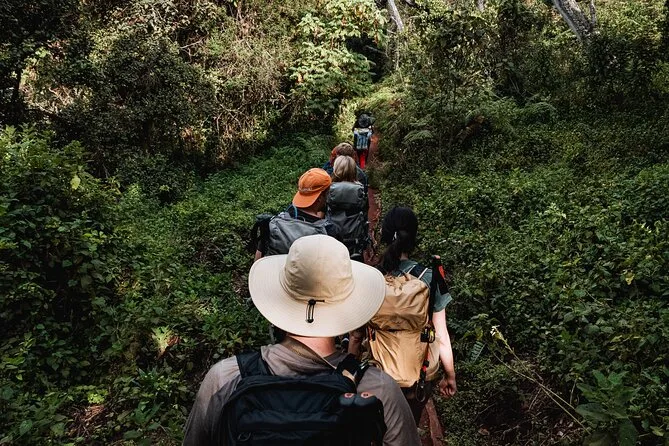
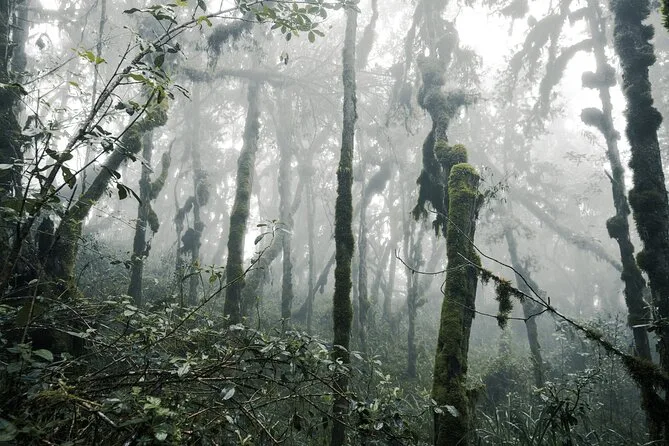
The first day hiking up from Machame Gate was all misty rainforest—huge trees dripping water onto our jackets, birds somewhere overhead. My boots squelched in the mud (should’ve tightened them better), and every so often our guide would stop to point out some plant or tell us how far we had left. It wasn’t easy, but there was something comforting about moving as a group—someone always cracking a joke or sharing dried mangoes. By the time we reached camp, my legs were jelly and my hair smelled like smoke from the kitchen tent. Dinner tasted like actual magic after that climb—rice, beans, something spicy—and I remember thinking I’d never been so grateful for a sleeping bag.
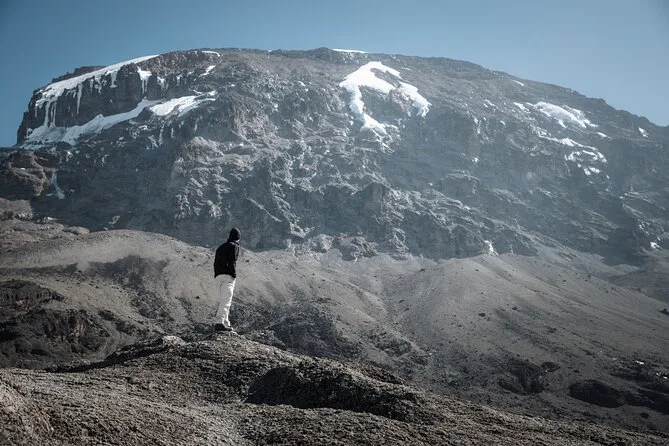
The days started to blur together after that—Shira Plateau’s wide open sky, the strange crunch of frost underfoot at Barranco Camp, everyone getting quieter as we climbed higher. The guides checked on us constantly (“Pole pole,” they’d say—slowly slowly). At Lava Tower I got a headache that wouldn’t quit; one of the cooks pressed a cup of sweet tea into my hands without saying much. There was this moment near Karanga Camp where clouds parted just enough to see Kibo glowing pink in the evening light—I still think about that view sometimes when I’m stuck in traffic back home.
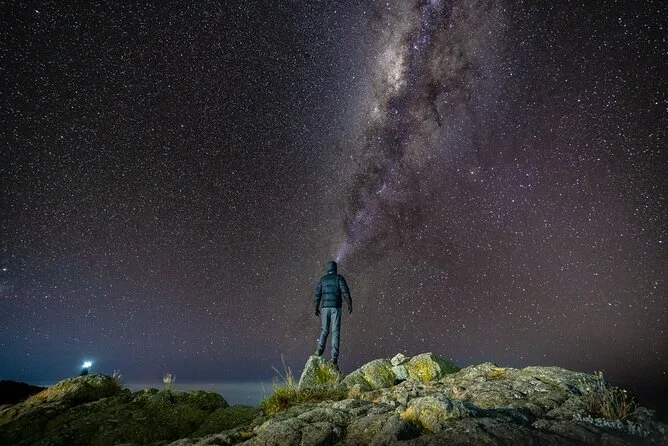
Summit night is honestly kind of a blur—headlamps bobbing in the dark, wind biting through every layer, guides murmuring encouragement as we shuffled upward. When we finally reached Uhuru Peak just after sunrise, it didn’t feel triumphant exactly… more like relief mixed with disbelief (and maybe mild altitude confusion). On the way down someone handed me a biscuit and I nearly cried from happiness. The descent was rough on my knees but easier knowing what waited below: warm food, laughter echoing around camp, Joseph’s familiar smile at Mweka Gate.
 9d
9d

Step-by-step itinerary
Day 1 — Arrival and briefing
- Arrive at Kilimanjaro Airport
- Meet Altezza Travel representative
- Transfer to hotel
- Check-in and settle in
- Evening briefing with managers
Day 2 — Trek Machame Gate to Camp
- Meet guide and support crew
- Drive to Machame Gate
- Register and acquire permits
- Trek through rainforest to Machame Camp
- Follow altitude sickness precautions
Day 3 — Trek Machame to Shira Camp
- Breakfast at Machame Camp
- Trek to Shira Camp
- Lunch and rest at Shira Camp
- Acclimatization hike to Lava Tower
- Return to Shira Camp for dinner
Day 4 — Lava Tower and descend Barranco
- Breakfast at Shira Camp
- Trek to Lava Tower
- Rest and lunch at Lava Tower
- Descend to Barranco Camp
- View Barranco Wall
Day 5 — Climb Barranco Wall to Karanga
- Early wakeup and breakfast
- Climb Barranco Wall
- Rest and photo stop
- Trek to Karanga Camp
- Lunch and rest at Karanga Camp
- Acclimatization hike near Barafu Camp
- Return to Karanga Camp
Day 6 — Trek Karanga to Barafu Camp
- Breakfast at Karanga Camp
- Trek to Barafu Camp
- Set up camp and rest
- Acclimatization hike to Kosovo Camp
- Return to Barafu Camp for dinner
Day 7 — Summit Uhuru Peak and descend
- Night departure from Barafu Camp
- Summit Uhuru Peak
- Visit nearby glacier
- Descend to Barafu Camp and rest
- Continue descent to Millennium Camp
Day 8 — Descend to Mweka Gate
- Breakfast at Millennium Camp
- Trek to Mweka Gate
- Group gathering and congratulations
- Sign guestbook and receive certificate
- Transfer back to hotel
Day 9 — Departure day
- Rest at hotel
- Check-out from hotel
- Transfer to airport

Top questions

How long does the Kilimanjaro Machame Route trek take?
The full trek takes 7 days from start to finish, plus pre- and post-climb hotel nights included.
Is airport transfer included for this Kilimanjaro climb?
Yes, pickup and drop-off at Kilimanjaro International Airport are included in your booking.
Are meals provided during the trek?
Yes—all meals are prepared by the mountain kitchen team and special diets can be accommodated.
What kind of accommodation is used on Kilimanjaro?
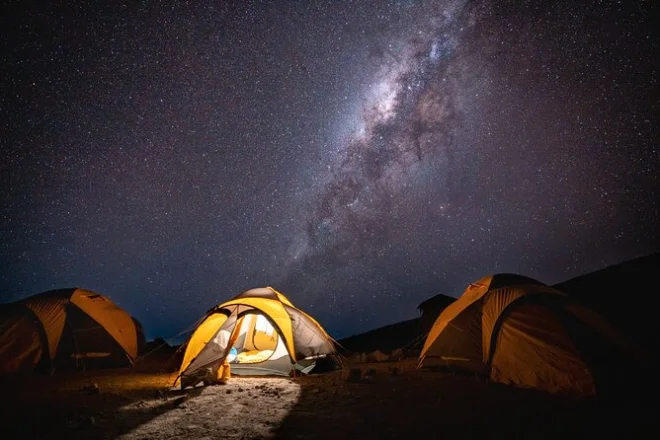
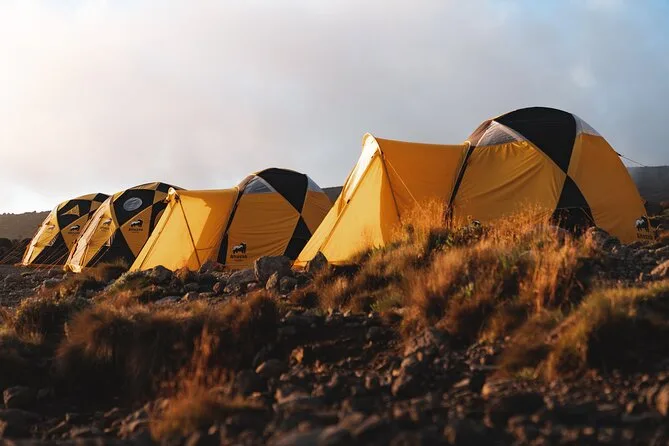
You’ll sleep in walk-in tents (North Face VE-25) set up by porters each night during the trek.
How difficult is the Machame Route for beginners?
This route offers good acclimatization transitions; beginners with moderate fitness can join but should prepare for altitude challenges.
What’s included in the price?
The price covers hotel stays before/after trekking, airport transfers, all park fees, guides/crew support, tents/equipment, meals/drinks on Kilimanjaro.
Do I need to bring my own gear?
Tents and group equipment are provided; you’ll need personal hiking gear such as boots and clothing layers.
Are medical checks available during the trek?
Yes—the crew includes certified Wilderness First Responder guides who do regular health check-ups with oximeters and medical kits on hand.

What’s included
Your journey includes two nights at Aishi Machame Hotel (before and after trekking), airport pickup and drop-off at JRO airport, all ground transport between points along your route, all park entry fees for Mount Kilimanjaro itself, professional guides certified in wilderness first response (they really do check up on you!), porters who carry group equipment plus set up North Face VE-25 tents each night (two people per tent), daily meals cooked fresh—including options for vegetarian or special diets—and drinks like tea or coffee at camp. Oxygen tanks and medical kits travel with you too for safety checks throughout your climb.
 Super deal
  Free booking, free cancellation.
  Don't lose your place.


 Do you need help planning your next activity?
  +507 6792-0894


