
4-Day Safari Arusha: Tarangire, Serengeti & Ngorongoro Crater
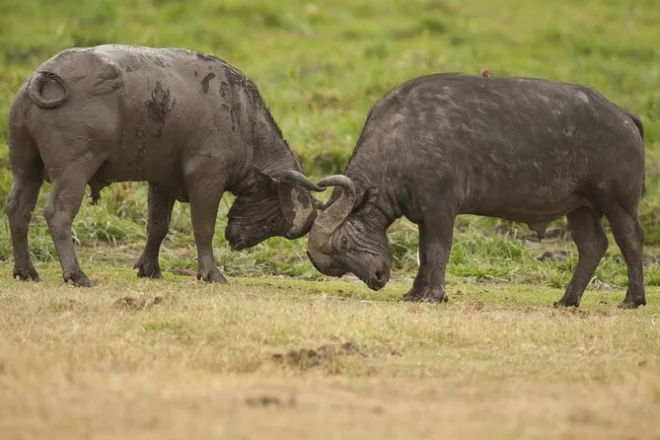
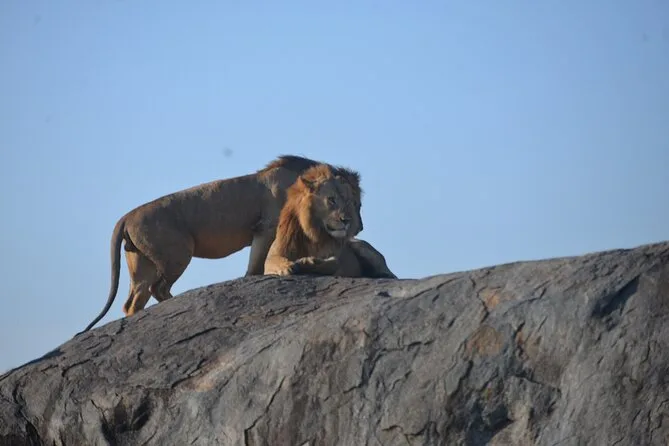
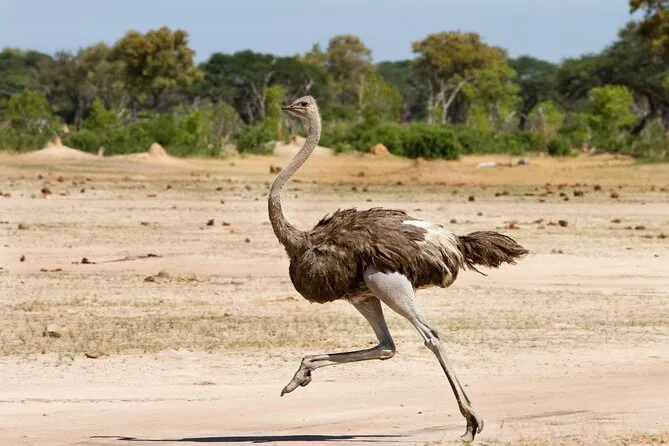
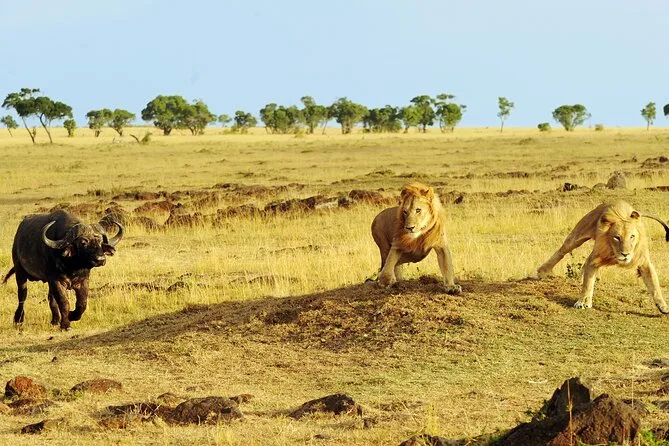

Can you see lions, elephants and rhinos in four days?
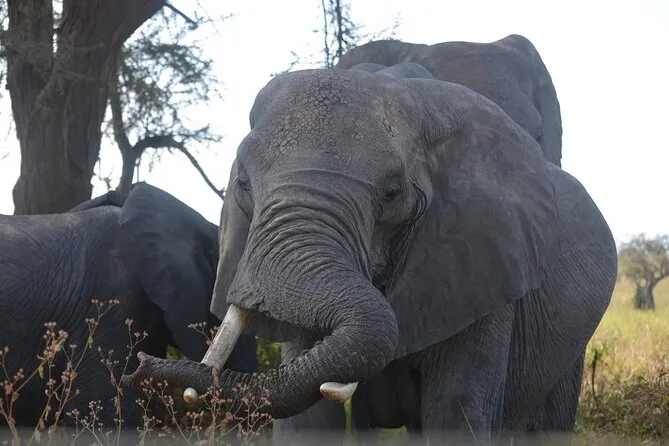
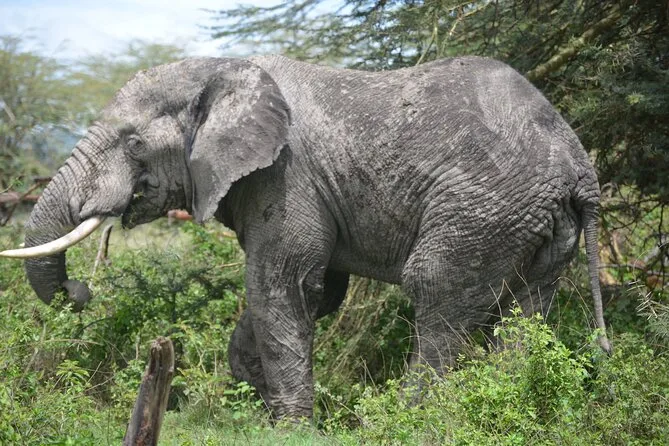
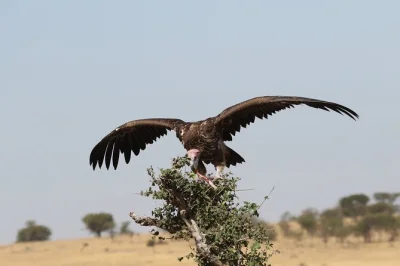
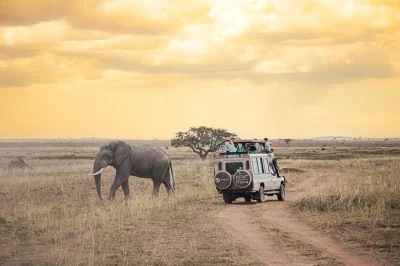
You spend four days moving through three parks with a professional guide, sleeping in lodges and campsites, and eating meals included in the price. Day one covers Tarangire's elephants and baobabs. Days two and three are Serengeti — early morning drives, predator sightings, sunset game drives. Day four descends into Ngorongoro Crater to hunt for rhinos and other wildlife before returning to Arusha by late afternoon. All park entry, accommodation, and transport between parks are included; you bring yourself and a camera.
 4d
4d

Step-by-step itinerary
Day 1 — Arusha to Tarangire National Park
- Pick up from Arusha at 08:00am
- Drive to Tarangire National Park (2 hours)
- Full day game drive in Tarangire
- Picnic lunch by Tarangire River
- Evening game drive exiting park
- Dinner and overnight at Ngedere Lodge
Day 2 — Serengeti National Park via Ngorongoro
- Breakfast at Karatu
- Drive to Serengeti via Ngorongoro Conservation Area
- Stop at Ngorongoro Crater viewpoint (20 minutes)
- Arrive Serengeti late afternoon
- Game drive in Seronera until sunset
- Dinner and overnight at Tumbili campsite
Day 3 — Serengeti Full Day Game Drive
- Early breakfast at 6:30 am
- Early morning game drive in Seronera
- Picnic lunch in Serengeti
- Afternoon game drive to sunset
- Drive to Ngorongoro
- Overnight at Simba public campsite
Day 4 — Ngorongoro Crater Game Drive
- Early breakfast
- Descend Ngorongoro Crater at 6:15 am
- Game drive searching for black rhino
- Lunch inside crater
- Afternoon game drive
- Ascend crater and drive back to Arusha

The Experience
The game drive starts before dawn on day two, which means you're already moving through Serengeti by the time most tourists are still asleep in their hotels. You've already spent a full day in Tarangire — the 2-hour drive from Arusha on day one, then a morning and afternoon hunting for the park's famous elephant herds among the giant baobab trees, lunch by the river, and an evening drive as the light turns gold. By the time you reach Serengeti after that 6-hour transit through Ngorongoro Conservation Area, you're not fresh, but you're ready, and the guide knows it.
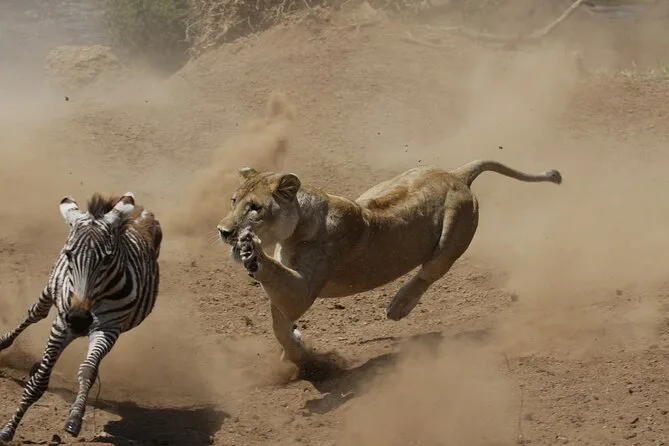
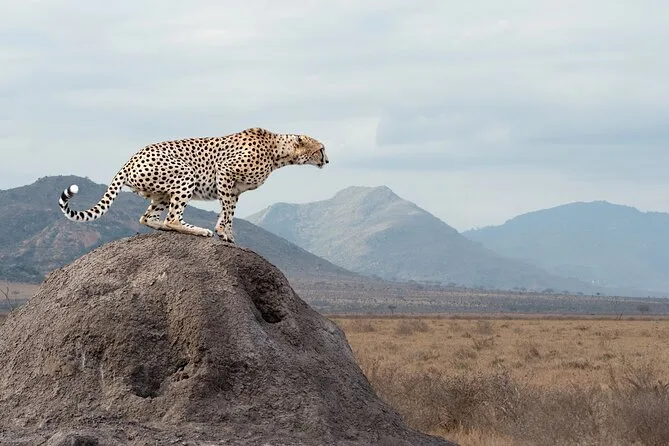
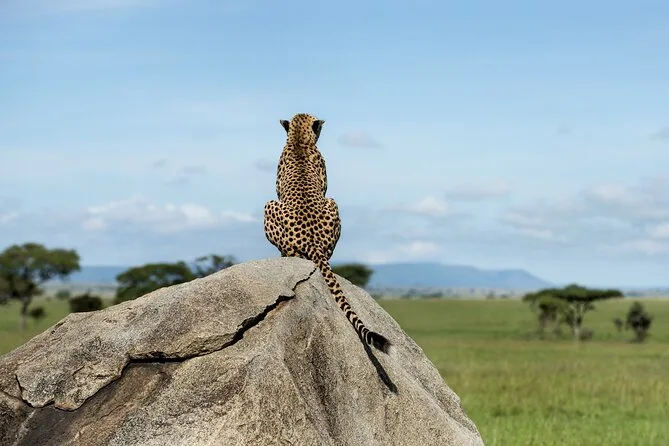
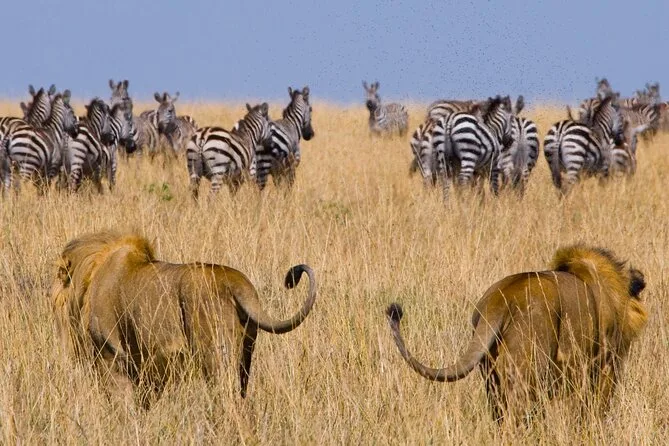
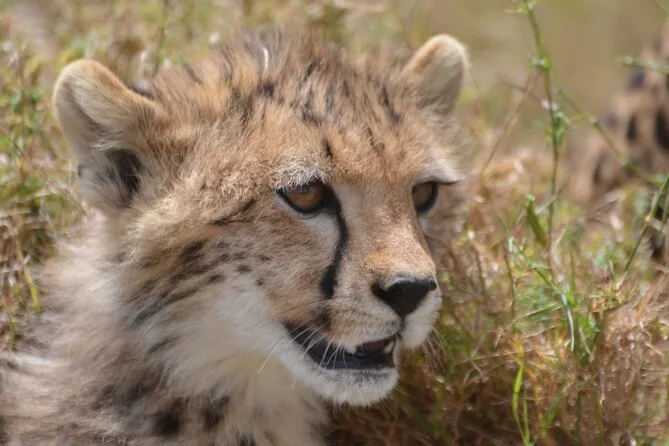
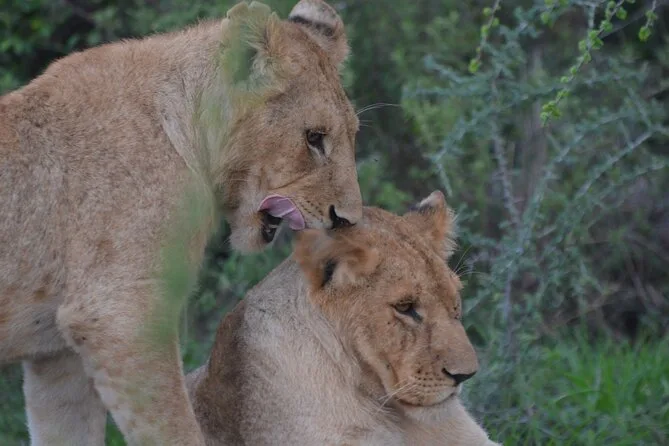
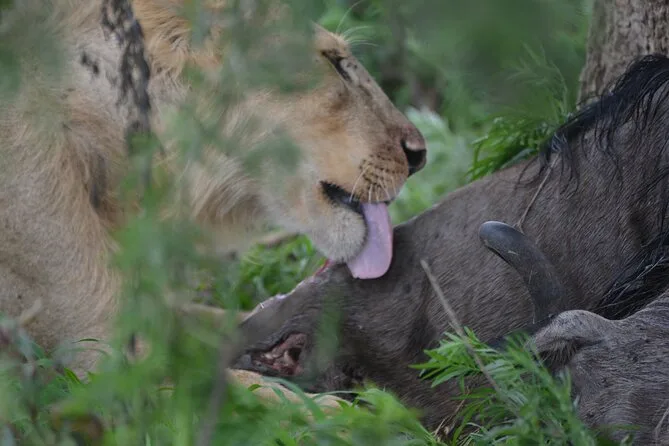
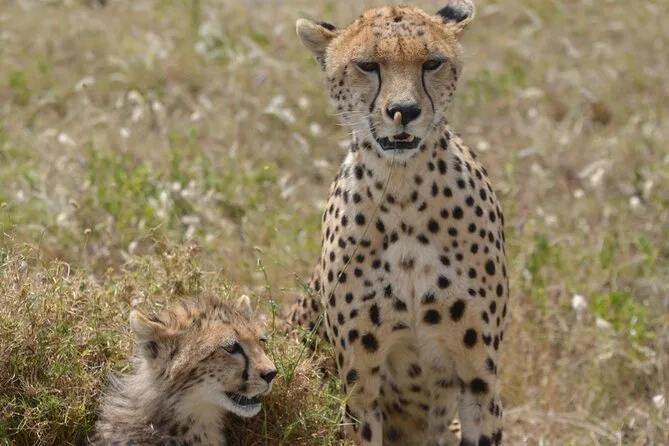
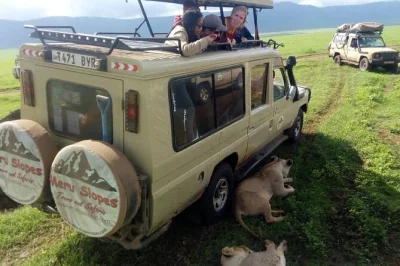
Day two in Serengeti is the one people remember. You're up at 6:30am for an early game drive through Seronera, the park's center, where the big cats hunt — lions, cheetahs, leopards, all of them. The afternoon brings a picnic lunch and another drive into the sunset, and if you're lucky, you'll see a kill or a predator on the move. The light at that hour makes everything look like the Lion King actually happened here, which, well, it kind of did — the film was based on this place. You sleep at Simba public campsite, and the sounds outside your tent are real.
The Ngorongoro Crater comes on day four, and it's different from the other two parks because you descend into it. You start at 6:15am, dropping down into what's essentially a closed ecosystem — a crater floor where animals have nowhere to go but stay put. Black rhinos are the hardest to spot, but most other wildlife is easier to find here than anywhere else. After lunch and a final game drive, you climb back out and head to Arusha, arriving in the late afternoon. Your professional guide has been with you the whole time, and by then you've seen enough to understand why people come back.
The 4 days 3 nights structure means you're not rushing through any single park, but you're also not spending so long that the rhythm breaks. Accommodation is included at each stop — Ngedere Lodge on night one, Tumbili campsite in Serengeti, Simba public campsite on night three — and so are all park entry fees and meals. You get picked up from Arusha around 8am on day one, which gives you time to grab coffee first.

What’s included
- Your four days include accommodation at Ngedere Lodge on night one, Tumbili campsite in Serengeti on night two, and Simba public campsite on night three.
- All meals are provided, along with entry fees and taxes for Tarangire National Park, Serengeti National Park, and Ngorongoro Conservation Area.
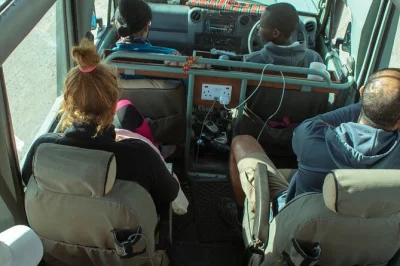
- A professional safari guide accompanies you throughout, and transport between parks is included.
- Pickup from Arusha starts around 8am on day one.
Operated by pazuri porini safaris
Is this one for you?This works well if you want to see Tanzania's three major parks in one trip without arranging transport, park permits, or meals separately — the fixed itinerary and included guide handle all of that. It's not suitable for travelers with spinal injuries, poor cardiovascular health, or pregnancy, as the terrain and early morning drives are demanding.
Traveler reviews
Compare the 13 similar options
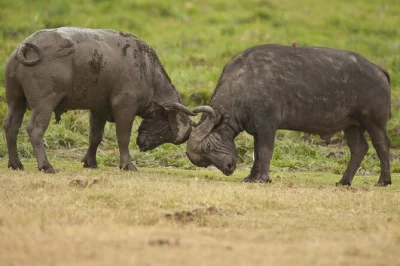 4-Day Safari Arusha: Tarangire, Serengeti & Ngorongoro Crater★ 5.00 (10)4dENUS$ 980
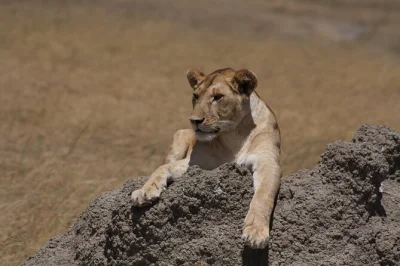 Tanzania Safari: Serengeti, Ngorongoro & Tarangire Group CampingWake up to wild sounds, spot elephants in Tarangire, camp under Serengeti stars, and descend into Ngorongoro Crater—all with meals, park fees, and pickup included.★ 4.98 (1,357)4dENUS$ 1,100View ›
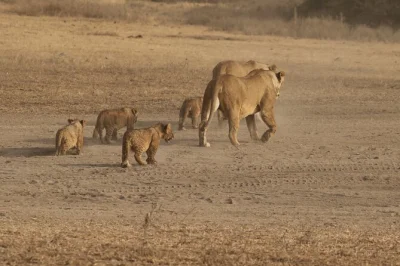 Tanzania Safari: Serengeti, Ngorongoro & Lake Manyara CampingWake up to wild sounds in Serengeti, spot tree-climbing lions at Lake Manyara, and descend into Ngorongoro Crater. Includes camping, all meals, and guide pickup.★ 4.98 (866)5dENUS$ 1,400View ›
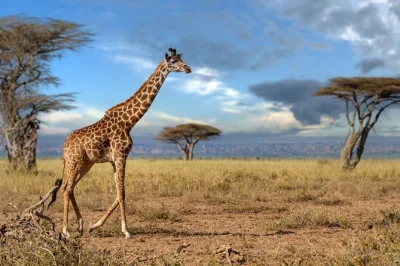 Tanzania Safari: Tarangire, Serengeti & Ngorongoro 4-DayFour-day group safari from Arusha through Tarangire, Serengeti and Ngorongoro Crater with certified guide, lodge stays and all transport included★ 4.95 (501)4dENUS$ 1,750View ›
 2-Day Tarangire & Ngorongoro Safari from Arusha: Includes dinnerTwo-day safari from Arusha with game drives through Tarangire National Park and the Ngorongoro Crater, camping included★ 4.98 (159)2dENUS$ 550View ›
 Tanzania Safari 7 Days: Serengeti, Ngorongoro & TarangireSeven-day wildlife safari from Arusha through four parks with private 4x4, expert driver-guide and all park fees included—start at Lake Manyara★ 4.99 (1,699)7dEN · DE +3US$ 4,426View ›
 Tanzania Safari: Tarangire, Serengeti & Ngorongoro 5-DayFive-day camping safari from Arusha through Tarangire, Serengeti and Ngorongoro Crater with game drives, meals and 4WD transport included★ 4.85 (107)5dENUS$ 1,120View ›
 Tanzania Safari: Serengeti, Crater & Game DrivesSeven-day wildlife safari from Arusha covering Tarangire, Lake Manyara, Serengeti and Ngorongoro Crater with private guide★ 4.99 (706)7dEN · DE +3US$ 4,840View ›
 5-Day Tanzania Safari: Tarangire, Serengeti & Ngorongoro CraterFive-day camping safari from Arusha visiting Tarangire, Serengeti and Ngorongoro Crater with game drives★ 4.95 (315)5dENUS$ 1,320View ›
 Private Tarangire & Ngorongoro Safari with Walking TourSpot elephants in Tarangire, descend into Ngorongoro Crater, and join a guided walking safari near Lake Manyara. Includes hotel pickup, meals, and expert guide.★ 5.00 (40)4dUS$ 720View ›
 5-Day Safari: Tarangire, Serengeti & Ngorongoro from ArushaPrivate 5-day safari from Arusha through Tarangire, Serengeti and Ngorongoro Crater with driver-guide, all meals and lodging — see elephant herds, lions★ 4.98 (105)5dENUS$ 2,211View ›
 Arusha: 5-Day Safari Tarangire, Serengeti & Ngorongoro Crater5-day private safari from Arusha visiting Tarangire, Lake Manyara, Serengeti & Ngorongoro Crater. Includes airport pickup, game drives, lodge stays and meals.★ 4.98 (195)5dEN · DE +3US$ 3,600View ›
 Tanzania Safari 6-Day Private 4x4 Serengeti & TarangirePrivate 6-day safari from Arusha in a 4x4 with professional guide, park fees and lodge stays included. Game drives through Tarangire★ 4.91 (99)6dEN · DE +3US$ 2,783View ›
Top questions
How long is the drive from Arusha to Tarangire?
Two hours. Pickup is around 8am on day one.
What time do game drives start in Serengeti?
Early morning drives begin at 6:30am. Evening drives continue until sunset.
Is the Ngorongoro Crater descent difficult?
The tour is not recommended for travelers with spinal injuries or poor cardiovascular health. The descent and ascent are part of the experience.
What's included in the price?
Accommodation at each stop, all national park entry fees and taxes, meals, and a professional safari guide. Transport between parks is included.
What animals are most likely to see?
Tarangire is known for large elephant herds. Serengeti is home to lions, cheetahs, and leopards. Ngorongoro Crater has diverse wildlife including black rhinos, though rhinos are harder to spot.
Is this suitable for pregnant travelers?
No, this tour is not recommended for pregnant travelers due to the terrain and early morning drives.
When do you return to Arusha?
On day four, after a morning game drive and lunch in Ngorongoro Crater, you return to Arusha in the late afternoon.
4-Day Safari Arusha: Tarangire, Serengeti & Ngorongoro Crater
4d · EN · at your hotel
from US$ 980 per person
★★★★★★★★★★5.0010 reviewsVerified traveler reviews via our booking provider
