
Historic Trujillo Walking Tour: Medieval Town & Pizarro Legacy
Walk through five centuries of stone and power in a town that sent explorers to Peru
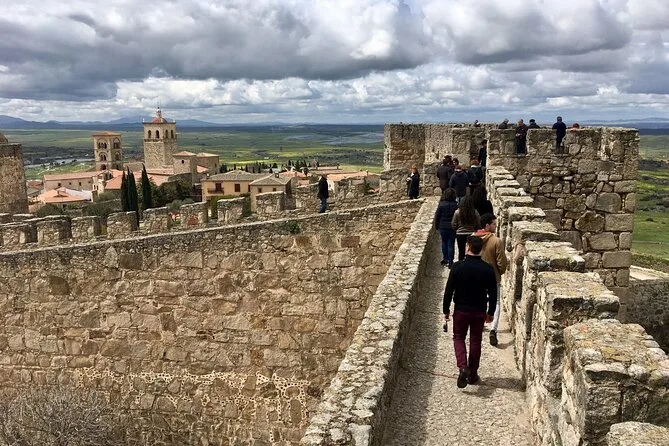
A guided walking tour of Trujillo's medieval center with a live Spanish-speaking guide, covering the Plaza Mayor, castle walls, palaces, churches and manor houses built between the 13th and 16th centuries. The tour lasts two hours and moves through the walled historic district on foot, stopping at landmarks including the alcazaba, the equestrian statue of Francisco Pizarro, and the strongholds where the Catholic Monarchs sheltered during the Wars of Succession. You walk past private palaces and churches you don't enter, but see their facades and learn their histories as you move through the town.
More experiences you might like
Step-by-step itinerary
Explore Trujillo's historic center
- Visit Plaza Mayor and Renaissance palaces
- See equestrian statue of Francisco Pizarro
- View palace of San Carlos exterior
- Walk through medieval historic center
- Observe Muslim Alcazaba and walls
- Visit Strong House where Catholic Monarchs stayed
- Pass by 13th century Military Order church
- See Alcazaba Muslim and Aljibe from outside
- View Manor House of Hidalgo exterior
- Pass by Gothic church with Romanesque remains
- See 15th century military house of María de Escobar
- View Trujillo triumph gate
- Observe Strong House defending Puerta del Triunfo
- Pass one of the 7 gates near Church of San Andrés
The experience
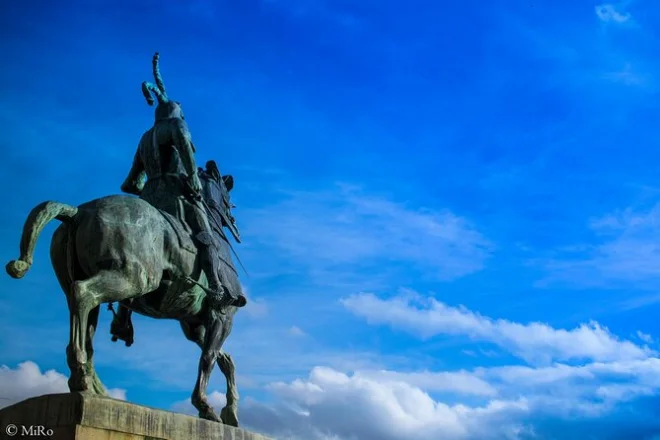
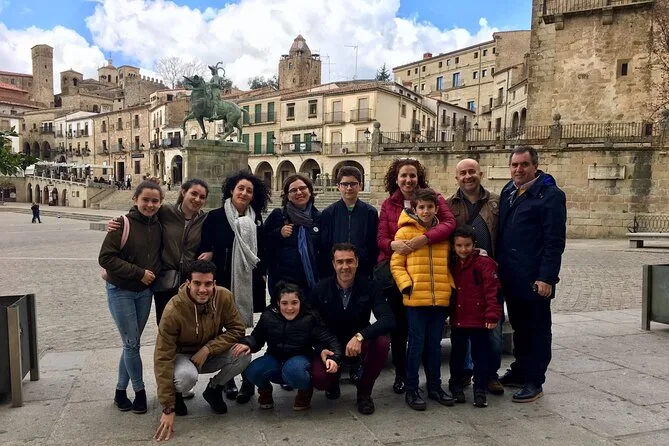
If you have a free afternoon in Extremadura or you're visiting Trujillo for the first time, this tour anchors itself in the Plaza Mayor: the Renaissance heart of the town, ringed by palaces and dominated by the bronze equestrian statue of Francisco Pizarro, the conquistador born here. From there, the guide leads you into the medieval walls and through the narrow streets where the town's most visible monuments stand: the 16th-century palace begun by Hernando Pizarro, the 13th-century stronghouse where the Catholic Monarchs stayed, the church founded by the Military Order of Santiago. You see the facades of private palaces like the San Carlos (also called Vargas-Carvajal), a Plateresque building that keeps its original stonework facing Domingo Street, though the interior stays closed to visitors.
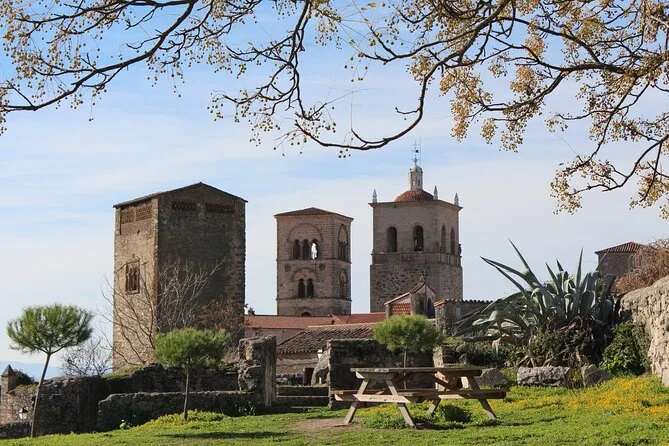
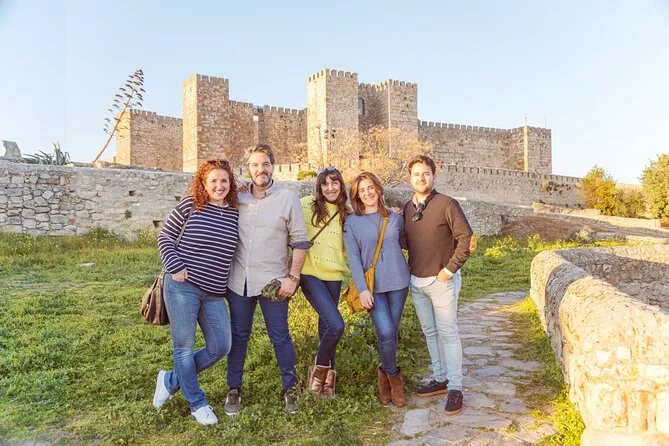
The alcazaba (the Muslim fortress built between the 10th and 12th centuries) rises above the town, and you walk its perimeter and see the aljibe (the old water system) without entering the interior. The tour moves past the 15th-century military construction where María de Escobar lived, the woman who first brought wheat and barley seeds to Peru. You pass through the Puerta del Triunfo, one of seven gates in the original walls, and stop at the stronghouse that defended it. The Church of Santa María, declared a National Monument, shows both Gothic and earlier Romanesque work, including the Torre Julia and a Spanish-Flemish altarpiece by Fernando Gallego, though you view it from outside. Two hours covers the essential monuments without rushing, and the guide points out the best angles for photographs as you move through the town.
The tour operates as a shared group experience with a live guide who speaks Spanish. You meet at the Plaza Mayor and walk the entire route on foot through the medieval district. Infants and small children can come in a pram or stroller, and service animals are allowed. The pace suits all fitness levels, though it is not recommended for travelers with spinal injuries. Public transportation options are available nearby if you need to reach the starting point.
What’s included
- Two-hour guided walking tour with a live Spanish-speaking guide.
- access to the medieval historic center and the exterior views of the castle, palaces, churches, stronghouses and convents.
- the Puerta del Triunfo and the Muslim alcazaba and aljibe viewed from outside.
- guidance on the best photographic spots and corners as you move through the town.
Before you book
Prices and times updated 2 days ago
Operated by TurismoTrujillo.es Actividades Turisticas
Is this one for you?This is a shared group tour led by a guide in Spanish, so it suits travelers who speak Spanish or who are comfortable following along with translation help and want the history and context of each stop explained as they walk. If you prefer to move at your own pace or need the tour in English, a private guide would be a better fit.
Traveler reviews
Top questions
Can children come?
Yes. Ticket types: Youth (12 to 14 years): free; Child (2 to 11 years); Infant (under 1): free.
What is the alcazaba in Trujillo and what do I see there?
The alcazaba is a Muslim fortress built between the 10th and 12th centuries that rises above the medieval town. During the tour you walk around its perimeter and see the aljibe, the old water system, but the interior is not entered as part of the visit.
Can I go inside the churches and palaces we pass during the tour?
Most of the buildings you see remain closed to visitors during the tour. You view the facades and exteriors of private palaces like the San Carlos and the stronghouses, and you see the Church of Santa María from outside, though the guide explains their history and architecture as you stand in front of them.
Who was Francisco Pizarro and why is his statue in the Plaza Mayor?
Francisco Pizarro was a conquistador born in Trujillo who conquered Peru. His equestrian bronze statue stands in the Plaza Mayor, the Renaissance square where the tour begins, as a monument to the town's most famous son.
Is this tour in English or Spanish?
The guide conducts the tour in Spanish. If you speak Spanish or travel with someone who does, you'll hear the full history and details of each stop. If not, you may want to arrange a private guide or bring a translation app.
How much walking is involved and what is the terrain like?
The tour lasts two hours and covers the medieval district on foot through narrow streets and past monuments within the town walls. The terrain is typical of a medieval town center with uneven stone streets. The pace suits all fitness levels, though it is not recommended for travelers with spinal injuries.
What makes Trujillo historically important beyond the Pizarro connection?
Trujillo was a residence of kings and a stronghold during the Wars of Succession, when the Catholic Monarchs sheltered in one of its 13th-century stronghouses. The town also sits on the Route of Isabel la Católica and the Route of Carlos V, thematic routes that connect it to Spain's age of exploration and empire.
Historic Trujillo Walking Tour: Medieval Town & Pizarro Legacy
2h · ES
from € 12 per person
4.971,298 reviewsVerified traveler reviews via our booking provider