
Private Tenerife Full Island Tour: Photos Included
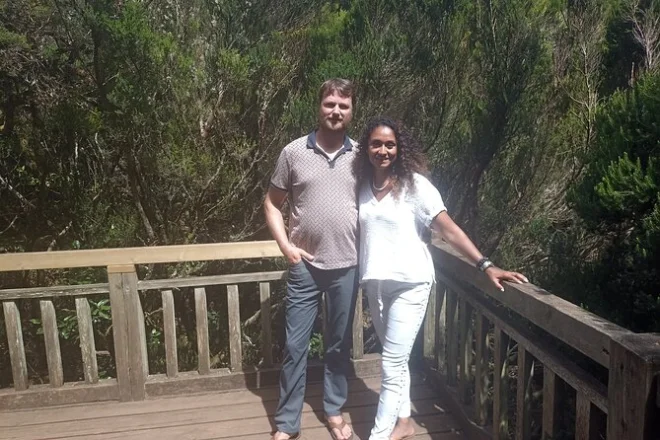
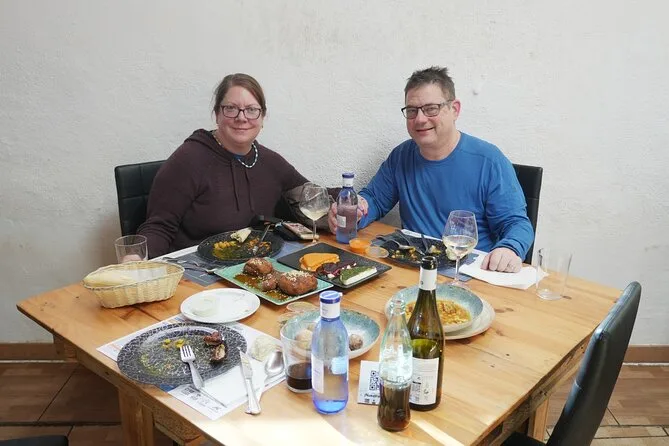
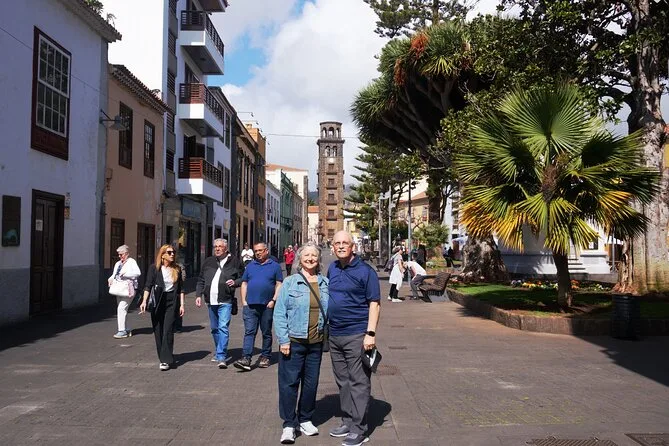
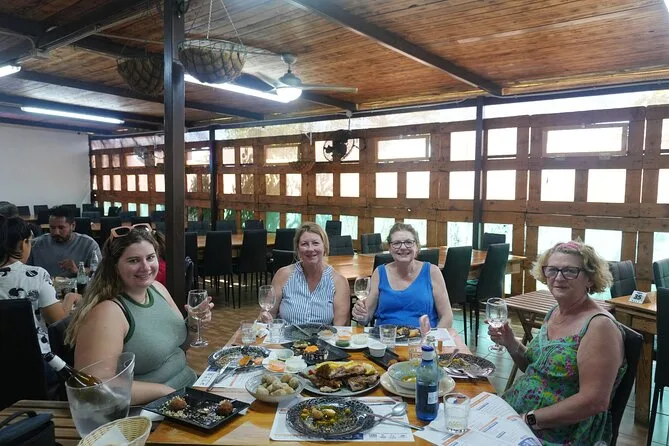
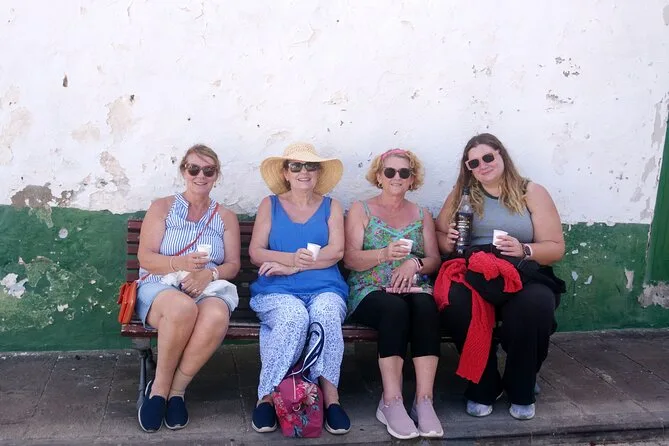
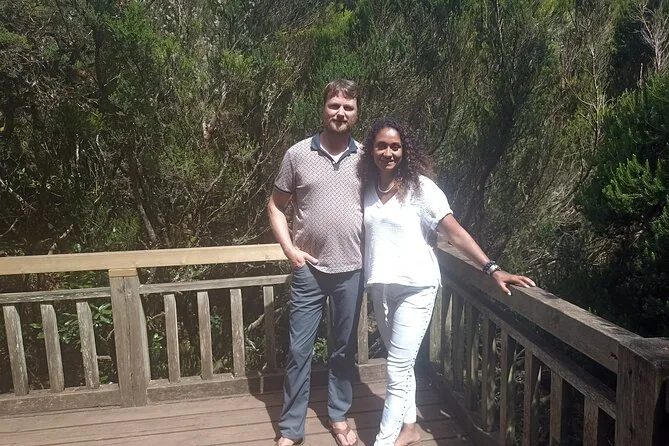
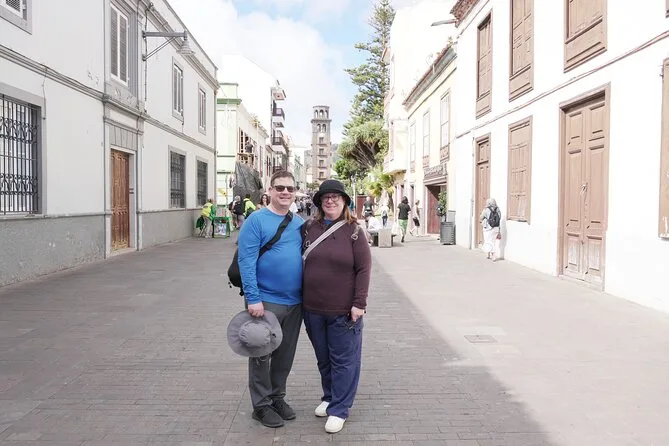
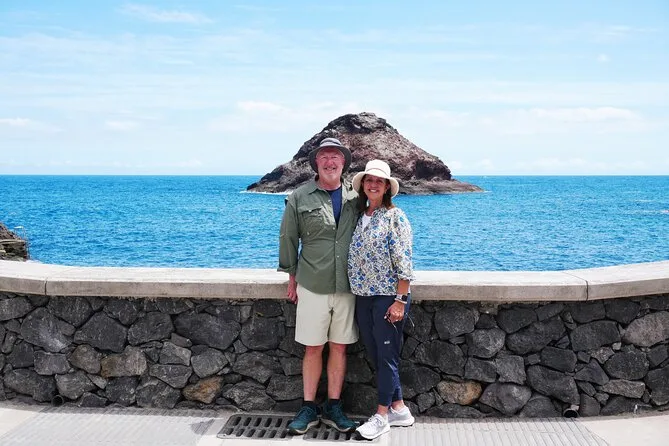
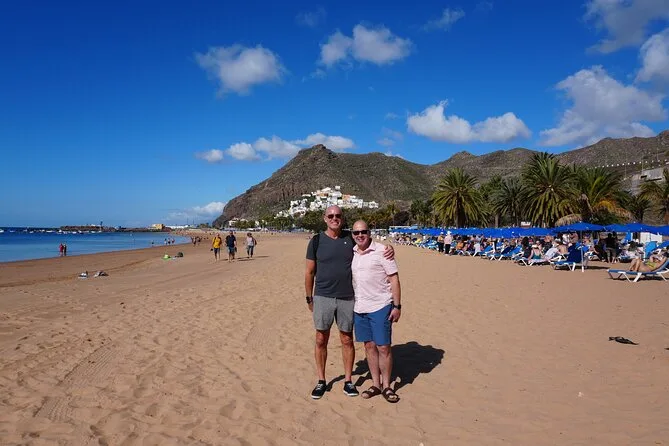
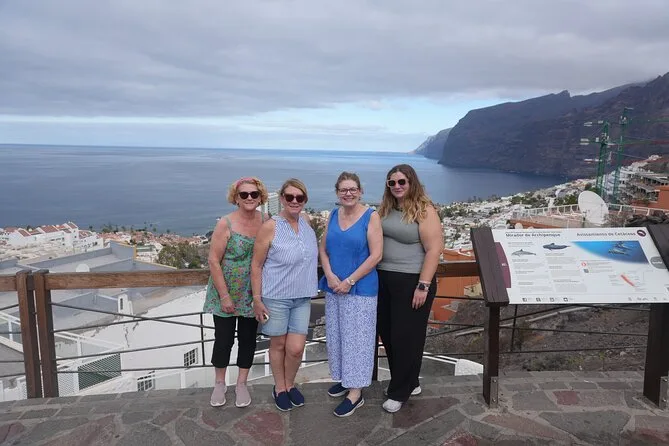
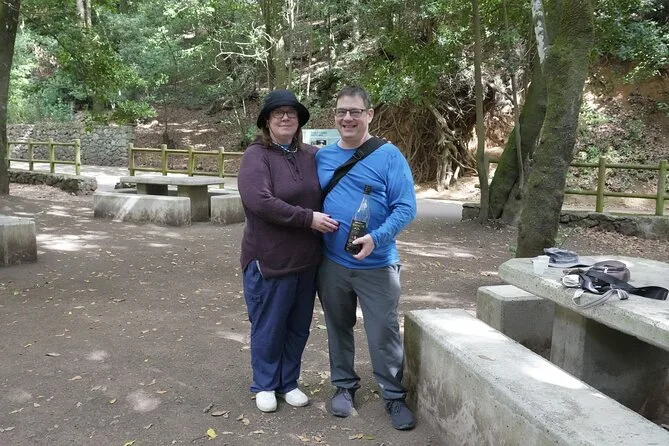
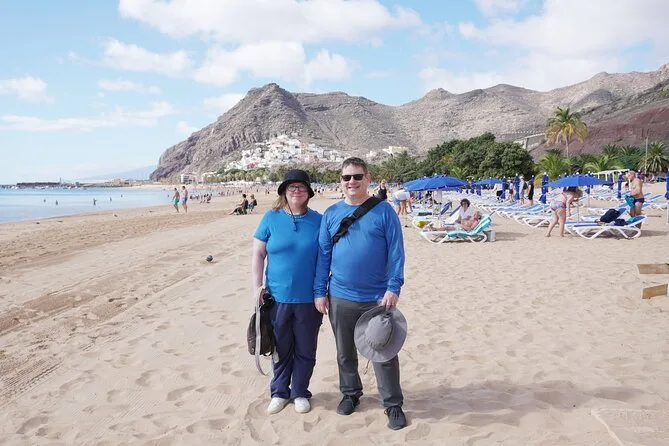
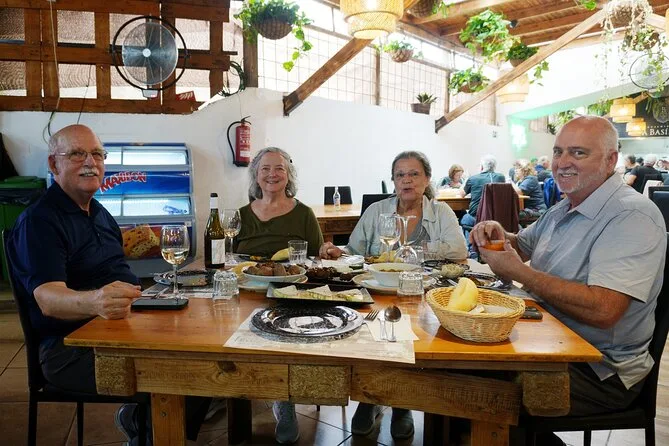
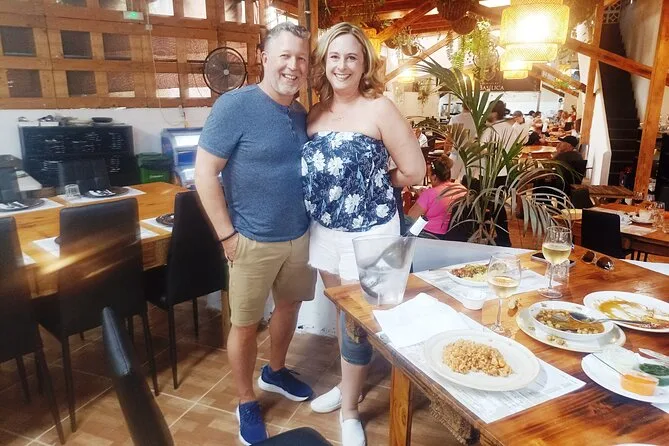
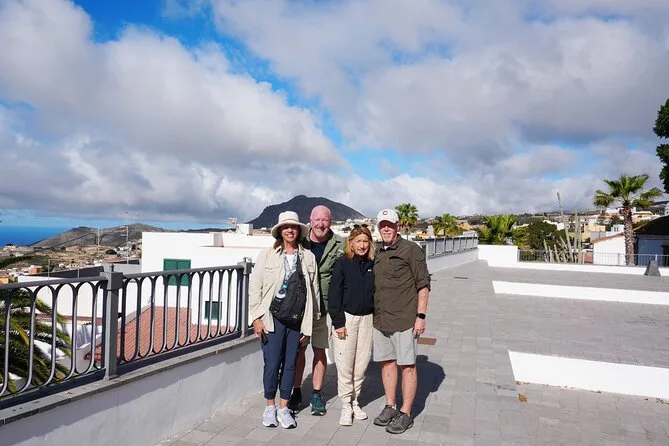
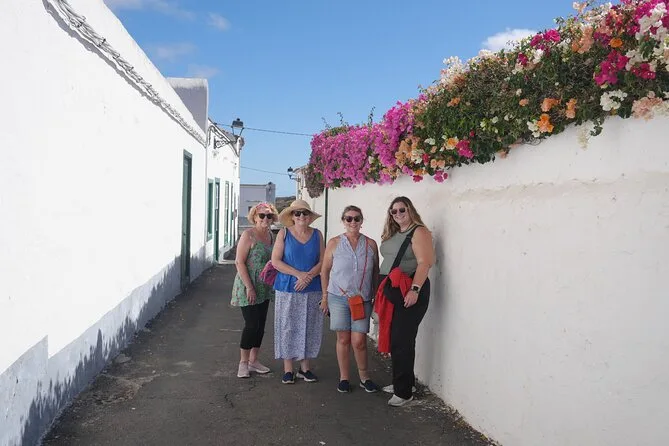
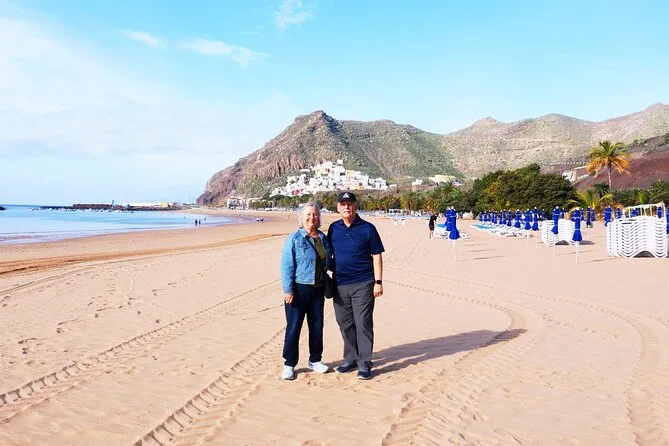
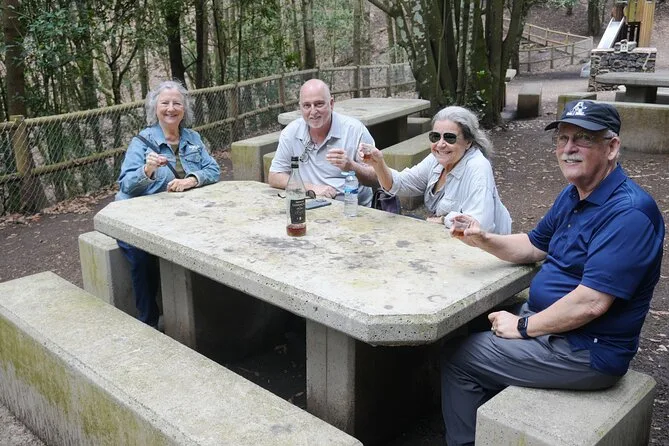
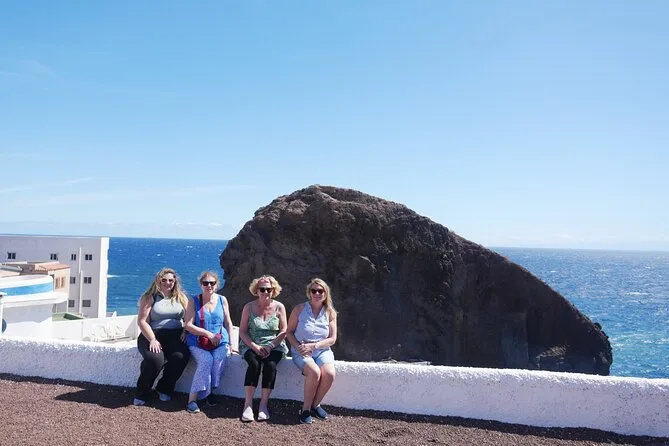
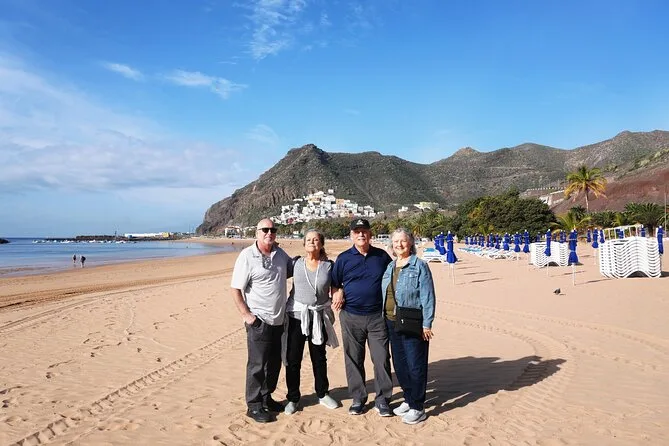
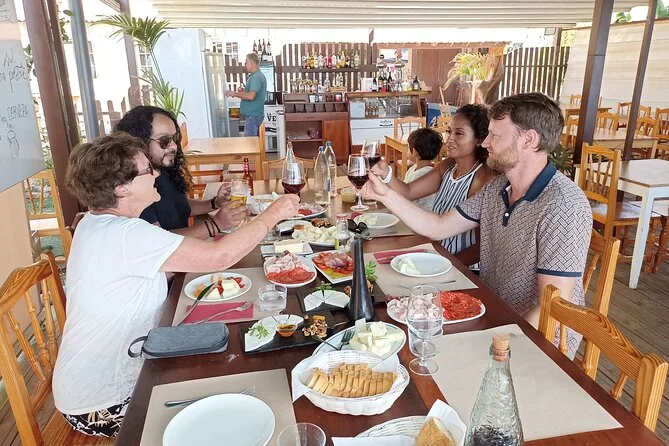
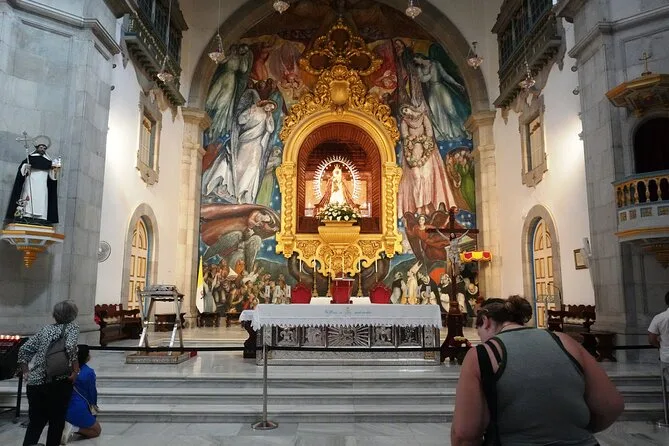
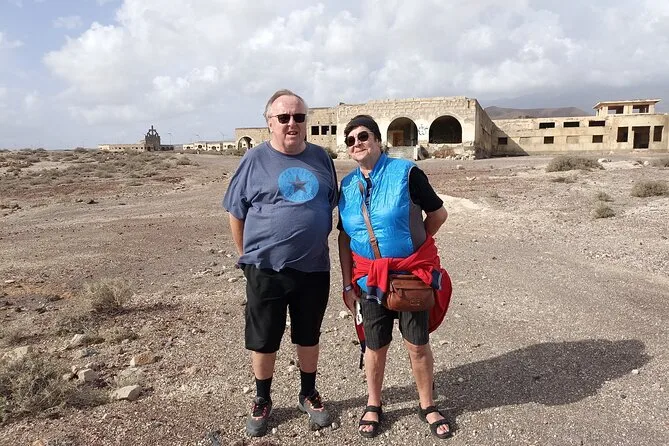
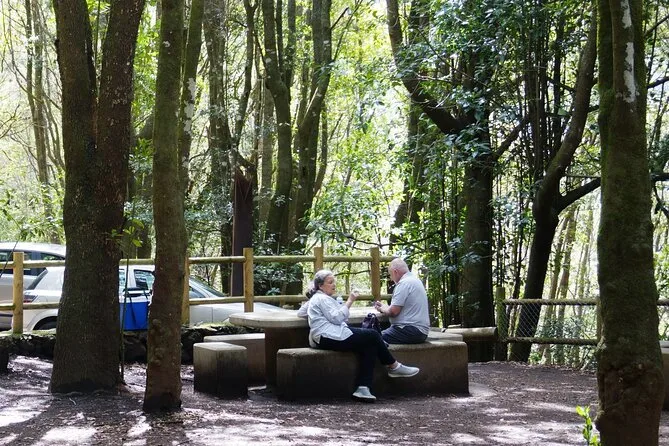
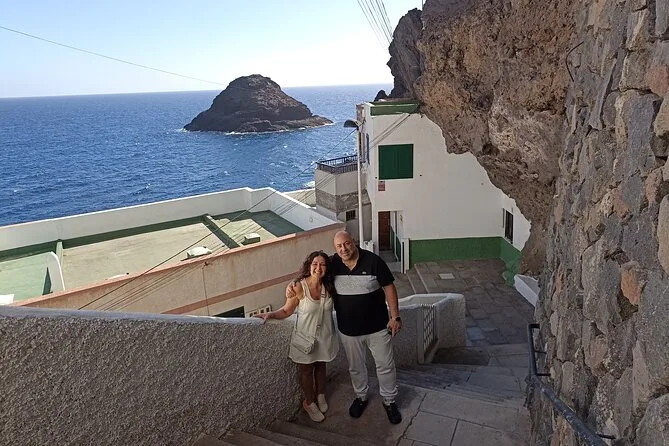
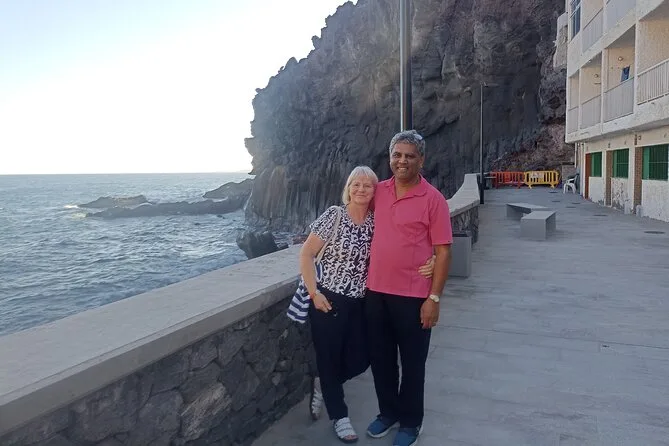
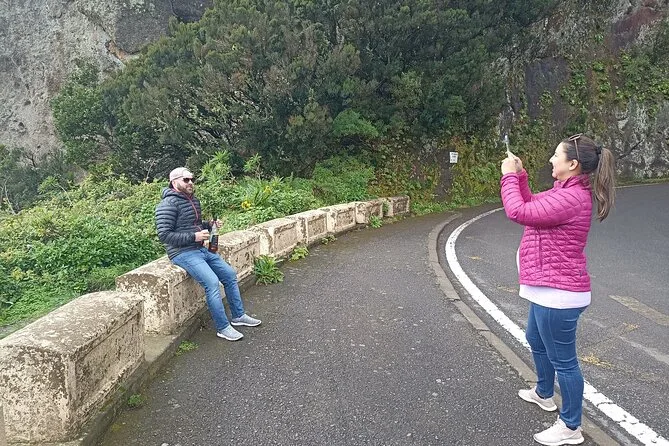
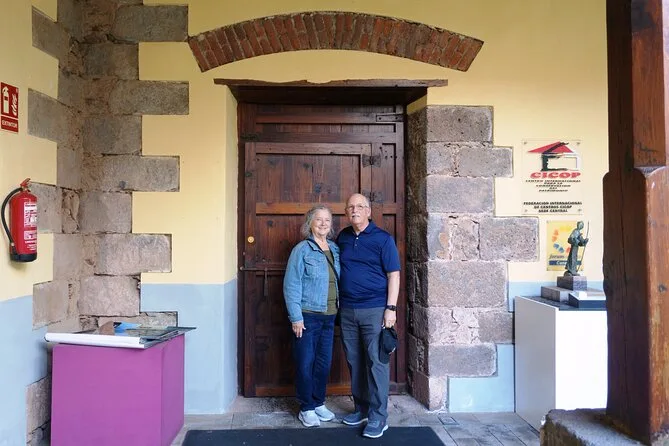
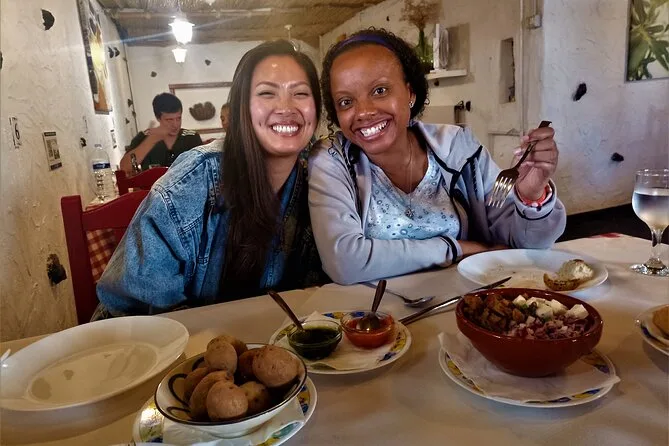
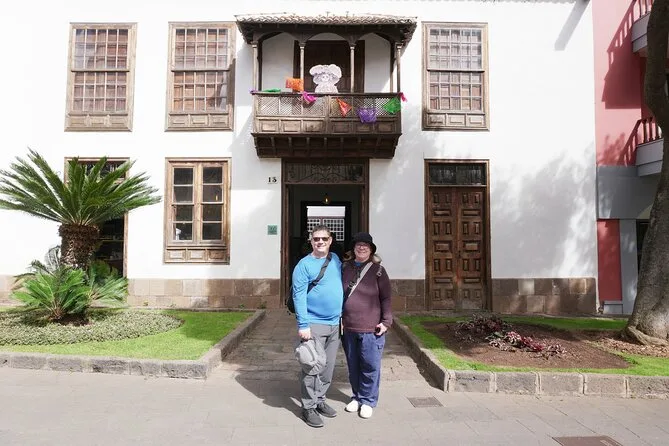
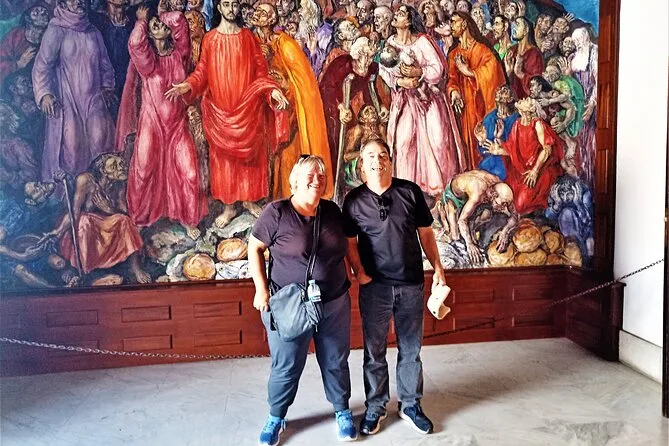
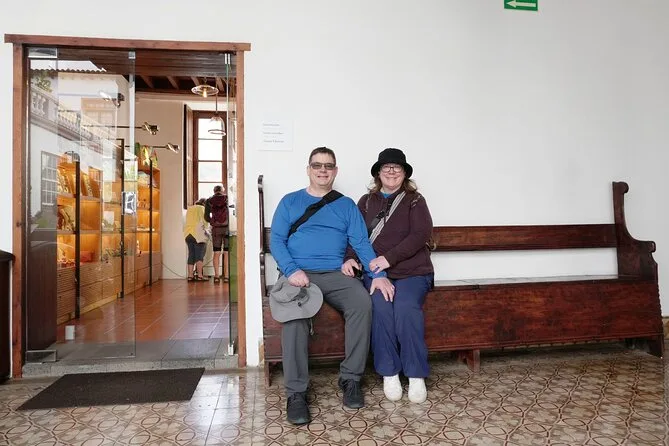
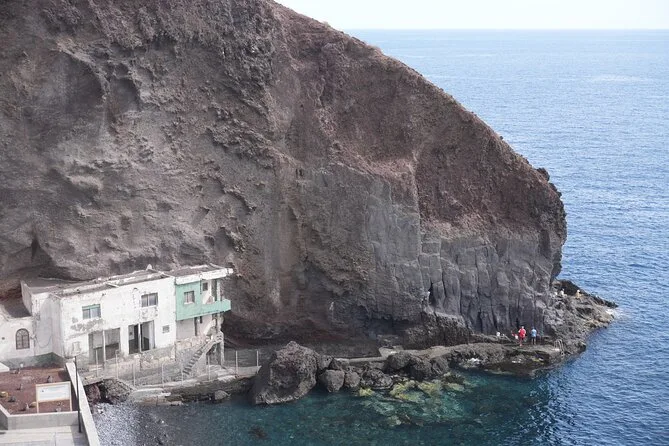
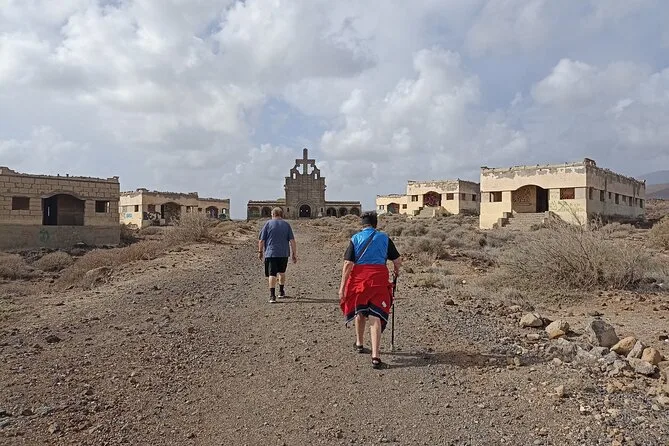
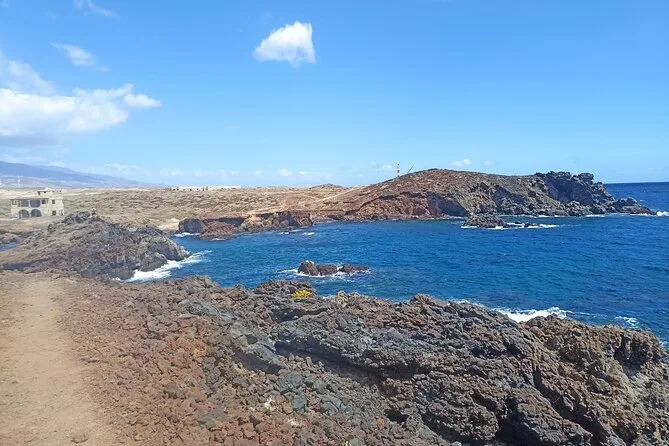

Your driver is also your photographer, so you stop worrying about getting the shot and start tasting the wine.
A private full-island tour of Tenerife with pickup from Santa Cruz port, customized to your pace and interests, includes an air-conditioned vehicle, a local guide, bottled water, Canarian honey rum, and a complete gallery of high-quality photos from your day. The tour synchronizes with cruise ship schedules and guarantees return to port 1-2 hours before departure. Optional Canarian lunch available at checkout.
 7h–8h
7h–8h

Step-by-step itinerary
Full day private Tenerife island tour
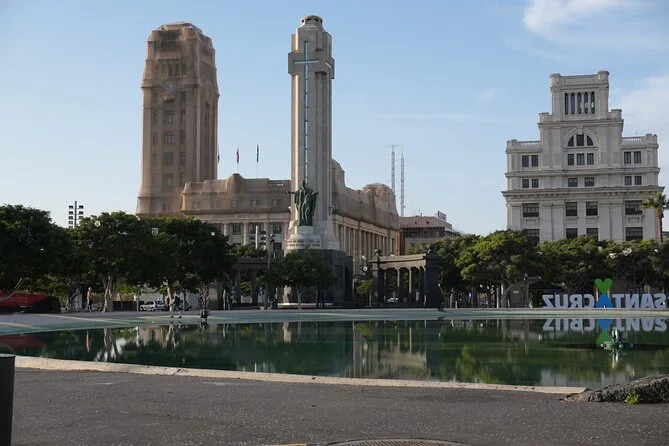
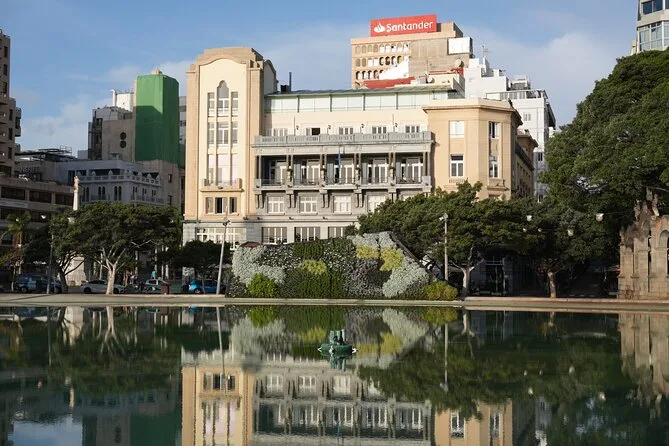
- Visit Plaza de España in Santa Cruz
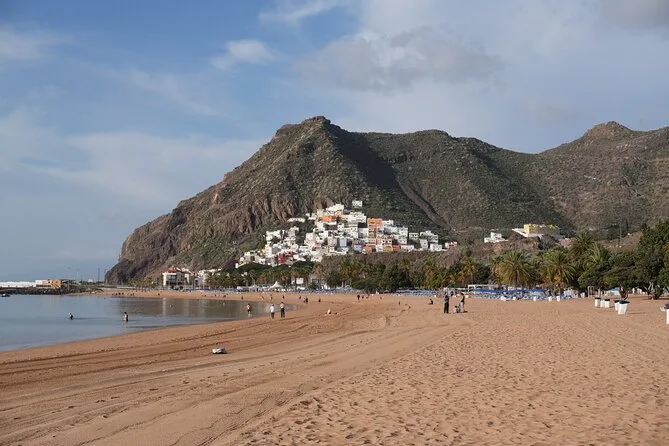
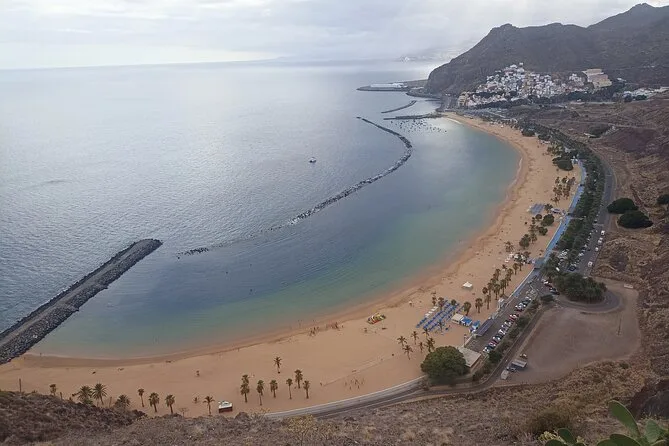
- Relax at Playa de Las Teresitas beach
- Explore San Cristóbal de La Laguna Old Town
- Drive and visit Anaga Rural Park
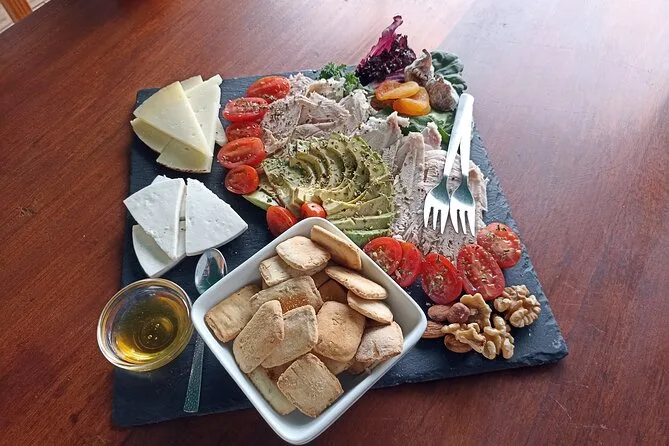
- Optional Canarian lunch stop
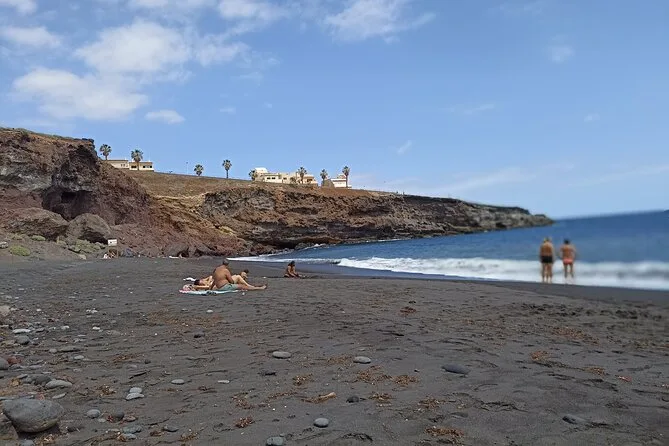
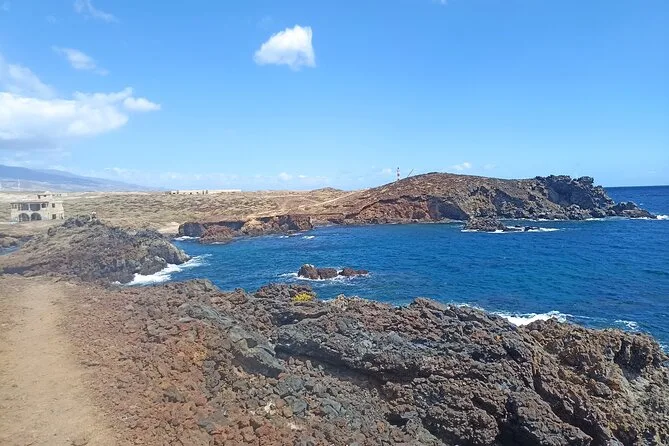
- Discover Los Roques village and black sand beach
- Visit Arico el Nuevo traditional village
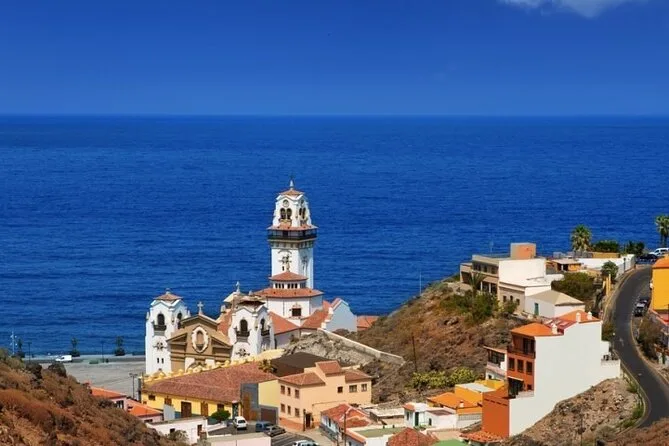
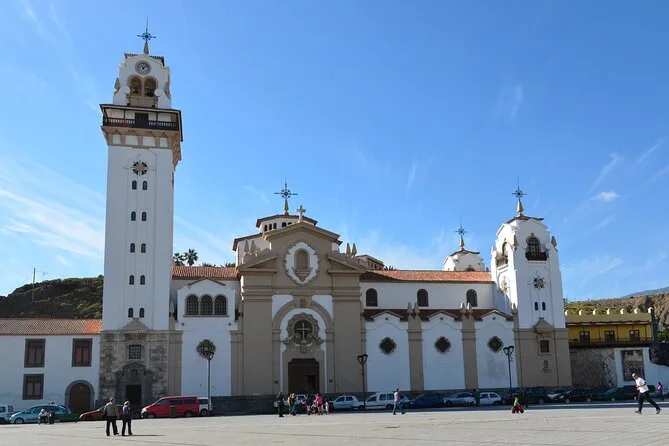
- Stop at Candelaria Basilica and promenade
- Return to Santa Cruz Port

The Experience
Seven to eight hours gives you room to move through the island without rushing. The day starts with pickup from Santa Cruz, then moves through Plaza de España—the largest square in the Canary Islands, built in 1929 and renovated in 2006 around an artificial lake—before heading to Playa de Las Teresitas, a 1.3-kilometer golden-sand beach created in the 1970s when 270,000 tons of white sand were imported from the Sahara to replace the original black volcanic sand and rough Atlantic conditions.
From there you drive north to San Cristóbal de La Laguna, Tenerife's old colonial capital and a UNESCO World Heritage Site, where you have an hour to walk the cobbled streets of the Old Town and browse the mansions-turned-cafes and galleries. Then the route climbs into Anaga Rural Park, a UNESCO-protected forest of laurel-covered mountains where the crowds thin out and you stand in actual quiet. The itinerary can branch toward Candelaria—a pilgrimage site with a basilica, nine colossal statues of Guanche chiefs along the seafront, and traditional Canarian wooden balconies—or toward Los Roques, a village built into cave houses with a black sand beach framed by rock formations, or toward Arico el Nuevo, an 18th-century rural settlement preserved as a historical site. Which stops you hit depends on what you want to see.
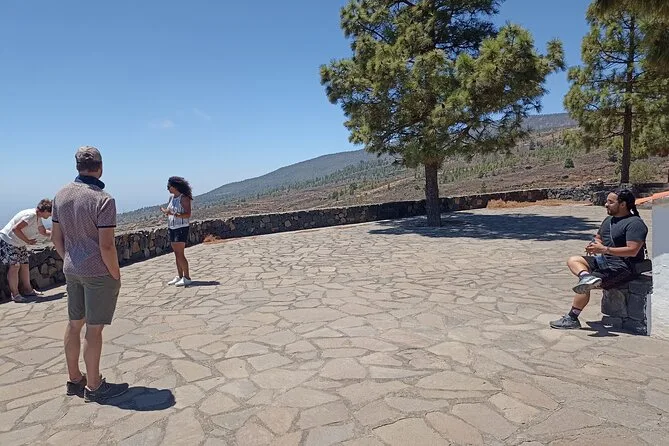
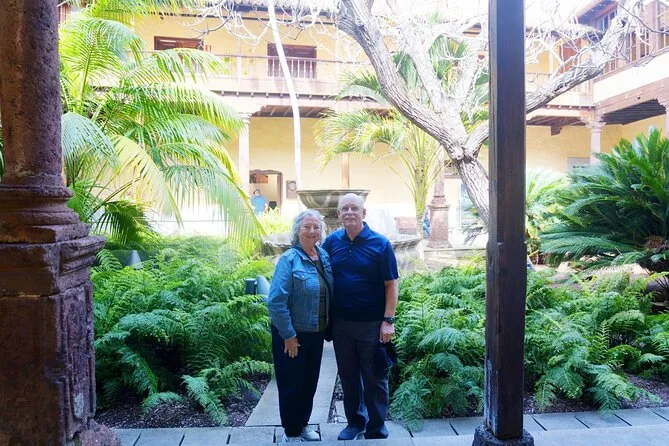
Throughout the day your guide captures photos instead of you chasing them. You receive a complete gallery of high-quality images at the end, so the memories stay sharp and you stay present. The vehicle is air-conditioned, bottled water is included, and Canarian honey rum keeps the energy up as you move between stops. The guarantee is concrete: you will be back at Santa Cruz port at least 1-2 hours before your ship departs, or the tour does not happen.

What’s included
- Air-conditioned private vehicle.
- local guide with storytelling.
- complete gallery of high-quality photos from a private photo session.
- bottled water.
- Canarian honey rum.
- pickup from Santa Cruz port.
- return to port guaranteed 1-2 hours before ship departure.
- access to locals-only secret spots the big tour buses cannot reach.
Operated by Tenerife Hidden Gems
Is this one for you?The seven to eight-hour window is built around cruise ship schedules, so if you are docked in Santa Cruz, the tour fits your port day without the stress of timing your own return. If you want to explore beyond the crowded beaches and main towns—the forest villages, the cave houses, the quiet corners—without renting a car or joining a bus full of strangers, the private vehicle and customizable stops let you do that and still make your ship.
Traveler reviews
Compare the 13 similar options
 Private Tenerife Full Island Tour: Photos Included★ 4.85 (39)7h–8h€ 650per group
 Tenerife: 2h Viking Cruise Whale & Dolphin Watching TourFeel the sea breeze on a 2-hour Viking cruise from Los Cristianos, spotting whales & dolphins with a friendly crew. Includes wheelchair access & family-friendly fun.★ 4.77 (774)2hEN · ES€ 28View ›
 Mt. Teide and Masca Valley Tour: volcanic landscapes and villagesDrive through Teide National Park's volcanic terrain, visit a 3,000-year-old dragon tree, walk Los Roques de García rock formations★ 4.34 (1,036)9h 30mEN · DE +3€ 57View ›
 Tenerife: Viking Ship Whale Watching & Ocean Swimming3-hour Viking ship cruise from Los Cristianos with whale & dolphin watching, ocean swimming, and unlimited drinks. Small groups, experienced crew, wheelchair accessible.★ 4.80 (693)3hEN · ES€ 38View ›
 Tenerife: Mount Teide Hiking & Volcanic Landscape 12km12km hike through Canarian pine forest and volcanic terrain with Mount Teide views. Includes private transport, guide, and 4.5-hour walk. Small groups.★ 5.00 (4)4h 30mEN€ 63View ›
 Whale watching catamaran Tenerife: 2–3 hours, unlimited drinksWhale and dolphin watching tour from Puerto Colon, Tenerife on a catamaran with unlimited beer, soft drinks and water included★ 4.58 (352)2h–3hEN · RU +1€ 35View ›
 Tenerife: Whale Watching Catamaran Cruise with Buffet & PickupFeel the ocean air on a small-group Tenerife whale watching cruise, spot dolphins, enjoy a buffet with drinks, and relax on spacious decks. Includes transfer.★ 4.82 (573)3hEN · ES€ 63View ›
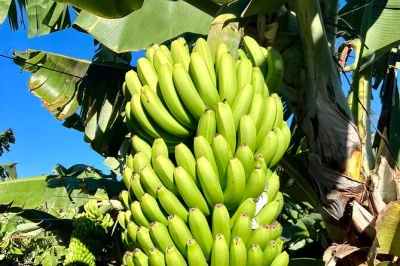 Tenerife: Eco Banana Farm Walk & Banana Liqueur TastingStep into Tenerife’s El Rincón for a guided eco banana farm walk, taste fresh bananas & local liqueur, meet the owner, and enjoy lush coastal views. Includes snack.★ 4.80 (157)1hEN · ES€ 20View ›
 Tenerife: Private Scuba Diving with Photos & Hotel PickupFloat weightless in Tenerife’s Atlantic waters on a private scuba diving session with a certified instructor, hotel pickup, and free underwater photos included.★ 4.88 (113)3hEN · DE +4€ 95View ›
 Tenerife: Adults-Only Whale Watching Catamaran & SnorkelSmall-group catamaran with glass floor for whale and dolphin watching off Tenerife's south coast. Includes snorkel stop, catering, and hammocks. 12 adults maximum.★ 4.93 (545)3hEN · ES€ 54View ›
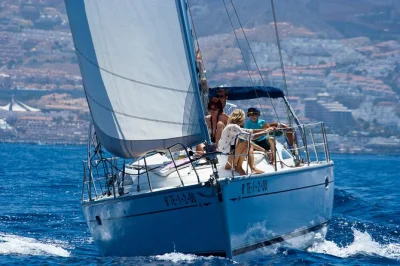 Tenerife: Whale & Dolphin Watching Sailboat Tour with SnorkelingFeel the ocean breeze on a small-group Tenerife whale & dolphin watching tour, with snorkeling in La Caleta bay, snacks, drinks, and hotel pickup included.★ 4.91 (446)3h 5mEN · ES€ 58View ›
 Santa Cruz de Tenerife Hop-On Hop-Off Bus: 24 or 48 HoursHop-on hop-off bus tour of Santa Cruz de Tenerife with 24 or 48-hour tickets, audio guide in 11 languages, and stops at Plaza de España, Palmetum★ 3.30 (20)1h 20m€ 20View ›
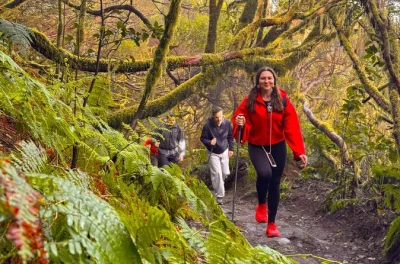 Tenerife Anaga Mountains: Enchanted Forest Hike & PicnicFeel the misty air of Tenerife’s Anaga Mountains, hike the Enchanted Forest, share a picnic with local flavors, and get digital photos—all with pickup included.★ 4.99 (152)7hEN · RU +1€ 139View ›
Top questions
What is Playa de Las Teresitas like, and why does it look so different from other Canary Islands beaches?
Playa de Las Teresitas is a 1.3-kilometer artificial beach with golden sand and calm turquoise waters, located near San Andrés about ten minutes from Santa Cruz. The beach was created in the early 1970s when a breakwater was built to block Atlantic waves and approximately 270,000 tons of white sand were imported from the Sahara Desert to replace the original black volcanic sand and rough conditions that made swimming unsafe.
How much time do I spend walking around La Laguna's Old Town?
You have an hour to wander the cobbled streets of San Cristóbal de La Laguna's Old Town, which is a UNESCO World Heritage Site. The hour is enough to see the grand mansions, visit the chic cafes and galleries, and browse for Canarian products in the boutiques.
Will I definitely get back to my ship on time?
Yes. The tour is synchronized with cruise ship schedules and guarantees your return to Santa Cruz port at least 1-2 hours before departure. The operator has never missed a ship departure.
Can I choose which villages and beaches we visit, or is the route fixed?
The tour is fully customizable to your pace and interests. The itinerary includes stops like Playa de Las Teresitas, La Laguna, and Anaga Rural Park, but you can direct which optional sites you visit—Candelaria, Los Roques, or Arico el Nuevo—based on what appeals to you.
What happens to the photos you take during the day?
You receive a complete gallery of high-quality images from your private photo session at the end of the tour, so you have professional-quality souvenirs instead of blurry selfies or photos you had to take yourself.
Is lunch included in the tour price?
Lunch is optional and not included in the tour price. You can choose to stop for a traditional Canarian meal—dishes like papas arrugadas (wrinkled potatoes with mojo sauce), grilled goat cheese, or fresh local seafood—and pay separately at checkout.
Private Tenerife Full Island Tour: Photos Included
7h–8h · at your hotel
from € 650 per group
★★★★★★★★★★4.8539 reviews
