
Barcelona Gothic Quarter Walking Tour: Roman Temple Highlights
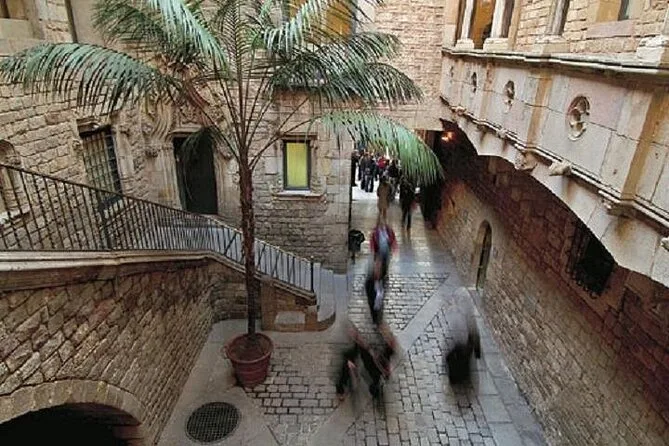
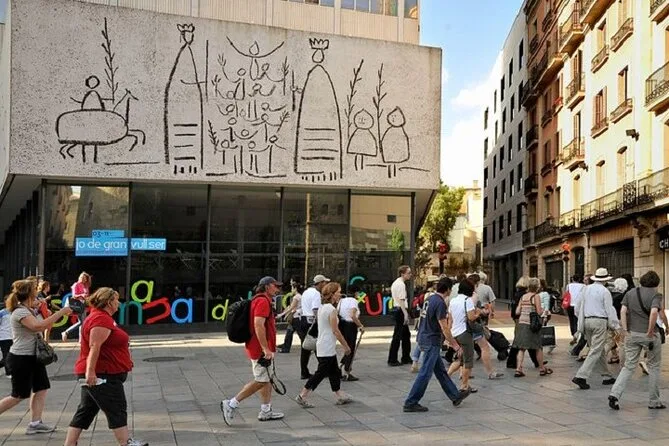

Medieval streets and Roman ruins on the same morning walk
A two-hour guided walking tour of Barcelona's Gothic Quarter takes you through medieval streets, squares and old buildings while a local guide explains the neighborhood's Roman origins, medieval history and modern life. The tour includes the Temple of Augustus, the best-preserved Roman relic in the city, and Plaça del Rei with its medieval chapel. You choose English or Spanish at checkout.
 2h
2h

Step-by-step itinerary
Explore Barcelona's Gothic Quarter
- Start two-hour morning walking tour
- Visit Gothic Quarter streets and squares
- Learn about Gothic Quarter history
- See Temple of Augustus Roman relic
- Visit Plaça del Rei medieval buildings
- View Palatine chapel of Santa Agata

The Experience
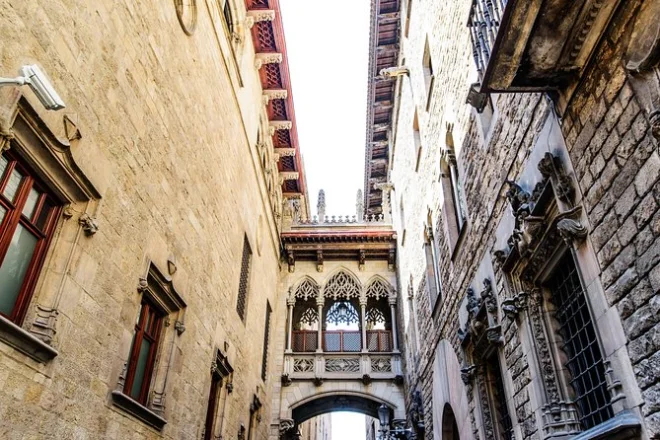
The Temple of Augustus sits in the heart of the Gothic Quarter—a Roman structure that still stands after nearly two thousand years, and the walking tour makes it the centerpiece of the morning. Your guide walks you through the medieval alleyways and plazas that grew up around it, pointing out how the district layered itself over the ancient city. You'll see the Plaça del Rei, where the Palatine chapel of Santa Agata and other medieval buildings cluster together, and learn how each era left its mark on the same streets.
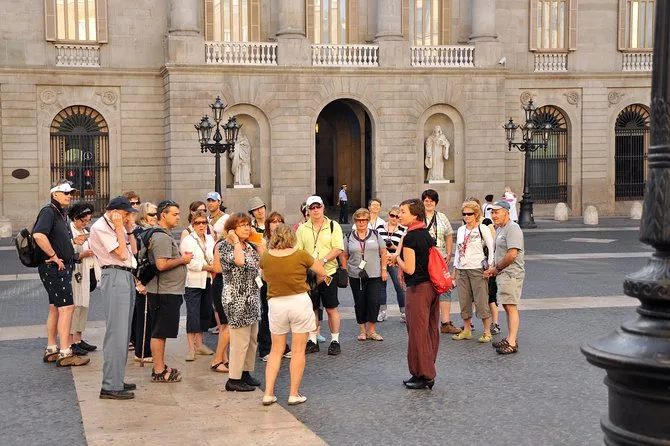
The tour runs two hours and covers the district's main streets and squares on foot. A local guide leads the group and shares stories about the neighborhood's past—from its Roman settlement through the medieval transformations that shaped it into what you see today. The guide also talks about how people live and work in the Gothic Quarter now, so you get both the history and a sense of the place as it actually functions. The route is wheelchair accessible, and the surfaces throughout are level enough for all fitness levels.
You'll need to choose your guide's language—English or Spanish—at checkout. Public transportation stops near the meeting point, so getting there without a car is straightforward. The tour includes the guide and access to all the stops; food, drinks and gratuities are separate.

What’s included
Local guide in English or Spanish; access to all stops including the Temple of Augustus, Plaça del Rei and the Gothic Quarter's medieval streets and squares.
Operated by Turisme de Barcelona
Is this one for you?Book the English option if you want a guide who can explain the Roman and medieval history in detail as you walk; choose Spanish if you speak the language and want to hear the stories in the guide's native voice. Either way, the two-hour length means you can fit this into a morning and still have the afternoon free for other parts of Barcelona.
Traveler reviews
Compare the 13 similar options
 Barcelona Gothic Quarter Walking Tour: Roman Temple Highlights★ 4.57 (462)2hEN · ES€ 28
 Barcelona Gothic Quarter walking tour: small-group historyWalk Barcelona's Gothic Quarter with a local guide who knows 2,000 years of history—small groups, no scripts, stories that connect the past to what you see today.★ 4.99 (93)2h 35mEN€ 36View ›
 Barcelona: 3-Hour Bike Tour Highlights & Sagrada FamíliaFeel the city’s pulse on a Barcelona bike tour with a local guide, cycling past Sagrada Família, beaches, and Gothic streets. Small groups, bikes included.★ 4.87 (1,654)3hEN · ES€ 31View ›
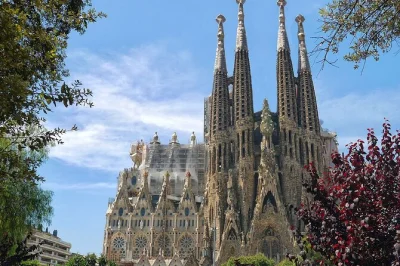 Barcelona: Sagrada Familia & Old Town Private Tour PickupFeel the energy of Barcelona’s streets, skip Sagrada Familia lines, explore the Gothic Quarter and Modernisme icons with a private guide and hotel pickup included.★ 4.77 (137)8hEN · ES€ 303View ›
 Barcelona Vineyard Tour: Organic Wine Tasting from Cruise PortPrivate vineyard tour from Barcelona Cruise Port with pickup, guide and tasting of four organic wines including cava4hEN€ 594View ›
 Barcelona Gothic Quarter & Old Town: 2-Hour Walking TourTwo-hour Barcelona Gothic Quarter tour with local guide in small groups. Visit Santa Maria del Mar, Plaça del Rei, La Boqueria Market and the Cathedral.★ 4.87 (1,848)2h 30mEN · ES€ 18.32View ›
 Barcelona Gothic Quarter: Private Walking Tour & HistoryStep into Barcelona’s Gothic Quarter with a private guide, explore medieval streets, Roman ruins, and secret squares. Includes wheelchair access and flexible timing.★ 4.91 (92)2h 30mEN · PT +1€ 55View ›
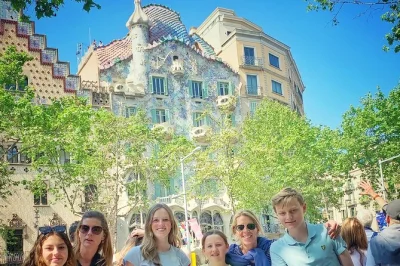 Barcelona: Gothic Quarter & Gaudí Walking TourWalking tour of Barcelona's Gothic Quarter, La Rambla, Barcelona Cathedral, Casa Batlló and La Pedrera on Passeig de Gràcia. 4 hours.★ 4.93 (1,128)2h 15mEN · FR +1€ 34View ›
 Barcelona: Picasso Museum & Tapas Walking Tour, Small GroupFour-hour art and food tour in Barcelona's Gothic Quarter with Picasso Museum entry, three tapas bars, and local guide. Groups of 12 max, skip-the-line access included.★ 4.89 (47)4hEN · ES€ 89View ›
 Barcelona: Helicopter to Alella Winery & Optional Sailing ReturnFly from Barcelona to Alella wine region by helicopter, tour a D.O. winery, taste cavas and whites, enjoy pairing lunch, return by van or sail.4hEN · ES€ 550View ›
 Barcelona: Tapas & Wine Walking Tour El Born & Gothic QuarterBarcelona's El Born and Gothic Quarter walking tour with tapas, wine pairings, and local guide. Small groups under 14 people. Vegetarian options available.★ 4.89 (6,598)3hEN · ES€ 69View ›
 Barcelona: Sagrada Familia, Park Güell & Old Town Day TourFeel the pulse of Barcelona on a full-day tour with Sagrada Familia, Park Güell, Gothic Quarter strolls, and Montjuïc views. Includes hotel pickup.★ 4.88 (17,478)8hEN · ES€ 99View ›
 Barcelona Tapas Walking Tour: Wine & Gothic QuarterWalk through Barcelona's Gothic Quarter sampling tapas and Spanish wines at four local bars with a guide. Includes drinks, food and history. Around 3 hours.★ 4.75 (2,236)3hEN€ 55View ›
Top questions
What is the Temple of Augustus and why is it on this tour?
The Temple of Augustus is the best-preserved Roman relic in Barcelona, built nearly two thousand years ago and still standing in the Gothic Quarter. The walking tour makes it a main stop because it shows the ancient city that existed before the medieval neighborhood grew up around it.
How long does the Gothic Quarter walking tour take?
The tour runs two hours and covers the district's main medieval streets, squares and Roman sites on foot without rushing.
What will I see at Plaça del Rei?
Plaça del Rei is a medieval plaza where the Palatine chapel of Santa Agata and other old buildings stand together. The tour stops here to show how the medieval district organized itself around these structures.
Can I do this tour if I use a wheelchair or have mobility concerns?
The Gothic Quarter walking tour is wheelchair accessible, with level surfaces throughout the route and all areas designed to accommodate visitors of all physical fitness levels.
Do I need to arrange my own way to the meeting point?
Public transportation options are available near the meeting point, so you can reach the tour without a car. Hotel pickup is not included, but getting there by metro or bus is straightforward from most Barcelona neighborhoods.
What language will my guide speak?
You choose English or Spanish when you book. The guide is a local who speaks one of these languages fluently and shares insider knowledge about the Gothic Quarter's history, culture and modern life.
Barcelona Gothic Quarter Walking Tour: Roman Temple Highlights
2h · EN · ES
from € 28 per person
★★★★★★★★★★4.57462 reviews
