

 +507 6792-0894


Singapore: Chinatown, Little India & Kampong Glam Food Walk
 5h 30m
 4.98
(758 reviews)
4.98
(758 reviews)









Summary
Singapore’s hawker markets and historic quarters with a local host
You’ll follow a fourth-generation Singaporean through Chinatown, Little India and Kampong Glam — sampling street food at UNESCO-listed hawker centres, listening to stories about family and history, tasting smoky noodles and sweet chai alongside locals. Expect laughter over language slips and quiet moments under mosque domes — this tour leaves you feeling part of something bigger than yourself.

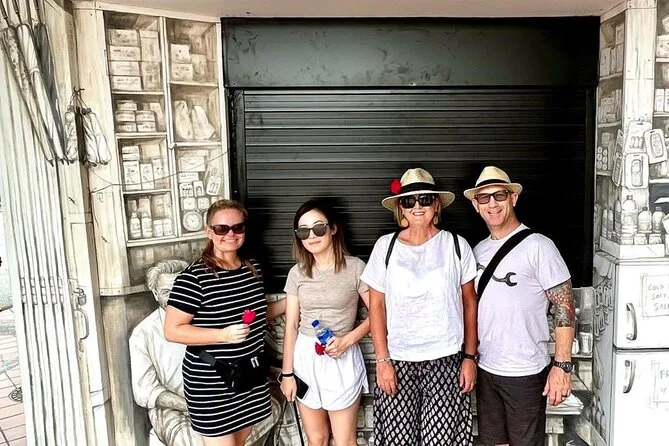
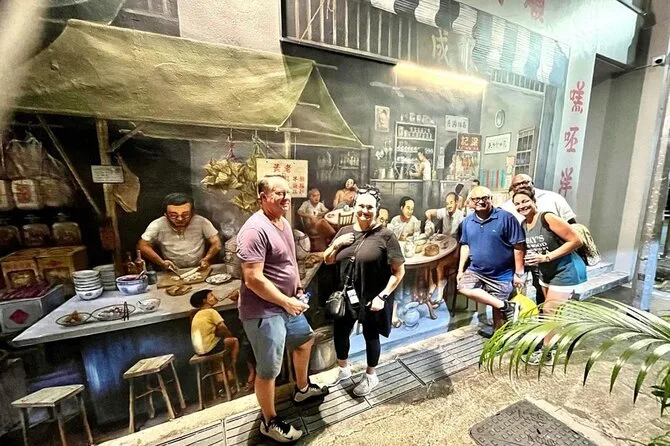
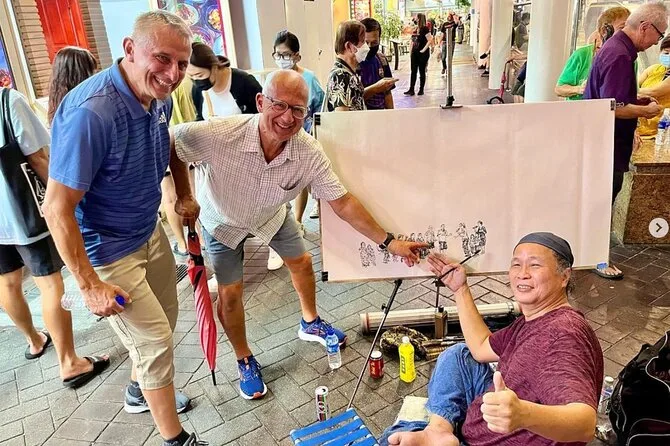
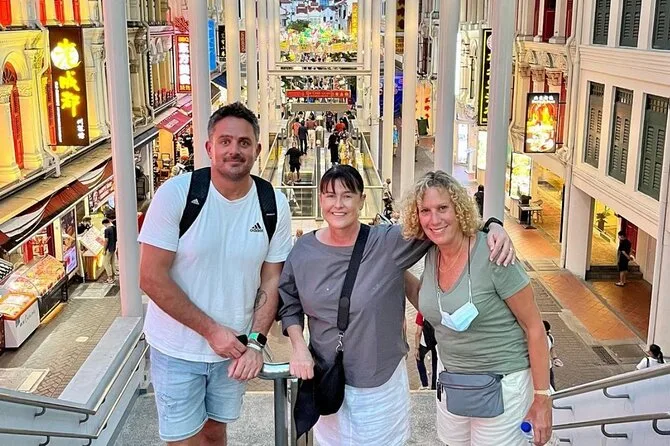
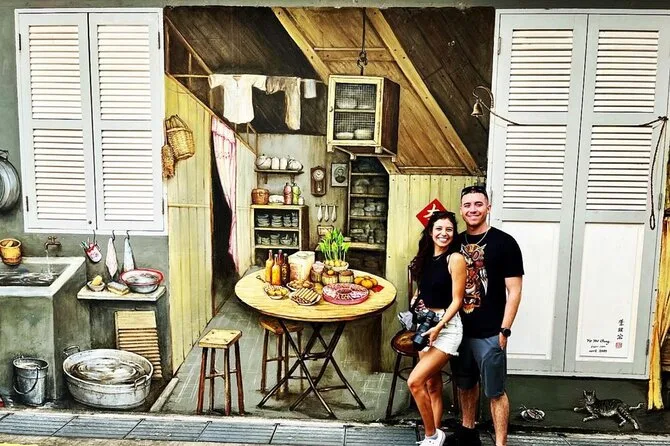
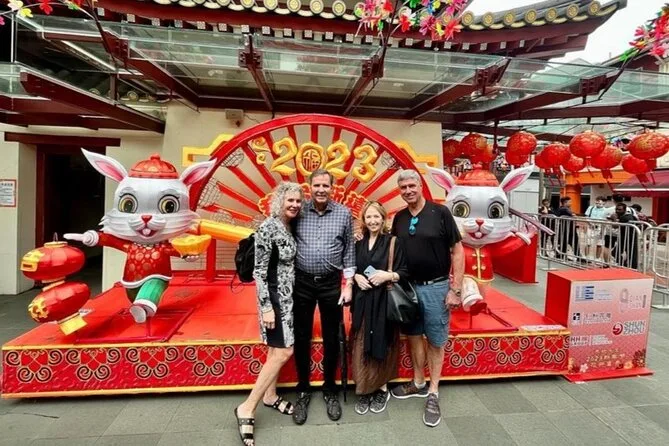
Li met us right outside the old shophouses in Chinatown — he waved with both hands, which I guess is just his way. He started telling us about his grandmother’s favorite noodle stall before we’d even left the corner. There was this smell of garlic and soy in the air, mixed with incense from a tiny shrine tucked behind a fruit stand. I tried to repeat one of the dish names in Mandarin and Li laughed — probably butchered it, but he was patient. We wandered through narrow lanes while he showed us faded photos of what this place looked like in the 70s. Some buildings still had those chipped tiles and peeling paint, but now there’s a bubble tea shop next to an old gambling den (well, former den). It’s odd how things change but also don’t.
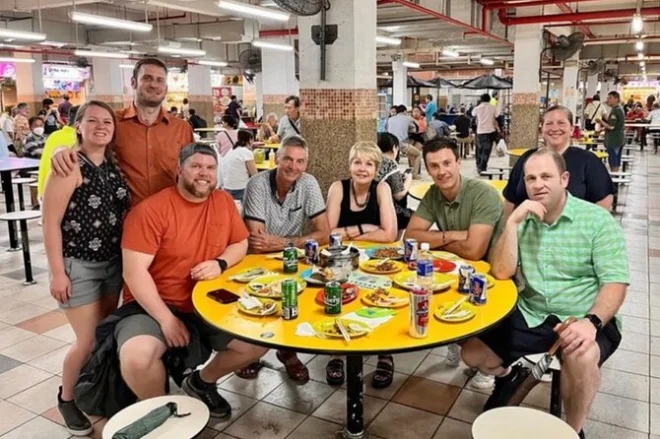
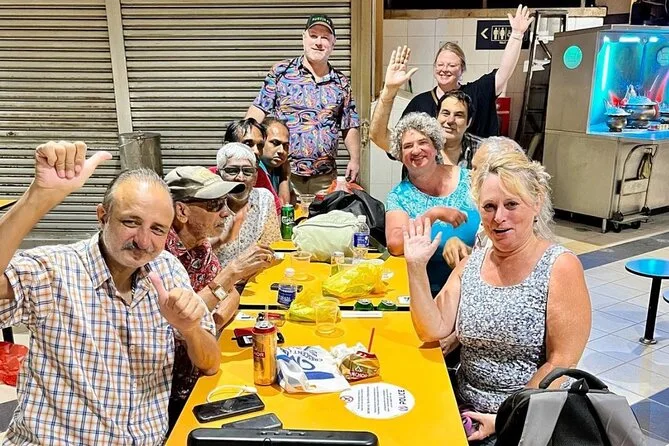
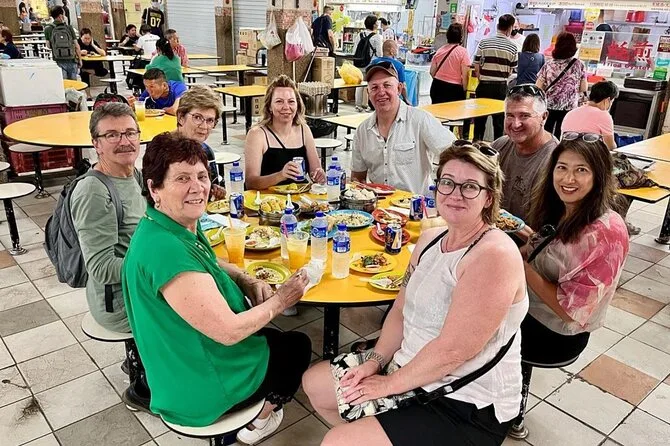
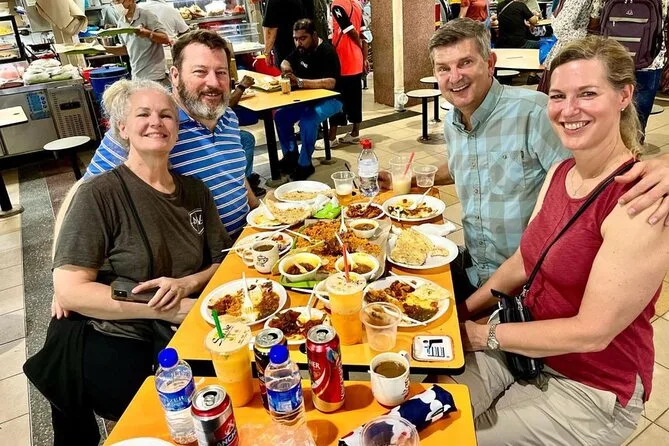
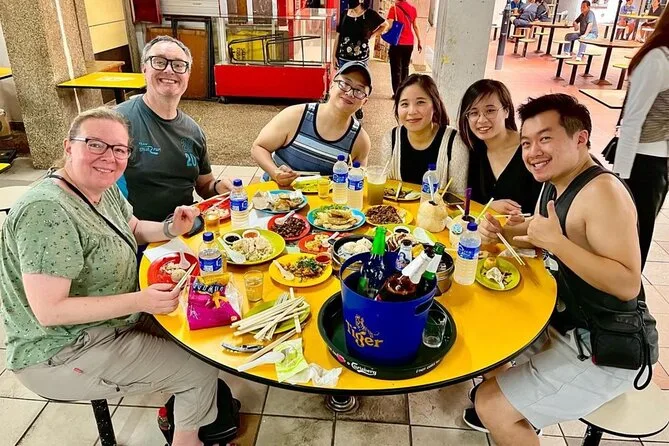
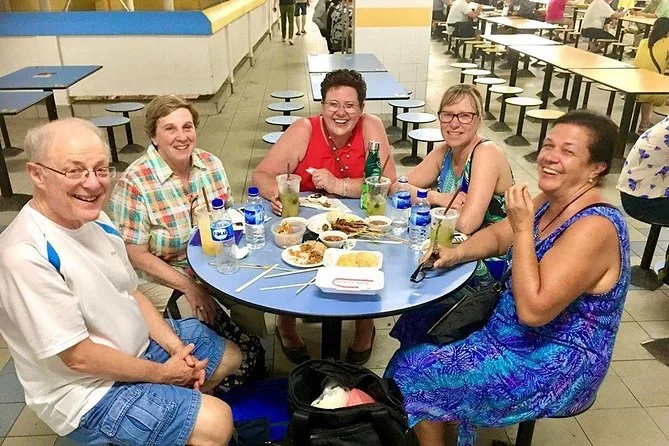
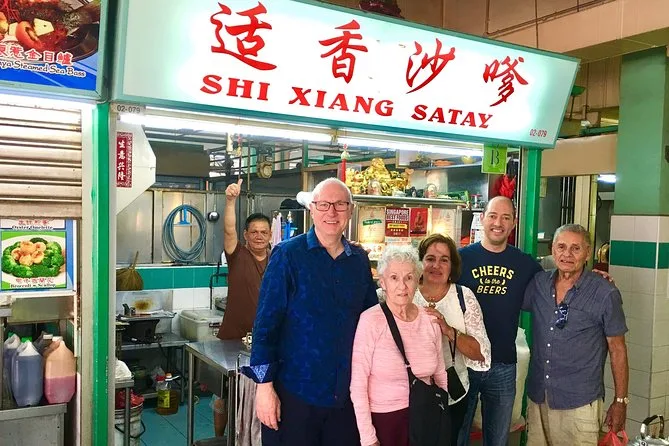
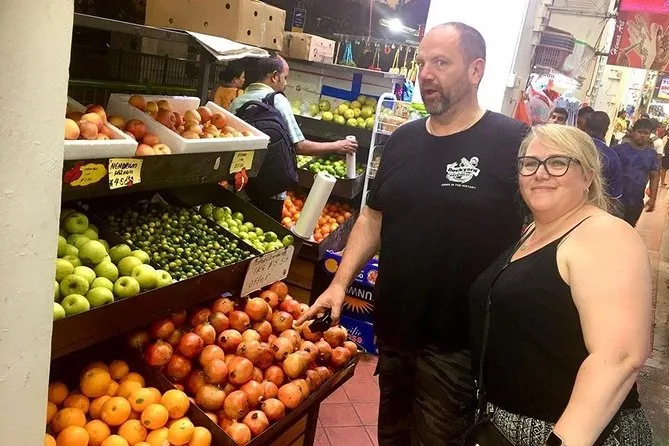
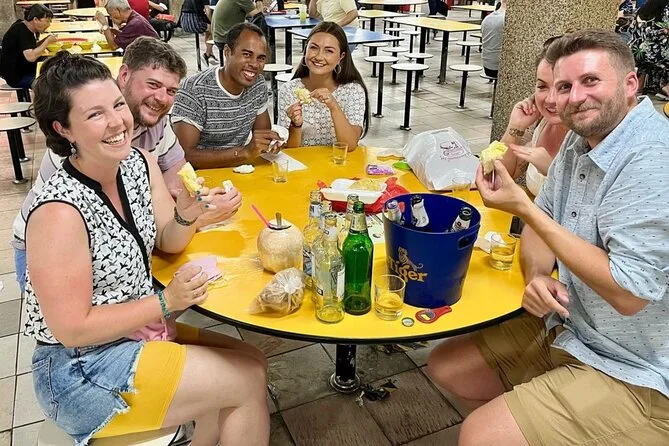
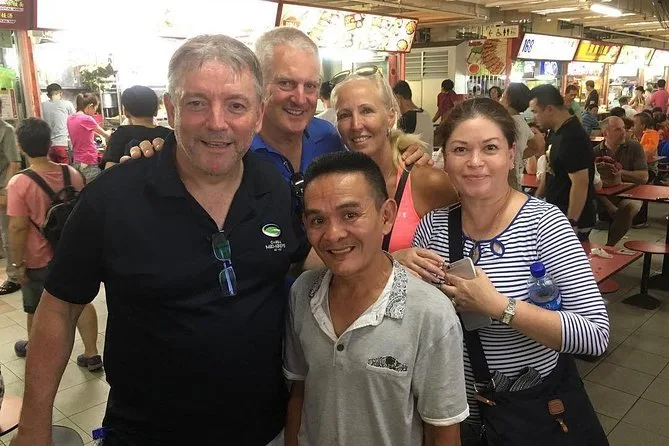
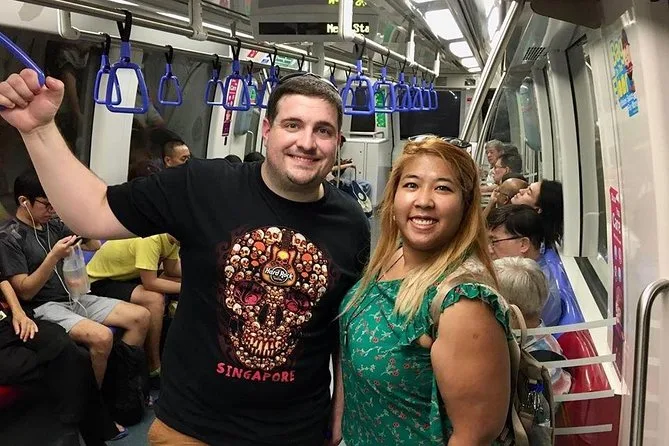
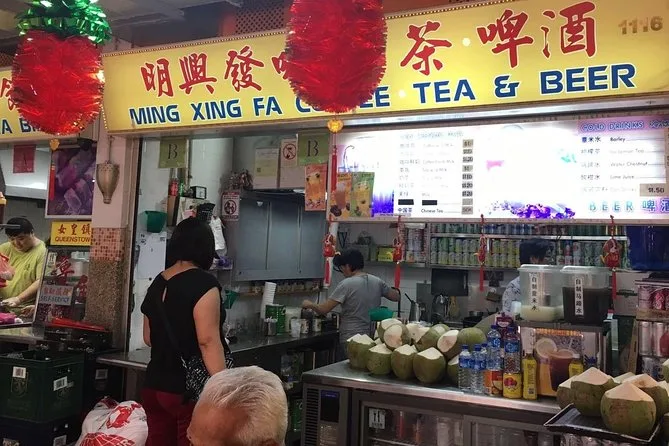
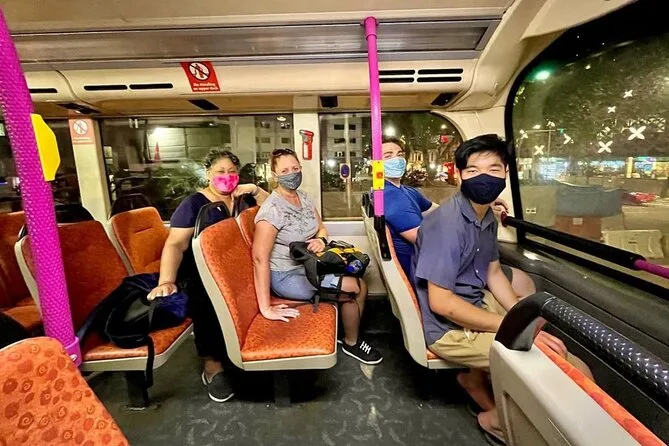
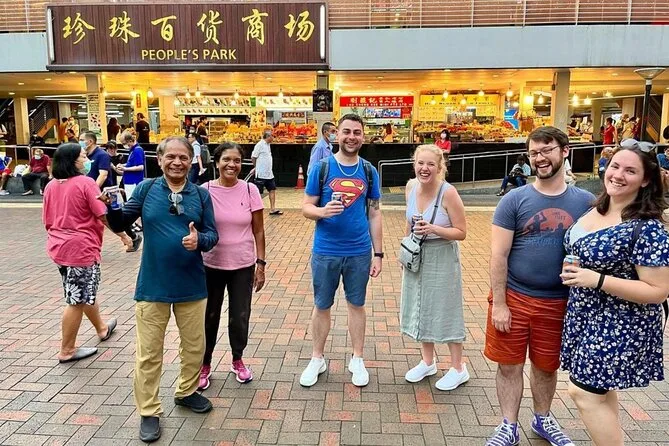
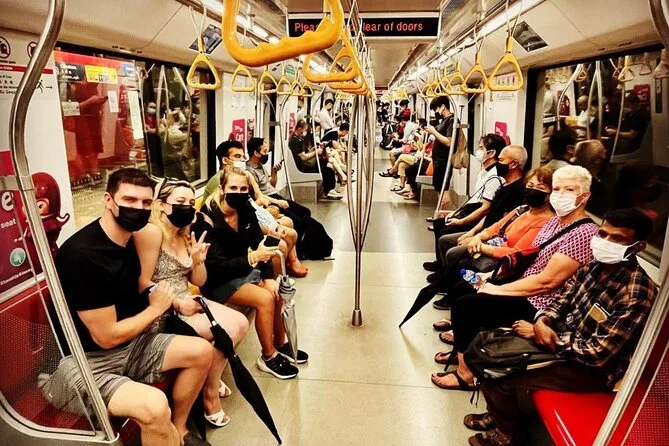
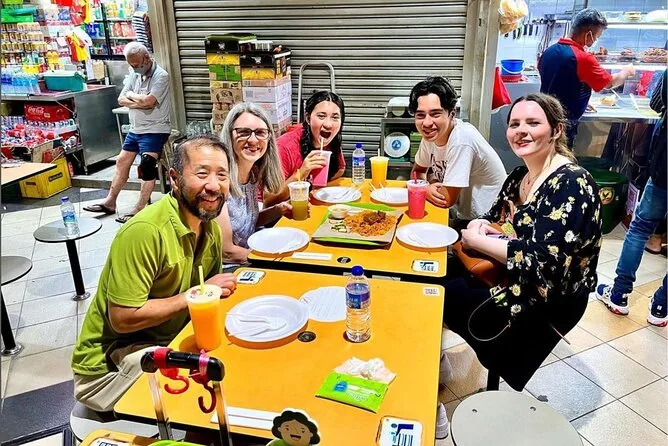
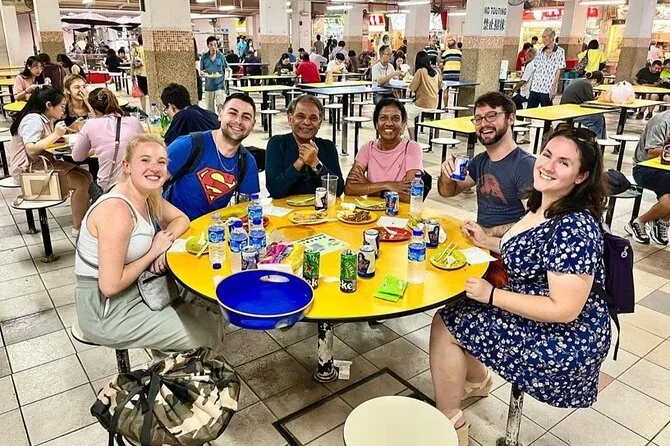
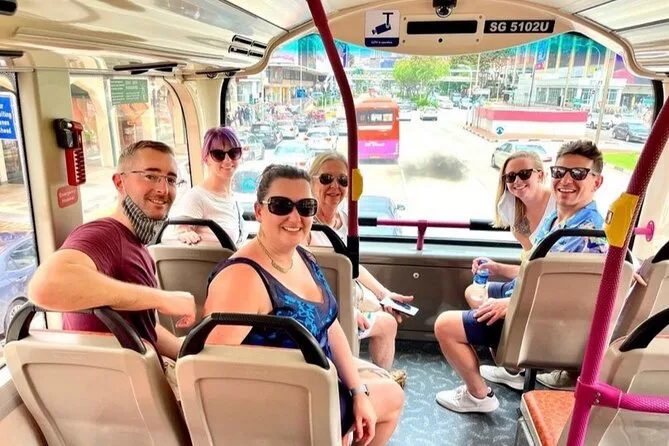
The first hawker centre was loud — people shouting orders, metal spoons clinking on bowls. Li made sure we tasted char kway teow from a stall run by two sisters who’ve been at it for decades. The noodles were smoky and sticky; I still think about that flavor sometimes when I’m hungry late at night. We sat elbow-to-elbow with locals who barely glanced up from their soup. After that, we hopped on the MRT to Little India, which hit me with color and noise all at once: flower garlands everywhere, Bollywood music leaking out of sari shops, someone selling mangoes so ripe you could smell them halfway down the block.
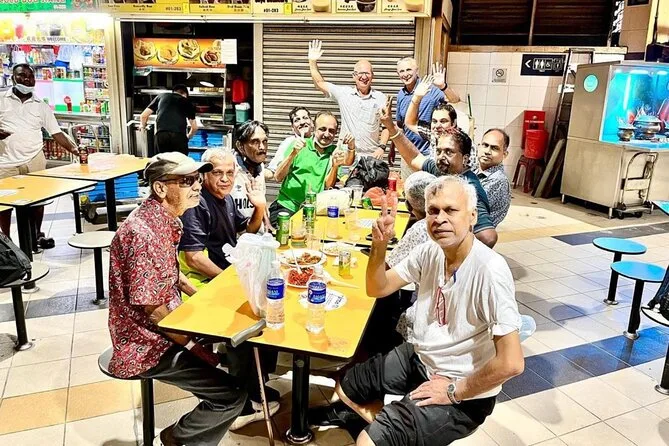
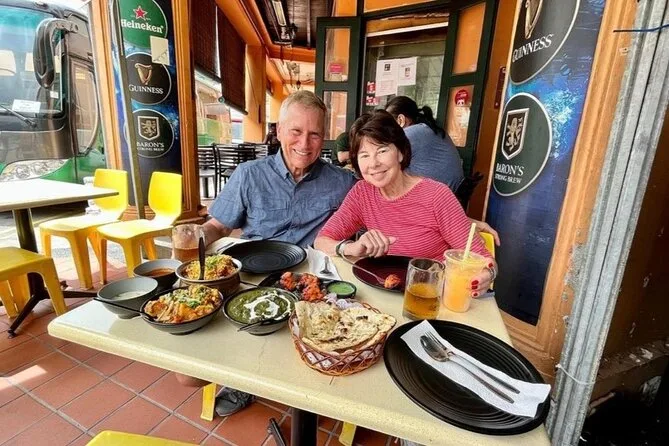
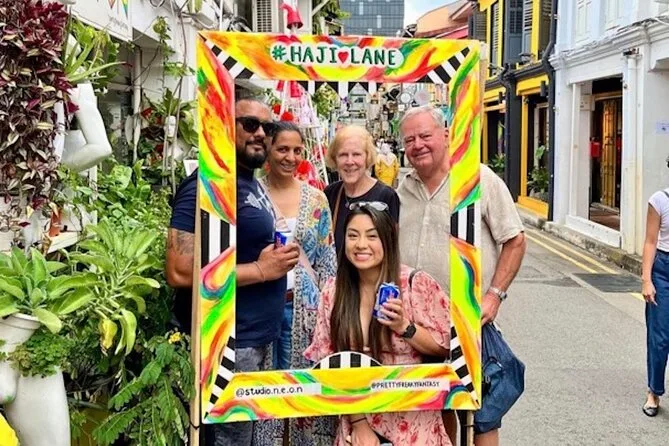
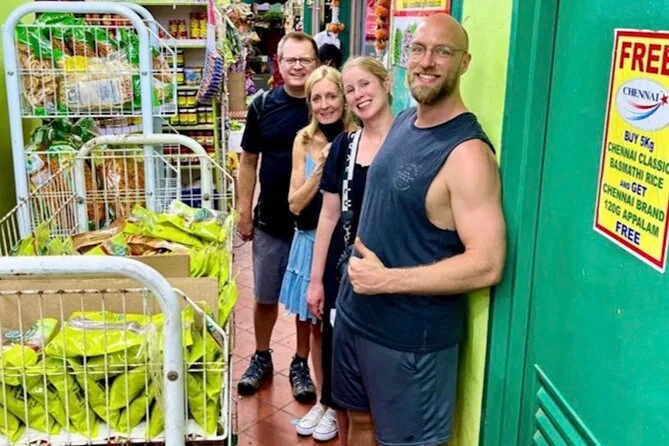
I didn’t expect to like the Indian Muslim biryani so much — it came wrapped in brown paper and stained my fingers yellow. Li explained how this area used to be swampy, full of water buffaloes (which I can’t picture now). We ducked into another market for sweet chai and watched families argue over which samosas to buy for dinner. It felt like everyone knew each other here; even Li got called “uncle” by some kid running past.
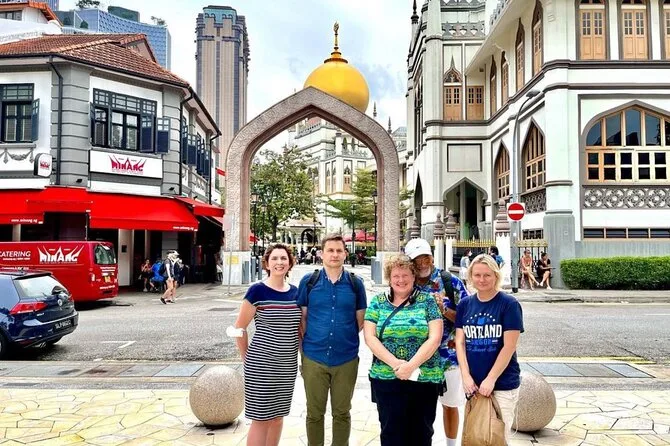
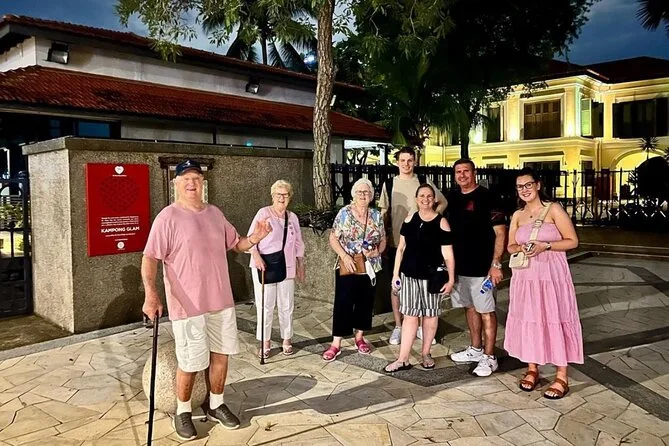
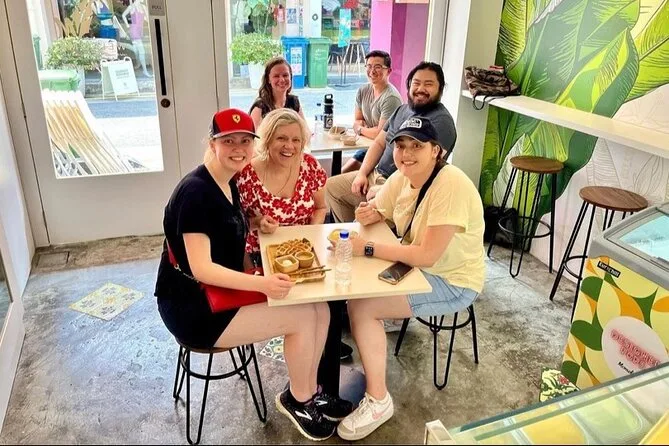
Our last stop was Kampong Glam. The Sultan Mosque glowed gold in the late afternoon light — honestly kind of surreal against all the graffiti walls around it. We tried a Malay dessert that tasted like coconut and palm sugar (I forgot the name already), sitting outside while motorbikes buzzed past. There was something about hearing Li talk about Malay royalty while watching teens snap selfies under murals that made me realize how layered Singapore really is. I kept thinking: this city doesn’t sit still for anyone.
5h 30m

Step-by-step itinerary
Day 1 — Explore ethnic quarters and street food
- Explore Chinatown neighborhood
- Hear stories of early Chinese immigrants
- View old images of Singapore's development
- Visit Chinatown hawker centre
- Sample Singapore Chinese street food
- Visit Little India area
- See street stalls and flower markets
- Visit Little India hawker market
- Sample Pakistani and Indian Muslim street food
- Explore Kampong Glam Malay Quarter
- Learn about Malay royalty and history
- Visit Sultan Mosque
- Try dessert at local shop
- View colorful graffiti walls

Top questions

How long does the Singapore food tour last?
The tour covers three neighborhoods in one day; exact duration may vary but expect several hours including meals and travel between stops.
Is hotel pickup included for this Singapore food tour?
No hotel pickup is mentioned; public transportation options are nearby for meeting your guide at the starting point.
Which areas are visited on this Singapore street food tour?
The tour visits Chinatown, Little India, and Kampong Glam.
What types of food are included during the tour?
You’ll try Chinese street food in Chinatown, Pakistani/North Indian/Indian Muslim dishes in Little India, plus a Malay dessert in Kampong Glam.
Are drinks provided during the Singapore hawker centre tour?
Yes, bottled water, soda/pop, coffee or tea, and alcoholic beverages are included along with meals.
Is this Singapore culture & food tour suitable for vegetarians?
No; it’s not recommended for vegetarians as experience will be compromised due to limited options.
Can travelers with dietary restrictions join this Singapore food walk?
This tour isn’t recommended for travelers with gluten intolerance or dietary restrictions due to menu limitations at hawker centres.
Are children allowed on this walking food tour?
Infants must sit on an adult’s lap; strollers or prams aren’t recommended due to crowded markets and narrow walkways.

What’s included
Your day includes guided walks through Chinatown, Little India and Kampong Glam with your local host sharing personal stories along the way; tastings at multiple hawker centres covering Chinese, Indian Muslim and Malay dishes; bottled water, soda or pop; coffee or tea; snacks; lunch; dinner; plus alcoholic beverages if you’d like — all woven into one continuous experience using public transport between neighborhoods.
 Super deal
  Free booking, free cancellation.
  Don't lose your place.


 Do you need help planning your next activity?
  +507 6792-0894


