
Iasi to Chisinau & Cricova Winery: Full-Day Private Tour
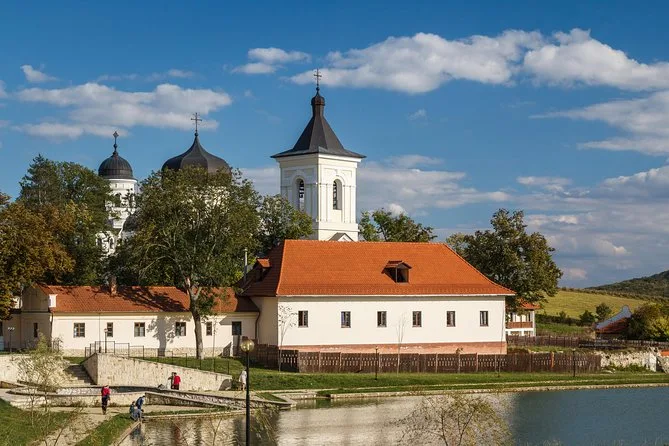
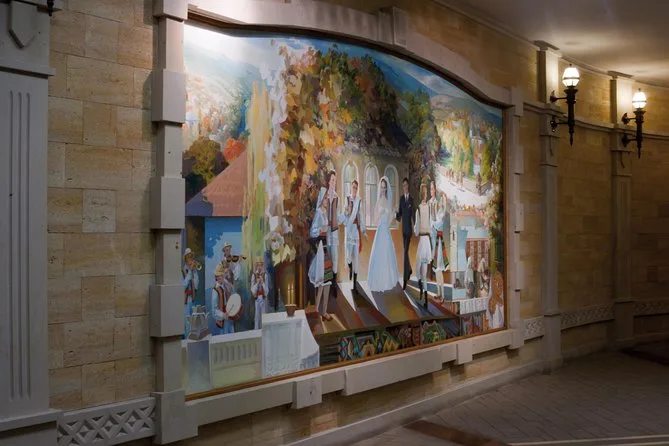
The border crossing happens early, and then you're in another country entirely.
You cross the border into Moldova's capital, walk through Chisinau's rebuilt center and its parks, then descend into Cricova's underground wine cellars at depths of 50–80 meters where you taste wines and see collections from Putin and WWII-era Berlin. Hotel pickup, guide, entry fees, and wine tasting are all included. Lunch is optional. Plan for a full day out: the border crossing and underground drive are part of what makes this possible.
More experiences you might like
Step-by-step itinerary
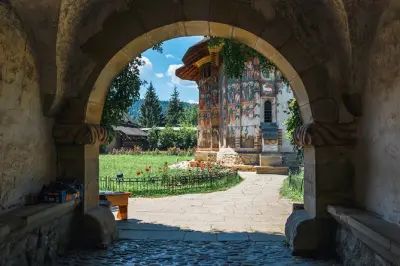
Explore Moldova: Monastery, Chisinau, Winery
- Visit Capriana Monastery
- Tour Chisinau main attractions
- See Arc de Triomphe and Holy Gates
- Stroll through Chisinau park
- Discover Prince Stefan history
- Explore Cricova Winery underground cellars
- Wine tasting at Cricova Winery
The experience
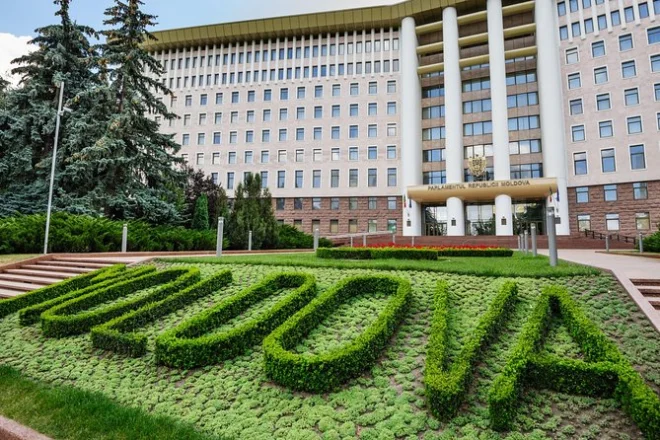
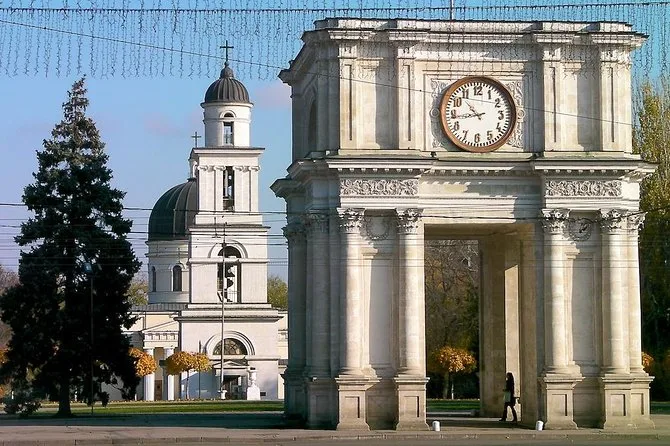
The drive from Iasi to Chisinau takes you across the Moldova border with your guide handling the logistics, so you're free to watch the landscape shift. Once in the capital, Chisinau reveals itself slowly: a city rebuilt after WWII and a 1940 earthquake left it flattened, so what you see now is mostly Soviet-era blocks mixed with newer construction. Your guide walks you through the main sights: the Arc of Triumph, the Holy Gates from 1841 at the city center, and a park where you'll hear about Prince Stefan, the medieval figure who anchors Moldova's identity. It's not flashy, but there's something honest about a city that doesn't hide its history.
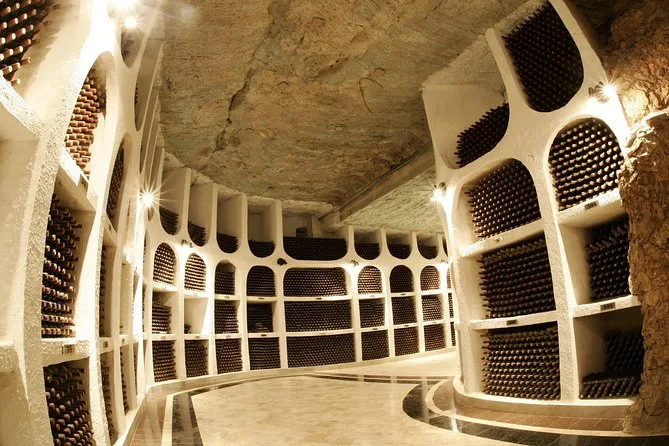
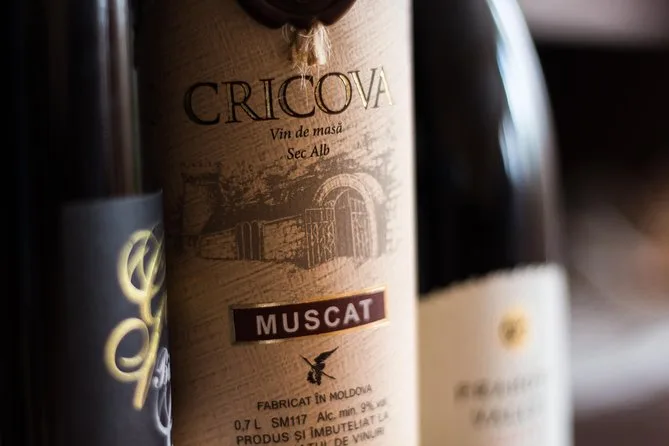
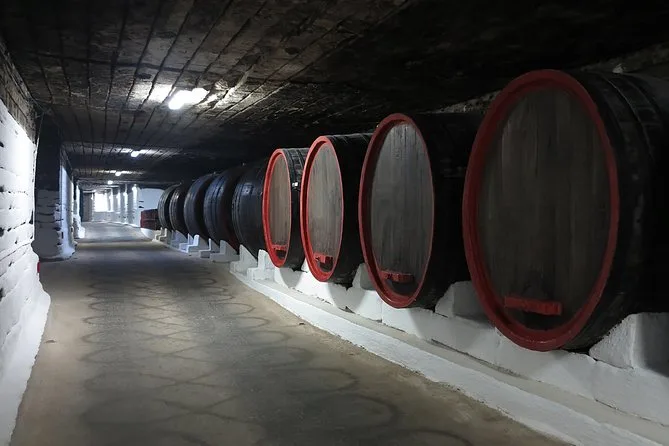
Then comes Cricova Winery, and this is where the day shifts into something genuinely strange. The cellars sit 50 to 80 meters underground: deep enough that you drive through them in a vehicle, past tunnels that stretch for kilometers. The scale is disorienting: this is where Putin keeps his collection, and you'll pass Herman Goering's private wines, seized by the Red Army from Berlin in 1945 and still stored here. The winery itself is considered the flagship of Moldovan wine production, and the tasting walks you through their range with someone who knows the region's history. You get a bottle of water for the drive, and if you want, lunch is available on-site, though it's optional, so you can decide based on how you're feeling by midday.
The return to Romania happens in the late afternoon, and by then you've crossed a border twice and descended into an underground city. It's a full day: the kind where you come back to Iasi with stories that don't fit neatly into a category. Your hotel pickup and drop-off are included, so you don't navigate transport yourself. The guide is English-speaking and handles the border crossing, which alone saves you the anxiety of doing it solo.
What’s included
Your day includes hotel pickup and drop-off in Iasi, transportation in a modern vehicle with a professional English-speaking guide, entrance fees to Chisinau's main attractions and Cricova Winery, a wine tasting at Cricova, and a bottle of water. Lunch at the winery is optional and available for an additional cost.
Before you book
Prices and times updated today
Operated by Rolandia
Is this one for you?A good fit if you want to cross into Moldova and see its capital without arranging the border crossing yourself. The guide handles logistics so you focus on the experience. The underground winery and full-day pace mean you're out most of the day, which is what lets you fit Chisinau, Capriana Monastery, and Cricova's cellars into one trip.
Traveler reviews
Top questions
Can children come?
Yes. Ticket types: Child (3 to 12 years). Under 3: they can't be included in the booking.
How long is the full day trip from Iasi?
The tour is a full-day excursion. Exact duration depends on border crossing times and your lunch choice, but plan for most of the day out of Iasi.
What's included in the price?
Professional English-speaking guide, hotel pickup and drop-off, transportation in a modern vehicle, entrance fees to Chisinau and Cricova, wine tasting, and a bottle of water. Lunch at Cricova is optional and separate.
Do I need to arrange my own border crossing?
No. Your guide handles the border crossing between Romania and Moldova, and you travel as a group with proper documentation arranged.
What is Cricova Winery like?
Cricova is an underground winery situated 50–80 meters below ground, with cellars so large you drive through them. It holds one of Moldova's largest wine collections and is considered the country's flagship for high-quality wine production.
Is lunch included?
Lunch at Cricova is optional and not included in the base price. You can choose to eat there or skip it.
What are the main stops in Chisinau?
The Arc of Triumph, the Holy Gates (1841) at the city center, and a local park where you'll learn about Prince Stefan and Moldova's medieval history.
How much walking is involved?
A small amount of walking is involved in Chisinau and at Cricova. The winery is not wheelchair accessible.
Iasi to Chisinau & Cricova Winery: Full-Day Private Tour
11h–12h · EN · at your hotel
from US$ 287 per person
4.9236 reviewsVerified traveler reviews via our booking provider