
Romania 12-Day Private Tour: Castles, Monasteries & Carpathians
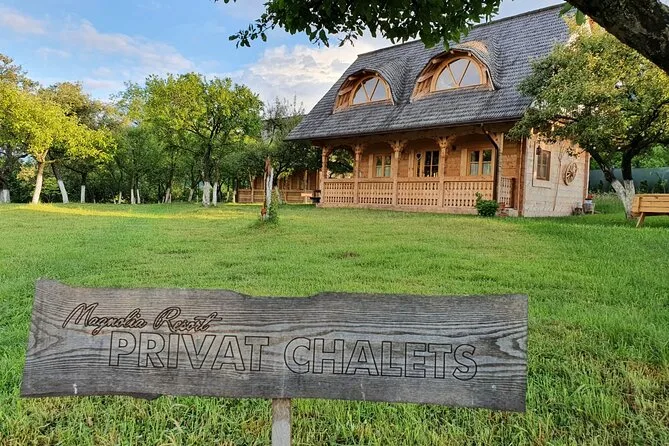
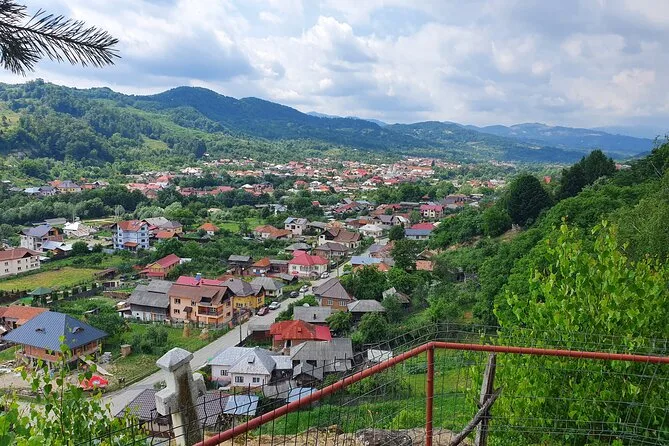
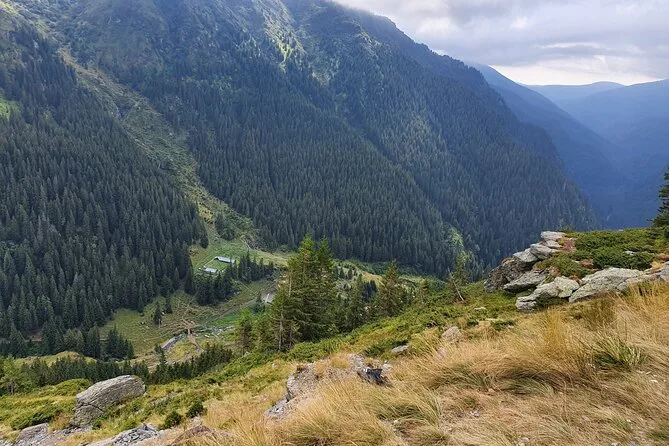
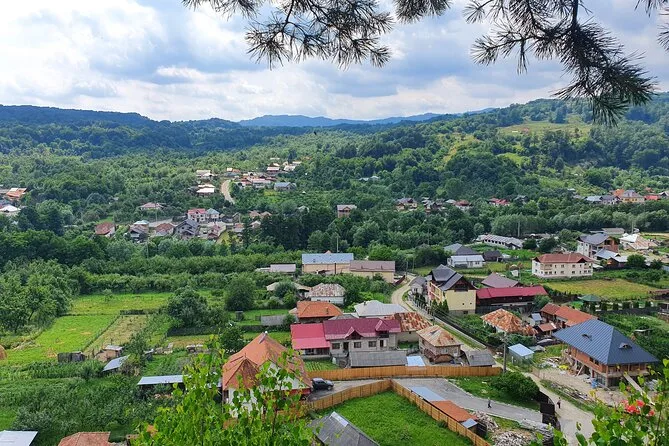




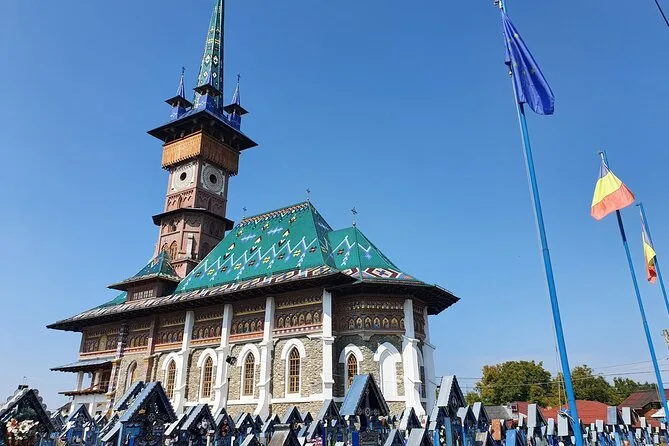

Twelve days through Romania's castles, forests, and painted churches—with your own driver
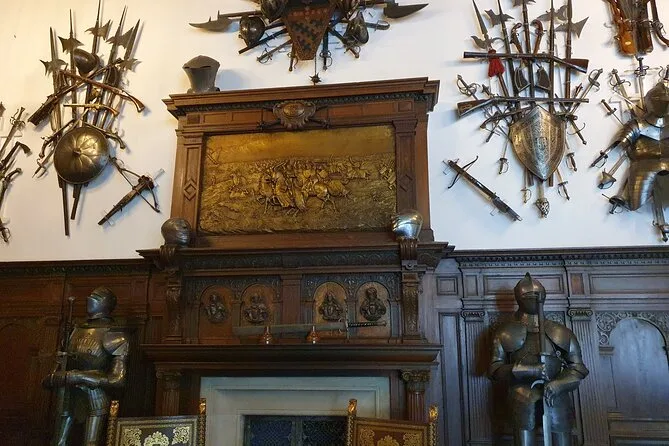
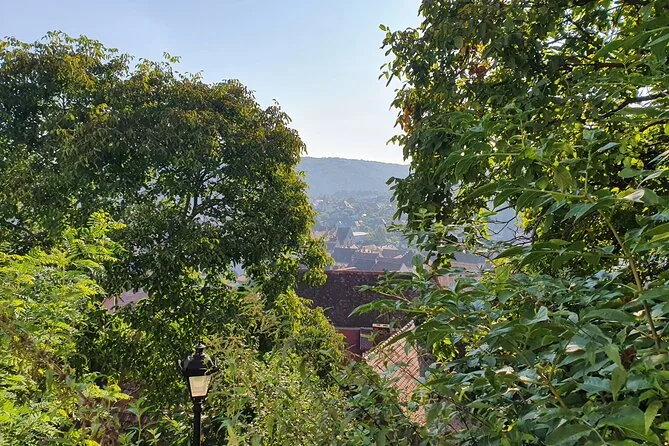
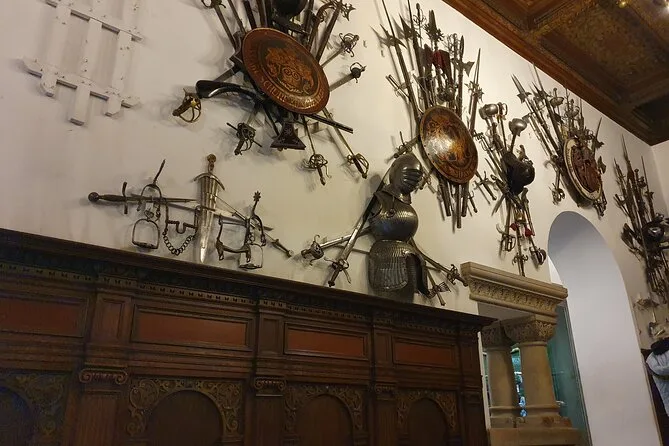
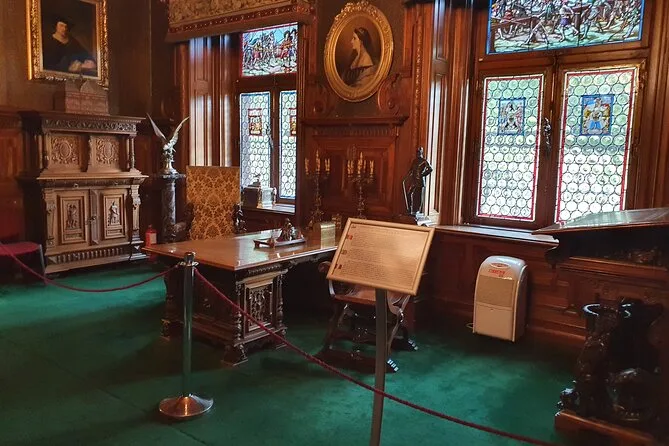
You travel 12 days with a private guide and car, visiting Bran Castle, Peles Castle, the Transfagarasan Highway, four painted monasteries, Sighișoara's medieval citadel, and the Merry Cemetery—with all meals, entry fees, and accommodation included so you only have to show up each morning and decide where to stop.
 12d
12d

Step-by-step itinerary
Day 1 — Bucharest City Tour and Landmarks
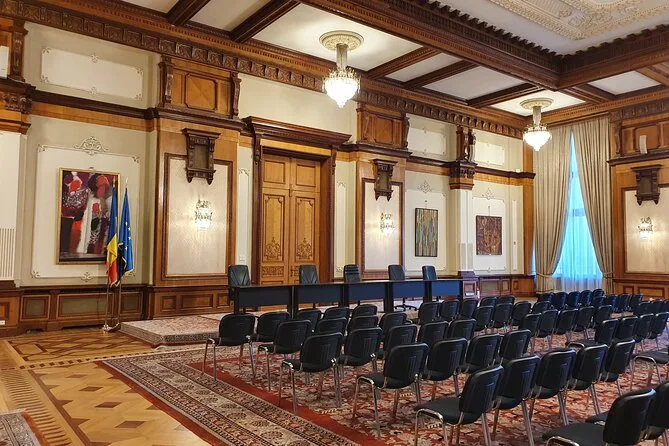
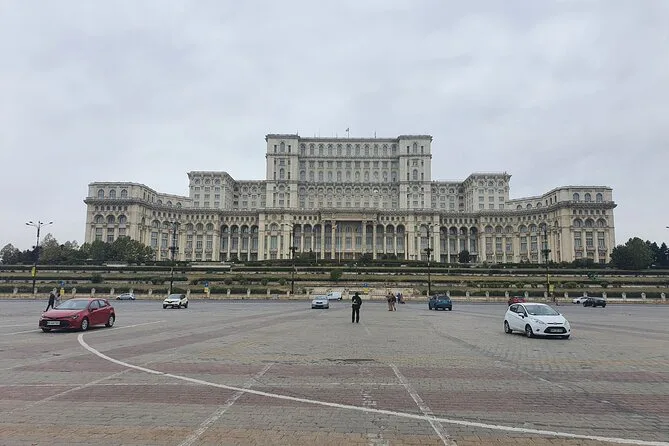
- Visit Palace of Parliament
- Explore National Village Museum
- Tour Romanian Athenaeum
- See Revolution Square
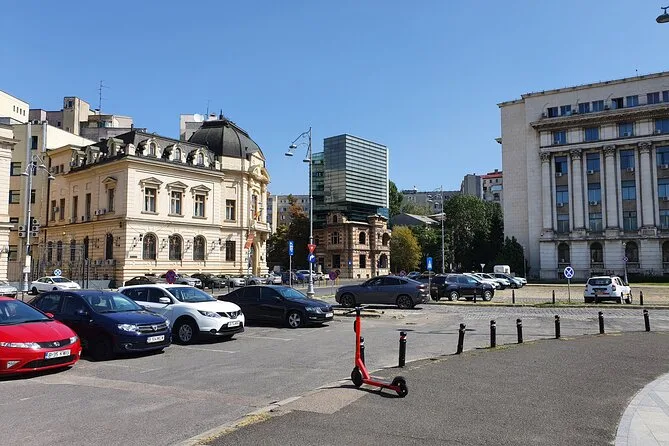
- Walk Historical City Centre
Day 2 — Curtea de Arges to Sibiu Tour
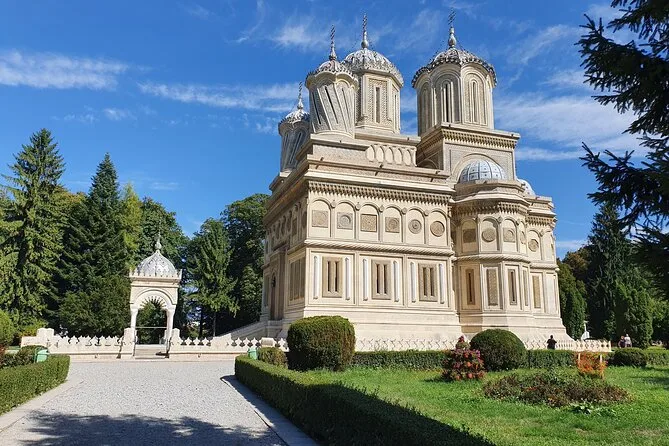
- Visit Curtea de Arges Monastery
- Explore Poenari Castle ruins
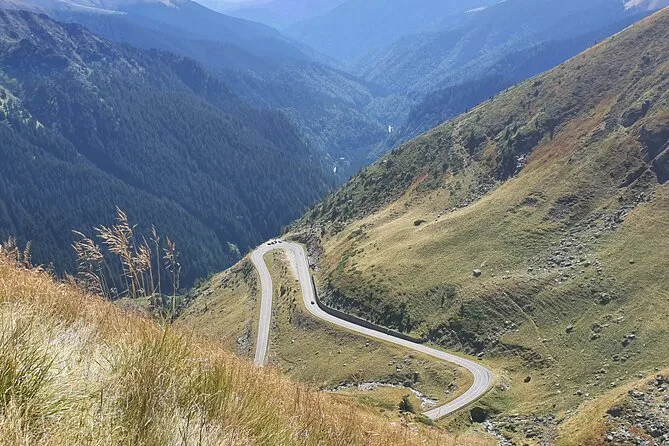
- Drive Transfagarasan Highway
- Sibiu city tour
Day 3 — Castles and Ancient Sites
- Tour Corvin Castle
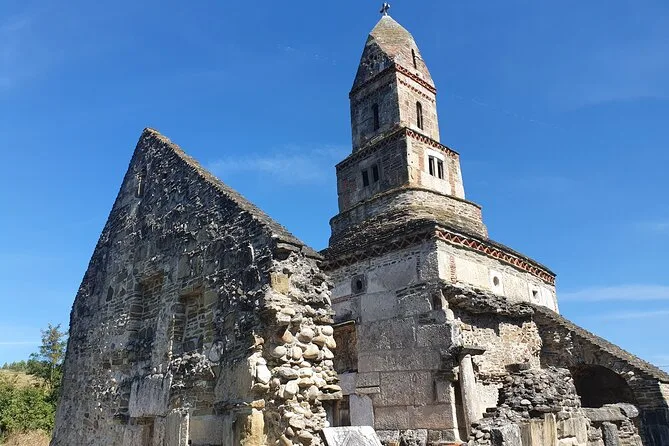
- Visit Densus Church
- Explore Sarmisegetusa Regia
Day 4 — Fortified Church and Nature Hike
- Visit Biertan Fortified Church
- Hike Turda Gorge
- Tour Alba Iulia Citadel
Day 5 — Salt Mine and City Tour
- Explore Turda Salt Mine
- Cluj Napoca city tour
- Visit Surdesti Wooden Church
Day 6 — Maramures Culture and History
- Visit local market in Maramures
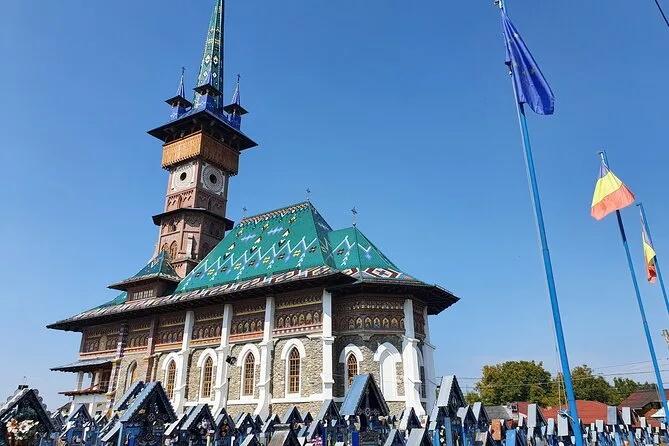
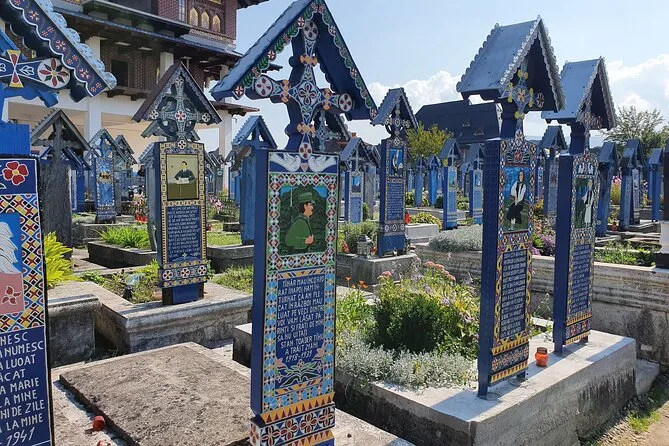
- See Merry Cemetery
- Tour Sighet Memorial Museum
Day 7 — Monastery and Scenic Villages
- Visit Barsana Monastery
- Drive Borgo Pass Road
- Explore Ciocanesti village
Day 8 — Bukovina Painted Monasteries
- Visit Voronet Monastery
- Tour Humor Monastery
- See Sucevita Monastery
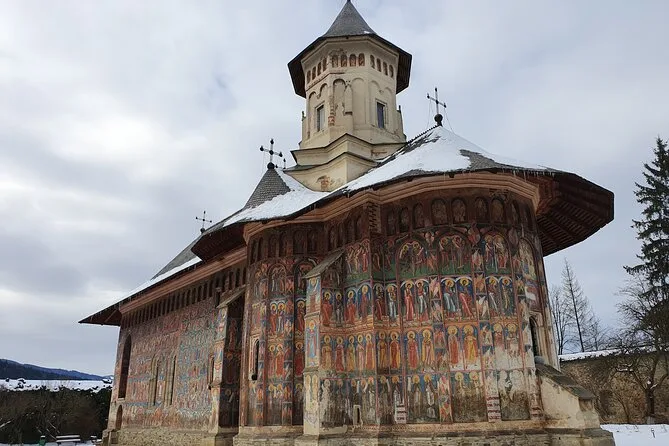
- Explore Moldovita Monastery
Day 9 — Museums and Natural Scenery
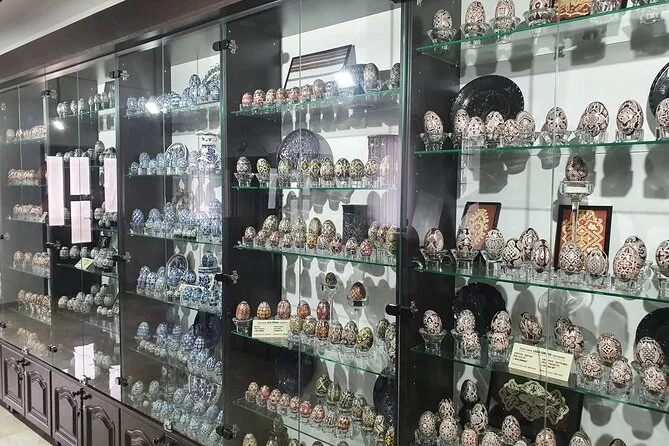
- Visit Lucia Condrea Egg Museum
- Tour Nicolae Popa Museum
- Walk Bicaz Gorges
Day 10 — Medieval Towns and Fortress
- Sighisoara city tour
- Visit Viscri Village
- Explore Rupea Fortress
Day 11 — Brasov and Famous Castles
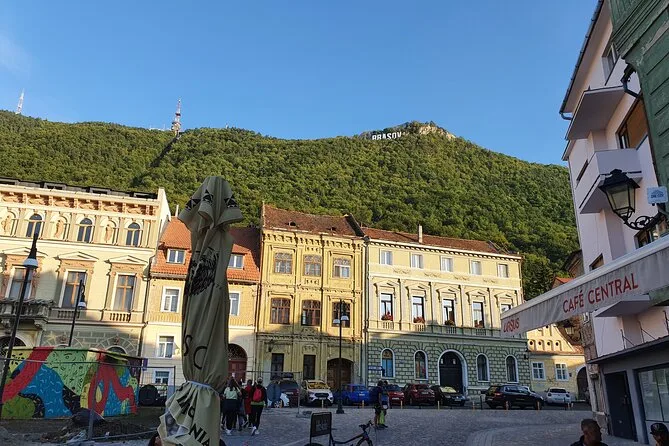
- Brasov city tour including Black Church
- Visit Bran Castle
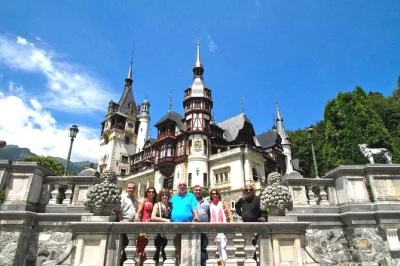
- Tour Peles Castle
Day 12 — Final Day: Fortified Church and Volcanoes
- Visit Prejmer Fortified Church
- Explore Muddy Volcanoes
- Tour Snagov Monastery

The Experience
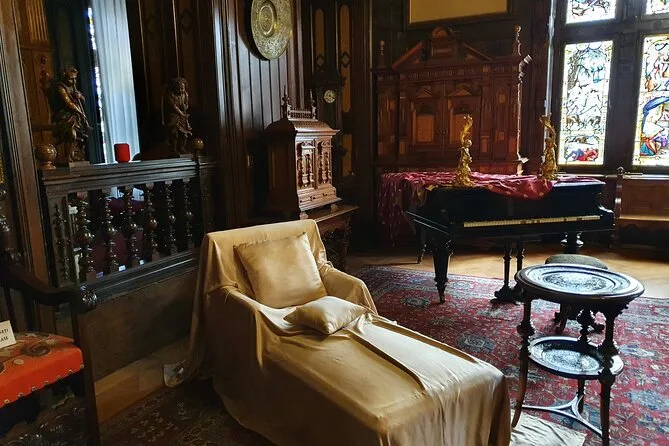
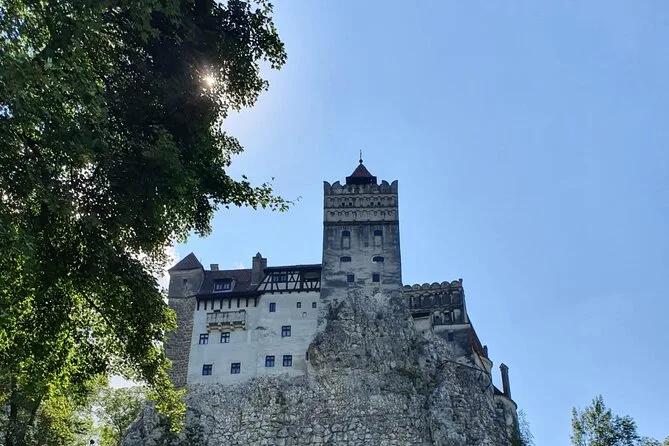
What if you could spend two weeks moving through a country without once worrying about buses, booking hotels separately, or figuring out which monastery is actually worth the detour? That's the shape of this 12-day private tour from Bucharest. You get a licensed English-speaking guide and a private car (or minibus if you're traveling with a larger group) for the entire journey—the kind of setup that means you can linger at Bran Castle when the light hits right, or skip the crowded market in Sibiu if you'd rather sit in a café instead. The itinerary covers the big names: Peles Castle, the Transfagarasan Highway, the painted monasteries of Bukovina, Sighișoara's medieval citadel. But it also includes the smaller, stranger stops—the Merry Cemetery in Maramureș where tombstones bear jokes about the dead, the Turda Salt Mine where you can walk inside a mountain, the mud volcanoes near Buzău that bubble up from three kilometers underground. All meals, entry fees, and the guide's accommodation are included, which means no hidden costs and no time wasted on logistics.
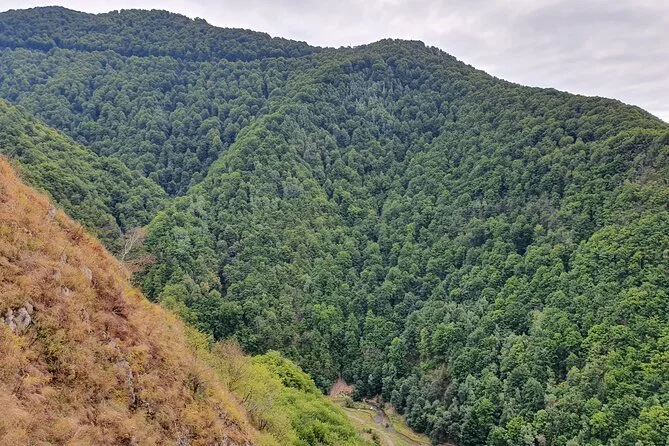
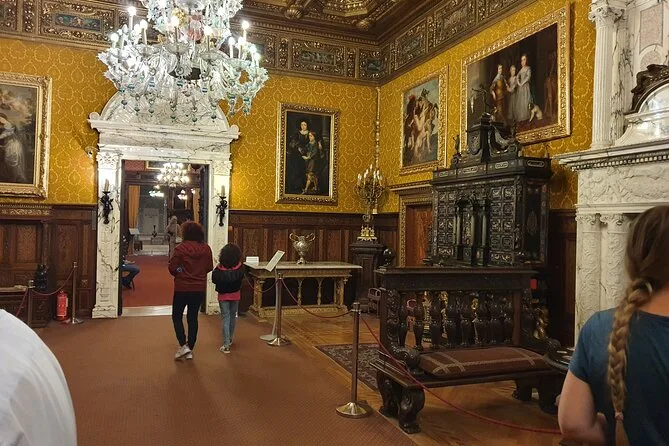
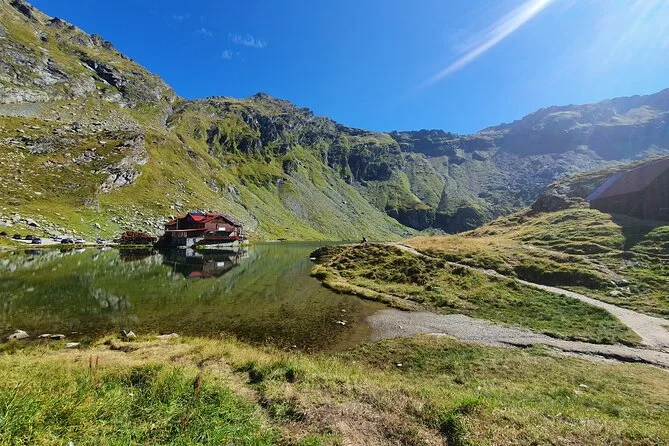
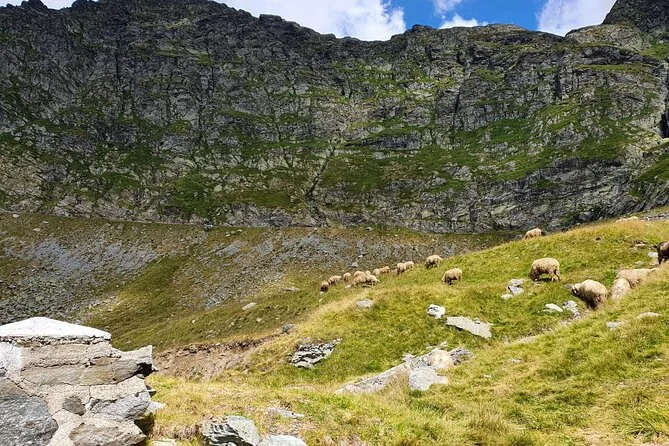
The route moves in a rough loop: start in Bucharest with the Palace of Parliament and the National Village Museum, then head south and west toward the Carpathians. You'll cross the Transfagarasan Highway—Romania's most famous road, closed most of the year and open only June to October—at 2,042 meters, with a tunnel linking the northern and southern sides at Lake Balea. Along the way you'll stop at Curtea de Argeș Monastery (which holds royal tombs), Poenari Castle (where Vlad the Impaler escaped through a secret passage), and the fortified churches of Transylvania: Prejmer, Biertan, Viscri. Each one is different—different stone, different defensive walls, different stories about who built them and why they needed defending. Your guide will explain the history, but also point out the small details: how the frescoes at Voroneț Monastery glow with a blue so specific to that place it's called "Voroneț blue," or why the wooden church in Surdești, built in 1721, stands 72 meters high and is considered an architectural masterpiece even by modern standards.
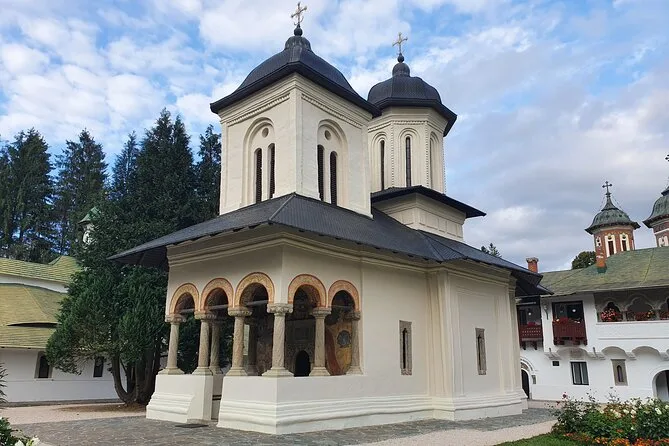
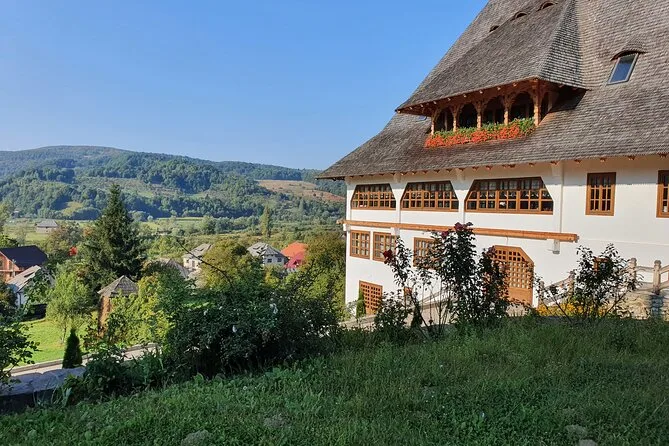
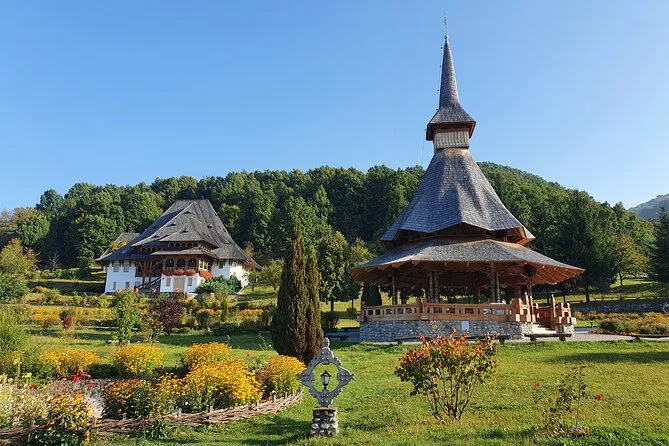
The northern part of the tour—Maramureș and Bukovina—is where the trip shifts. You'll visit four painted monasteries in quick succession: Voroneț, Humor, Sucevita, and Moldovita, each one a UNESCO World Heritage site with exterior frescoes that look like they've been painted in the last decade, not the last 500 years. You'll walk through Ciocănești village, where every house is painted with traditional motifs, and stop at the Barsana Monastery, one of the tallest wooden churches in Romania at 57 meters. The Merry Cemetery in Sapanta is the kind of place that sounds kitschy until you're standing in front of it—the crosses and tombstones are actual works of art, each one carved and painted with humor and skill, bearing epitaphs that make you laugh and think at the same time. There's also the Sighet Memorial Museum, which documents the victims of communism and is harder to visit than it sounds, but necessary.
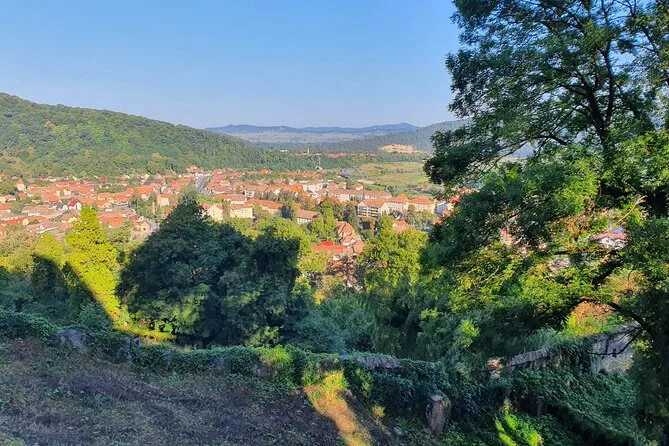
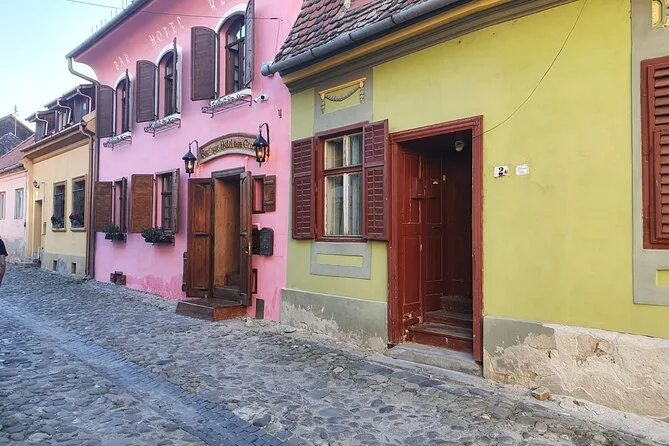
The return to Bucharest takes you through Sighișoara (birthplace of Vlad the Impaler, now a living medieval town where people still live inside the 700-year-old citadel), past Rupea Fortress on its 120-meter basalt cliff, and through Brașov's Old Town to see the Black Church. On the final leg, you'll stop at the Prejmer Fortified Church, the Berca Mud Volcanoes, and Snagov Monastery—said to be the burial place of Vlad—before returning to Bucharest. The whole thing is flexible: if you want to spend an extra night somewhere, skip a stop, or take a longer hike in Turda Gorge (which takes about 90 minutes if you go at a normal pace), your guide can adjust. The car has wireless internet, which means you can work if you need to, or just ignore your phone and watch the landscape change from city to mountain to forest and back again.

What’s included
Your 12 days include private car transportation (tourism car or minibus depending on group size), a licensed English-speaking guide for the entire journey, all accommodation for the guide, all meals at local restaurants and traditional stops, entry fees to all attractions (Palace of Parliament, Bran Castle, Peles Castle, all four painted monasteries, Sighișoara Citadel, Turda Salt Mine, and others), all car expenses including gasoline, parking, and road tolls, and complimentary wireless internet in the vehicle. Your guide is available throughout and can adjust the itinerary based on your preferences even after the tour begins.
Operated by Nicolas Experience Tours
Is this one for you?This tour suits travelers who want to see Romania's major castles, monasteries, and mountain roads without arranging transport, bookings, or timing themselves—the private car and included guide handle all logistics, which is what makes a 12-day loop through multiple regions possible without the usual coordination headache.
Traveler reviews
Compare the 13 similar options
 Romania 12-Day Private Tour: Castles, Monasteries & Carpathians★ 5.00 (1)12dEN · DE +8US$ 4,976
 13-Day Private Romania Tour: Castles, Monasteries & Local LifeExplore Romania in 13 days with a private guide. Visit castles, painted monasteries, medieval towns, and hidden villages. Flexible itinerary, local insights.★ 5.00 (1)13dEN · DE +8US$ 5,386View ›
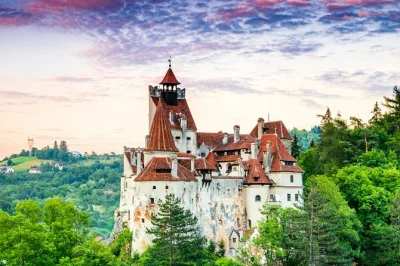 Bucharest: Bran Castle, Peles Castle & Brasov Day TripFull-day Transylvania tour from Bucharest visiting Bran Castle and Peles Castle, with free time in Brasov's Old Town. Includes pickup, transport, and guide.★ 4.48 (1,961)12hEN · IT +1US$ 28View ›
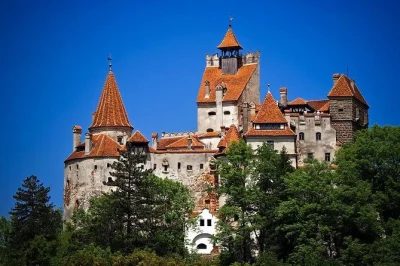 Private Bran & Peles Castle Day Trip from Bucharest with GuideVisit Bran Castle, Peles Castle and Brasov on a private day trip from Bucharest with a professional guide and driver who'll handle all the details.★ 4.58 (271)12hENUS$ 146View ›
 Bucharest VIP Pub Crawl: 3 premium venues, skip-the-lineVIP bar crawl in Bucharest outside Old Town with reserved tables at 3 premium venues, private minivan transport between stops5hENUS$ 65View ›
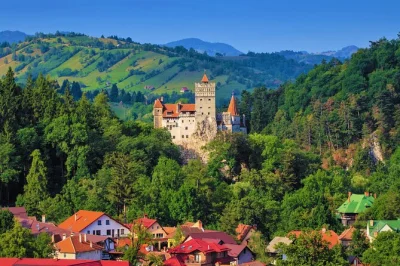 Bucharest to Bran & Peles Castle & Brasov Day TripVisit three Carpathian castles: Peles in Sinaia, Bran with Gothic towers, and medieval Brasov. Includes transport, guide, and entry fees.★ 4.47 (3,294)12hEN · IT +1US$ 34View ›
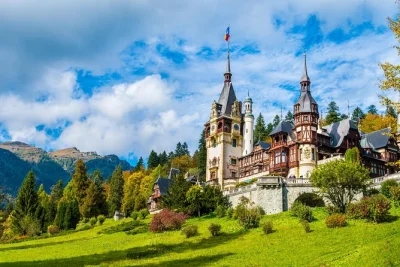 Bran day trip from Bucharest: Three castles in one dayFull-day Transylvania tour from Bucharest with Peles Castle, Bran Castle and Brasov's medieval old town. 12–14 hours, small group, professional guide.★ 4.47 (1,678)14hEN · IT +1US$ 62View ›
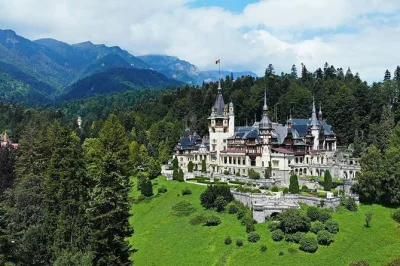 Bucharest to Bran & Peles Castles: Private Day Trip with BrasovFeel the chill of Bran Castle, wander Peles Castle’s halls, and stroll medieval Brasov on a private day trip from Bucharest. Includes hotel pickup and local guide.★ 4.98 (260)12h–13hENUS$ 174View ›
 Private Transylvania Tour: Bran Castle, Brasov & Saxon VillagesExplore Transylvania’s castles, medieval towns, and villages on a private tour from Bucharest. Includes Bran Castle, Brasov, Sighisoara, Sibiu & more.★ 4.95 (22)4dEN · ESUS$ 1,452View ›
 Bran Castle & Peles Castle: Private Transylvania Tour from BucharestPrivate day trip from Bucharest to Bran Castle and Peles Castle with hotel pickup, professional guide, and photo stops. Full-day Transylvania tour, 2 castles, 1 car.★ 4.93 (101)1h–10hEN · ROUS$ 174View ›
 Private 8-Day Romania Tour: Castles, Monasteries & VillagesExplore Romania in 8 days from Bucharest. Visit Bran Castle, Transfagarasan Highway, painted monasteries, medieval towns & local villages. Private guide.★ 5.00 (8)8dEN · DE +8US$ 3,396View ›
 Dracula's Castle & Peles: Small Group Day Trip from BucharestFeel the chill of Bran Castle, wander Peles Castle’s gardens, and stroll Brasov’s old streets on a small-group Transylvania day trip with guide and transport included.★ 4.54 (1,018)12h–14hENUS$ 65View ›
 Bran Castle & Peles Castle: Private Day Trip from BucharestPrivate tour from Bucharest to Bran Castle, Peles Castle & Brasov. Includes pickup, English-speaking guide, all entry fees. Full day, flexible itinerary.★ 4.94 (69)11h–12hEN · DE +8US$ 375View ›
Top questions
Is the Transfagarasan Highway always open?
No. It's fully open only from June to October. Outside those months, the road is closed due to snow and weather conditions.
What's included in the price?
Private car, English-speaking guide, all meals, all entry fees to attractions, the guide's accommodation, gasoline, parking, and road tolls. You pay for your own accommodation and any personal expenses.
Can I change the itinerary once the tour starts?
Yes. The tour is flexible, and your guide can adjust stops, timing, and activities based on your preferences, even after you've begun.
How many people can fit in the car?
A standard tourism car seats up to 4 people. A minibus is available for larger groups. The vehicle is private to your group.
Do I need to speak Romanian?
No. Your guide speaks English throughout the tour. All explanations and communication are in English.
What's the physical fitness level required?
The tour is suitable for all fitness levels. Some stops involve walking through towns or short hikes (like Turda Gorge, which takes about 90 minutes at a normal pace), but nothing is mandatory.
Are meals included?
Yes. All meals are included in the price. Your guide will take you to local restaurants and traditional spots in each town.
Can I bring children?
Yes. Specialized infant seats are available if needed. The tour is family-friendly, though some sites (like the Sighet Memorial Museum) deal with heavy historical subjects.
What if I want to skip a day or shorten the tour?
You can arrange this with your guide. The tour is customizable, so shorter versions or adjusted schedules are possible.
Is there WiFi in the car?
Yes. Complimentary wireless internet access is available in the car throughout the tour.
Romania 12-Day Private Tour: Castles, Monasteries & Carpathians
12d · EN · DE +8 · at your hotel
from US$ 4,976 per person
★★★★★★★★★★5.001 reviewVerified traveler reviews via our booking provider
