
North & West Qatar tour: UNESCO fort, mangroves, desert rock

Trace Qatar’s story from pearl diving harbors to desert’s iconic rock formations.
A full-day guided tour of Qatar's north and west coasts, departing Doha to visit Al Khor's pearling harbor, Al Zubarah Fort (a UNESCO World Heritage site), traditional villages, and the Zekreet Peninsula's striking limestone formations. The tour runs 6 to 8 hours with a live English-speaking guide, hotel pickup, air-conditioned transport, and complimentary coffee, tea and bottled water. Choose between a private tour or a small group departure.
 6h–8h
6h–8h

Step-by-step itinerary
Explore northern and western Qatar
- Visit Al Khor harbor
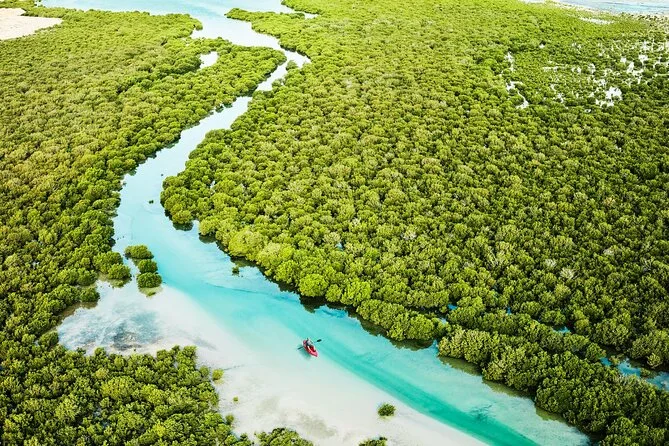
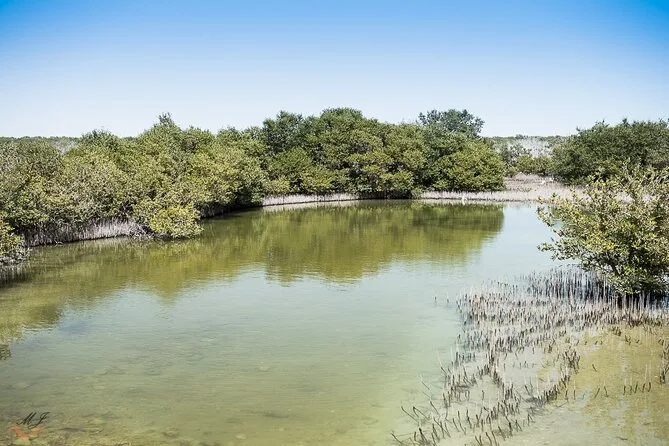
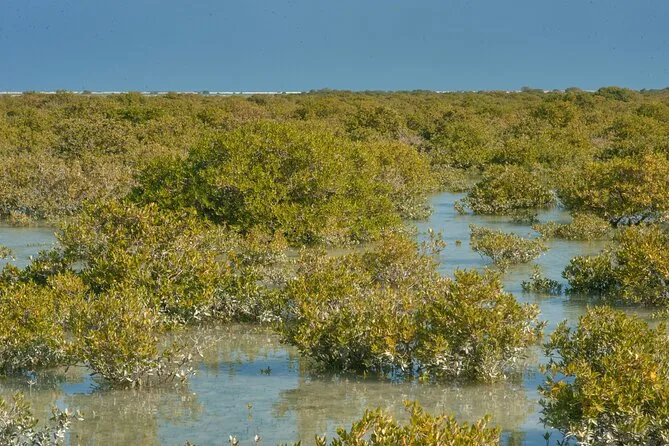
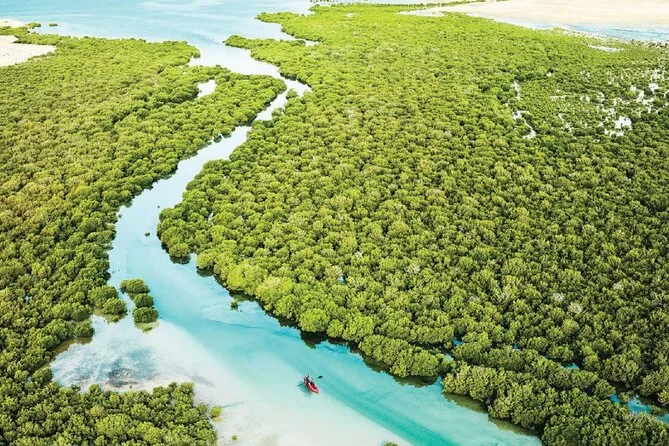
- See Al Thakira mangroves
- Explore Bin Ghannam (Purple Island)
- Tour Al Zubarah Fort
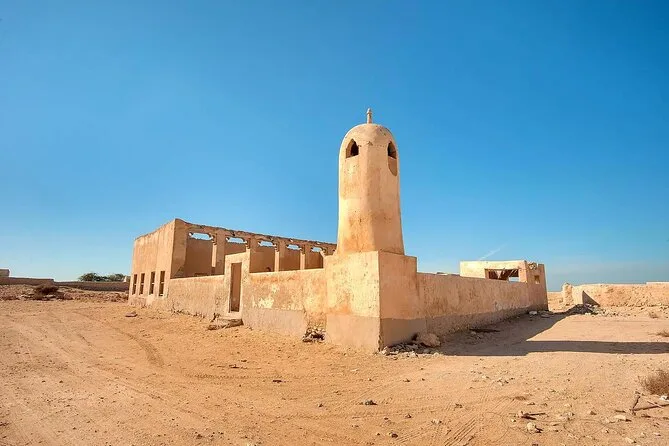
- Visit traditional pearling village
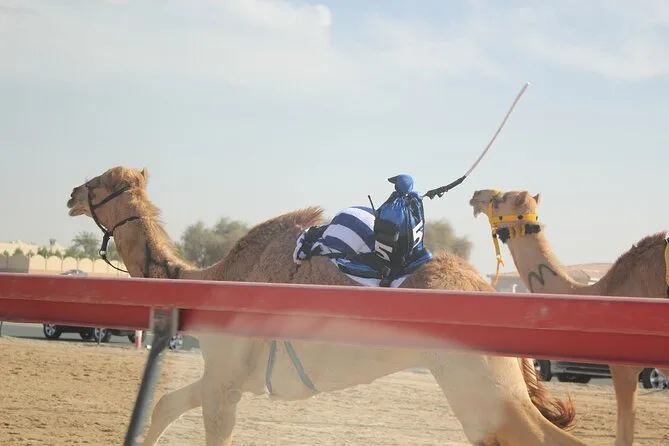
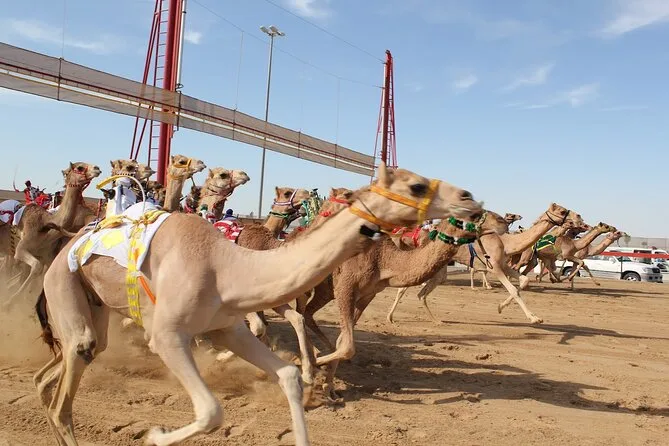
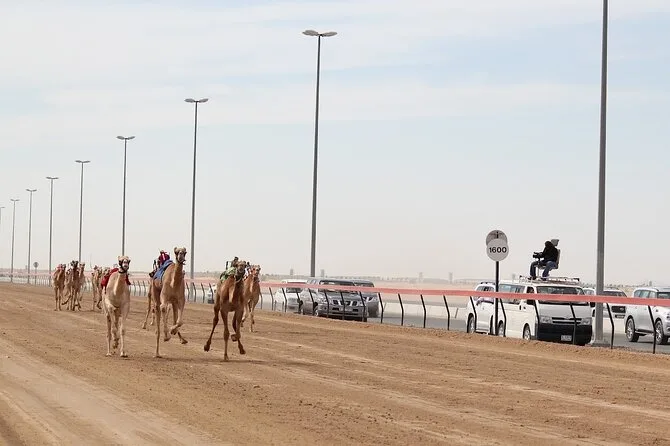
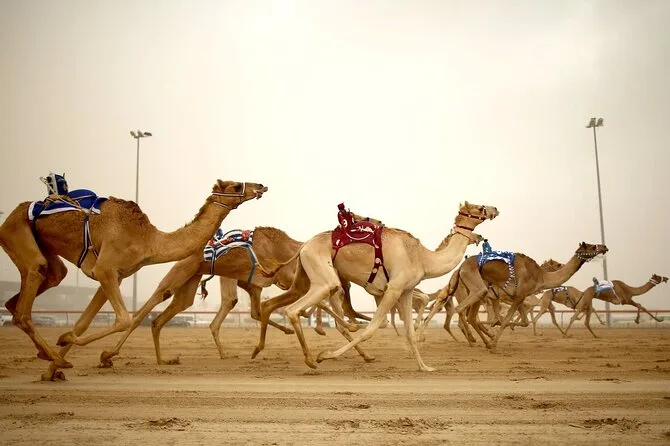
- View camel racing track training
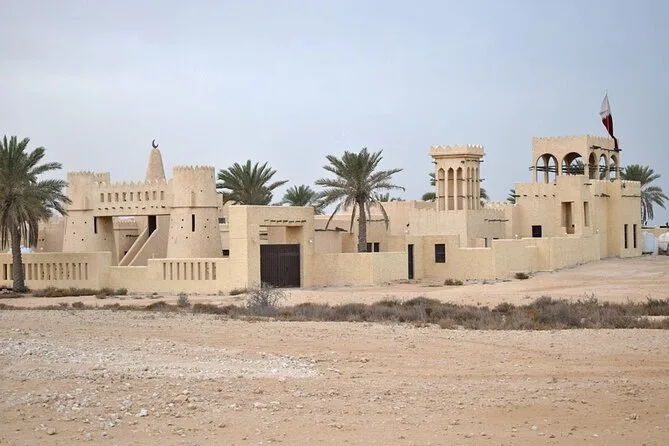
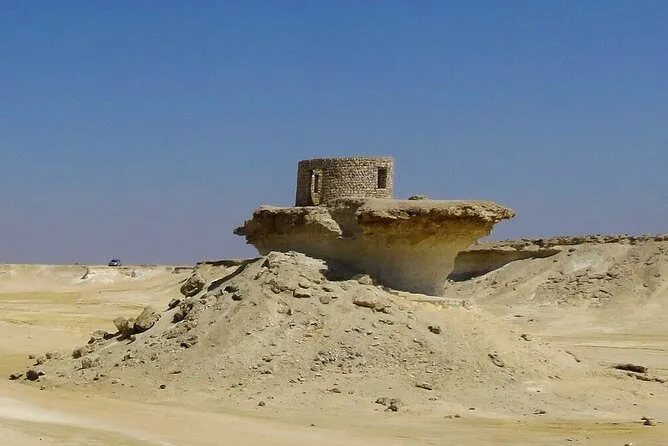
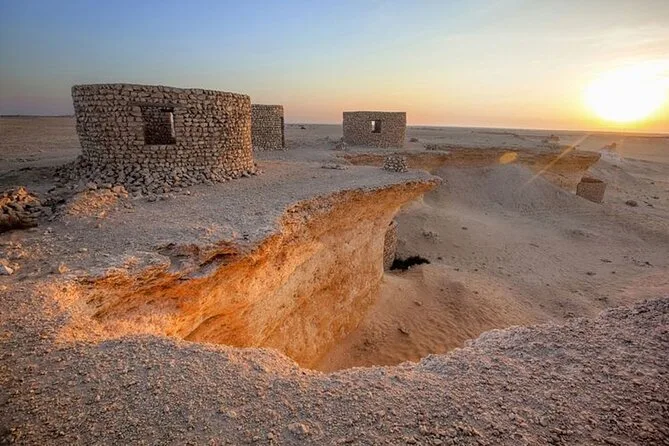
- Visit Zekreet Fort
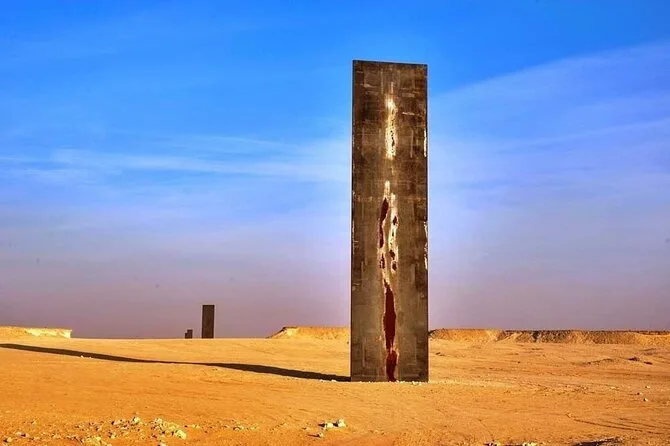
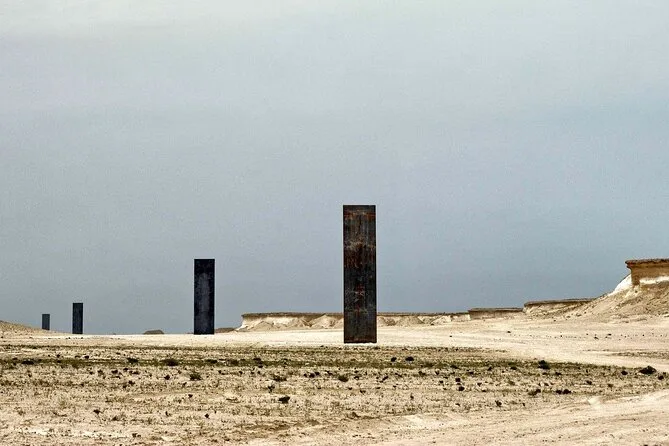
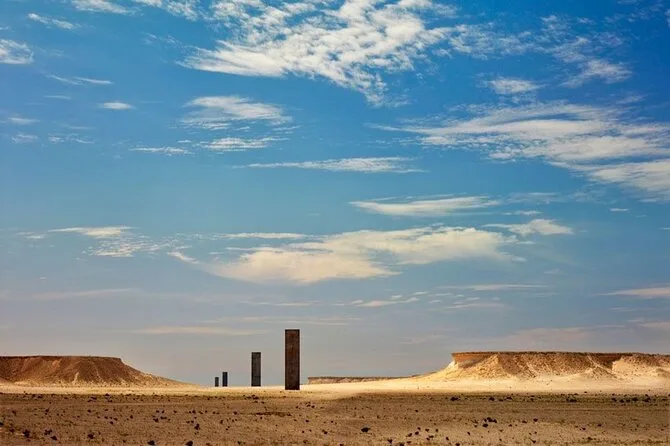
- See Brouq nature reserve sculpture

The Experience
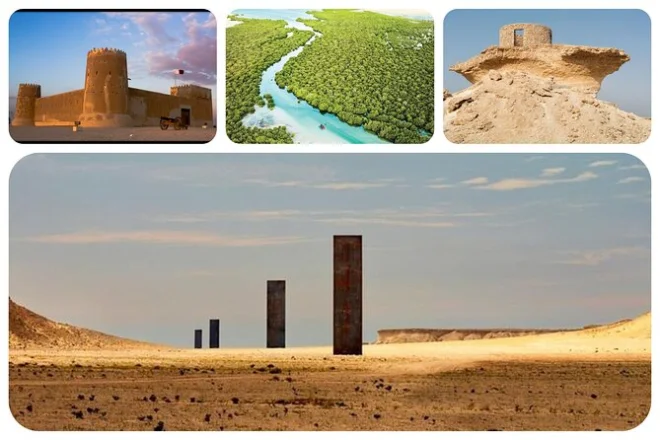
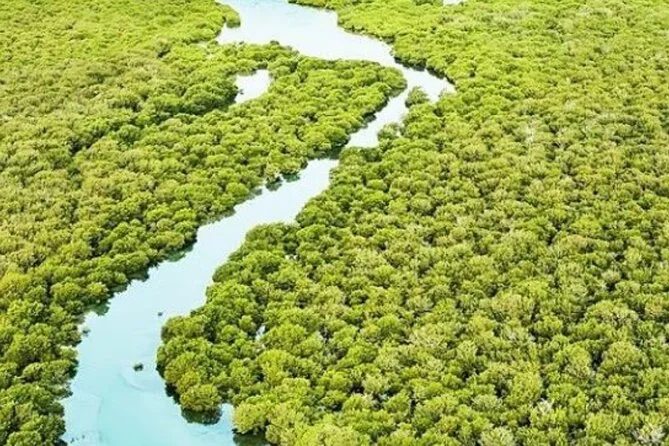
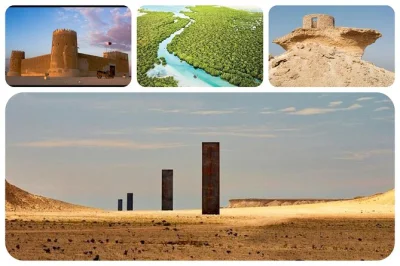
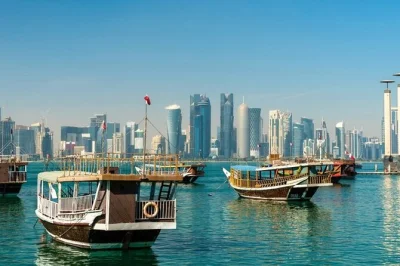
The tour starts at Al Khor, 50 kilometres north of Doha, where the harbor still holds traditional fishing dhows and the remains of Qatar's pearling industry. Before cultured pearls reshaped global trade, this was the country's center—now the corniche leads past mangrove colonies that shelter birds, fish and other wildlife while anchoring the coastline against erosion. The mangroves themselves are a protected natural resource and a major draw for visitors interested in Qatar's ecosystems.
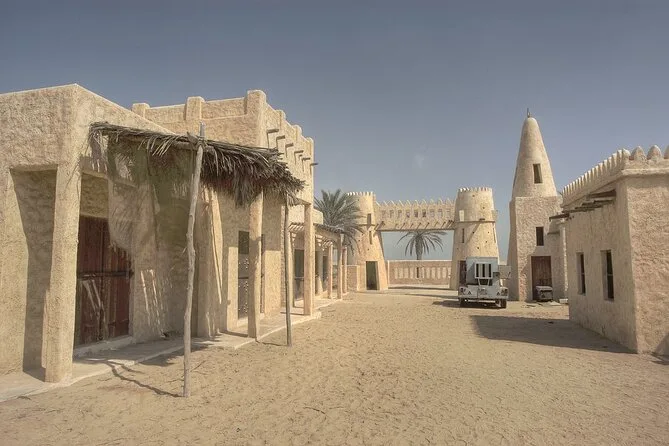
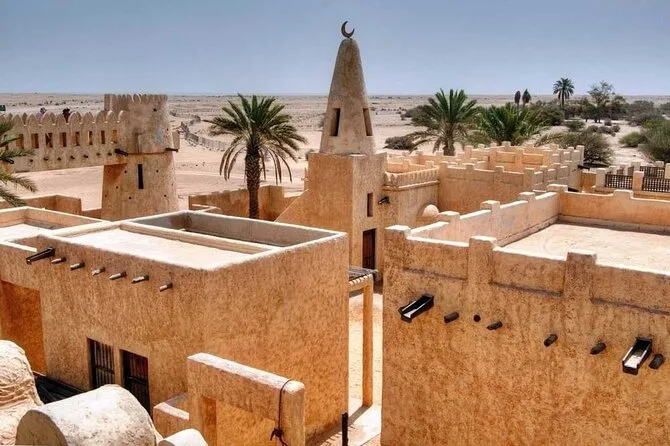
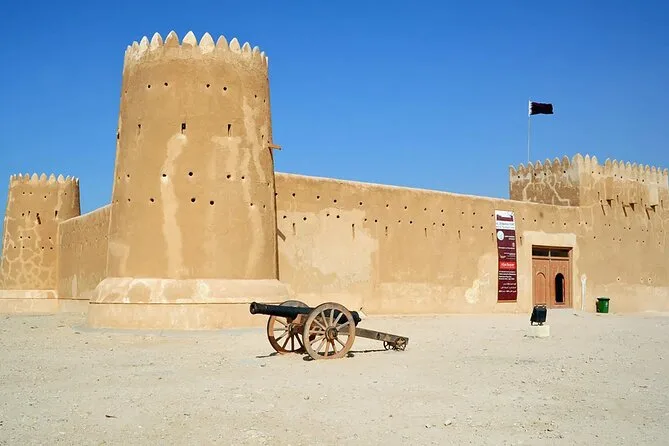
Moving inland, you reach Al Zubarah Fort, built beside the ruins of an ancient settlement that once thrived on trade, fishing and pearling. Now a UNESCO World Heritage site, the fort has been excavated by an international team led by the Qatar Museums Authority, and artifacts from the dig are displayed inside the renovated structure. The old pearling and fishing village nearby shows how people lived and worked in this heritage landscape. On the way, the tour passes the camel racing track during training hours, a glimpse into a sport still central to Qatari culture.
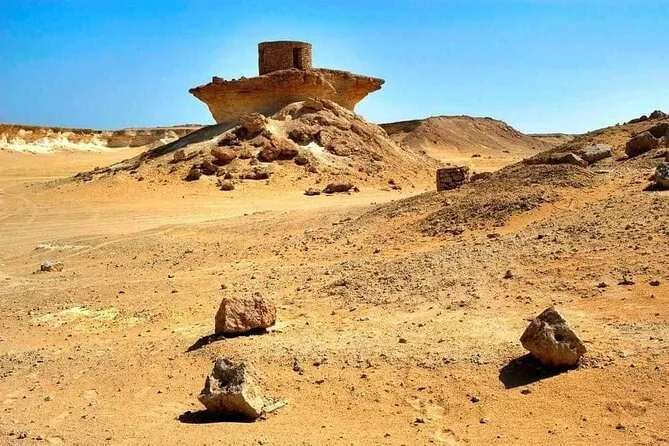
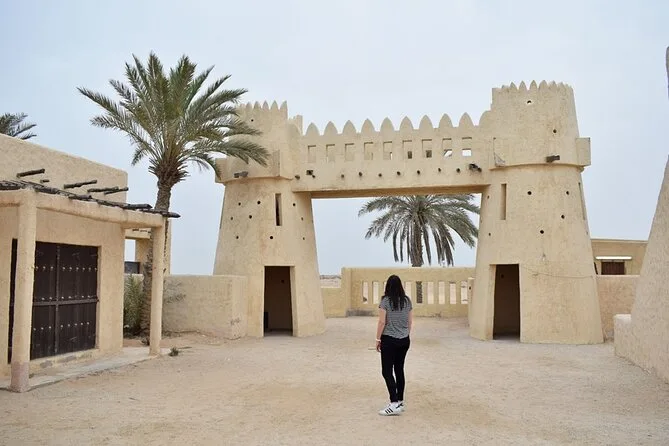
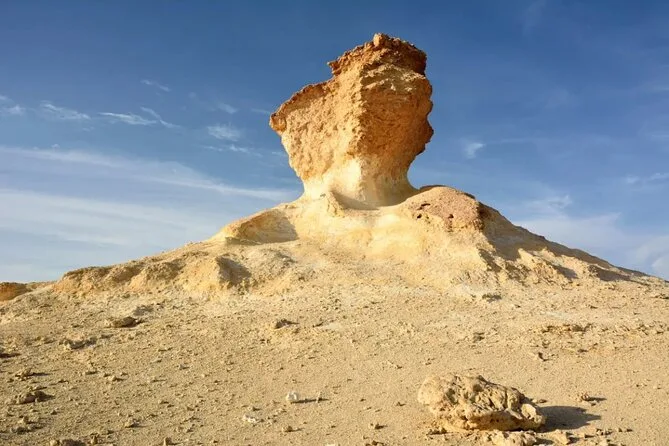
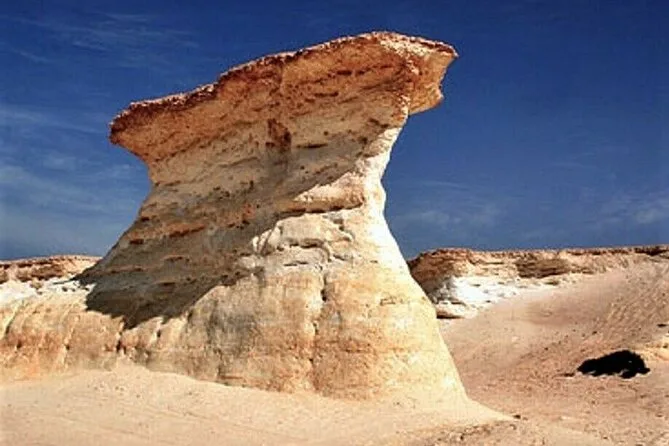
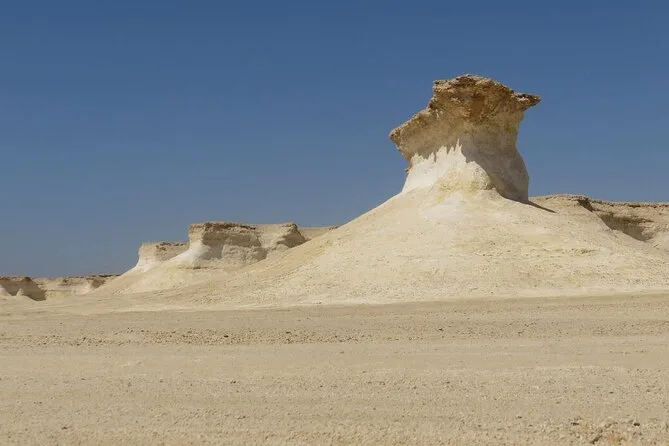
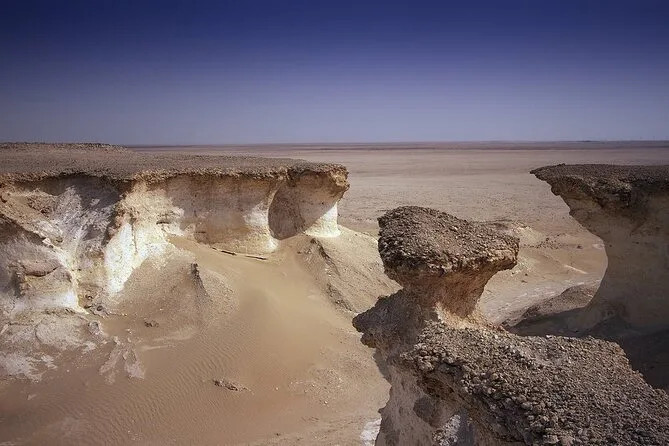
The western leg takes you to Zekreet Fort, an 18th-century landmark that stands out for undergoing two distinct phases of construction. Nearby, the Brouq nature reserve holds a monumental steel sculpture spanning over a kilometre—four plates each over fourteen metres high, aligned to the desert topography and designed to enhance the vast, desolate space. The Zekreet Peninsula itself is home to unique limestone formations and a protected wildlife reserve, making it a final stop that combines geology, art and natural habitat in one striking landscape.

What’s included
- Air-conditioned vehicle for the full route.
- live English-speaking guide.
- hotel pickup in Doha.
- complimentary coffee, tea and bottled water.
- insurance coverage.
Operated by Golden Adventures Qatar
Is this one for you?Book the private tour if you want to set your own pace and skip the group schedule; choose the small group option if you prefer to share the cost and meet other travelers while keeping the group small enough to move through each site without crowds.
Traveler reviews
Compare the 13 similar options
 North & West Qatar tour: UNESCO fort, mangroves, desert rock★ 4.85 (286)6h–8hENUS$ 149
 Doha: Quad Bike & Dune Bashing with Camel Ride & Inland SeaHalf-day desert safari from Doha with dune bashing, quad bikes, camel ride and Khor Al Udaid beach. Pickup included, small groups, 4-5 hours.★ 4.95 (241)4hENUS$ 60View ›
 Doha: Desert Safari, Dune Bashing & Inland Sea Half DayHalf-day desert safari from Doha with 4x4 dune bashing, camel ride, and Khor al-Udaid beach visit. Pickup included, max 6 travelers, afternoon sunset option.★ 4.97 (686)4hEN · HI +1US$ 60View ›
 Doha City Icons & Desert Safari Combo with PickupFeel the pulse of Doha from Souq Waqif to the Inland Sea, with a local guide, desert safari, and city highlights. Includes pickup, drinks, and camel ride.★ 4.98 (125)7h–8hENUS$ 120View ›
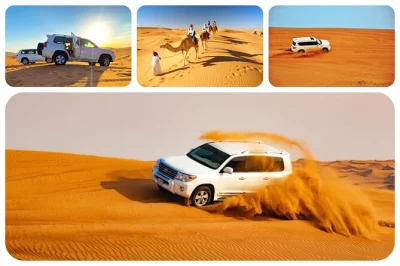 Doha Desert Safari: Camel Ride, Dune Bashing & Inland SeaFeel the rush of dune bashing near Doha, try sand boarding, sip tea with locals, and reach Qatar’s wild inland sea. Includes hotel pickup and expert driver.★ 4.95 (919)4h–5hENUS$ 49View ›
 Doha Sunset Desert Safari: Dune Bashing & Camel RideTwo hours of dune bashing near Doha with camel ride, sandboarding, and Inland Sea sunset. Includes 4x4 pickup, guide, tea and photos. Small groups or private.★ 4.95 (563)4hENUS$ 45View ›
 Doha Desert Safari: Dune Bashing, Camel Ride & Inland SeaDune bashing and sand boarding near Doha with camel rides and Inland Sea views. Includes pickup and guide.★ 4.98 (377)4hEN · HI +3US$ 36View ›
 Doha Desert Safari: Quad Bike, Camel Ride & Sand BoardingDesert safari from Doha with quad biking, camel ride, sand boarding and dune bashing. Includes pickup, air-conditioned vehicle and refreshments. Small group tour.★ 4.99 (170)4hENUS$ 45View ›
 Doha Desert Safari: Camel Ride, Dune Bashing & Inland SeaFeel the rush on a Doha desert safari with camel rides, dune bashing, and sandboarding. Includes pickup, unlimited drinks, and a stop at Khor Al Adaid’s inland sea.★ 4.70 (124)5hENUS$ 40View ›
 Doha: Dune Bashing, Quad Bike & Inland Sea with PickupDesert safari from Doha with dune bashing, camel ride option, sandboarding and quad biking. Hotel pickup included, 4 stops, multiple tour options.★ 4.97 (234)4hENUS$ 34View ›
 Doha City Tour: Museum of Islamic Art, Souq Waqif & Dhow CruiseFeel Doha’s rhythm with a city tour, Souq Waqif stroll, and optional sunset dhow cruise. Includes guide, AC transport, and easy meeting at Museum of Islamic Art.★ 5.00 (81)3h–4hENUS$ 45View ›
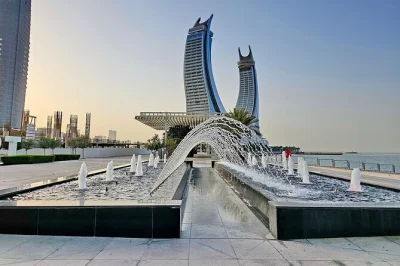 Doha city tour with hotel pickup: All main attractionsGuided tour of Doha's top sights—National Museum, Souq Waqif, the Corniche, The Pearl-Qatar and Katara Cultural Village—with air-conditioned transport★ 4.96 (458)3h–4hENUS$ 37View ›
 Doha City Tour: Souq Waqif, The Pearl & Katara with TransfersSpend four hours exploring Doha's main attractions including Souq Waqif's spice markets, The Pearl-Qatar waterfront★ 4.95 (274)4hENUS$ 55View ›
Top questions
What was Al Khor's role in Qatar's history?
Al Khor, located 50 kilometres north of Doha, was once the center of Qatar's pearling industry before cultured pearls changed global trade. The harbor still displays traditional fishing dhows, and a museum there documents the pearling, fishing and dhow-building industries that shaped the region.
Is Al Zubarah Fort really a UNESCO World Heritage Site?
Yes. Al Zubarah Fort, situated in the northwest, was built beside the ruins of an ancient settlement that was a hub for trade, fishing and pearling. It is Qatar's first UNESCO World Heritage site and has been excavated by an international team; artifacts are now displayed inside the renovated fort.
What is the umbrella-shaped rock everyone photographs?
The famous limestone formation is a natural sculpture in the Brouq nature reserve within the Zekreet Peninsula. It is actually a monumental steel artwork spanning over a kilometre, comprising four plates each over fourteen metres in height, designed to align with the desert landscape.
Can I see Bahrain from this tour?
At Al Shamal, on clear days, panoramic views allow you to see Bahrain across the water. The stop offers one of the northernmost vantage points on the tour.
How long is the drive from Doha to the first stop?
Al Khor is an easy 50-kilometre drive north of Doha, making it the first major stop on the tour. The journey takes place in an air-conditioned vehicle with complimentary coffee, tea and bottled water.
Can young children join this tour?
Yes. Infants and small children can ride in a pram or stroller, and the tour is suitable for all physical fitness levels. Hotel pickup is included, and the vehicle is air-conditioned throughout the 6 to 8-hour day.
North & West Qatar tour: UNESCO fort, mangroves, desert rock
6h–8h · EN · at your hotel
from US$ 149 per person
★★★★★★★★★★4.85286 reviewsVerified traveler reviews via our booking provider
