
Sintra & Cascais Small-Group Day Trip from Lisbon



Two UNESCO sites, one coastal drive, eight travelers max
You get two full days exploring five villages and three major sites (Pena Palace, Batalha Monastery, and Óbidos) without arranging your own transport or entry logistics. A guide leads both days, groups stay small, and you choose which day comes first. Lunch is on your own, but everything else is covered: the minivan, the guide, the Ginja tasting in Óbidos, and entry to the sites.
Compare the 10 alternatives
 Lisbon: Fátima, Nazaré & Óbidos Small-Group Day TripEvery day · 08:30 · All ages★ 4.72 (3,679)9hEN · PT · FR · ES€ 65View ›
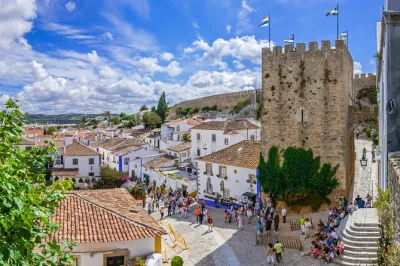 Fatima, Nazare & Obidos: 9-Hour Small Group Day Trip from LisbonEvery day · 08:30 · All ages★ 4.95 (1,311)9hEN
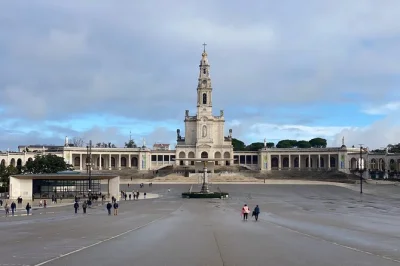 Fatima, Batalha & Obidos day trip from Lisbon: 4 stopsEvery day · 08:00 · All ages★ 4.90 (302)10hEN · PT · ES€ 68View ›
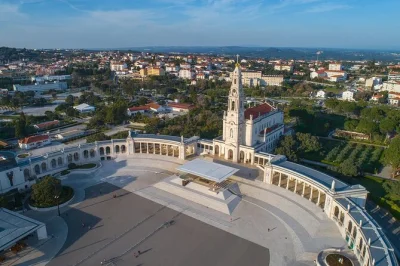 Fatima Batalha Nazaré Óbidos Tour from Lisbon - 4 StopsEvery day · 08:30★ 4.81 (336)9hEN · PT · ES€ 70View ›
 Fátima Batalha Nazaré Óbidos Tour from Lisbon - 4 StopsEvery day · 08:00 · All ages★ 4.72 (1,870)10hEN · PT · FR · ES€ 56View ›
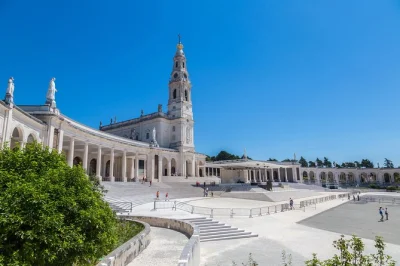 Lisbon: Fatima, Batalha & Nazaré Day Trip with ÓbidosEvery day · 08:30★ 4.64 (583)9hEN · PT · IT · FR +1€ 84View ›
 Lisbon: Fátima Basilica, Nazaré Cliffs & Óbidos Medieval VillageEvery day · 08:30★ 4.75 (127)9hEN · PT · FR · ES€ 108View ›
 Fátima Batalha Nazaré Óbidos tour from Lisbon: 4 stopsEvery day · 08:00★ 4.83 (308)9h–10hEN€ 44View ›
 Lisbon: Fátima, Óbidos & Nazaré with Portugal's Biggest CavesEvery day · All ages★ 4.40 (92)8h–10hEN · PT · IT · FR +1€ 220View ›
 Lisbon to Porto tour with 4 stops: Óbidos, Fátima, AveiroEvery day · First departure 07:30, last 11:00★ 4.95 (552)4h–9hEN · PT · FR · ES€ 249View › Compare more experiences like this »
Step-by-step itinerary
Day 1: Explore Sintra and Cascais
- Travel to Sintra
- Visit Pena Park and Pena National Palace
- Explore Sintra historical center
- Free time for lunch and dessert
- Admire Sintra Natural Park landscape
- Photo stop at Cabo da Roca cliffs
- Pass Guincho Beach
- Pass Boca do Inferno cliff
- Stretch legs at Cascais bay
- Wander Cascais center and beach
- Drive back via Estoril with coastal views
Day 2: Visit Fatima, Nazaré and Óbidos
- Travel to Fatima
- Visit Sanctuary of Fatima
- Visit Batalha Monastery
- Lunch break in Nazaré
- Stop at Nazaré cliffs
- Visit local church
- Explore medieval village of Óbidos
- Sample Ginja liqueur in Óbidos
- Free time in Óbidos village
- Return to Lisbon
The experience
What if you could see the palaces, the pilgrimage sites, and the medieval villages around Lisbon without piecing together your own transport and timing? That's the setup here. Two separate day trips you can take in whatever order works, each one hitting the highlights that would take you hours to coordinate alone. The first day takes you to Sintra and Cascais. The second goes to Fátima, Batalha Monastery, Nazaré and Óbidos. You pick which comes first, and the guide handles the rest.
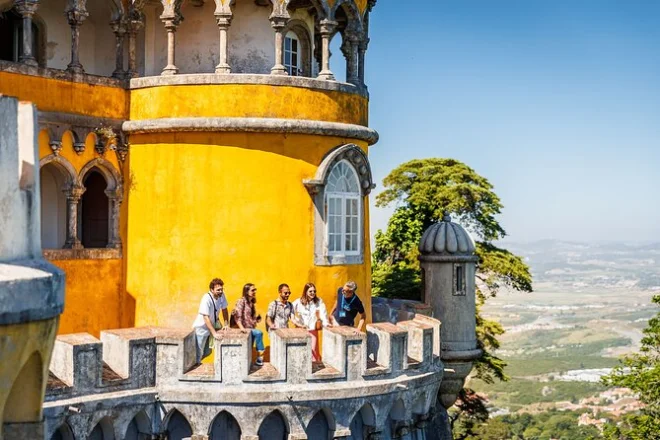
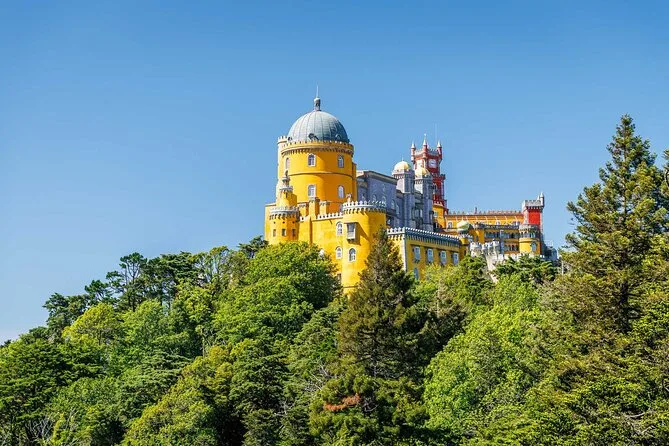
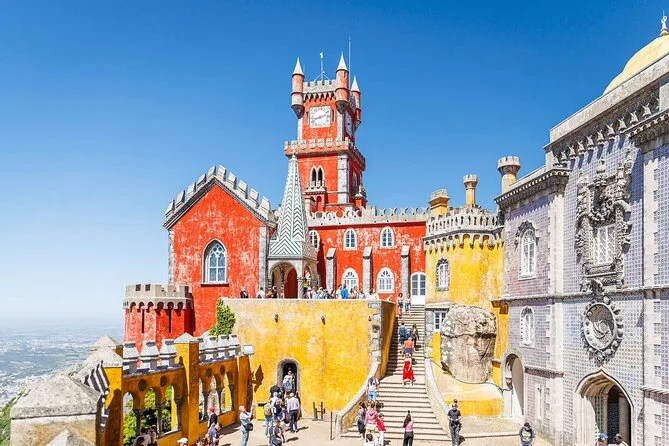
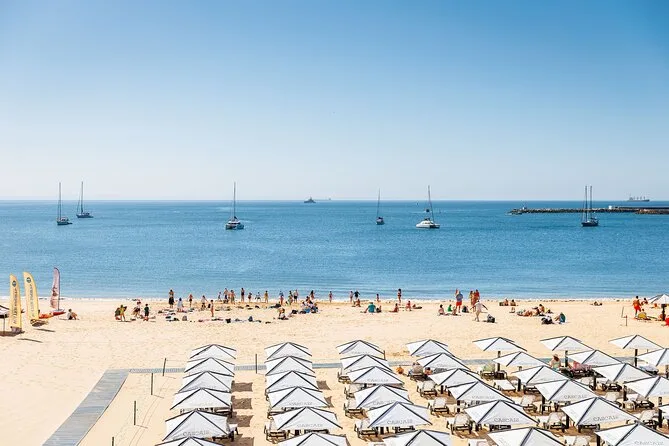
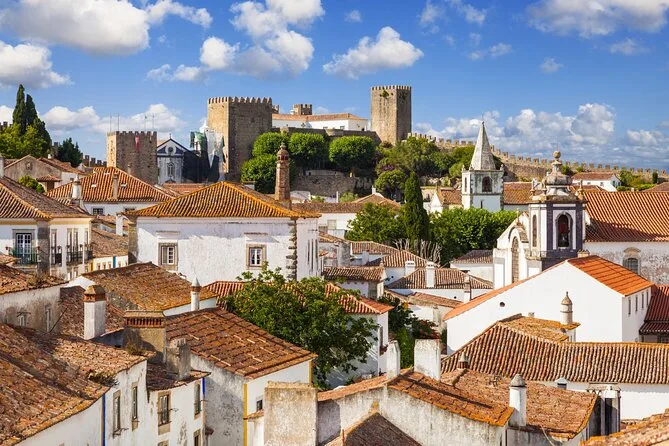
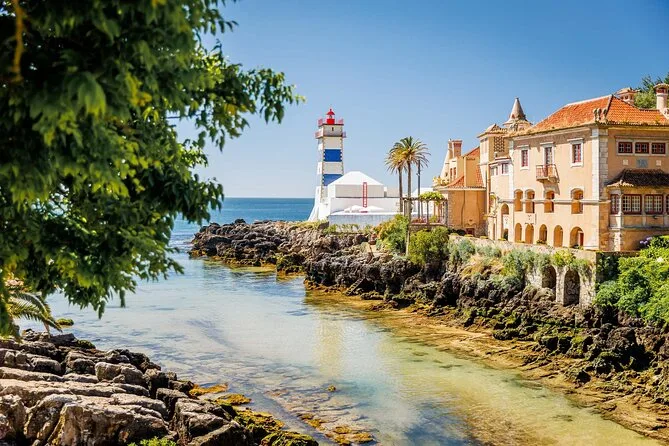
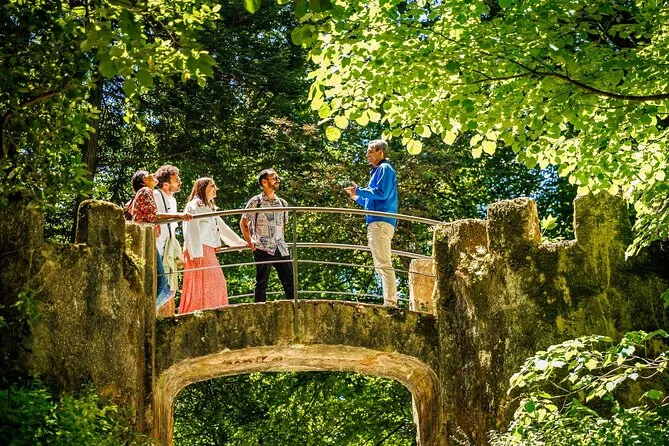
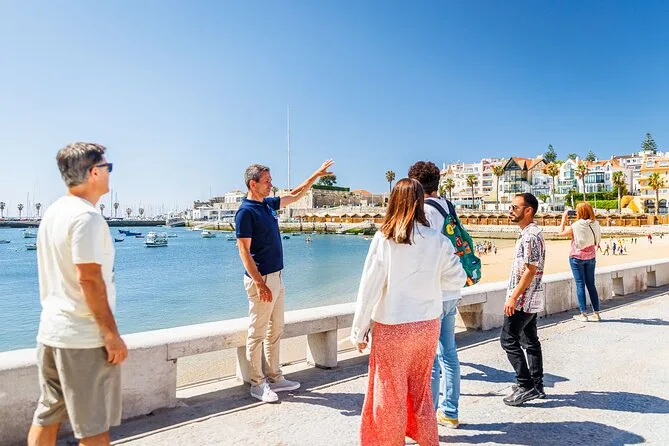
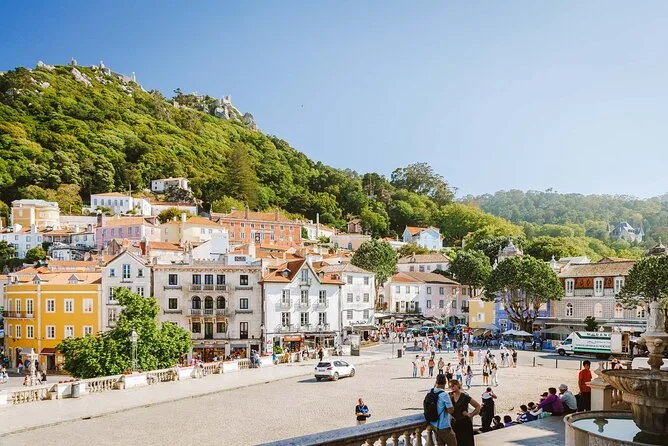
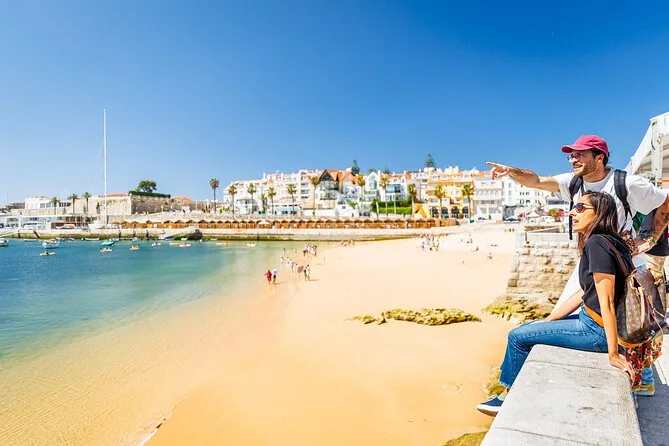
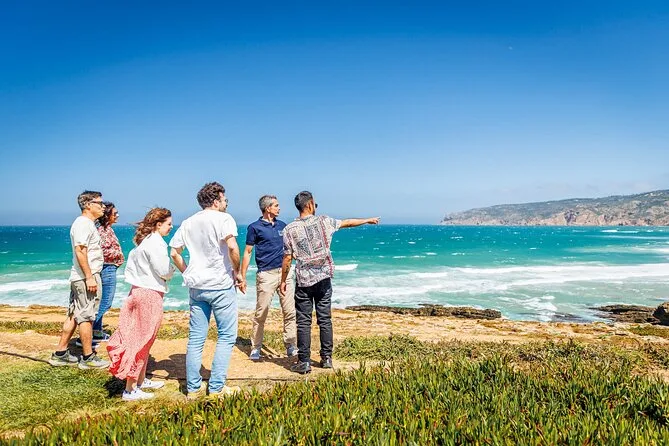
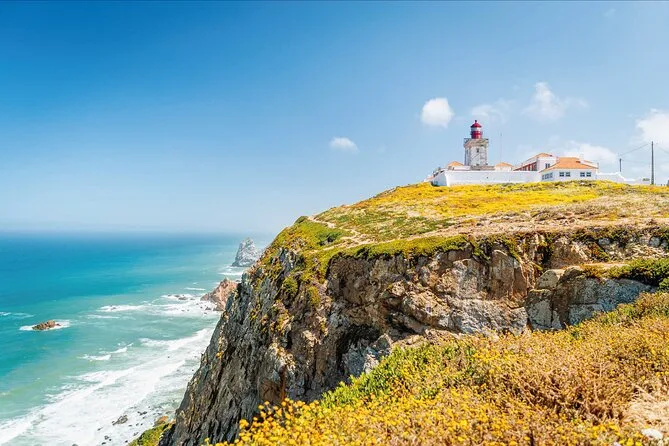
Day one starts in Sintra, where the Pena National Palace sits at the top of the mountain like something out of a storybook: all turrets and color and Manueline detail. You walk through Pena Park first, then climb into the palace itself to see the king's bedroom, the queen's bedroom, the Arab Room. The Great Triton sculpture guards the entrance, and yeah, it's the kind of place where you understand why Portuguese royalty kept coming back. After that, you get free time in Sintra's town center to grab lunch on your own or poke around the shops, then the drive takes you to Cabo da Roca, the westernmost point of Europe, where the cliffs drop straight into the Atlantic. On the way to Cascais, you pass Guincho Beach (if weather allows) and Boca do Inferno, the cliff formation with the dramatic name. Cascais itself is a former fishing village that turned into a beach town, all narrow white-walled streets and a bay you can walk along.
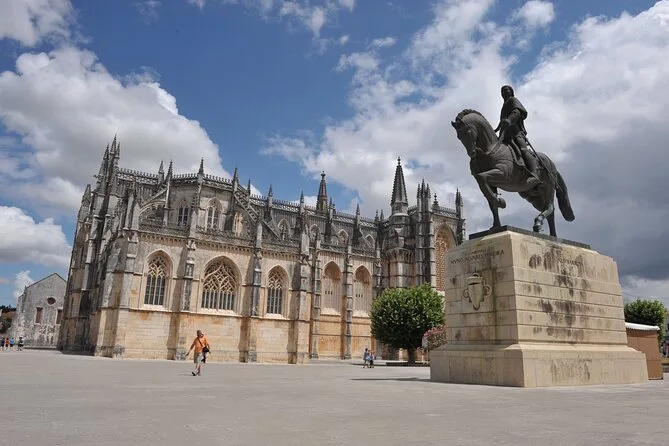
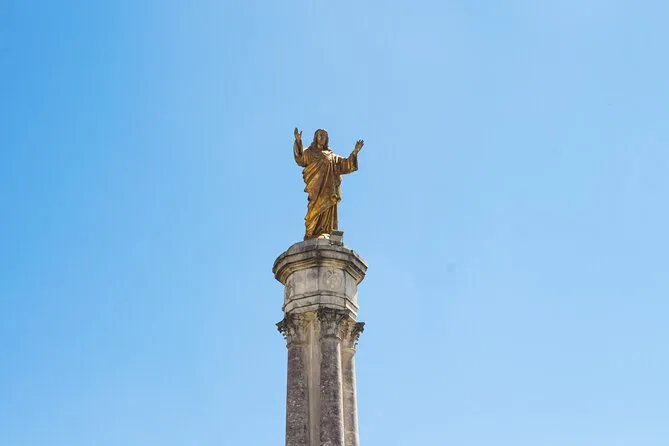
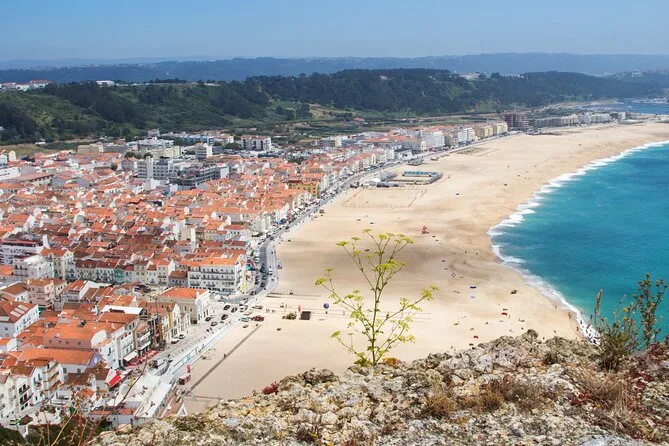
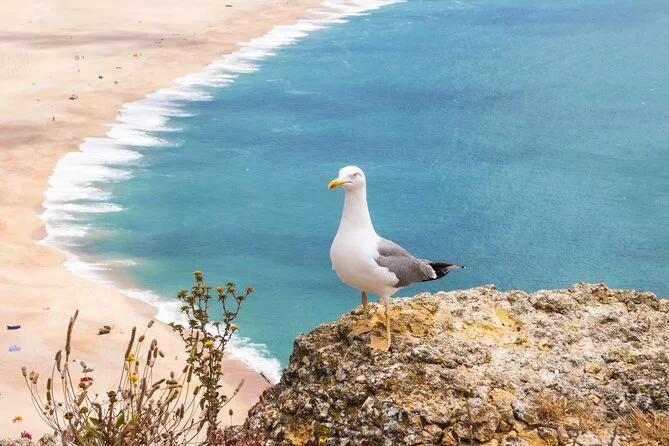
The second day is heavier on history and pilgrimage. Fátima is the draw: a rural village that became a major Catholic pilgrimage site after three shepherd children reported seeing the Virgin Mary in 1917. The Sanctuary is enormous, built to hold the crowds who come to pay respects. Then you move to Batalha Monastery, a 14th-century UNESCO site where King João I and Queen Philippa of Lancaster are buried in the Founder's Chapel. It's the kind of place where the stonework stops you mid-step. Nazaré comes next: a fishing town where you break for lunch (your own cost) and get a view of the cliffs from above. Finally, Óbidos, the medieval village that was literally a wedding gift from a king to a queen back in 1282. The streets are narrow, the houses are painted in pastels, and there's a wine shop where you taste Ginja, a local liqueur. Free time to wander, buy ceramics, eat a pastry, take photos of the Gothic doorways.
Groups stay under eight people, so it doesn't feel like a cattle run. The guide speaks your language (the tour can be multilingual), the minivan is air-conditioned, and you're not negotiating with taxi drivers or trying to time three different trains. If you're traveling with young children, infant seats are available on request. Just mention it when you book. The only variable is Guincho Beach on day one, which depends on weather and how the timing flows that morning.
What’s included
- Your two days include a local guide, transport in an air-conditioned minivan for up to eight travelers, entry to Pena National Palace, Batalha Monastery and the medieval village of Óbidos, plus a Ginja liqueur tasting in Óbidos.
- Lunch is your own expense, as is any shopping or extra activities in the towns.
- Infant seats and prams are available on request.
Before you book
Prices and times updated 12 days ago
Operated by Inside Lisbon
Is this one for you?Right for travelers in Lisbon with two days to spare who want to see the main sites (palaces, monasteries, pilgrimage sites, medieval villages) without arranging their own transport or entry tickets. Expect a full day each time out, with walking in towns and climbing in the palace. That's what lets you fit five villages and three major sites into two days.
Traveler reviews
Top questions
What languages is the guide in?
Live guide in English, Spanish, French and Portuguese.
Can children come?
Yes. Ticket types: Child (4 to 11 years); Infant (under 4).
Can I do just one day instead of two?
The package is sold as two days together at a discounted rate. Check with the operator about booking single days separately.
What's included in the price?
Local guide, air-conditioned minivan transport, entry to Pena Palace, Batalha Monastery and Óbidos, plus a Ginja liqueur tasting. Lunch is not included.
Is it okay to bring a baby or toddler?
Yes. Infant seats and prams are allowed. Specialized infant seats for children aged 0–11 are available on request if you mention the child's age when booking.
What if I can't walk much?
The tour requires at least moderate fitness. There's walking in Sintra, Cascais, and Óbidos, plus climbing inside the palace. Free time in towns lets you set your own pace.
Is the guide multilingual?
The tour may be operated by a multilingual guide. Confirm the language when you book.
What if the weather is bad?
The stop at Guincho Beach depends on weather and timing. Other stops proceed as scheduled.
Do I have to book both days at once?
The package is sold as two days together. You choose the order, but both are part of the same booking.
Sintra & Cascais Small-Group Day Trip from Lisbon
2d · EN · ES · FR · PT
from € 162 per person
4.72417 reviewsVerified traveler reviews via our booking provider