
Auschwitz & Birkenau from Krakow: Private Tour & Skip-the-Line


Auschwitz and Birkenau: What a Private Tour from Krakow Actually Includes
You're picked up from your Krakow hotel and driven privately to Auschwitz I and Auschwitz II-Birkenau, about 70 kilometers south. You spend roughly two hours at the main camp and one hour at Birkenau, with your own vehicle and driver handling transport between the two sites. Hotel drop-off is included, and entry lines are skipped. The whole day takes about eight hours.
 6h–7h
6h–7h

Step-by-step itinerary
Visit Auschwitz and Birkenau from Krakow
- Depart Krakow for Oswiecim
- Pass by Wawel Royal Castle
- Tour Auschwitz I main camp
- Visit Judenramp selection site
- Pass by Rudolf Höss residence
- Tour Auschwitz II-Birkenau camp
- Return to Krakow

The Experience
You're picked up from your Krakow hotel in the morning and driven 70 kilometers south to Oświęcim in a private vehicle — just your group, no other travelers. The ride takes roughly an hour and a half, and the driver handles the route while you sit in an air-conditioned car with bottled water and WiFi. There's no negotiating entry lines or figuring out how to get there; the logistics are already done. When you arrive at Auschwitz I, you have about two hours to walk the grounds — the barracks, the prisoner records, the gas chambers — with time to absorb what you're seeing instead of being rushed through.
From there you move to Auschwitz II-Birkenau, the larger camp three kilometers away, where you spend roughly an hour. The scale is different here — the barracks stretch across the landscape, the rail tracks lead to the selection ramp where new arrivals were divided, and the crematoria ruins sit at the far end. Your driver takes you between the two sites, so you're not managing transport or trying to find the shuttle. The whole visit to both camps is structured around what you can actually absorb in a day, not what fits into a schedule. A lot of people don't realize Birkenau is separate from the main camp, and seeing both gives you the full picture of how the complex operated.
The private tour format means your group moves at its own pace — if someone needs to sit for a moment or stand longer at a particular spot, there's no pressure to keep up with thirty other people. Children can ride in a stroller if needed, and service animals are welcome. You're back in Krakow by evening, hotel drop-off included. The skip-the-line access is built in, so you avoid the queues that can stretch for hours during peak season.

What’s included
Your day includes hotel pickup and drop-off in Krakow, private vehicle transport to and from the camps, bottled water and WiFi on board, skip-the-line entry to Auschwitz I and Auschwitz II-Birkenau, and roughly three hours total at both camp sites. The vehicle is air-conditioned and reserved exclusively for your group.
Operated by Your Krakow Journey - Transfers & Tours
Is this one for you?Choose this if you want to visit both Auschwitz camps without arranging your own transport or standing in entry lines — the private vehicle and skip-the-line access are what make a full visit to both sites manageable in one day from Krakow.
Traveler reviews
Compare the 13 similar options
 Auschwitz & Birkenau from Krakow: Private Tour & Skip-the-Line★ 4.99 (91)6h–7hEN · PLUS$ 432per group
 Auschwitz Birkenau guided tour from Krakow with hotel pickupHotel pickup in Krakow, 65 km drive to Auschwitz-Birkenau, English-speaking driver explains the history en route and delivers your entry passes at the museum.★ 4.90 (1,883)7hENUS$ 31View ›
 Auschwitz Birkenau Tour from Krakow: Guided with TransportGuided tour of Auschwitz I and Auschwitz II Birkenau from Krakow with round-trip transport, entry tickets, and a museum-trained guide★ 4.86 (1,793)7hENUS$ 34View ›
 Auschwitz & Birkenau Guided Tour from Krakow with PickupGuided tour of Auschwitz-Birkenau Museum from Krakow with hotel pickup, licensed English-speaking guide, and entry fees included★ 4.89 (840)7hENUS$ 34View ›
 Auschwitz Tour from Krakow: Guided Visit & Hotel PickupHotel pickup in Krakow, minivan transport to Auschwitz I and Auschwitz II-Birkenau, English-speaking guide, entry fees included. Flexible departure times 5:30 AM–2:00 PM.★ 4.65 (396)6h 30mENUS$ 52View ›
 Krakow: Auschwitz & Wieliczka Salt Mine Day TripTwo UNESCO sites in one day from Krakow: Auschwitz-Birkenau with museum guide, then 140m underground at Wieliczka Salt Mine. Guaranteed tickets, hotel pickup, lunch included.★ 4.73 (4,439)10h–12hENUS$ 139View ›
 Krakow: Wieliczka Salt Mine Tour with Hotel Pickup & GuideStep into Krakow’s underground world at the Wieliczka Salt Mine, see city highlights on the way, and travel with a local guide—includes hotel pickup & all tickets.★ 4.83 (1,713)4h 30m–5hEN · DE +4US$ 81View ›
 Auschwitz & Wieliczka Salt Mine Day Trip from Krakow with PickupWalk through Auschwitz, reflect at Birkenau, and descend into the Wieliczka Salt Mine—all in one day, with hotel pickup, licensed guides, and all fees included.★ 4.78 (3,178)10h–12hENUS$ 146View ›
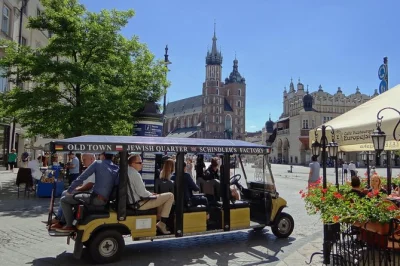 Krakow: Old Town, Wawel & Kazimierz Golf Cart Tour1.5-hour electric golf cart tour of Krakow's Old Town, Wawel Castle, Kazimierz, Ghetto Heroes Square and Oskar Schindler's Factory with English-speaking driver.★ 4.84 (393)1h 30mEN · PLUS$ 27View ›
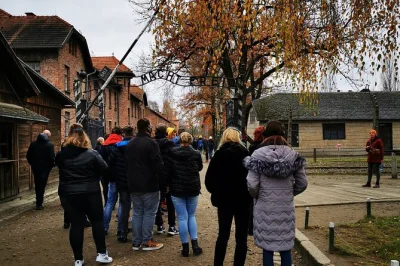 Auschwitz-Birkenau tour from Krakow: Skip the ticket lineGuided tour from Krakow to Auschwitz-Birkenau with hotel pickup, entrance tickets booked in advance★ 4.90 (314)7hENUS$ 68View ›
 Auschwitz-Birkenau Tour Krakow: Guided Museum Visit No QueuesAuschwitz-Birkenau guided tour from Krakow with English-speaking guide, pre-booked entry passes and round-trip transport★ 4.88 (146)7hENUS$ 65View ›
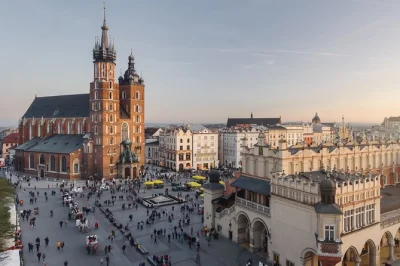 Historic Krakow Walking Tour: Old Town & Wawel CastleWalk Krakow's Old Town and Wawel Castle in 2.5 hours with a live guide, starting at St. Mary's Basilica—you choose what to donate at the end.★ 4.95 (524)2h 30mENUS$ 3.50View ›
 Krakow Old Town & Wawel Walking Tour: Local Tips & Food Spots2.5-hour walking tour of Krakow's Old Town with a local guide who shares hidden courtyards, market stalls, and restaurants without English menus★ 4.94 (234)2h 30mEN · PL +2US$ 5.40View ›
Top questions
How long is the drive from Krakow to Auschwitz?
About 90 minutes each way. The camps are located 70 kilometers south of Krakow in the town of Oświęcim.
Are entry tickets included in the tour price?
Yes. Skip-the-line entry to both Auschwitz I and Auschwitz II-Birkenau is included.
Can I bring young children or a stroller?
Yes. Infants can ride in a stroller or pram, and children can sit on an adult's lap in the vehicle. The tour is suitable for all fitness levels.
Is this a group tour or private?
Private. You travel in your own vehicle with just your group — no other travelers are added to your booking.
What's included in the price?
Hotel pickup and drop-off, bottled water, WiFi on board, air-conditioned vehicle, and entry to both camps with skip-the-line access.
How much time do I spend at each camp?
About two hours at Auschwitz I and one hour at Auschwitz II-Birkenau. Your driver transports you between the two sites, which are three kilometers apart.
Can service animals come on the tour?
Yes, service animals are allowed.
What is the total duration of the tour?
About eight hours, including travel time from Krakow and back.
Auschwitz & Birkenau from Krakow: Private Tour & Skip-the-Line
6h–7h · EN · PL · at your hotel
from US$ 432 per group
★★★★★★★★★★4.9991 reviewsVerified traveler reviews via our booking provider
