


Sacred Valley Tour: Pisac, Ollantaytambo & Maras Salt Mines
Stone terraces and salt pools: what the Incas built to last
A full-day guided tour of Peru's Sacred Valley from Cusco visits four archaeological and cultural sites across the Andean highlands: Chinchero's adobe village, Moray's crop terraces, the Maras salt mines and the fortress temples of Ollantaytambo and Pisac. The tour includes hotel pickup, a bilingual English-Spanish guide, and buffet lunch in Urubamba. You walk the sites at your own pace while the guide explains the Inca engineering and history. Suitable for all fitness levels.

Step-by-step itinerary
Explore Sacred Valley highlights
- Visit Chinchero village and market
- Explore Moray circular terraces
- See salt mines of Maras
- Tour Ollantaytambo fortress and temple
- Discover Pisac Inca ruins and market
- Complejo Arqueologico Chinchero 1h
- Maras 45m
- Ollantaytambo 1h
- Pisac 1h
What’s included
- Hotel pickup from Cusco and return.
- full-day guided tour with a bilingual English-Spanish guide.
- buffet lunch in Urubamba with a vegan option.
- entry to Pisac and Ollantaytambo archaeological sites.
- Every day 06:30 07:00
Information
Visit Pisac's hilltop citadel, Ollantaytambo's fortress temple, Moray's circular terraces and Maras salt pools on this full-day Sacred Valley tour.
Compare the 12 alternatives




Traveler reviews
The experience
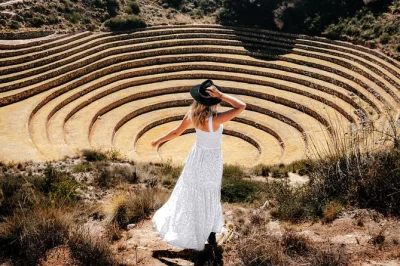
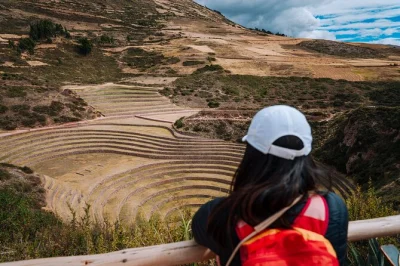
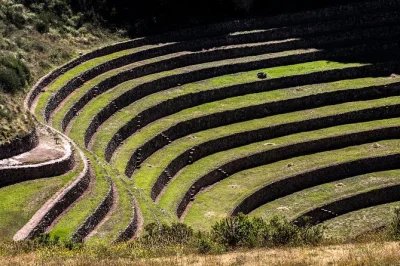
The day starts with a pickup from your Cusco hotel and a drive into the highlands to Chinchero, a small Andean village at 3,765 meters where locals still wear traditional dress and the Sunday market draws fewer tourists than Pisac's. From there the route moves to Moray, where the Incas built circular agricultural terraces up to 330 feet deep: a crop laboratory where they created different microclimates on the same hillside to test which plants would grow at each altitude. The engineering is visible in the retaining walls and irrigation channels that still function today.
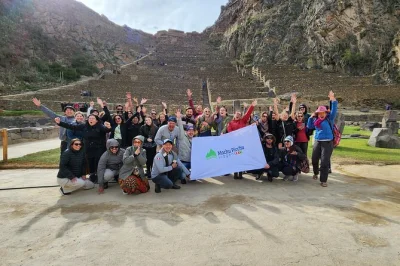
Next is the Maras salt mines, where hundreds of shallow pools stretch across the landscape in a pattern that photographs well from above. The pools are fed by a natural salt spring and have been in use for centuries. The trail connecting them to nearby villages works for hikers and mountain bikers. From there the tour descends to Ollantaytambo, a village at 9,160 feet that preserves Inca building designs and holds a fortress built between two mountains to guard the valley entrance. You'll see the ceremonial temple dedicated to water, the Temple of Inti (the sun god), and the steep terraces that visitors climb to reach the upper structures. Lunch is a buffet served in Urubamba with a vegan option available.
The final stop is Pisac, known for its Sunday handicraft market but visited here for the hilltop citadel. The stone walls show the balanced proportions and perfect joints that define Inca architecture. The Intihuatana, or Temple of the Sun, sits at the mountain's top and aligns with the sunrise during the June solstice. From that point the entire Sacred Valley spreads below. The site also holds the City of the Towers, with about 20 structures on the mountain edges, and the rocky formation called Ñusta Encantada, which legend says is a princess turned to stone. A bilingual guide walks the sites with you and explains the history and architecture. The full day runs 12 hours from hotel pickup to return.
Top questions
Can I be picked up at my hotel?
You can choose: pickup at your hotel, or go straight to the meeting point. Pickup is included in the price. When you book, you choose your hotel from 189 pickup locations; if yours isn’t listed, you can type in your address. Pickup is about 30 minutes before departure.
What languages is the tour guided in?
Live guide in English and Spanish.
Can children come?
Yes. Ticket types: Youth (11 to 17 years); Child (4 to 10 years); Infant (1 to 3 years).
What is the Intihuatana at Pisac and why is it important?
The Intihuatana is Pisac's Temple of the Sun, built at the mountain's summit and aligned so that the sunrise during the June solstice strikes its carved rock walls. The Incas used it as an astronomical observatory, and from its position you can see the entire Sacred Valley below.
Can I visit the Maras salt mines on this tour, and what should I know about them?
Yes, the Maras salt pools are a stop on the itinerary. Hundreds of shallow pools fed by a natural salt spring stretch across the landscape. The site is popular for photography because of the scale and pattern of the pools. A trail connects the mines to nearby villages and is used by hikers and mountain bikers.
What does the tour include for lunch, and are there options for dietary needs?
Lunch is a buffet served in Urubamba and is included in the tour price. A vegan option is available. Let your guide know your preference when you arrive.
How high do the circular terraces at Moray go, and what were they used for?
The circular terraces at Moray reach depths of up to 330 feet and are connected by retaining walls and an irrigation system. The Incas used them as a crop laboratory to create different microclimates on the same site and test which plants would grow at each altitude and temperature.
Operated by Peru Amazon Trips. Explorevia does not run this tour: we compare it with similar options, and you book it with our booking partner.
Prices and times updated 17 days ago
Sacred Valley Tour: Pisac, Ollantaytambo & Maras Salt Mines
12h · EN · ES
from US$ 55 per person
Next, you choose your date and number of travelers and see the final price.