
Puno to Cusco day trip: 4 Inca sites with lunch


Four sacred Inca sites in one day, without driving yourself
A full-day guided tour from Puno to Cusco aboard a luxury touristic bus, with stops at four cultural landmarks: Pucará's pre-Inca monoliths, La Raya mountain pass at 4,335 meters, Raqchi's Wiracocha Temple, and the 16th-century Church of San Pedro de Andahuaylillas (the Sistine Chapel of the Andes). The tour includes a 1-hour buffet lunch, onboard facilities, and an English-speaking guide. Entrance tickets to three sites cost 53 soles and are optional at checkout.
More experiences you might like
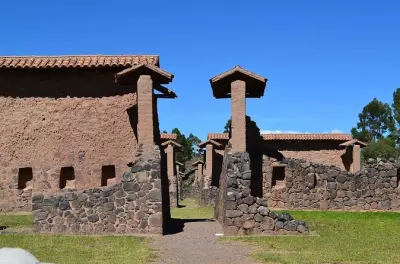 Puno to Cusco bus tour: Route of the Sun with RaqchiEvery day · 07:00 · From age 7★ 4.36 (11)10h 30mEN · ESUS$ 108View ›
 Copacabana and Island of the Sun tour from Puno: Inca templesEvery day · 06:00 · Ages 3–60★ 5.00 (3)13hEN · ES
 Puno: Uros Floating Islands Boat Tour & Lake TiticacaEvery day · First departure 06:00, last 16:00★ 4.55 (22)3hEN · ESUS$ 19View ›
 Copacabana and Isla del Sol tour from Puno: Full-day Inca sitesEvery day · 06:30★ 4.81 (31)12hEN · ESUS$ 130View › Compare more experiences like this »
Step-by-step itinerary
- La Raya Pass20m
- Raqch'i1h
- San Pedro de Andahuaylillas45m
Puno to Cusco scenic cultural tour
- Visit ancient Pucará site
- Stop at Abra La Raya mountain pass
- Enjoy buffet lunch in Andean town
- Explore Inca site of Raqchi
- Visit Church of Saint Peter the Apostle
The experience
How do you cover Peru's most important Inca route without renting a car or hiring a private driver? The Route of the Sun bus leaves Puno each day and arrives in Cusco after 10 hours, stopping at four heritage sites along the way. The operator has run this same route for over 24 years, so the timing and the stops are built to fit inside a single day without rushing through any of them.
The journey starts in Pucará, a pre-Inca settlement that dates to 500 BC and once stretched across a full square kilometer. You walk through temples and see monolithic sculptures and ceramic pieces that archaeologists still study. From there, the bus climbs to La Raya Pass at 4,335 meters (the natural border between Cusco and Puno), where the views open to snow-capped peaks, glacial streams, and often alpacas grazing in the high meadow. After an hour at the pass, you descend to a buffet lunch in Marangani, with quinoa soups, grilled meats, native potatoes, and vegetarian options. The meal sits in a comfortable dining hall with views back toward the highlands.
The afternoon takes you to Raqchi, home to the Wiracocha Temple: a 15-meter-tall structure built by an Inca emperor to honor the Andean creator god. The stonework and scale are what stay with you: crumbling ceremonial halls, ancient storage silos, and the engineering that held a whole settlement together. The tour ends at San Pedro de Andahuaylillas, a 16th-century Jesuit church built atop a sacred Inca site. Inside, gold-leaf altars, ornate wood carvings, and frescoes blend Andean and European baroque styles so completely that locals call it the Sistine Chapel of the Andes. The bus has air conditioning, onboard restrooms, oxygen tanks for the altitude, and hot and cold drinks throughout the day.
What’s included
- Air-conditioned luxury bus with onboard restroom and oxygen tanks for the altitude.
- hot and cold drinks throughout the day.
- 1-hour buffet lunch with quinoa soups, grilled meats, native potatoes, and vegetarian options.
- guided visits to Pucará, La Raya Pass, Raqchi, and San Pedro de Andahuaylillas.
- English-speaking guide.
Before you book
Prices and times updated today
Operated by Inka Express
Is this one for you?The bus departs from Puno each day, so you don't need a rental car or a driver. Just a seat on the Route of the Sun. The fixed schedule means all four sites fit inside 10 hours without anyone building the day from scratch, and the onboard service (restroom, oxygen, drinks) settles the logistics of traveling at high altitude without a private arrangement.
Traveler reviews
Top questions
Can children come?
Yes. Ticket types: Infant (under 3): free.
What is Pucará and why does it matter on this route?
Pucará is a pre-Inca settlement dating to 500 BC and one of the earliest highland civilizations in the Lake Titicaca region. At its peak it covered a full square kilometer and housed priests, artisans, farmers, and warriors. You'll see monolithic sculptures and colorful ceramics with geometric, animal, and human designs that still captivate archaeologists.
How high is La Raya Pass and what will I see there?
La Raya Pass sits at 4,335 meters (14,200 feet) above sea level and marks the natural border between Cusco and Puno. The pass offers 360-degree views of snow-capped Andes peaks, glacial streams, and often alpacas grazing in the highlands. You'll have time to take photos and feel the crisp mountain air.
What is included in the buffet lunch and where is it served?
The 1-hour buffet lunch is served in Marangani and includes quinoa soups, grilled meats, native potatoes, fresh vegetables, and traditional regional sauces. There are plenty of vegetarian options, and the dining hall is clean and comfortable with views of the Andean landscape.
What makes the Church of San Pedro de Andahuaylillas special?
San Pedro de Andahuaylillas is a 16th-century Jesuit church built atop a sacred Inca site. Its interior hides gold-leaf altars, ornate wood carvings, and ceiling-to-wall frescoes that blend Andean traditions with European baroque style so dramatically that it's known as the Sistine Chapel of the Andes.
Do I need to buy entrance tickets separately?
Entrance tickets to Andahuaylillas, Raqchi, and the Pucará Museum cost 53 soles total and are optional. You can add them at checkout. The tour includes guided visits to all four sites whether or not you purchase tickets.
Puno to Cusco day trip: 4 Inca sites with lunch
10h · EN
from US$ 45 per person
4.75132 reviewsVerified traveler reviews via our booking provider