
Hunza Valley Autumn Tour: Lakes, Passes & Local Culture


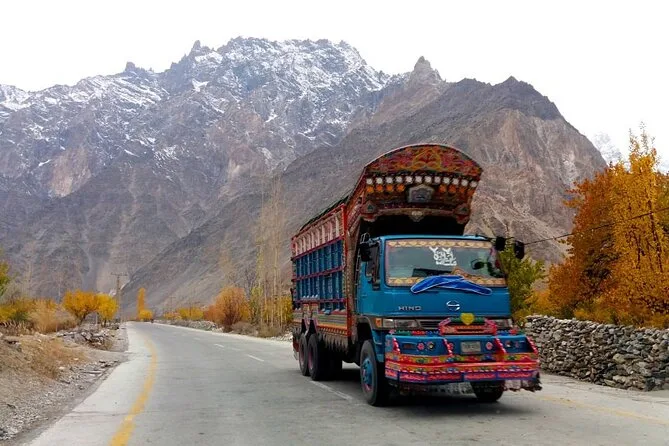
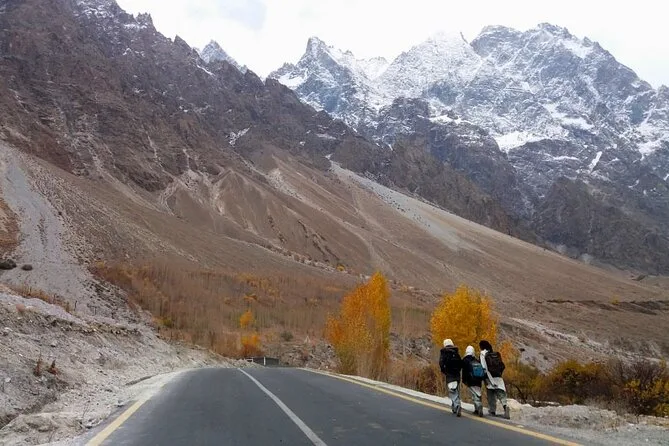

Explore Hunza’s Autumn Colors, Lakes & Mountain Passes
You’ll travel through mountain passes and lakeside villages in Hunza Valley during autumn—sampling local food, meeting friendly folks, and soaking up those crisp golden views you just can’t get anywhere else.
 10d
10d

Step-by-step itinerary
Day 1 — Arrival in Islamabad
- Arrival at Islamabad airport and transfer to hotel
Day 2 — Travel to Chilas
- Drive to Chilas on Karakoram Highway
Day 3 — Drive to Phandar Valley
- Drive to Phandar valley
Day 4 — Explore Phandar and Gilgit
- Explore Phandar valley and drive to Gilgit
Day 5 — Gilgit to Gulmit
- Drive to Gulmit with stops at Rakaposhi viewpoint and Attabad Lake
Day 6 — Khunjerab Pass Excursion
- Day trip to Khunjerab Pass
Day 7 — Gulmit to Karimabad
- Drive to Karimabad and explore
Day 8 — Explore Karimabad
- Visit Altit Fort, Duiker, Royal Garden, and Ganish village
Day 9 — Karimabad to Naran Valley
- Drive to Naran valley via Babusar Pass
Day 10 — Return to Islamabad and Departure
- Drive to Islamabad with visit to Taxila Museum, city exploration, and airport transfer

The Experience
Stepping out of Islamabad airport, I caught that first whiff of city air mixed with a hint of rain from last night. Our guide, Imran, waved us over with a smile and we squeezed into the van—bags everywhere, everyone a bit sleepy but buzzing. The drive to the hotel was quick. Later, we wandered Lake View Park where families picnicked under old trees and kids chased kites along the water’s edge.
The next morning started early—too early for my usual taste—but there’s something about the Karakoram Highway that keeps you awake. We passed roadside fruit stalls stacked with apples and walnuts. By afternoon, Chilas came into view, all sunbaked hills and quiet streets. That night at the hotel, I could hear distant laughter from a wedding party somewhere nearby.
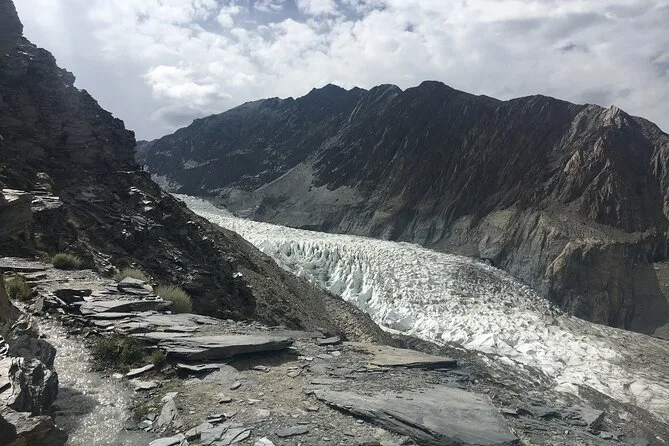
Phandar valley was next—a place that doesn’t really show up on postcards but should. The river there runs so clear you can see pebbles at the bottom. Locals waved as we stopped for chai at a tiny shop; their bread still warm from the tandoor. On our way back to Gilgit, dusk painted everything gold and pink.
The road to Gulmit took us past Rakaposhi View Point—Imran insisted we try the apricot juice from a roadside vendor (he was right). Attabad Lake looked unreal in the morning light—icy blue against sharp cliffs. We skipped stones for a while before heading on.
Khunjerab Pass day was wild—the air thin enough to make you dizzy if you ran too fast. Yaks grazed near the border gate and Chinese trucks rumbled by every so often. At 4,693 meters up, even breathing feels like an event.
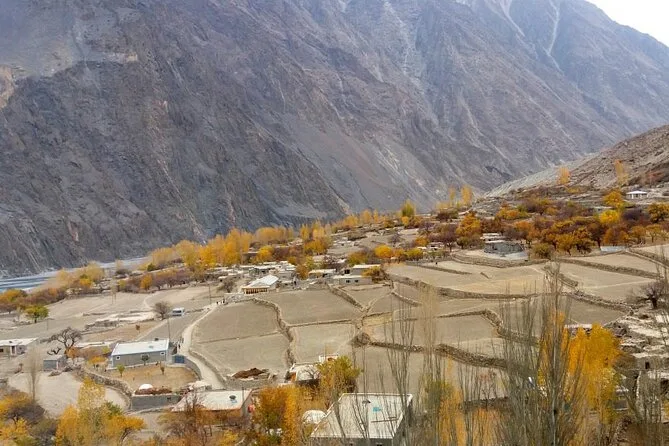
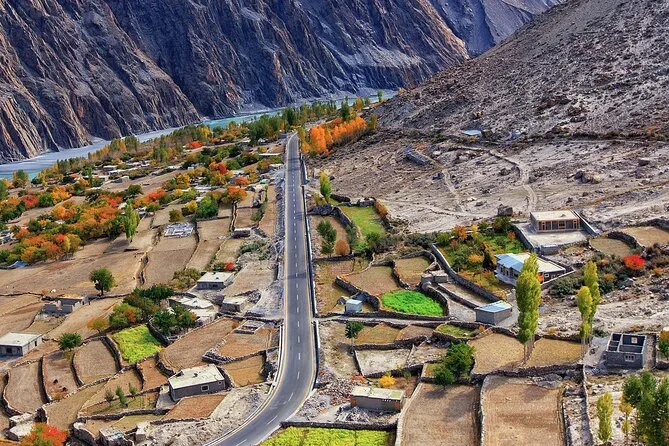
Karimabad felt different—busier but somehow peaceful too. We explored Altit Fort with its creaky wooden stairs and views over terraced fields. In Duiker village, I tried walnut cake at a small café called Eagle’s Nest (the owner’s son told me his favorite season is autumn because of the colors). Ganish village was quieter; old stone houses tucked between apricot trees just starting to turn yellow.
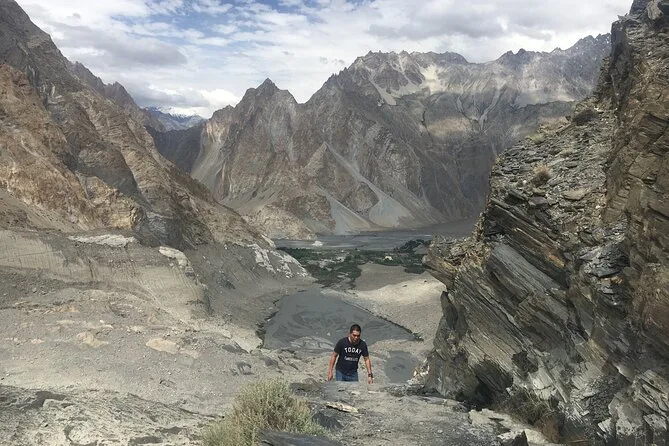
The drive back south took us through Babusar Pass—patches of snow still clinging to shady spots—and then down into Naran valley where trout sizzled on open grills by the roadside. On our last day, we stopped by Taxila Museum; ancient statues lined up in cool halls while outside vendors sold guavas wrapped in newspaper.

What’s included
- Your transport between all stops is covered plus hotels each night.
- Guides help out at key sites like forts or museums.
- Infant seats are available if needed; public transport options nearby most stops too.
Operated by Hunza Explorers
Traveler reviews
Compare the 11 similar options
 Hunza Valley Autumn Tour: Lakes, Passes & Local Culture★ 4.73 (22)10dENUS$ 1,060
 Islamabad: City Tour with Faisal Mosque, Saidpur & Local MarketsFeel the pulse of Islamabad on a guided city tour—explore Faisal Mosque, Saidpur Village, bustling markets, and Margalla Hills. Includes pickup & entry fees.★ 5.00 (72)8hENUS$ 120View ›
 Islamabad Private Tour: Faisal Mosque, Saidpur & Margalla HillsSpend 5 to 9 hours exploring Islamabad's landmarks with a private guide, air-conditioned vehicle and lunch included★ 4.93 (14)5h–9hENUS$ 104View ›
 Islamabad Day Tour: Mosque, Museum & Village VisitPrivate day tour of Islamabad with hotel pickup, English-speaking guide, and entry to Lok Virsa Museum, Pakistan Monument, and Faisal Mosque★ 5.00 (29)5h–7hEN · PA +2US$ 90View ›
 Hunza Valley: Family Tour with Local Guide & Fort VisitsExperience Hunza Valley’s forts, apricot orchards, and Khunjerab Pass on a family tour from Islamabad with hotel stays, local guide, and all transport included.★ 5.00 (7)6dUS$ 1,099per groupView ›
 Hunza Valley 8-day Tour: Karakoram Highway & GlaciersEight days from Islamabad with domestic flights, mountain guide and hotel stays—fly to Gilgit, drive the Karakoram Highway, visit 900-year-old forts★ 5.00 (12)8dENUS$ 1,400View ›
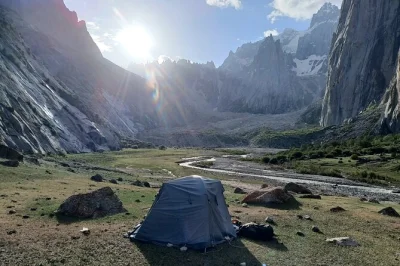 Nangma Valley Trek: Karakoram Peaks & K6 Base Camp AdventureWake up to the wild silence of Nangma Valley, trek beneath K6’s shadow, share chai with locals, and camp under Karakoram stars—includes flights, all transfers, and meals.★ 4.93 (15)12dEN · CS +10US$ 1,800View ›
 Islamabad: Faisal Mosque & Pakistan Monument Transit TourLayover in Islamabad? Explore Faisal Mosque, Pakistan Monument & Margalla Hills with airport transfer included. 6-12 hours, flexible itinerary, air-conditioned car.6h–12hENUS$ 110View ›
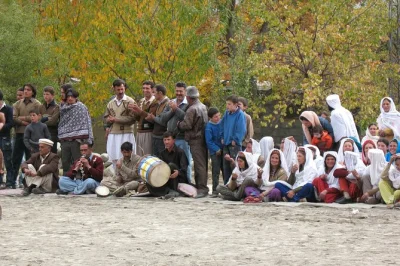 Hunza Valley Tour: Autumn Colors, Forts & Karakoram HighwayExplore Hunza Valley’s autumn colors, historic forts, Attabad Lake, and the Karakoram Highway on a guided multi-day tour from Islamabad.★ 4.90 (20)9dEN · JAUS$ 1,860View ›
 Islamabad Day Trip: Faisal Mosque, Pakistan Monument & Lake ViewsVisit Islamabad's Faisal Mosque, Pakistan Monument and Lok Virsa Museum with a private guide, hotel pickup and lunch at The Monal.6h–12hENUS$ 170View ›
 Islamabad Airport Transfer & Customizable Day TripRound-trip airport transfer with city tour. Visit Faisal Mosque, Pakistan Monument, Rawal Lake, Saidpur Village. English-speaking guide, 6-10 hours, all taxes included.6h–12hENUS$ 95View ›
Top questions
Is this tour suitable for families with young children?
Yes—it’s family-friendly and infant seats are available if needed. Just keep in mind some drives are long and mountain roads can be winding.
What kind of weather should I expect during autumn?
Days are usually mild but nights get chilly—especially near Khunjerab Pass or Babusar Pass where it can even snow lightly in October.
Are meals included or do we buy food ourselves?
Main meals aren’t included so you’ll have plenty of chances to try local cafés or street food along the way—our guide always had good suggestions!
I have back problems—is this tour recommended?
This tour isn’t recommended for travelers with spinal injuries or serious health issues due to long drives and high altitudes.
Hunza Valley Autumn Tour: Lakes, Passes & Local Culture
10d · EN · at your hotel
from US$ 1,060 per person
★★★★★★★★★★4.7322 reviewsVerified traveler reviews via our booking provider
