

 +507 6792-0894


Everest Base Camp Trek: Guided Himalayan Adventure & Namche Bazaar





Summary
Everest trekking with Sherpa culture and mountain views
If you're after real adventure mixed with local flavor—think mountain sunrises, Sherpa hospitality, strong tea after long climbs—this trek delivers every time. You'll cross wild rivers on swinging bridges, wander through lively markets in Namche Bazaar, stand at Everest Base Camp itself…and come home with stories you'll tell for years.

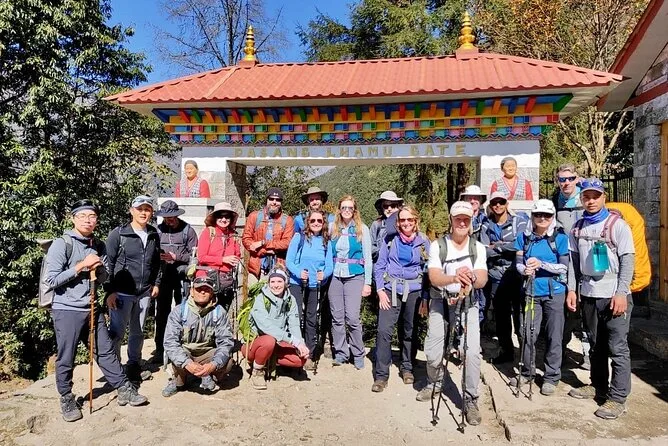
The first thing that hit me stepping off the plane in Kathmandu was the thick, sweet smell of incense drifting from a nearby temple. After a quick ride through the city’s morning chaos, I met our guide at the hotel—he had this easy laugh and knew every shortcut in Thamel. We sorted out paperwork over masala tea and swapped stories with other trekkers in the lobby, everyone buzzing with nerves about Lukla’s famous runway.
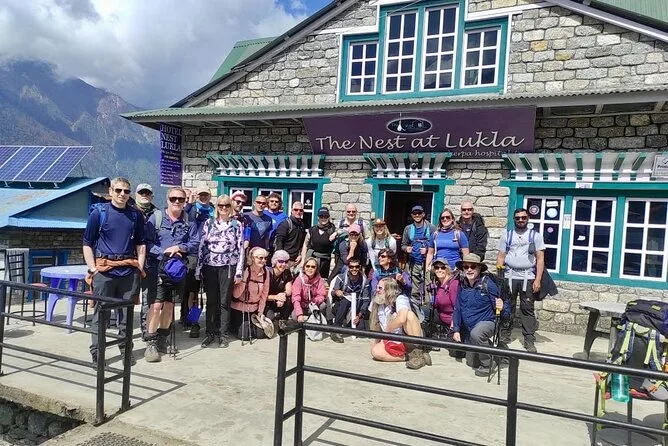
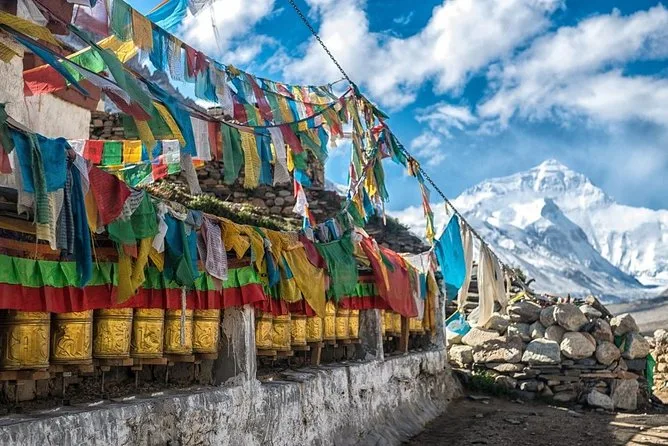
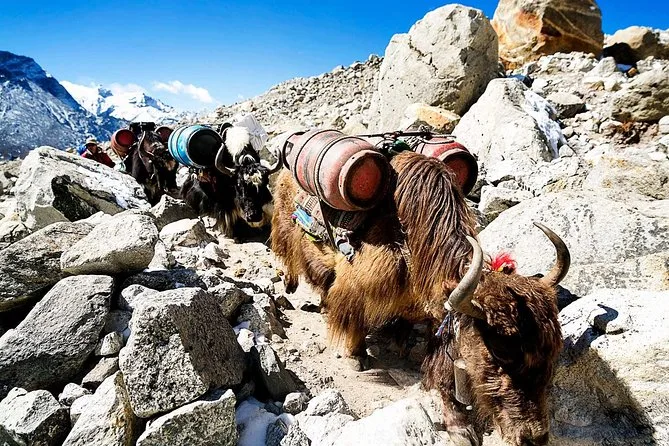
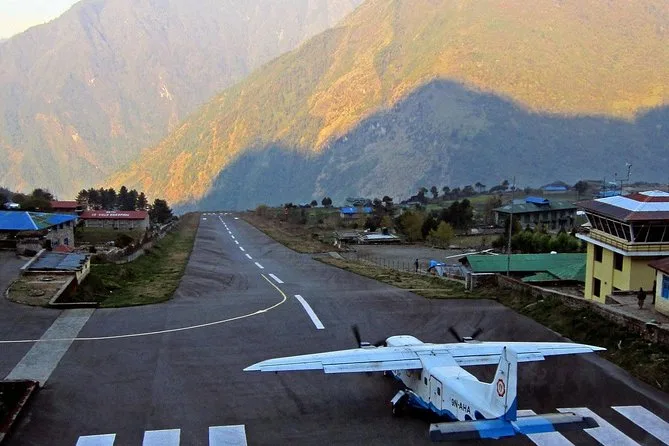
The flight to Lukla is something else—tiny plane, knees pressed to the seat in front, clouds brushing past the window. The landing’s a jolt, but then you’re out in crisp air that smells faintly of pine and yak butter. Our first breakfast in Lukla was simple—steaming momos and black tea—before we set off down rocky paths lined with prayer wheels. The trail to Phakding winds past little villages where kids wave from doorways and yaks plod by with bells clanging softly. You get used to dodging them pretty quick.
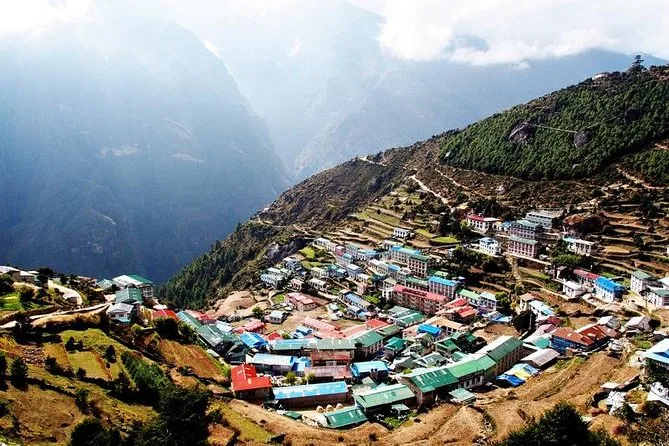
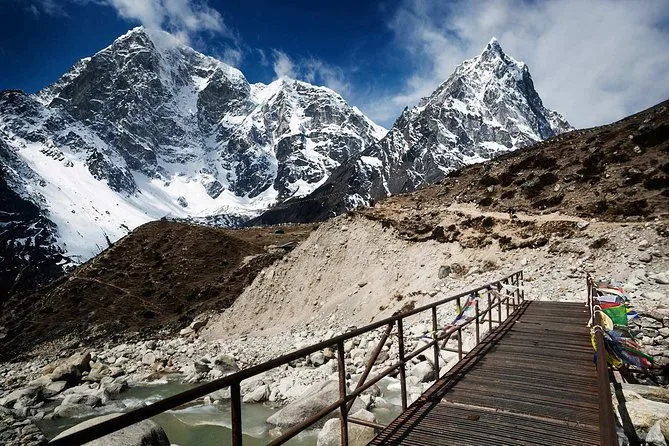
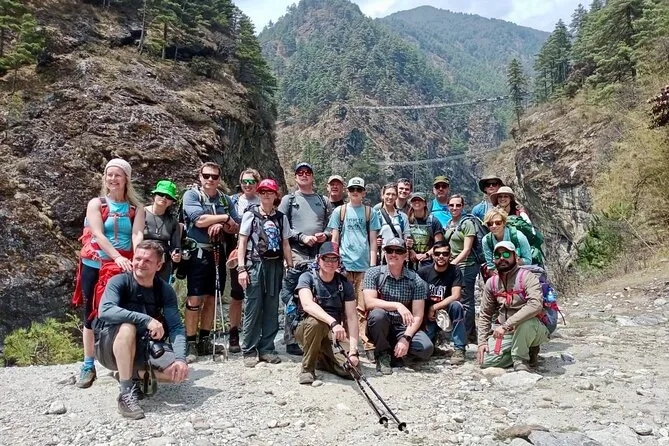
Crossing those suspension bridges over the Dudh Koshi river is a rush—the wind whips up prayer flags so they snap overhead, and sometimes you catch a whiff of woodsmoke from someone’s stove below. By Monjo, our boots were already dusty. The climb up to Namche Bazaar is no joke; it’s steep and your lungs feel it, but reaching that bowl-shaped town tucked into the hillside feels like arriving somewhere special. There’s always music or chatter drifting from bakeries selling apple pie (yes, really) and gear shops where you can grab last-minute gloves if you forgot yours.
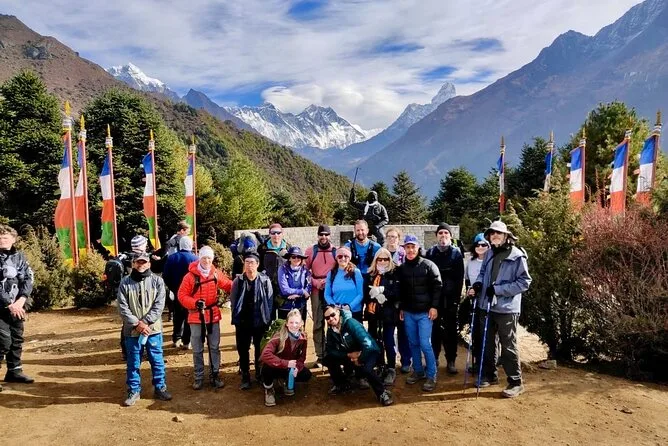
Acclimatization days aren’t just about resting—they’re for wandering narrow alleys or hiking up to Everest View Hotel for coffee with a panorama of Ama Dablam and Lhotse right outside the window. I remember sitting there as clouds rolled in fast, hiding then revealing peaks like some magic trick. The Sherpa museum is worth a stop too; it’s small but packed with old photos and stories about climbers who made history here.
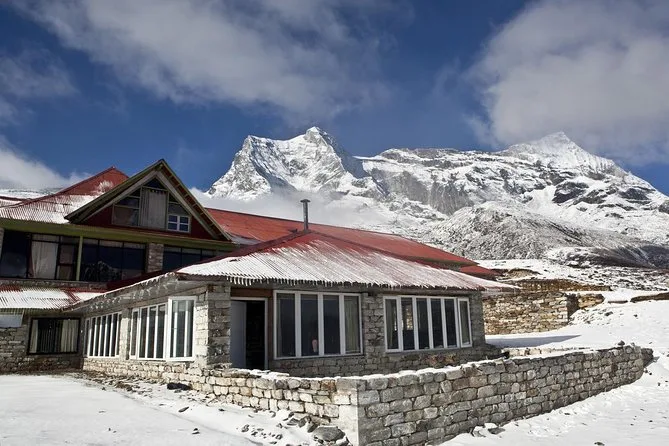
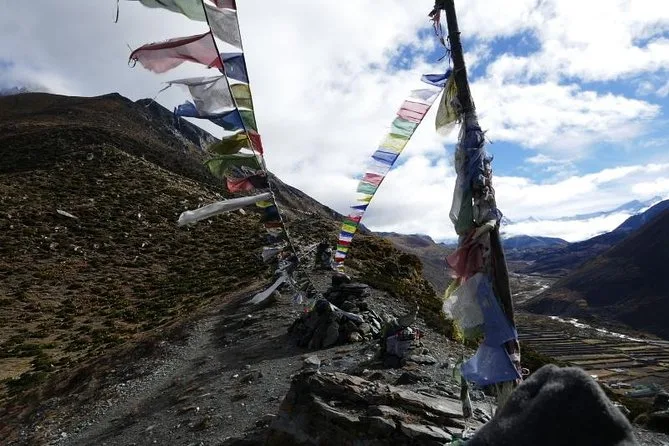
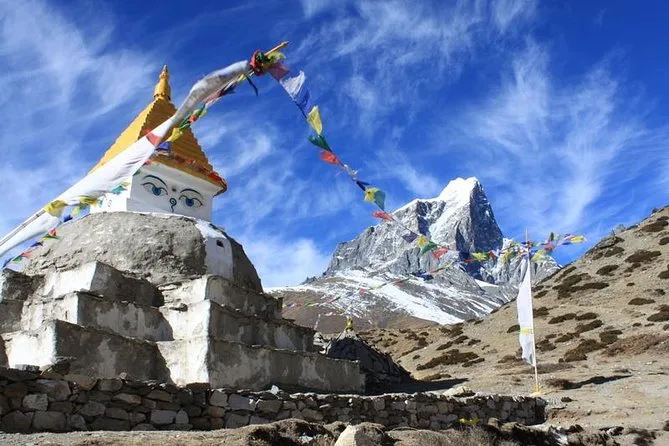
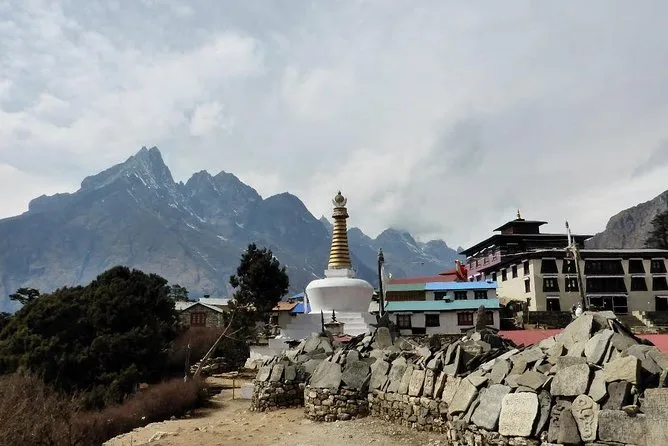
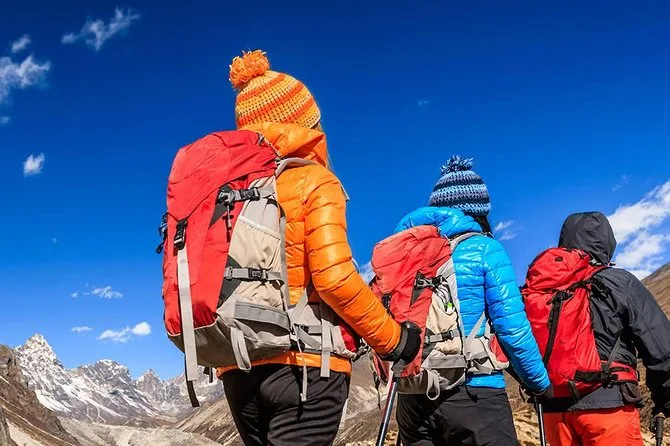
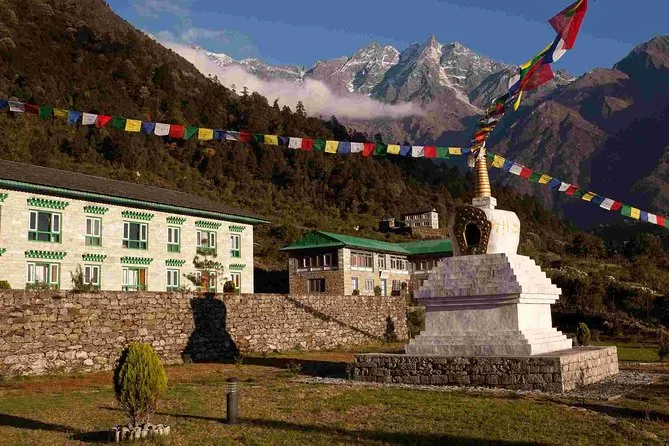
The trail gets quieter as you head higher—pine forests thin out, replaced by scrubby juniper and stone chortens stacked with prayer flags. Tengboche monastery sits on its own ridge; we arrived just as monks began their afternoon chanting, deep voices echoing through cold halls lit by butter lamps. Mornings are sharp here—the kind that wake you up before sunrise—and breakfast tastes better when you can see Everest glowing pink across the valley.
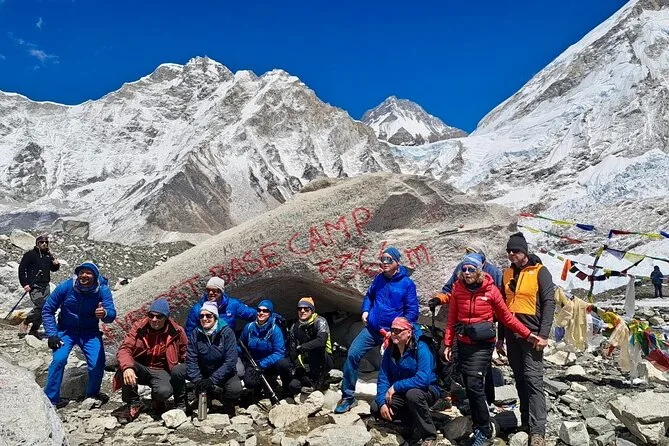
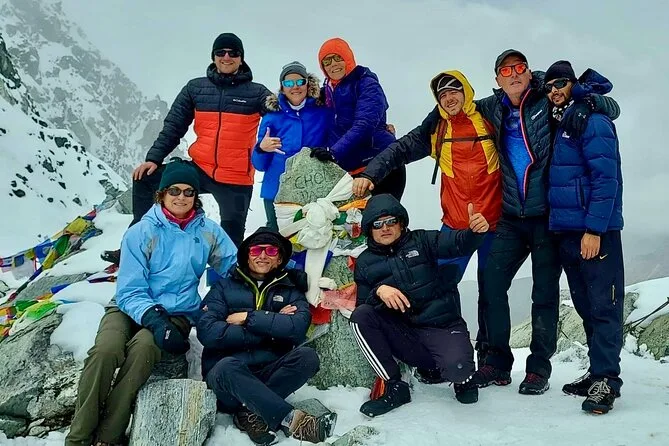
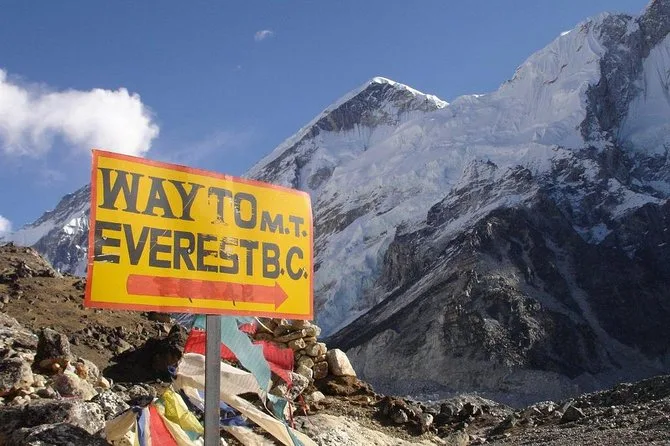
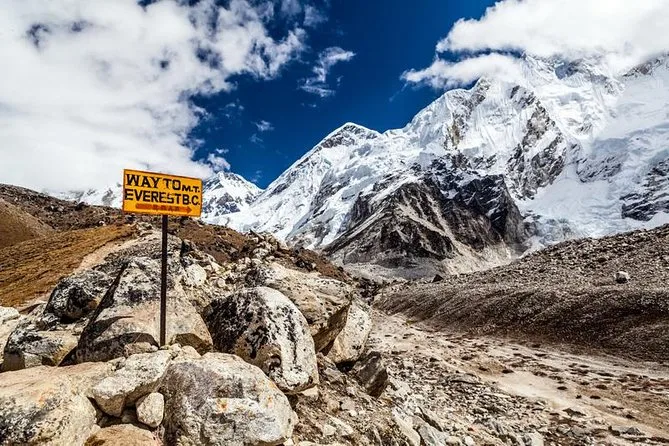
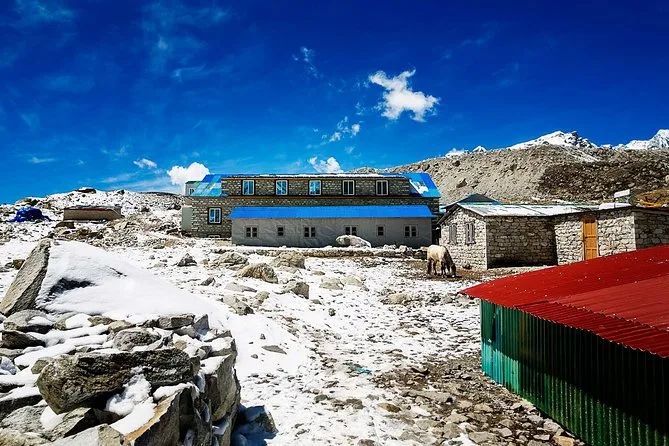
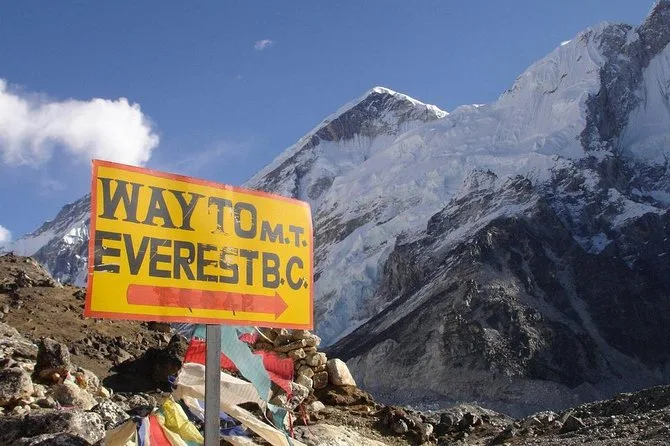
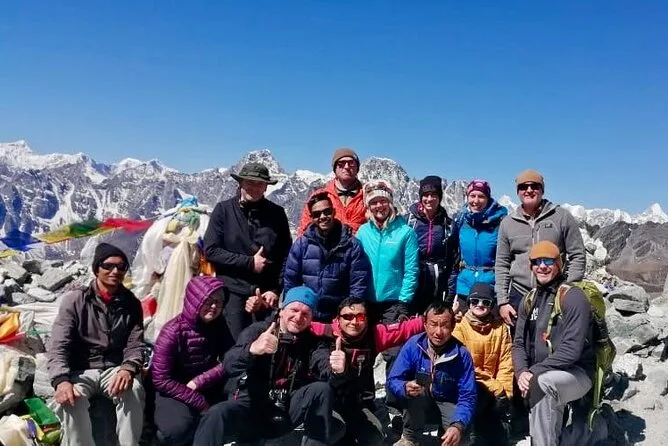
By Dingboche and Lobuche, everything slows down: steps get shorter, conversations quieter as everyone focuses on breathing thinner air. There are memorials along the way—simple stone piles for climbers who didn’t make it back—which makes reaching base camp feel even more real. The ground crunches underfoot near Gorak Shep; it’s rocky, almost lunar-looking. Standing at Everest Base Camp itself is surreal—colorful tents scattered across ice, prayer flags snapping in icy gusts—and honestly, I just stood there grinning like an idiot.
Kala Patthar is brutal before dawn: freezing wind on your face, boots crunching over black rock while your breath hangs in clouds around your head. But watching sunrise spill over Everest from up there? Worth every step—even if my fingers went numb trying to snap photos.
The walk back down feels lighter somehow—maybe because you’ve done it or maybe because now you notice things: kids playing outside teahouses in Pangboche; porters laughing over dal bhat; that last night in Namche sharing stories with trekkers from all over the world. By Lukla again, hot showers never felt so good—and I found myself already missing those early mornings when all you could hear was wind and distant yak bells.
 14d
14d

Step-by-step itinerary
Day 1 — Arrival and Pre-trip Meeting in Kathmandu
- Airport pickup and hotel transfer
- Pre-trip meeting and documentation
Day 2 — Fly to Lukla and Trek to Phakding
- Fly from Kathmandu to Lukla (35 min)
- Trek to Phakding (3-4 hours)
Day 3 — Trek to Namche Bazaar
- Trek from Phakding to Namche Bazaar (5-6 hours)
Day 4 — Acclimatization in Namche Bazaar
- Hike to Everest View Point
- Visit Everest View Hotel and Sherpa Museum
Day 5 — Trek to Tengboche
- Trek from Namche Bazaar to Tengboche (5-6 hours)
Day 6 — Trek to Dingboche
- Trek from Tengboche to Dingboche (5-6 hours)
Day 7 — Acclimatization in Dingboche
- Rest and acclimatize in Dingboche
Day 8 — Trek to Lobuche
- Trek from Dingboche to Lobuche (5-6 hours)
Day 9 — Trek to Gorak Shep and Everest Base Camp
- Trek from Lobuche to Gorak Shep and Everest Base Camp (6-7 hours)
Day 10 — Trek to Pheriche via Kala Patthar
- Climb Kala Patthar summit (7-8 hours)
Day 11 — Trek back to Namche Bazaar
- Trek from Pheriche to Namche Bazaar (6-7 hours)
Day 12 — Trek to Lukla
- Trek from Namche Bazaar to Lukla (6-7 hours)
Day 13 — Fly back to Kathmandu
- Fly from Lukla to Kathmandu (35 min)
Day 14 — Departure from Kathmandu
- Transfer to Tribhuwan International Airport

Top questions

How tough is the Everest Base Camp trek?
The trek's challenging due to altitude and long days walking (5-7 hours daily), but guides pace things well and acclimatization days help most people adjust.
Do I need prior trekking experience?
No technical skills needed—just decent fitness and determination! Our guides support beginners as well as experienced hikers throughout the journey.
What about food along the route?
You’ll find plenty of options: dal bhat (lentil curry), noodles, eggs—even apple pie in Namche! Let us know dietary needs ahead of time so we can plan accordingly.
Are flights between Kathmandu and Lukla included?
Yes—all domestic flights are covered as part of your package for convenience and peace of mind.

What’s included
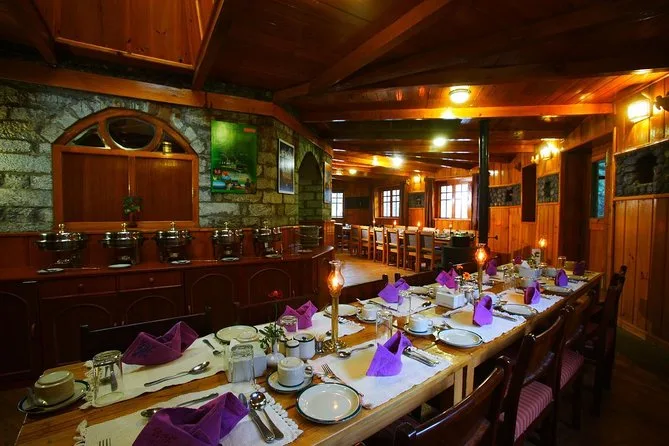
Your trip covers airport transfers by private car; three nights’ hotel stay in Kathmandu; all domestic flights; trekking permits; experienced English-speaking guides; porter service (one porter per two trekkers); accommodation in local guesthouses during trek; medical kit carried by your leader; farewell dinner with cultural show; plus use of trekking bag/sleeping bag/map if needed. Just bring your sense of adventure!
 Super deal
  Free booking, free cancellation.
  Don't lose your place.


 Do you need help planning your next activity?
  +507 6792-0894


