

 +507 6792-0894


Everest Base Camp Trek 12 Days: Route, Cost & Local Tips


Summary
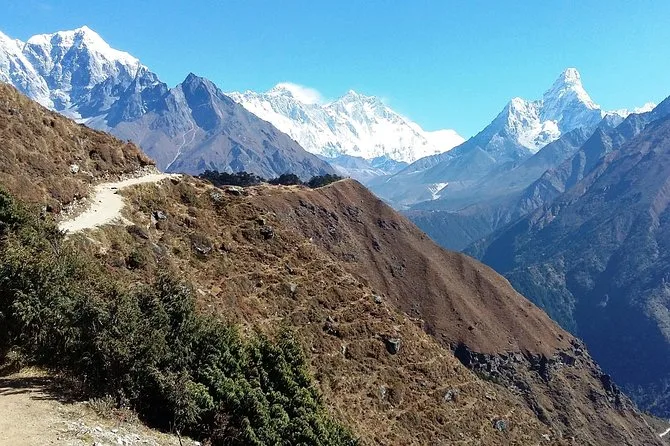
Everest trekking route with Namche Bazaar & Kalapathar views
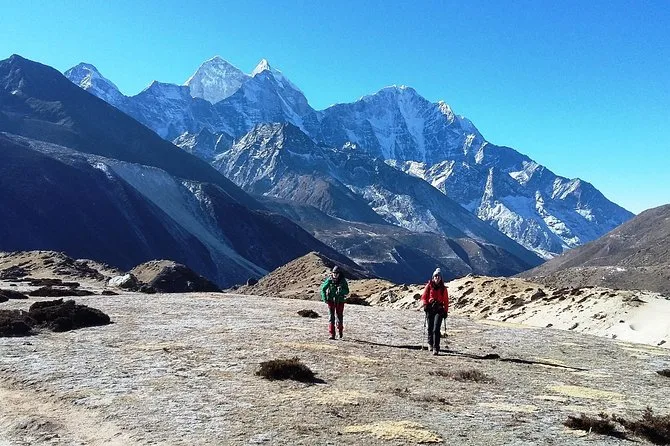
You’ll walk ancient trails through Sherpa villages, share hot meals in mountain lodges, and stand face-to-face with Everest at sunrise—all without needing any technical climbing skills. If you want a real taste of Himalayan adventure (and don’t mind early mornings), this trek covers all the highlights with local guides who know every shortcut and story along the way.

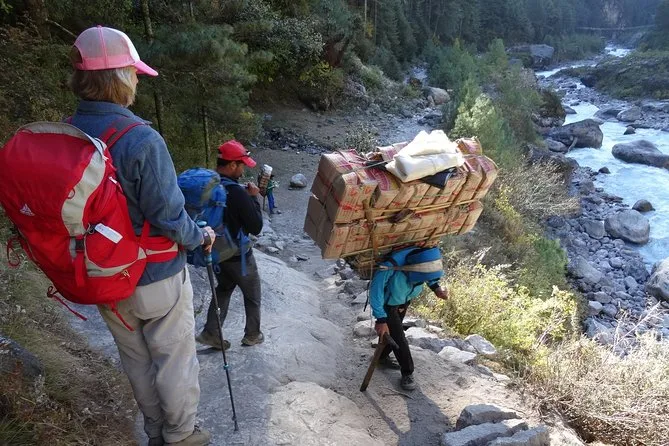
The first time I landed in Lukla, the air felt thinner and sharper than Kathmandu—almost like you could taste the mountains already. Our group shuffled out of the tiny plane, backpacks thumping against our sides, and right away our guide Suman started pointing out little things: the way porters balance loads with a namlo strap on their foreheads, or how the tea houses here serve milk tea that’s just sweet enough to cut through the morning chill. The walk to Phakding was gentle but I remember my boots squelching through muddy patches from last night’s rain. You’ll pass prayer wheels spun by locals and hear bells from yak trains before you even realize you’re gaining altitude.
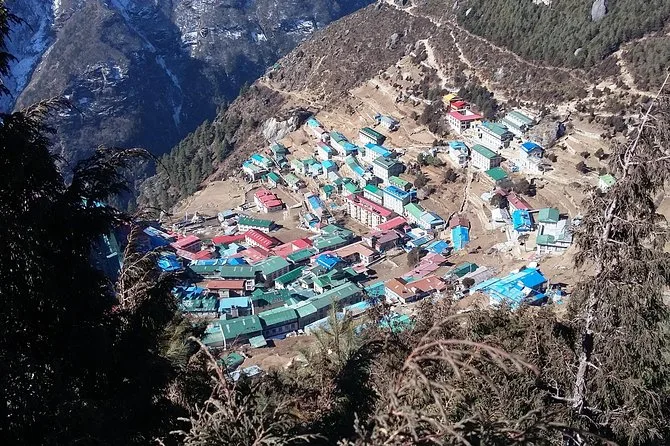
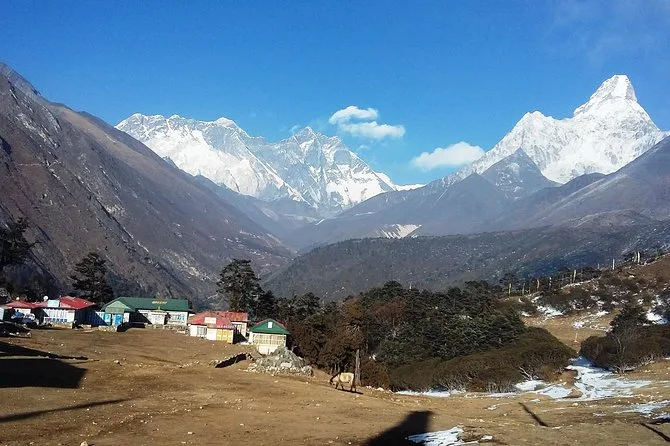
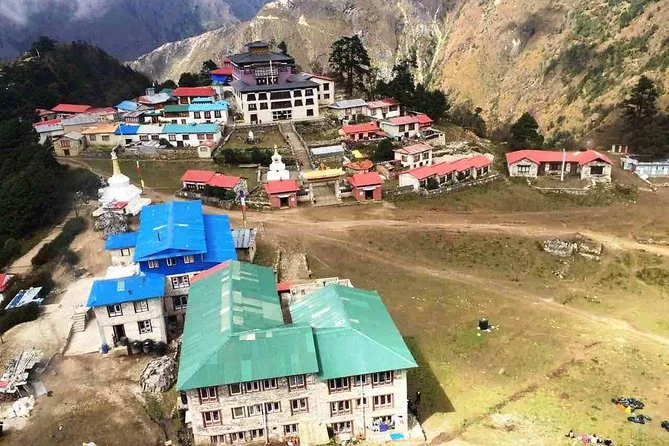
Namche Bazaar is something else—colorful roofs stacked along a hillside, bakeries selling apple pie (yes, really), and trekkers swapping stories over mugs of instant coffee at Everest Bakery. We spent an extra day here to acclimatize; it’s not just about rest but wandering up to Hotel Everest View for a cup of ginger tea with a panorama that makes your legs feel wobbly for more than one reason. Suman explained how altitude sneaks up on people who rush—so we took it slow, stopping often to catch our breath and watch clouds drift across Ama Dablam.
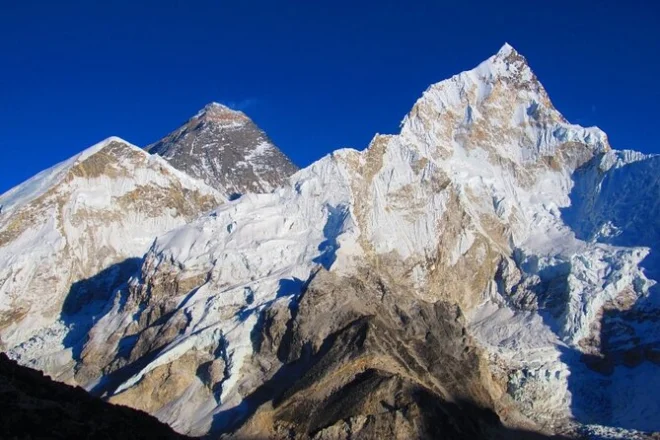
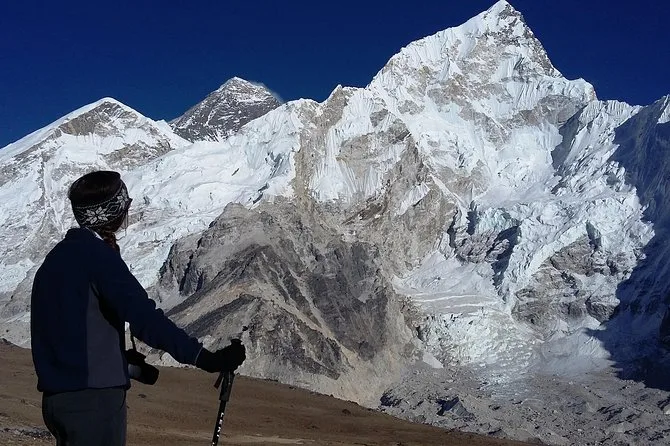
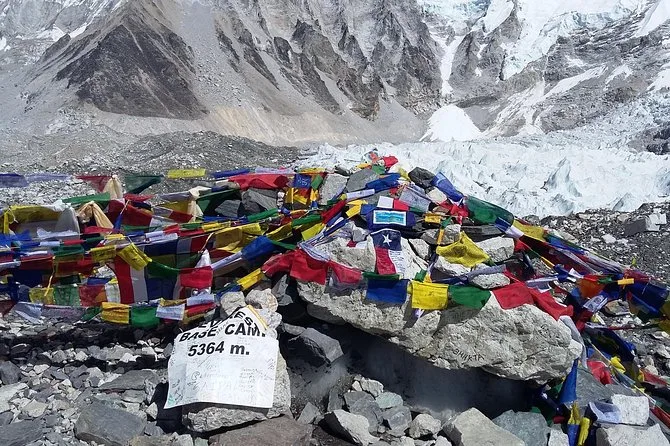
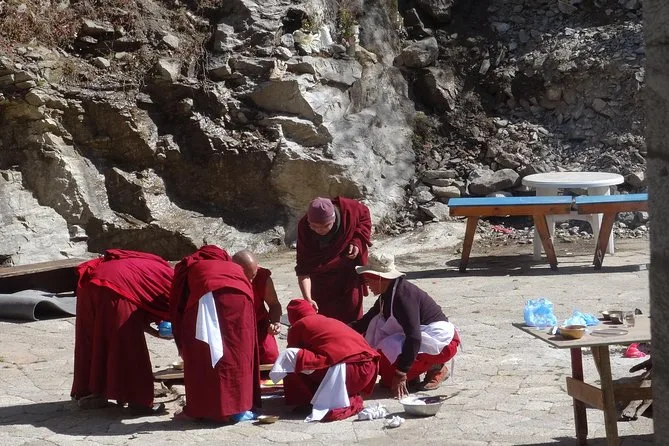
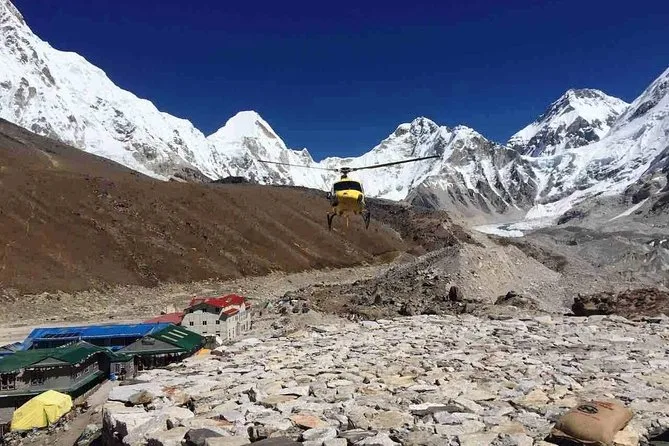
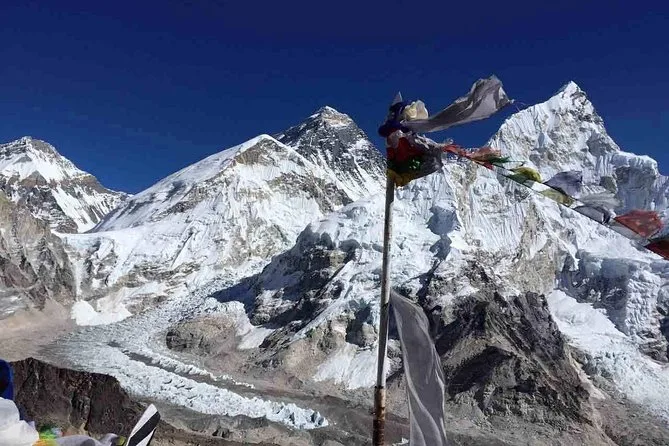
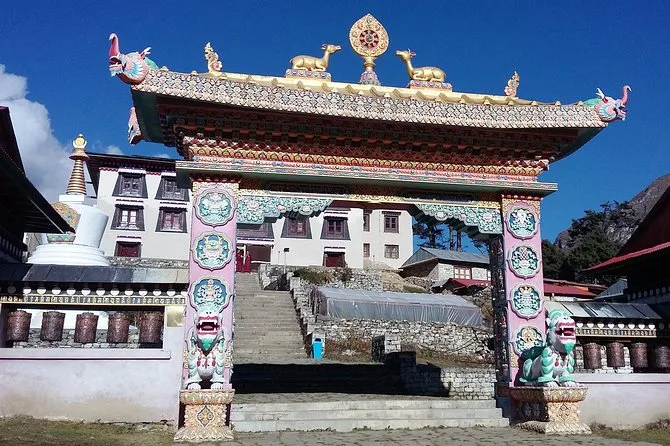
Tengboche Monastery sits in a clearing that smells faintly of incense and pine needles. We arrived just as monks were chanting inside—the sound carried out into the cold air and made me pause longer than I expected. Higher up in Dingboche and Lobuche, things get quieter; you’ll notice your steps crunching on frost early in the morning, or how water bottles freeze overnight if you leave them by the window. The final push to Everest Base Camp is tough but surreal—you’re walking alongside Khumbu Glacier where real expeditions start. And then there’s Kalapathar: we set off before sunrise with headlamps bobbing ahead of us, breath fogging up in front of our faces. When the sun finally hit Everest’s summit, everyone just stood there quietly for a minute or two—it’s hard to describe unless you’ve seen it yourself.
 12d
12d

Step-by-step itinerary
Day 1 — Kathmandu to Phakding Trek
- Flight Kathmandu to Lukla
- Trek to Phakding
Day 2 — Phakding to Namche Bazaar
- Trek to Namche Bazaar
Day 3 — Acclimatization and Everest View
- Acclimatize at Namche Bazaar
- Hike to Everest View Hotel
Day 4 — Namche Bazaar to Tengboche
- Trek to Tengboche
Day 5 — Tengboche to Dingboche
- Trek to Dingboche
Day 6 — Acclimatization at Dingboche
- Hike to Nagarjun Hill
Day 7 — Dingboche to Lobuche
- Trek to Lobuche
Day 8 — Lobuche to Everest Base Camp
- Trek to Gorak Shep and Everest Base Camp
Day 9 — Everest Base Camp to Pheriche
- Hike Kala Pathar
- Trek to Pheriche
Day 10 — Pheriche to Namche Bazaar
- Trek to Namche Bazaar
Day 11 — Namche Bazaar to Lukla
- Trek to Lukla
Day 12 — Fly back to Kathmandu
- Flight Lukla to Kathmandu

Top questions

Do I need previous trekking experience for this trip?
Nope! As long as you have basic fitness and can handle daily walks of several hours, you’ll be fine. The pace is steady and there are acclimatization days built in.
What about flights to Lukla during busy seasons?
In peak months (March–May & September–November), flights go from Ramechhap Airport instead of Kathmandu due to air traffic. It’s about 5–6 hours’ drive from Kathmandu—you can travel there overnight or leave super early on flight day.
Are meals included during the trek?
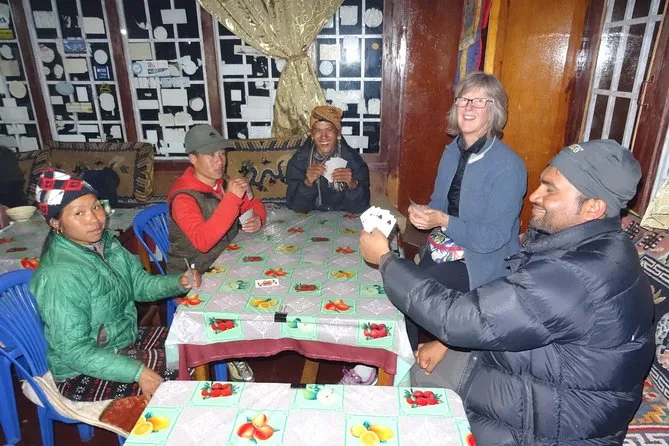
Yes! Breakfasts, lunches, and dinners are all included while trekking—expect simple but filling dishes like dal bhat or noodles at local guesthouses.
Is gear provided?
You’ll get a duffle bag, down jacket, sleeping bag, and walking pole as part of your package—just bring your own basics like boots and layers.

What’s included
Your trip covers airport transfers (Kathmandu or Ramechhap), round-trip flights to Lukla, all permits and fees, three meals daily during the trek, twin-share accommodation at mountain lodges/guesthouses, use of trekking gear (duffle bag, down jacket, sleeping bag, walking pole), an experienced government-licensed guide throughout—and even a certificate when you finish!
 Super deal
  Free booking, free cancellation.
  Don't lose your place.


 Do you need help planning your next activity?
  +507 6792-0894


