

 +507 6792-0894


Chitwan: 3-Day Jungle Safari, Tharu Village & Jeep Tour


Summary
Chitwan safari days with village walks canoe rides jeep tours
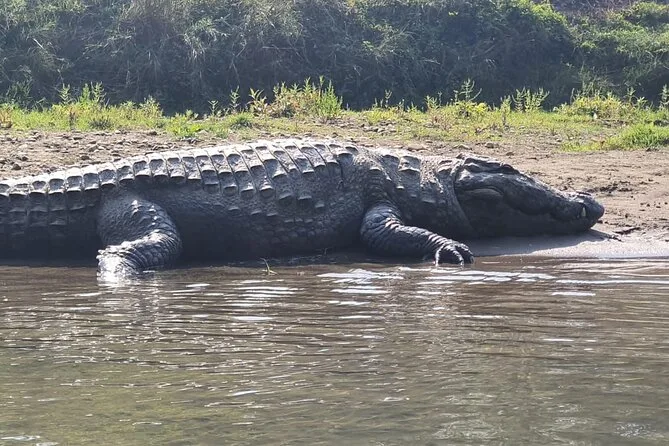
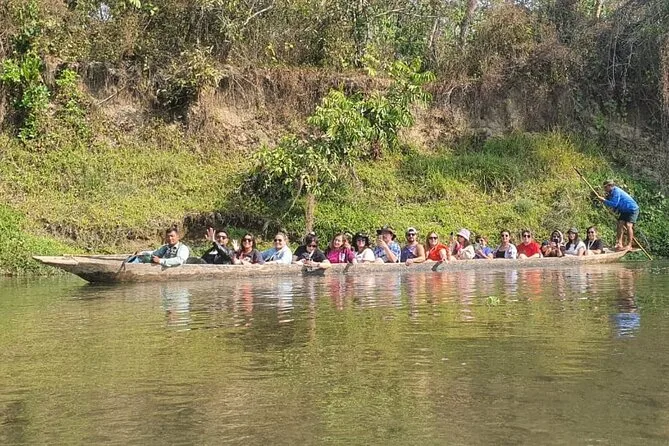
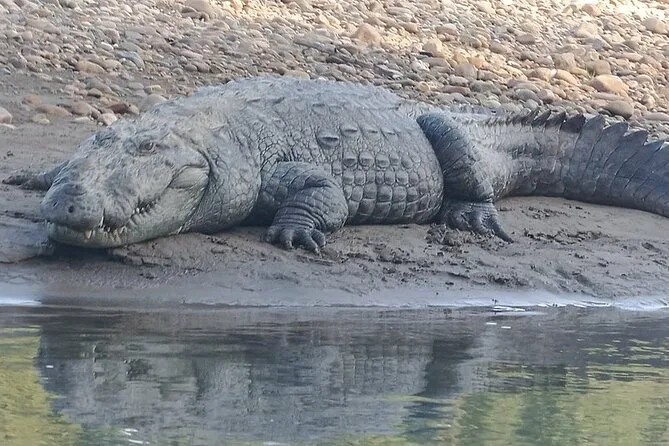
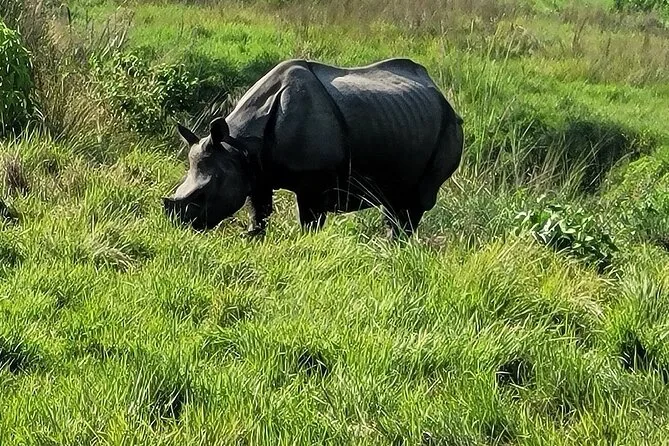
You’ll feel Chitwan before you even step into the jungle—thick air, bright colors, sounds everywhere. Walk through Tharu villages with local guides who know every corner, drift down the Rapti River at sunrise watching for crocodiles and rare birds, bounce along dusty tracks on a jeep searching for rhinos and maybe tigers. You’ll leave with muddy shoes—and probably a few stories you’ll want to tell again.

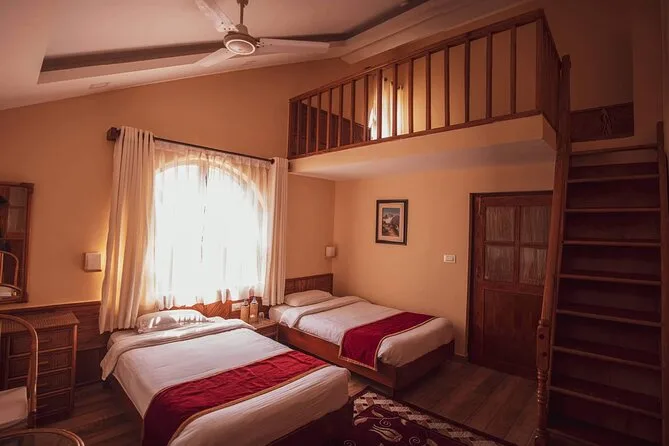
I still remember the first thing that hit me in Chitwan—how the air felt heavier, full of green smells and something almost sweet. We’d just bumped off the bus from Kathmandu (long ride, but honestly I dozed most of it), and someone from the lodge was waiting with this shy smile. He handed us a cold drink and started explaining how things work here—timing for meals, what to wear in the jungle (“no bright colors,” he grinned). I was already sweating but kind of excited. The room had these big wooden windows you could swing open to let in all the birdsong.
That afternoon we walked through the Tharu village. Our guide, Suman, pointed out these mud houses painted with white and ochre patterns—he said his aunt lived in one just down the lane. Kids waved at us; one little boy kept trying to show me his pet chicken. The sun was low by then, gold on the Rapti river. We watched it set while water buffaloes shuffled past and some older men played cards on a mat. Later there was this wild drum dance—the Tharu dancers pulled us up to join them. I tried but my feet got tangled in my own scarf. They laughed so hard I did too.
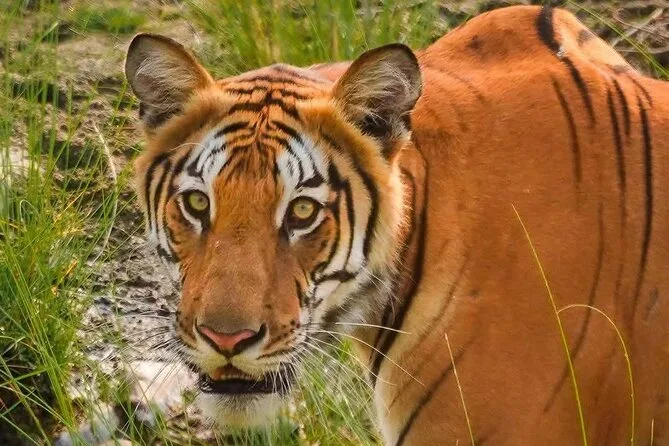
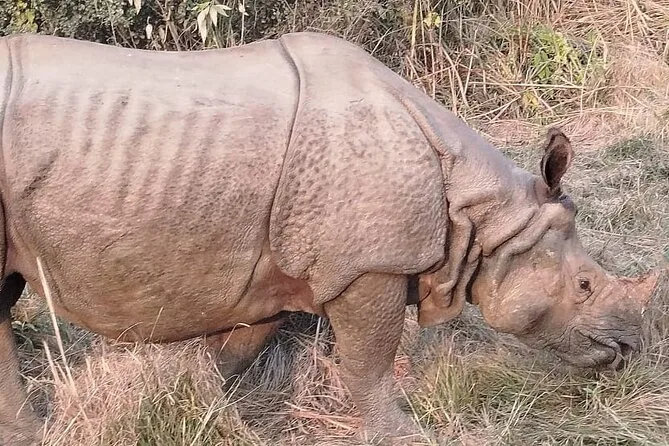
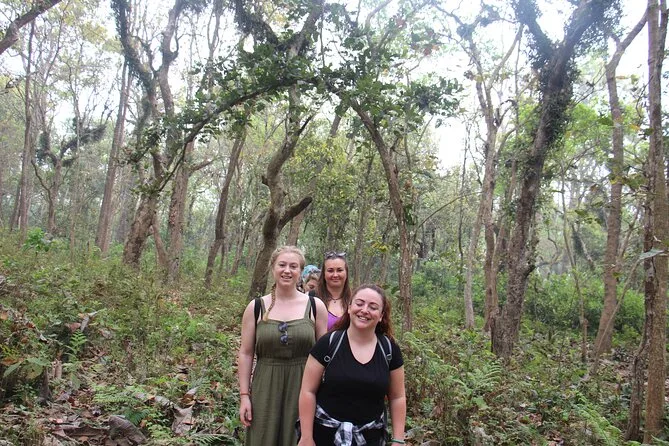
The next morning started early (I mean really early—someone knocked at 6am). Canoeing on the Rapti was so quiet except for birds and frogs; we saw a gharial slip into the water right beside us. The jungle walk after felt like tiptoeing through someone else’s house—you hear everything: leaves crunching, monkeys chattering somewhere above, your own heartbeat thumping when Suman stopped suddenly and whispered “rhino.” We didn’t see a tiger but honestly? Even hearing about them made my skin prickle.
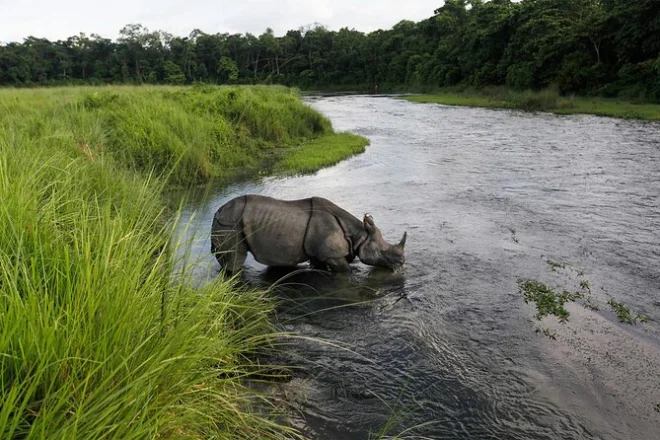
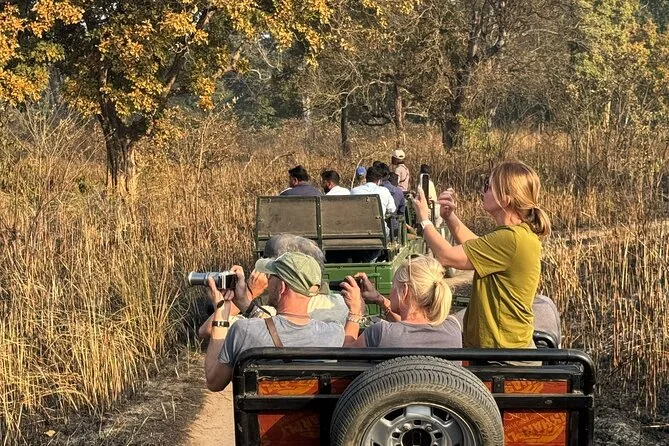
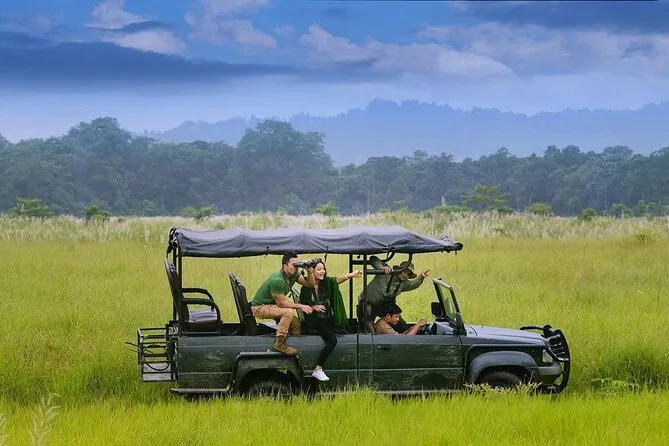
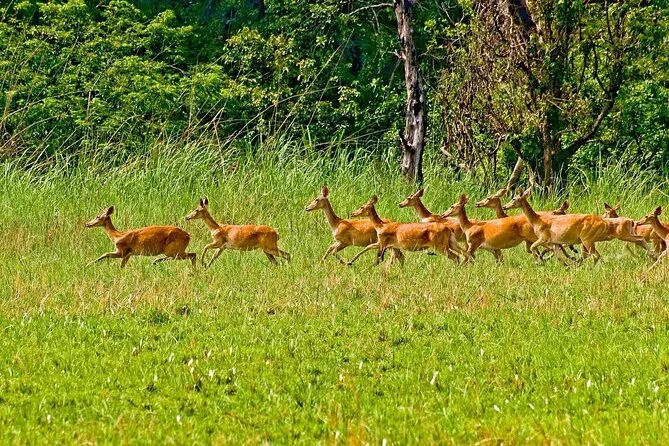
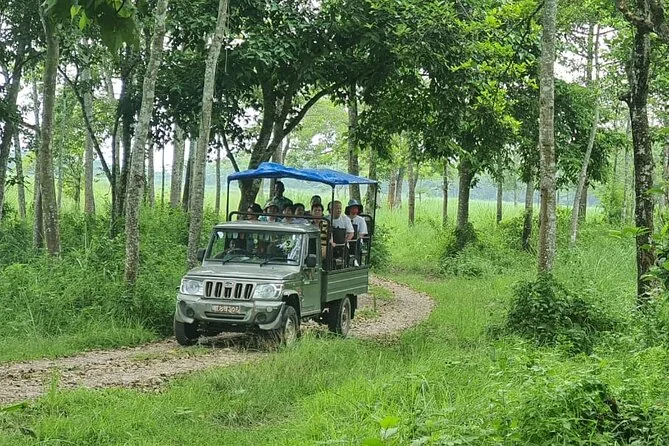
Jeep safari after lunch—dusty roads, wind in your face, everyone craning their necks for deer or boar or maybe that flash of stripes. At one point we just sat silent because a rhino crossed right in front of us, slow as anything. Dinner that night tasted extra good (maybe because I was starving), and there was another round of stories from Suman about growing up near Chitwan. It’s funny how quickly you get used to falling asleep to insect noise instead of city traffic.
 3d
3d

Step-by-step itinerary
Day 1 — Arrival and Village Tour
- Arrive at Sauraha Bus Park or Airport
- Transfer to resort and refresh
- Lunch at resort around 13:00
- Village tour to Tharu ethnic village at 15:00
- Visit National Park Visitor's Centre
- Sunset view from Rapti River bank
- Tharu cultural dance presentation at 19:00
Day 2 — Canoe Ride and Safari
- Wake up call and breakfast at 06:00
- Canoe ride along Rapti River at 07:00
- Bird watching and crocodile spotting
- Jungle walk after canoe ride
- Lunch around 13:00
- Jeep safari in the afternoon
- Tharu dance or slideshow presentation at 19:00
- Dinner at resort
Day 3 — Bird Watching and Departure
- Wake up call and breakfast at 06:00
- Bird watching at 07:30
- Depart Chitwan at 08:00

Top questions

How long does it take to get from Kathmandu to Chitwan?
It’s about 185 km and usually takes 5-6 hours by tourist bus.
Is hotel pickup included in this Chitwan safari tour?
Yes, pickup is included from Sauraha Bus Park/Tadi or Bharatpur Airport.
What animals can you see on the Chitwan jeep safari?
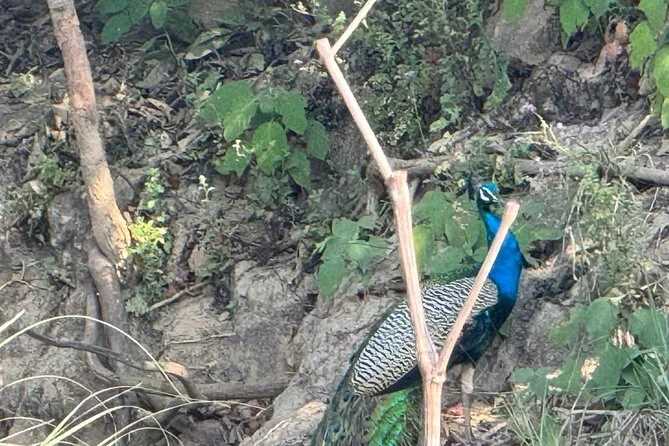
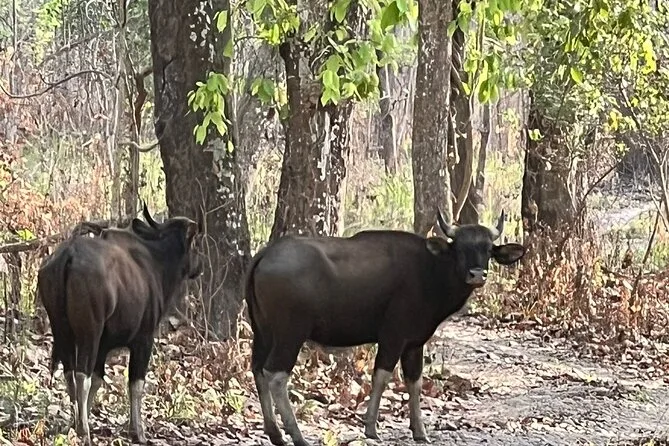
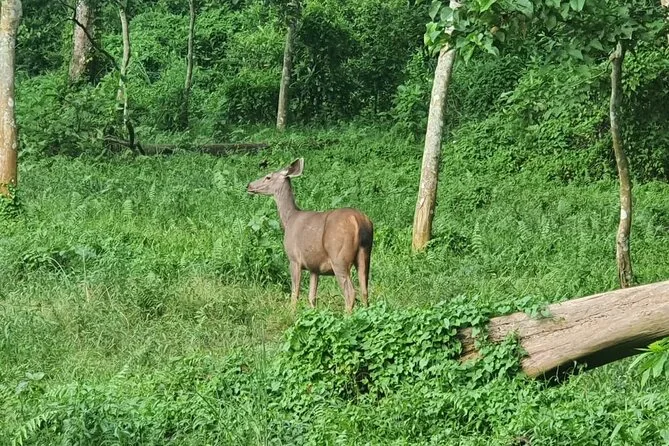
You might spot rhinos, deer species, wild boar, monkeys, leopards, sloth bears and possibly Royal Bengal tigers.
Are meals included during this 3-day Chitwan tour?
Yes, all meals are included during your stay at the resort.
Do you visit a local village during this tour?
Yes, there’s an afternoon visit to a Tharu ethnic village with cultural dance performance.
Is bird watching part of this Chitwan package?
Yes, bird watching is included both during canoe rides and early mornings around the park.
What kind of accommodation is provided?
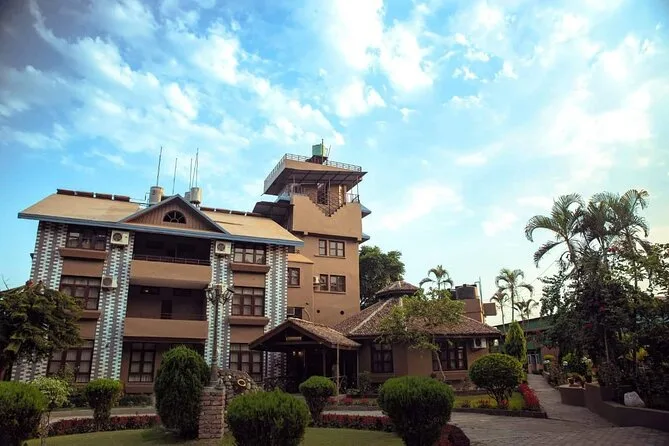
You’ll stay in a comfortable 3-star resort inside or near Chitwan Park.
Can infants join this tour?
Infants can join; prams/strollers are allowed and infant seats are available if needed.

What’s included
Your days include hotel pickup from bus park or airport transfers between Kathmandu and Chitwan by tourist bus, all national park entry fees covered for you, two nights’ stay at a comfortable resort with all meals provided—from breakfast to dinner—and guided activities like canoe rides on the Rapti River, village walks among Tharu homes, jeep safaris deep into wildlife areas plus nightly cultural dance shows led by locals before heading back each evening to rest up for more adventure tomorrow.
 Super deal
  Free booking, free cancellation.
  Don't lose your place.


 Do you need help planning your next activity?
  +507 6792-0894


