

 +507 6792-0894


Annapurna Base Camp Trek 13 Days: Guided Nepal Adventure


Summary
Pokhara to Annapurna Base Camp: Guided Trekking Itinerary
If you want a real taste of Nepal—from lively Kathmandu streets to quiet mountain mornings—this trek has it all: friendly guides, cozy teahouses, sunrise views from Poon Hill, hot springs for tired feet, and plenty of time soaking up Himalayan scenery without needing technical skills or special gear.

Landing in Kathmandu always feels a bit surreal—the air’s got this mix of incense and dust, and the city hums with scooters and chatter. Someone met us right at Tribhuvan Airport, waving a sign with my name. That first evening, after checking into the hotel, I wandered out to Thamel. The narrow lanes were alive with music from tiny bars and the smell of momos frying somewhere nearby. Meeting the rest of our trekking group over sweet masala tea made it all feel real.
The next morning was an early start for the tourist bus to Pokhara. Seven hours sounds long, but honestly, watching rice terraces roll by and seeing families drying corn on rooftops kept me glued to the window. Pokhara’s got this laid-back vibe—lakeside cafés, paragliders drifting overhead, and those white peaks just hanging above everything. We took a slow stroll around Fewa Lake as dusk set in; boats bobbed gently while kids tossed stones at the water’s edge.
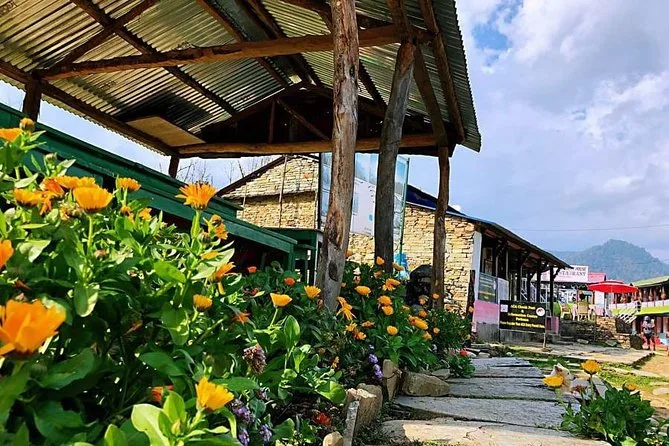
Our trek kicked off after a drive to Nayapul—bumpy roads, goats darting across now and then. From there, we started walking through Birethanti village where women sold apples from baskets by the path. The climb up to Tikhedhunga was steady but not too tough; stone steps everywhere (my knees noticed). If you’ve still got energy at Tikhedhunga, you can push on up Ulleri hill—locals say it’s about 3,000 steps but I lost count halfway.
The next day was all about uphill—Ulleri’s stone staircase is no joke. Passing through Magar villages like Banthanti felt like stepping back in time; chickens scratching in courtyards, kids chasing each other barefoot. Every so often our guide would point out peaks—Machhapuchhare (Fish Tail) always seemed to peek out from behind clouds just when you needed motivation.
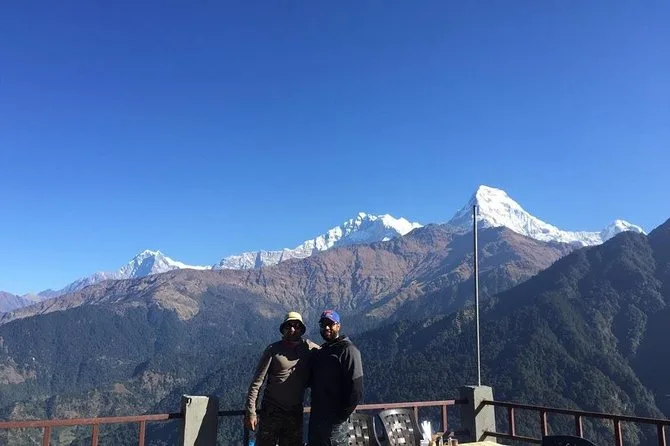
Poon Hill was worth every chilly step before dawn. We left Ghorepani in the dark with headlamps bobbing along the trail. At the top, people huddled together sipping thermos tea while golden light crept over Dhaulagiri and Annapurna South. Cameras clicked nonstop but honestly, it’s something you just have to see for yourself.
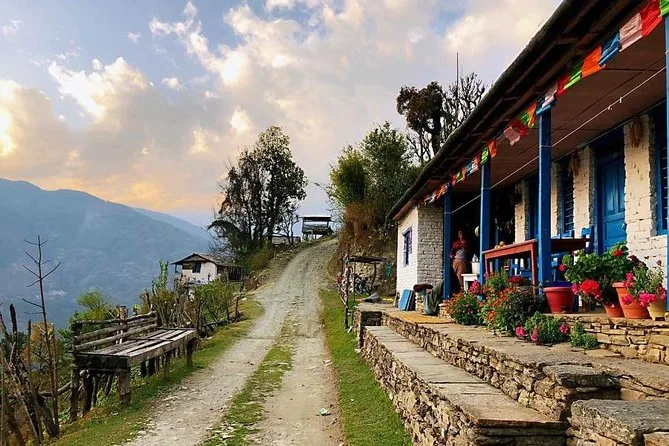
Tadapani to Chhomrong was one of my favorite stretches—lush forests full of birdsong and that earthy smell after last night’s rain. Chhomrong itself sits right under Annapurna; pizza is oddly popular here (and surprisingly good after days of dal bhat). Locals told us stories about Gorkha soldiers over dinner as mist rolled down from the hills.
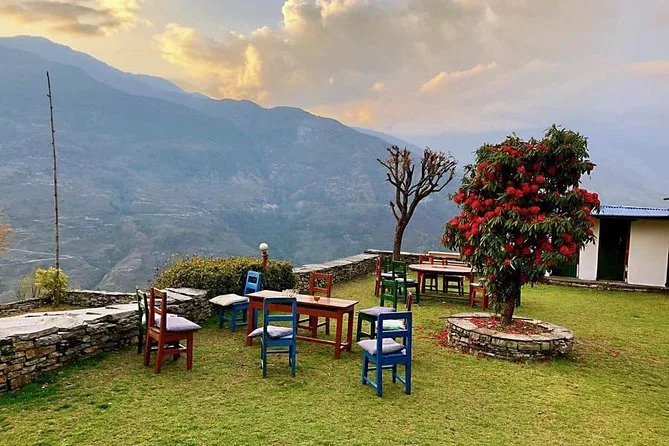
The trail down from Chhomrong is lined with rhododendrons—watch out for stinging nettles near Sinuwa! There’s a checkpoint where they check your permits (keep them handy). After a steep descent into bamboo forests that felt almost tropical, we reached Himalaya village—a cluster of teahouses where everyone swaps stories over mugs of ginger lemon honey tea.
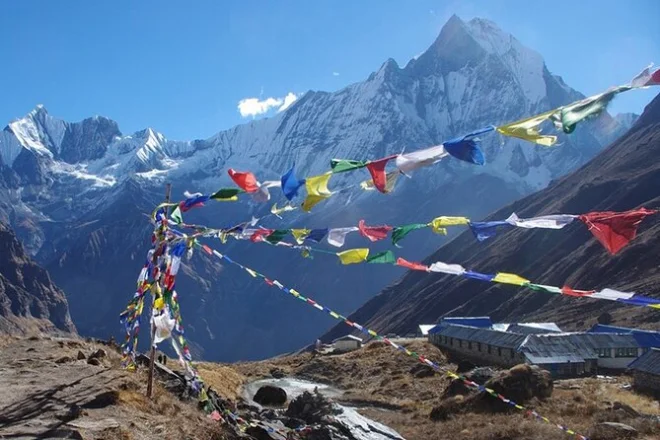
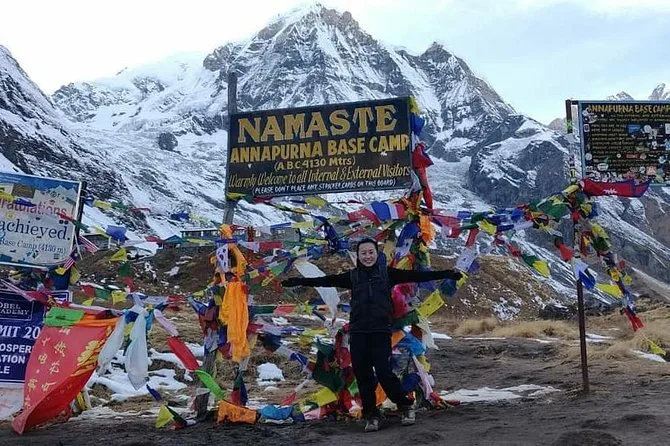
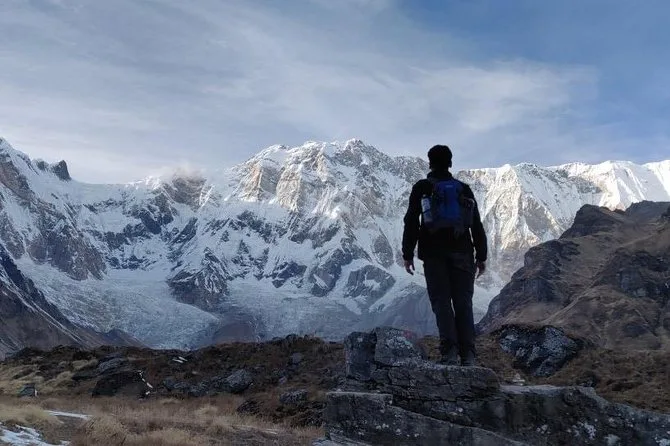
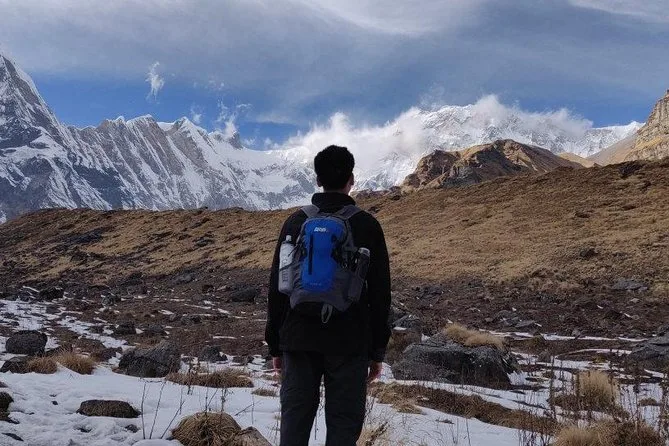
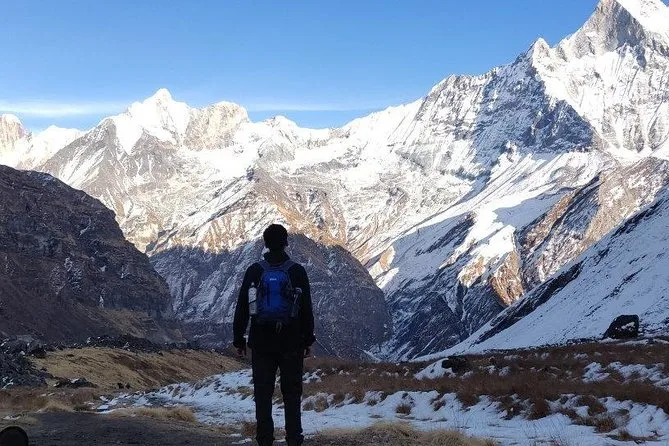
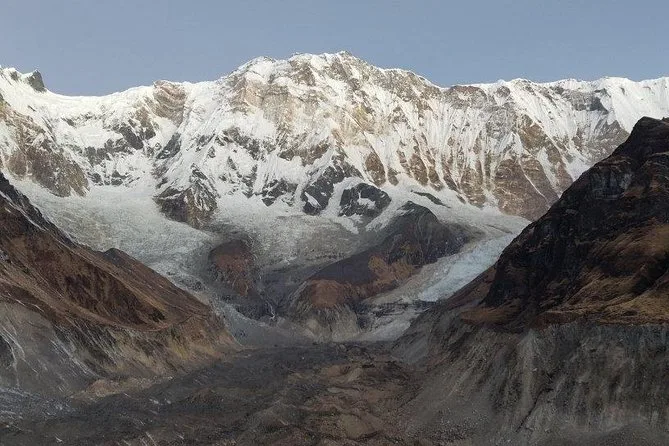
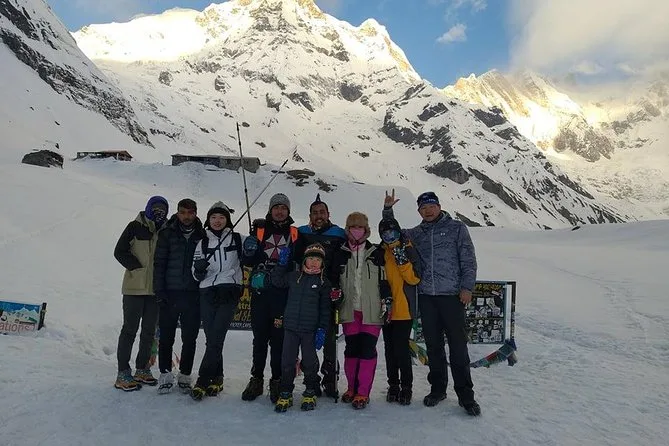
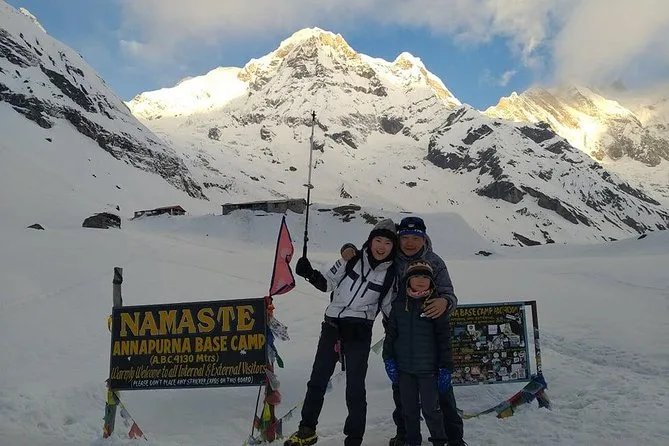
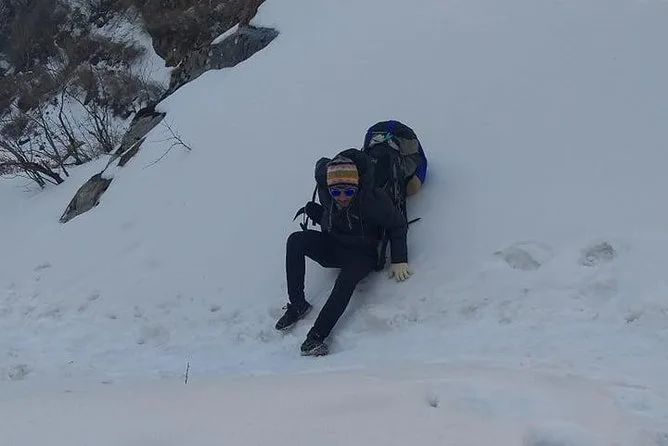
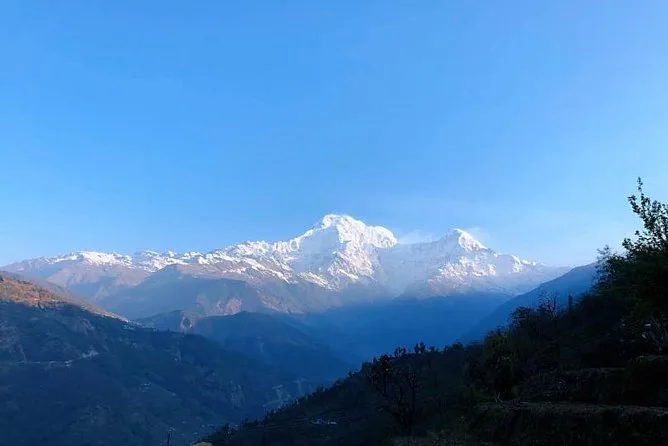
Climbing higher towards Annapurna Base Camp felt different—the air thinner, landscape more open. Our guide kept an eye on everyone for signs of altitude sickness (I carried Diamox just in case). The final approach opened up suddenly: snowy peaks all around, prayer flags snapping in cold wind. Standing at 4,170 meters surrounded by giants like Hiunchuli and Gangapurna—it’s hard not to feel small but lucky.
After sunrise at base camp (the glacier glows pink if you’re up early), we retraced our steps down to Bamboo village—a long walk but easier going downhill. The hot springs at Jhinu Danda were a welcome treat; soaking sore legs while listening to Modi Khola river rush past is something I’ll never forget.
The last stretch back toward Nayapul passed waterfalls tumbling beside terraced fields where farmers waved as we walked by. Back in Pokhara that evening, showers never felt so good—and neither did that first cold beer by the lakefront.
On our return drive to Kathmandu we passed cable cars heading up to Manakamana Temple—locals believe wishes come true there if you make the trip once in your life. Our farewell dinner featured spicy curries and folk music; dancers pulled us up until even our tired legs couldn’t resist joining in.
 13d
13d

Step-by-step itinerary
Day 1 — Arrival in Kathmandu
- Your arrival at Tribhuvan International Airport
- Transfer to hotel and meet trek members
Day 2 — Drive to Pokhara and Explore
- Drive from Kathmandu to Pokhara by tourist bus
- Evening walk around Fewa Lake
Day 3 — Drive to Nayapul and Trek to Tikhedhunga
- Drive to Nayapul
- Trek to Tikhedhunga via Birethanti
- Optional walk up Ulleri hill
Day 4 — Trek to Ghorepani
- Steep ascent to Ulleri village
- Trek through Magar villages to Ghorepani
Day 5 — Poon Hill Sunrise and Trek to Tadapani
- Early morning hike to Poon Hill for sunrise
- Trek from Ghorepani to Tadapani
Day 6 — Trek to Chhomrong Village
- Trek through forests and villages to Chhomrong
- Enjoy views of Annapurna ranges
Day 7 — Trek to Himalaya
- Descend and climb through forest trails to Himalaya
Day 8 — Trek to Annapurna Base Camp
- Trek through alpine forest to Annapurna Base Camp
- Enjoy panoramic Himalayan views
Day 9 — Descend to Bamboo
- Trek down from Annapurna Base Camp to Bamboo
Day 10 — Trek to Jhinu Danda Hot Springs
- Trek through forests to Jhinu Danda
- Relax at hot springs
Day 11 — Trek to Pokhara via Nayapul
- Trek down to Birethanti and Nayapul
Day 12 — Drive Back to Kathmandu
- Drive from Pokhara to Kathmandu by tourist bus
- Farewell dinner with cultural performance
Day 13 — Departure
- Transfer to airport for departure

Top questions

How difficult is the Annapurna Base Camp trek?
You don’t need climbing experience or special gear—just moderate fitness helps since there are lots of stairs and some long days walking (5-7 hours daily). Guides will pace things so everyone can manage comfortably.
What should I pack for this trek?
Bring layers for changing weather (it gets chilly higher up), sturdy shoes or boots, rain jacket just in case, sunscreen—even when it’s cloudy—and basic medicine for altitude or stomach issues if you’re prone. A duffle bag is provided for your main gear; keep snacks handy too!
Are vegetarian meals available during trekking?
Yes! Most teahouses offer vegetarian options—dal bhat (lentils & rice) is everywhere—and you can request special diets when booking so they’re ready for you along the way.
Is altitude sickness common on this route?
This trek climbs gradually so most people are fine if they take it slow and drink plenty of water—but carrying medicine like Diamox is smart if it's your first time above 3,000m.

What’s included
Your airport transfers are covered both ways; hotels in Kathmandu & Pokhara are included before/after trekking; all meals during trekking days plus a farewell dinner with live music; experienced local guides & porters carry your bags; permits handled for you; medical kit available on trek; vegetarian meals on request—just let us know your needs when booking!
 Super deal
  Free booking, free cancellation.
  Don't lose your place.


 Do you need help planning your next activity?
  +507 6792-0894


