
Marrakech Medina Walking Tour: Bahia Palace, Souks & Tombs

Guided Marrakech Old City Tour: Palaces, Markets & History
You’ll walk Marrakech’s winding streets with a real local guide: exploring palaces, hidden tombs, and lively souks. It’s more than sightseeing. It’s feeling the city’s pulse up close.
Compare the 12 alternatives
 Marrakech Medina guided tour: Koutoubia, Bahia Palace & souksEvery day · First departure 09:00, last 15:00★ 4.95 (99)3h–4hENUS$ 51View ›
 Marrakech Walking Tour: Bahia Palace, Mellah & SouksEvery day · 09:30 and 14:30★ 4.76 (25)3h–4hEN · ARUS$ 10View ›
 Marrakech Medina Walking Tour: Ben Youssef & Bahia PalaceEvery day · All ages★ 4.96 (71)3h 30mEN · IT · FR · ESUS$ 29View ›
 Marrakech Half-Day City Tour: Majorelle Garden & Bahia PalaceEvery day · 08:00, 08:30 and 13:30 · All ages★ 4.79 (1,537)3h–4hEN · AR · DE · FRUS$ 39View ›
 Marrakech City Tour: Morning & Afternoon Walking GuideEvery day · First departure 09:30, last 18:30 · All ages★ 4.90 (951)3h–4hENUS$ 29View ›
 Marrakech Half-Day Tour: Bahia Palace & Medina HighlightsEvery day · 10:00 and 14:00 · From age 3★ 5.00 (26)3hEN · DE · FR
 Private Marrakech City Tour: Medina, Souks & Bahia PalaceEvery day · 09:00, 10:00 and 14:00 · All ages★ 4.83 (555)3h–3h 30mEN · AR · FRUS$ 86View ›
 Marrakech Walking Tour: Bahia Palace & Ben Youssef EntryEvery day · 09:00 · From age 3★ 5.00 (9)3h 30mEN · ESUS$ 56View ›
 Marrakech Medina Walking Tour: Bahia Palace & MadrassaEvery day · 10:00 and 14:00 · Ages 18–90★ 5.00 (17)4hEN · FR
 Marrakech Medina: Ben Youssef & Bahia Palace Walking TourEvery day · First departure 09:00, last 15:00 · From age 3★ 4.53 (76)3h–4hEN · AR · FRUS$ 50View ›
 Marrakech Walking Tour: Bahia Palace, Ben Youssef & SouksEvery day · First departure 09:00, last 15:00★ 4.71 (75)4hEN · FRUS$ 17.13View ›
 Marrakech Walking Tour: Bahia Palace & Ben YoussefEvery day · 10:00 and 14:00 · All ages★ 4.98 (41)4hEN · AR · FRUS$ 15.98View › Compare more experiences like this »
Step-by-step itinerary
- Bahia Palace30m
- Ben Youssef Madrasa30m
- Jemaa el-Fna1h
Explore Marrakech's Historic Sites
- Visit Bahia Palace
- Explore Saadian Tombs
- Tour Ben Youssef Madrasa
- Shop at Jemaa el-Fna Souks
The experience
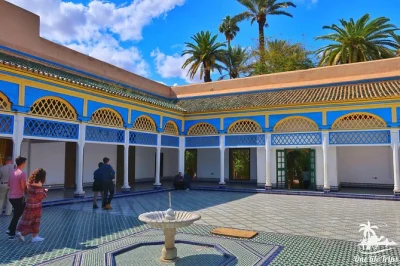
Right from the start, the city’s rhythm hits you. Our guide, Youssef, met us just outside the old city walls. He had that easy way of weaving stories into every corner we passed. The Bahia Palace came first. You step through its big wooden doors and suddenly it’s quiet, almost cool, even on a hot day. The scent of orange blossoms drifts in from the courtyard. Youssef pointed out tiny details in the tilework: little chips and faded colors that show just how many people have walked these halls since the 1800s. He told us about Si Moussa and his son Ahmed ben Moussa, and how the palace was built for Bahia, “the brilliant one.” I still remember the echo of our footsteps in those long corridors.
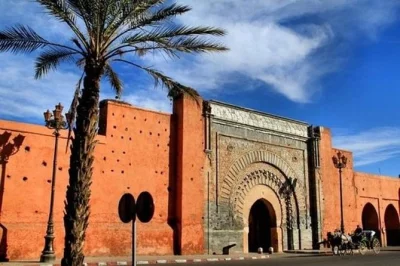
We wandered deeper into the medina, dodging carts and hearing snippets of French and Arabic from shopkeepers. The Saadian Tombs felt different: almost hidden behind a plain wall near the Kasbah Mosque. There’s this hush inside, even with other visitors around. Youssef explained how Sultan Moulay Ismail tried to erase the Saadian dynasty but left their tombs untouched out of respect. The tiles here are bright and geometric. I caught a whiff of incense as we stood by Lalla Messaouda’s resting place. It’s strange to think these tombs were lost for centuries until someone found them again in 1917.
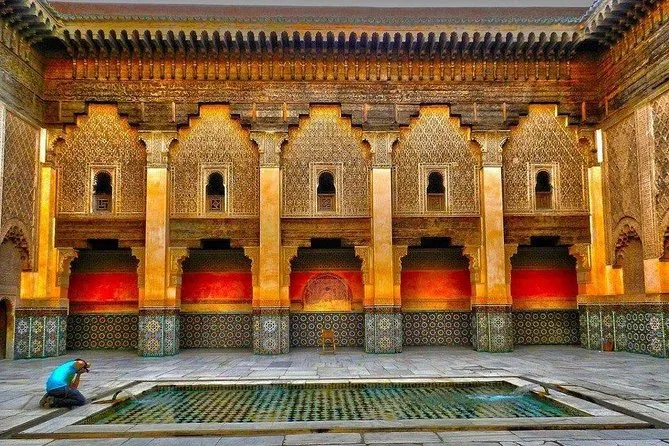
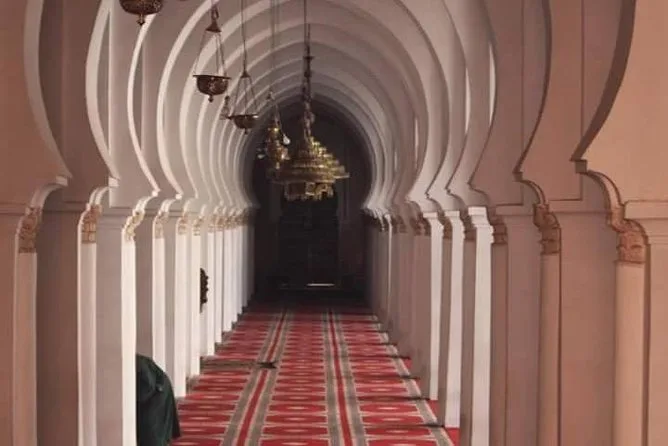
The Ben Youssef Madrasa was next. The entrance is easy to miss if you’re not looking for it. Just a bronze doorway tucked off a busy street. Inside, sunlight bounces off marble and mosaics. We climbed up to see where students once lived, tiny rooms circling a courtyard filled with birdsong. The guide showed us carvings in cedarwood that looked almost new, though they’re hundreds of years old. Downstairs, there’s a prayer room with three marble columns and a dome that glows when the light hits it right.
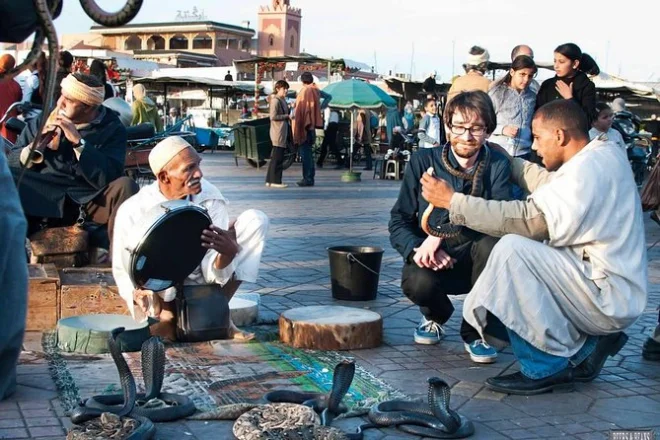
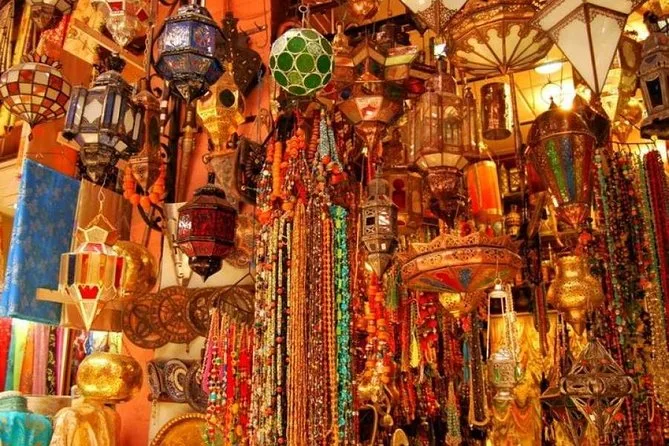
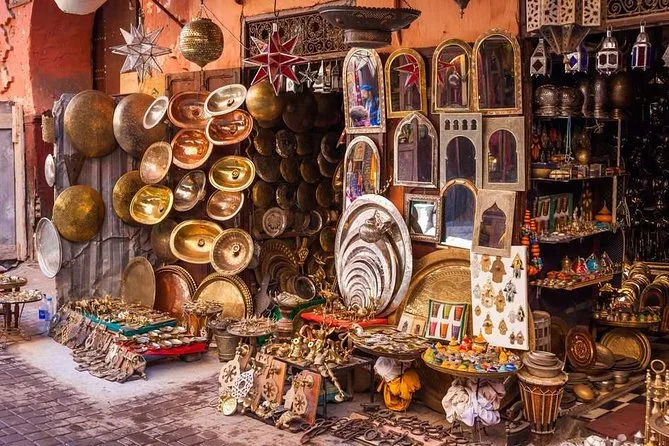
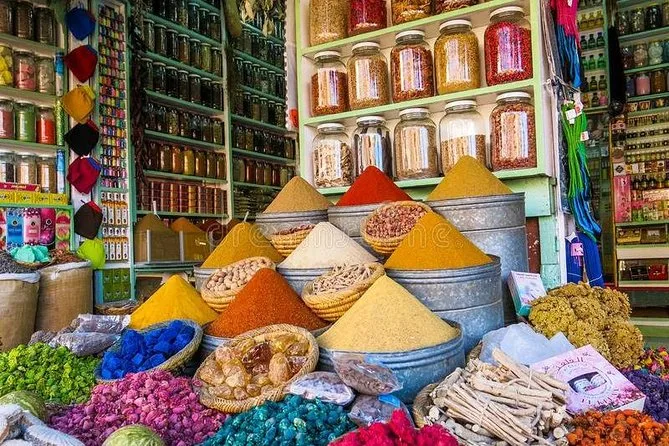
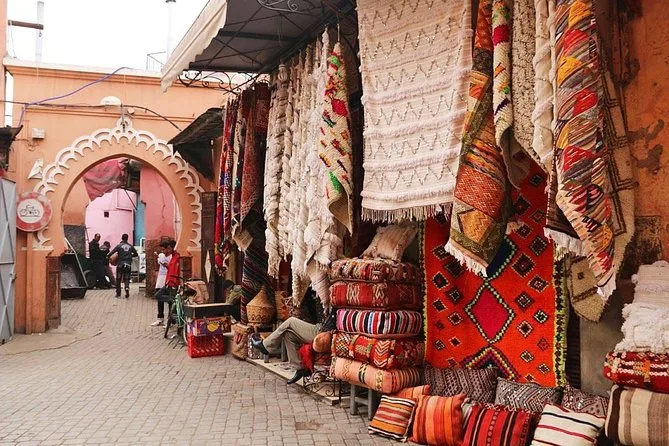
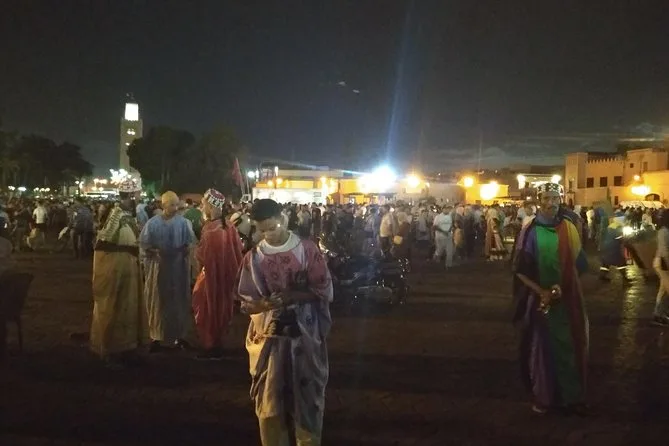
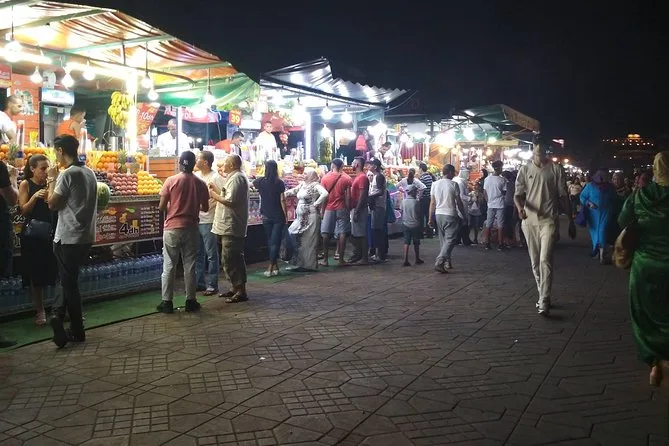
Last stop: Jemaa el-Fna square. The place is alive: snake charmers, juice stalls (the orange juice is cheap and cold), and that constant hum of voices. The souks spill out from every alley. You can smell spices (cumin, saffron) mixed with leather and grilled meat. Haggling is half the fun. Our guide gave us tips so we didn’t overpay for little souvenirs. By the end, my feet were tired but I felt like I’d really seen Marrakech, not just its famous sites but its daily life too.
What’s included
- Your entry tickets for Bahia Palace, Saadian Tombs, and Ben Youssef Madrasa are covered.
- You’ll get four hours with an official city guide who speaks your language: English, Spanish, or French.
- The walk is accessible for wheelchairs and strollers.
- Service animals are welcome too.
- Just bring comfy shoes and curiosity!.
Before you book
Prices and times updated yesterday
Operated by Gboo Morocco Tours
Traveler reviews
Top questions
What languages is the guide in?
Live guide in English, Spanish and French.
Can children come?
Yes. Ticket types: Child (1 to 12 years).
What happens if it rains?
It may be canceled due to bad weather. If that happens, you're offered another date or a refund. Free cancellation up to 24 h before the start.
Do we need to bring cash for entrance fees or tips?
No need for cash for entrances. It’s all included. Tips aren’t required but always appreciated if you enjoyed your guide.
Will we have time to shop in the souks?
You’ll have some free time at Jemaa el-Fna and in the markets. The guide can help you bargain or point out good stalls if you want.
Marrakech Medina Walking Tour: Bahia Palace, Souks & Tombs
4h · EN · ES · FR
from US$ 110 per person
4.4624 reviewsVerified traveler reviews via our booking provider