

 +507 6792-0894


9-Day Morocco Tour from Casablanca: Desert, Fez & Marrakech




Summary
Morocco Multi-Day Adventure: Sahara Desert, Blue City & Imperial Sights
You’ll wander ancient medinas, ride camels into glowing desert dunes, taste street food in blue-washed Chefchaouen, and discover Morocco’s hidden corners with local guides who know every shortcut and story along the way.

Landing in Casablanca, I spotted my name on a sign just past customs—always a relief after a long flight. Our driver had that easy way about him, chatting as we drove into the city. The air smelled faintly of the ocean mixed with car exhaust. That first night in Casablanca was mostly about catching up on sleep, but I remember the hum of traffic outside my hotel window and the call to prayer drifting in before dawn.
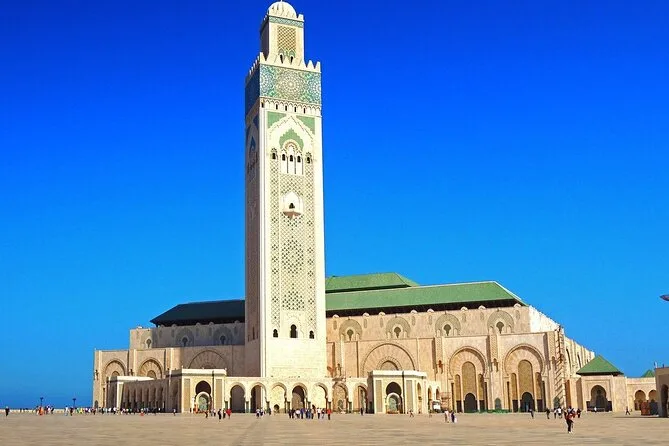
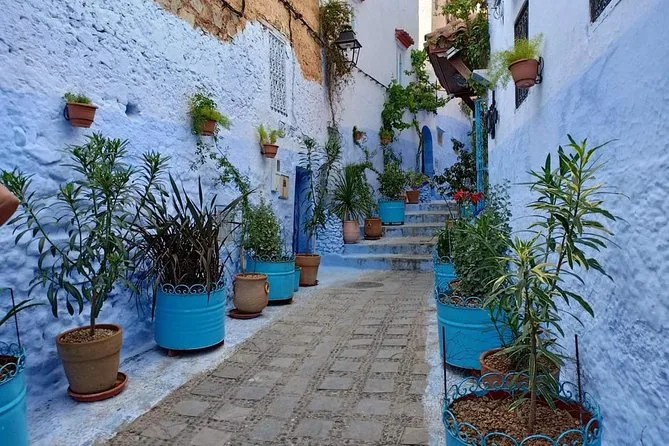
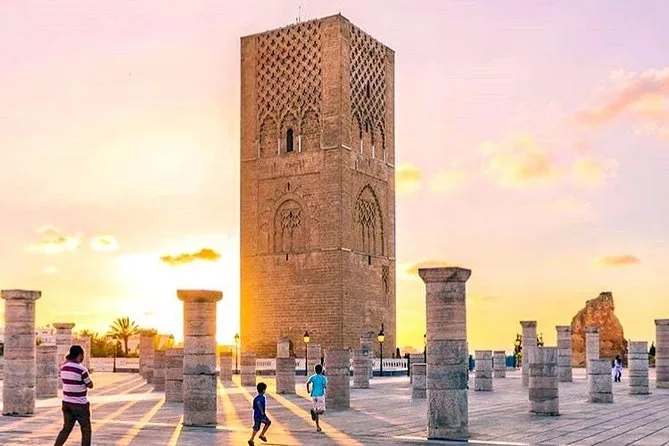
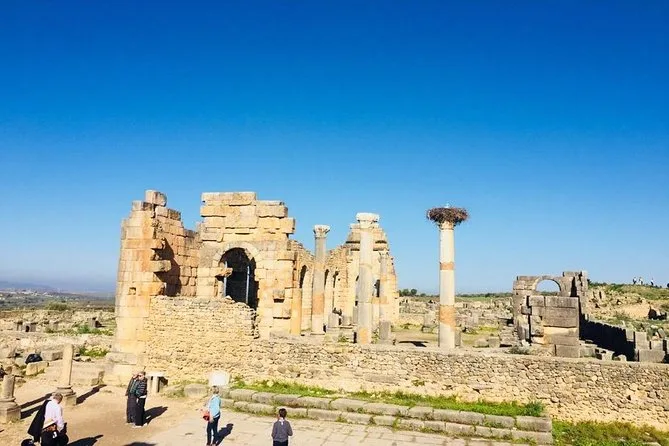
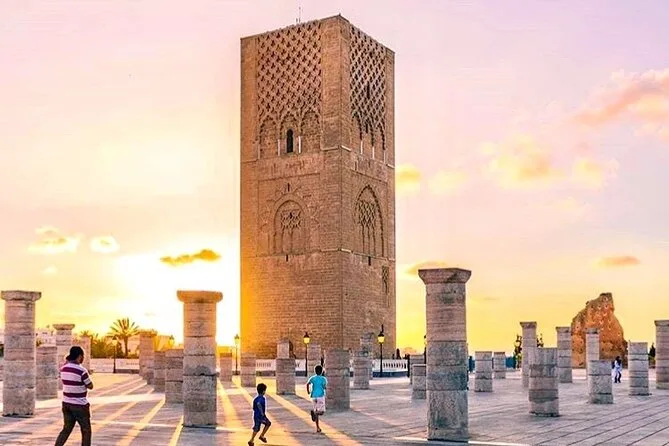
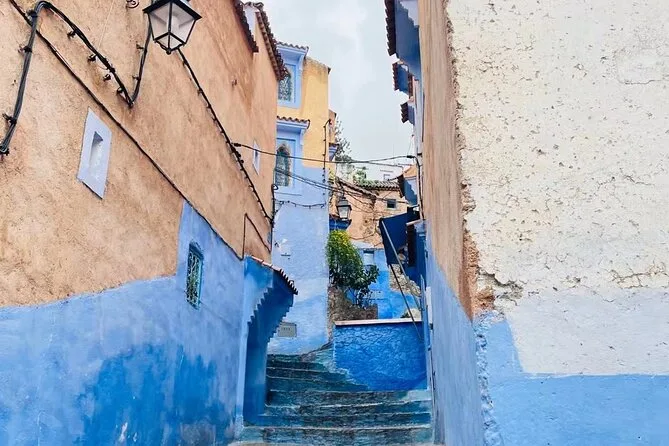
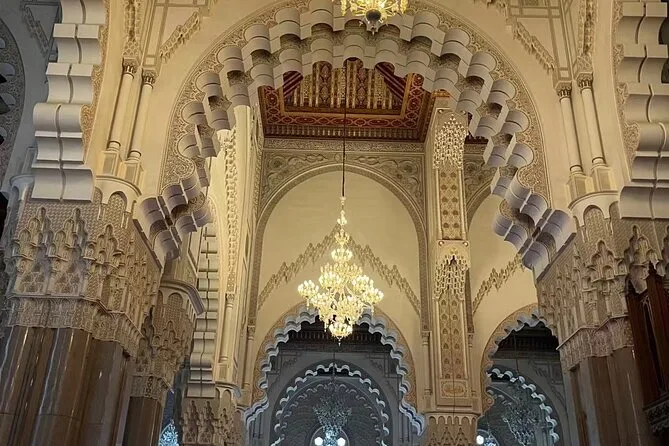
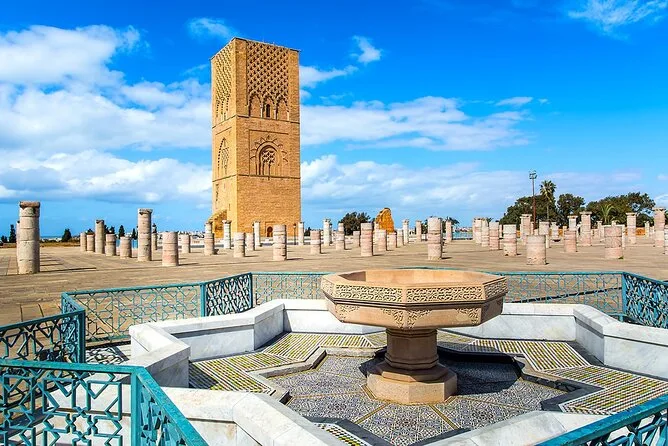
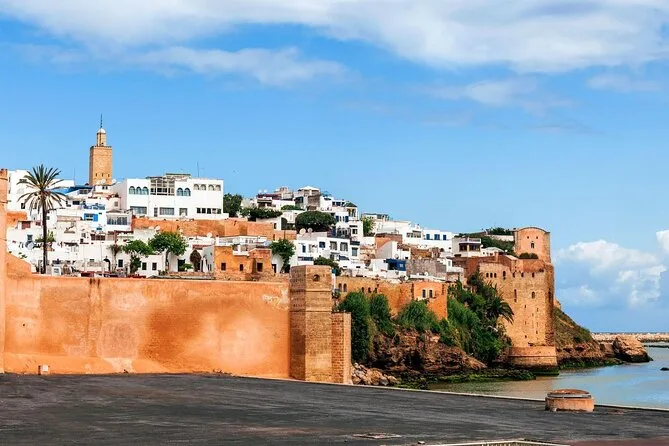
The next morning, we started at Hassan II Mosque. Even if you’re not big on architecture, it’s hard not to be impressed by how the Atlantic waves crash right up against its base. Shoes off, cool marble underfoot, our guide explained how it took thousands of craftsmen years to finish all those mosaics. From there, we headed north to Rabat—Morocco’s capital. The Hassan Tower stands unfinished but proud; nearby, storks nest on top of old walls. We wandered through Oudaya Kasbah’s blue-and-white lanes and grabbed mint tea at a tiny café overlooking the river. By late afternoon, Chefchaouen appeared like something out of a dream—all faded blues and sleepy cats lounging in doorways. Dinner was simple: grilled sardines from a street vendor near Ras el-Maa waterfall.
Chefchaouen is best explored early when the alleys are quiet and shopkeepers sweep their stoops. I got lost more than once among the blue-washed walls—no one seemed to mind. Outa el Hammam square was already busy by mid-morning with locals sipping coffee under orange umbrellas. After lunch (try the goat cheese salad), we drove through winding mountain roads toward Fez. It’s a longer drive than you’d think—three hours or so—but watching the landscape shift from green hills to city lights kept me awake.
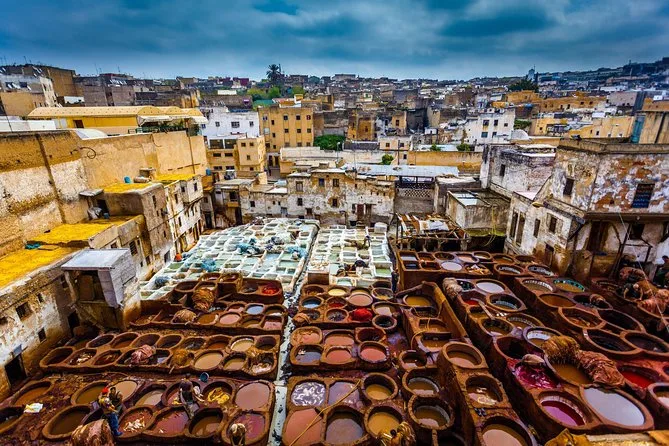
Fez is a maze—no other word for it. Our local guide grew up here and knew every shortcut through the medina’s narrow lanes. We peeked into leather tanneries (the smell hits you before you see them), visited Al Qaraouine University (older than Oxford!), and stopped at a tile workshop where artisans still shape zellige by hand. Lunch was chicken tagine with preserved lemon at a spot tucked behind a wooden door—easy to miss if you’re not looking.
The road south from Fez winds through Ifrane—a place that looks oddly Swiss with its red roofs and clean streets—and then into cedar forests near Azrou where Barbary apes dart between trees hoping for snacks from passing cars. Lunch in Midelt felt like a pit stop; nothing fancy but hearty lamb stew did the trick. As we crossed Tiz Ntalghamt pass, the air turned dry and warm—the first real hint of desert ahead. By late afternoon, palm groves lined the Ziz Valley and suddenly Merzouga’s dunes rose out of nowhere.
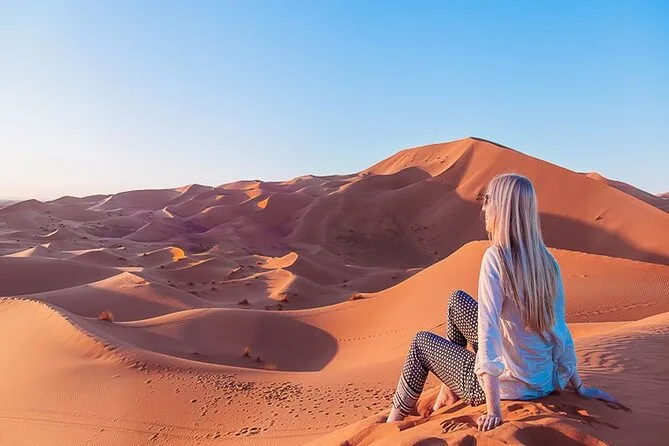
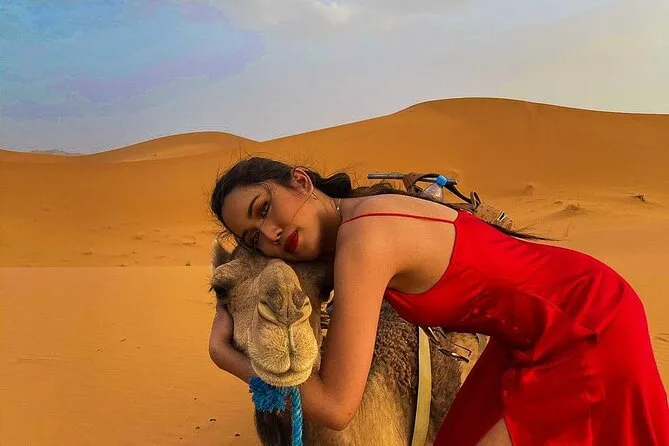
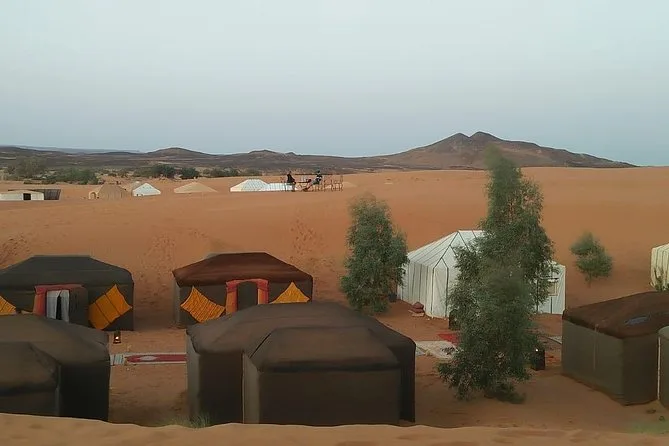
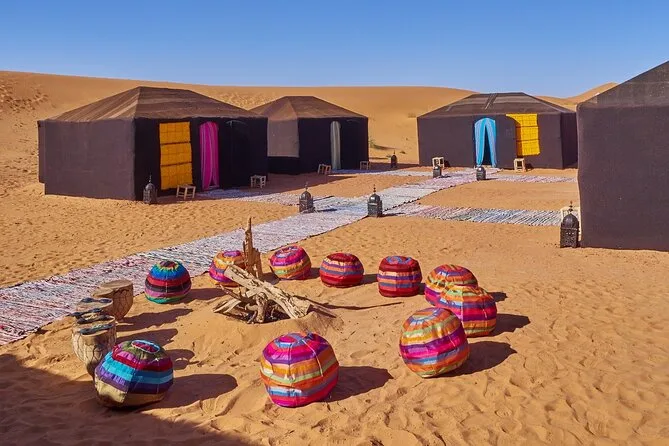
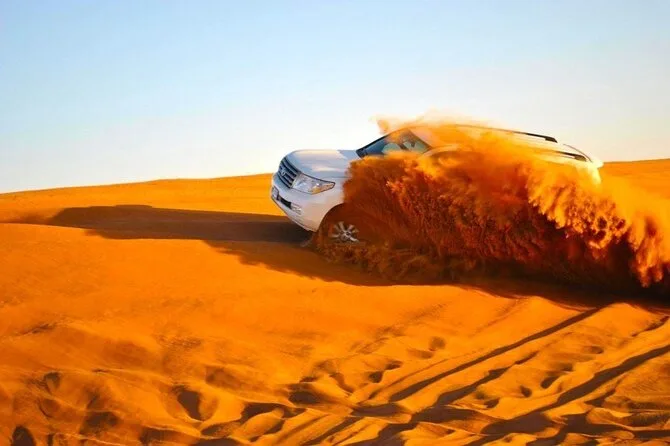
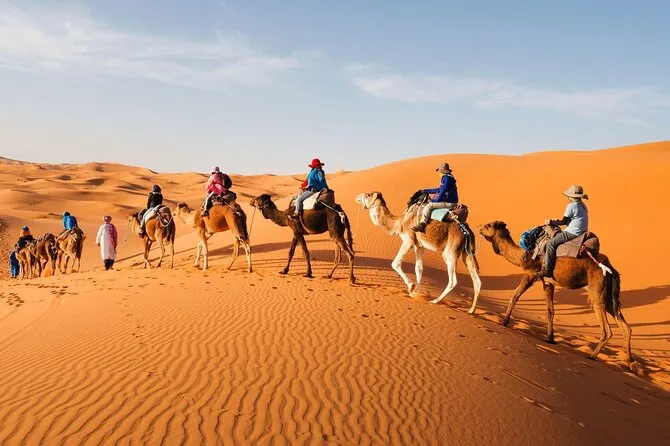
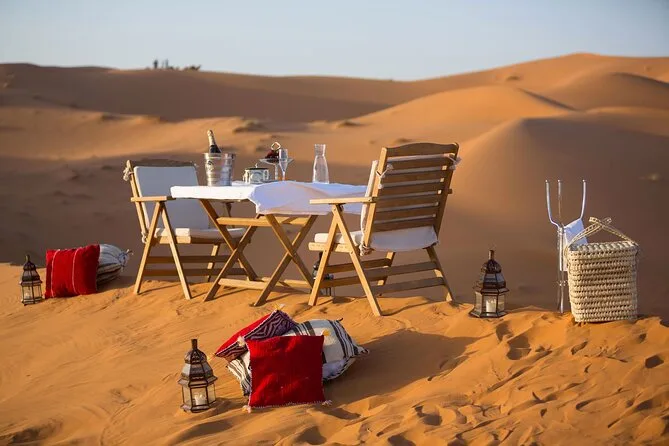
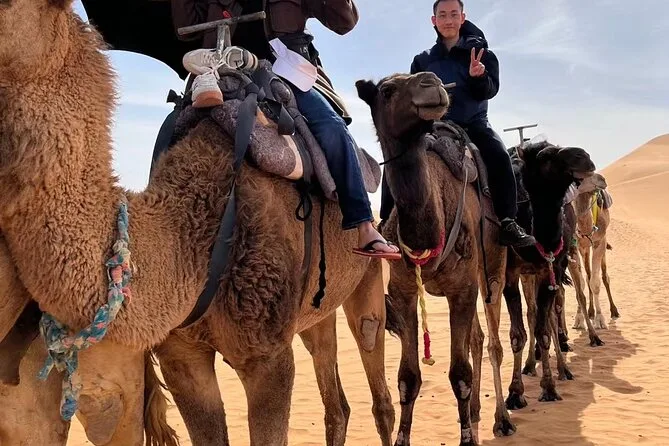
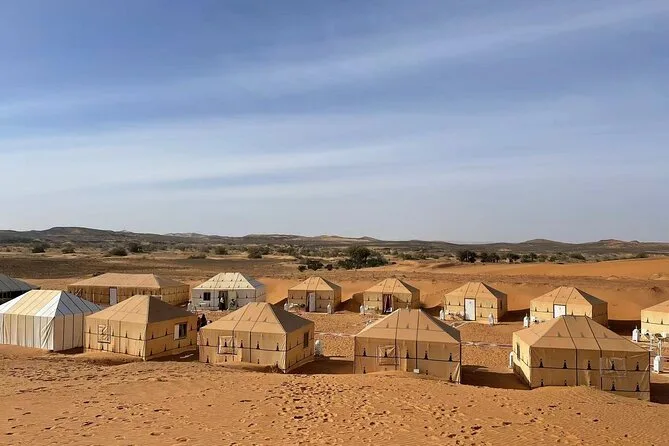
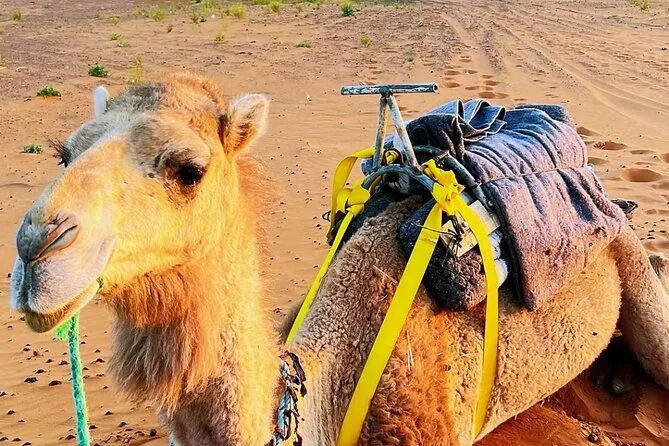
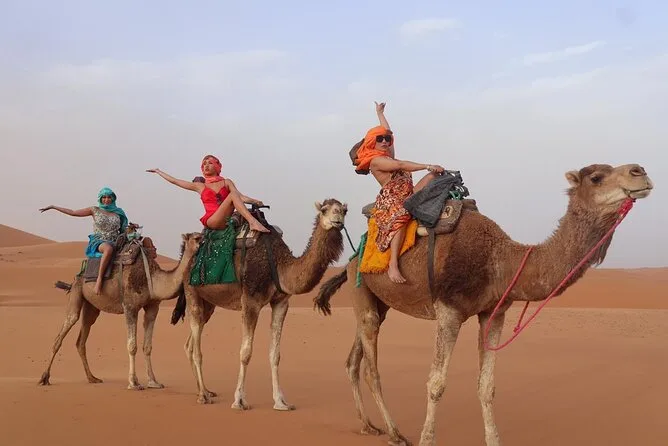
Arriving in Merzouga felt surreal—the sand glows orange at sunset and you can hear almost nothing except wind moving across the dunes. After sweet mint tea at camp, we climbed onto camels for a slow trek into the Sahara as dusk fell. That night in a Berber tent was quieter than any hotel—just distant drums and stars overhead.
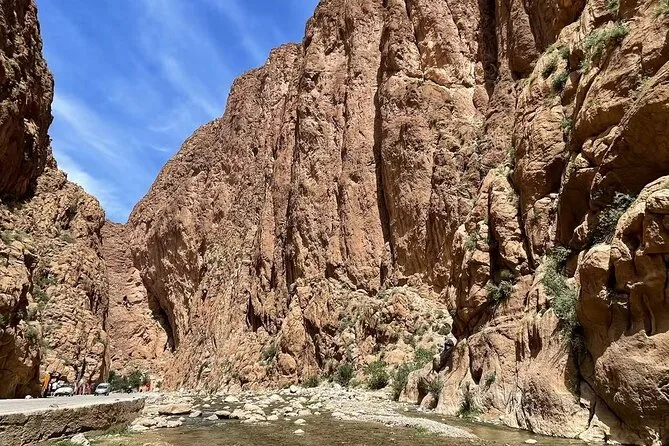
Sunrise over Erg Chebbi is worth waking up for—even if sand gets everywhere (and I mean everywhere). Back in Merzouga village after our camel ride, breakfast tasted extra good: fresh bread still warm from the fire and strong coffee that cut through last night’s chill. The drive west took us through Rissani’s market (dates piled high), then into Todra Gorge where sheer cliffs rise on both sides and climbers dangle above your head if you look up at just the right time.
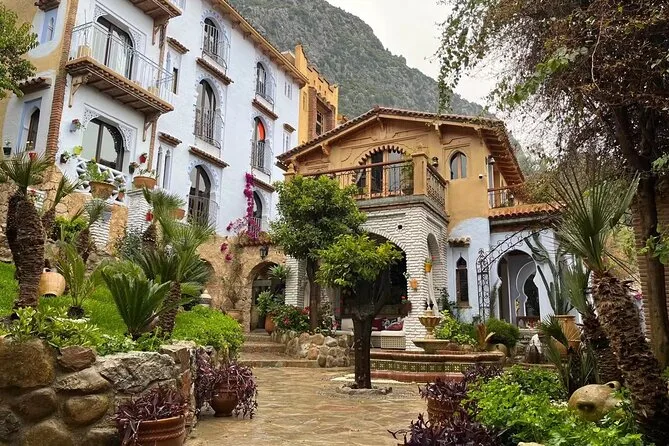
Dades Valley surprised me—the rock formations really do look like monkey toes if you squint—and our guesthouse overlooked fields of pink roses just starting to bloom in springtime. Dinner was homemade couscous served family-style; everyone swapped stories about their favorite part of the day.
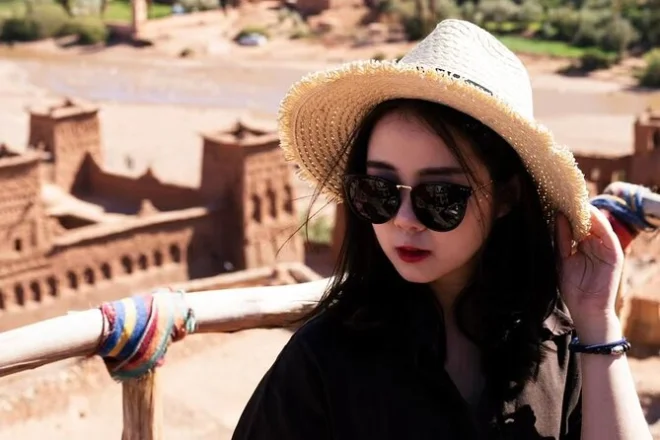
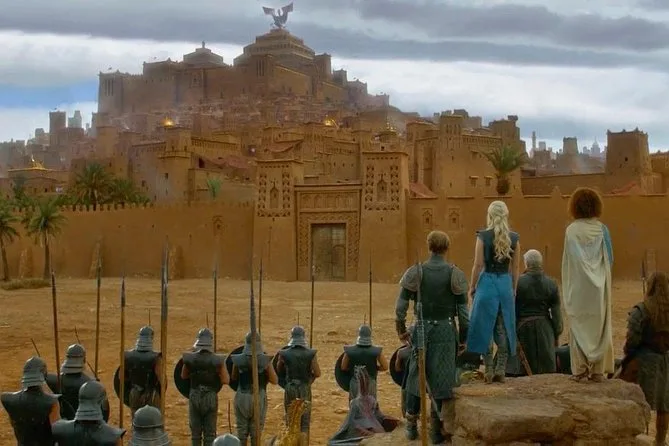
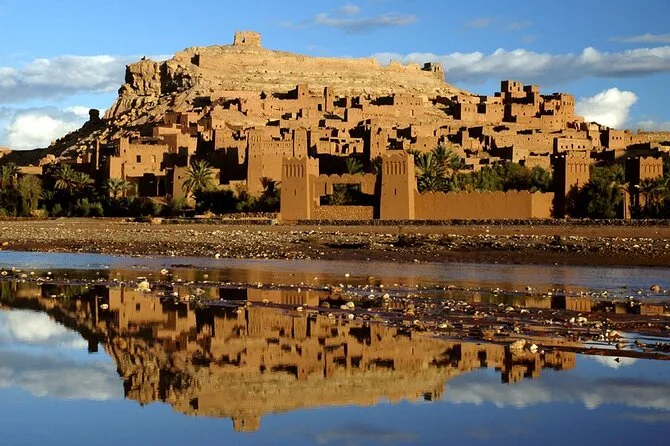
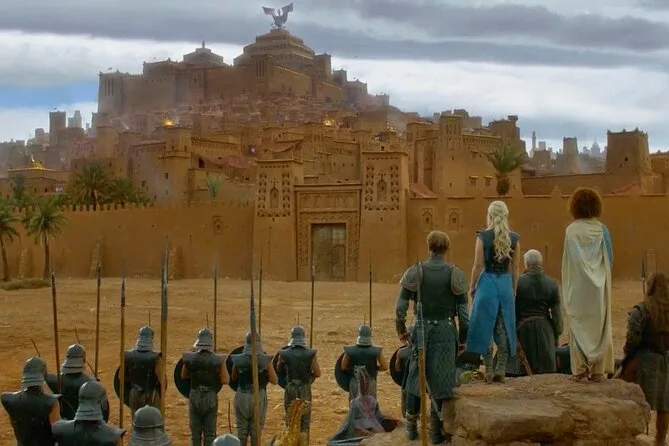
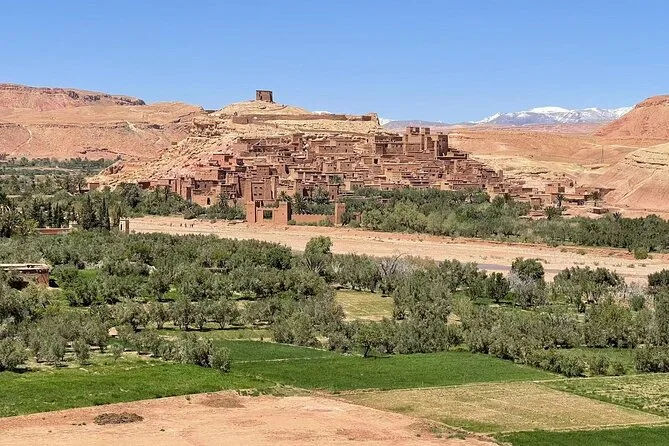
The road toward Ouarzazate is called “the way of a thousand kasbahs” for good reason—you’ll lose count after a while. Kalaat M’Gouna smells faintly of roses in May; I picked up rosewater from a women’s cooperative that still scents my pillowcases back home. Ouarzazate itself feels cinematic (they filmed Gladiator here), but Ait Ben Haddou steals the show—a mud-brick fortress perched above a dry riverbed where kids play soccer at sunset.
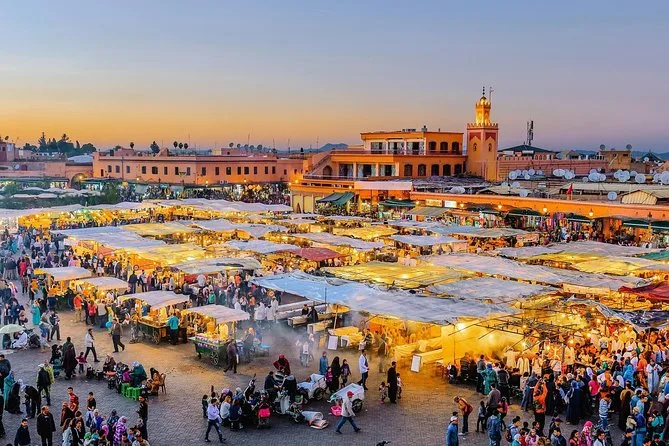
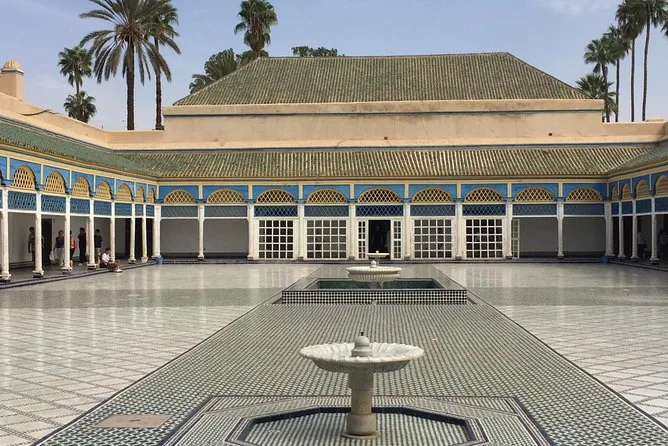
Crossing Tizi n’Tichka Pass into Marrakech takes you high above valleys dotted with argan trees (we stopped at a roadside cooperative where Berber women cracked nuts by hand). Marrakech itself buzzes with energy: snake charmers in Jemaa el-Fnaa square, tiled courtyards in Bahia Palace, bursts of color in Majorelle Gardens. Our guide made sure we didn’t miss anything important but left us time to wander too—I found myself bargaining for spices in a souk before getting lost (again) in backstreets filled with laughter and mopeds zipping by.
 9d
9d

Step-by-step itinerary
Day 1 — Arrival and Casablanca City
- Arrival at Casablanca Airport
- Transfer to hotel in Casablanca
Day 2 — Casablanca, Rabat and Chefchaouen
- Visit Hassan II Mosque in Casablanca
- Tour Rabat: Hassan Tower, Bab Challah, Mausoleum of Mohammed V, Royal Palace gate, Oudaya Kasbah
- Explore Chefchaouen blue alleys and Ras el-Maa Waterfall
Day 3 — Chefchaouen Exploration and Travel to Fez
- Free morning in Chefchaouen visiting medina and landmarks
- Travel to Fez and check in hotel
Day 4 — Fez City Tour
- Visit Fez: Royal Palace gate, Jewish quarter, Al Qaraouine University, Tanneries, Moulay Idriss mausoleum, tile cooperative, panoramic medina view
Day 5 — Fez to Sahara Desert via Midelt
- Travel from Fez to Ifrane
- Visit cedar forest and Barbary apes near Azrou
- Travel through Tiz Ntalghamt pass and Ziz Gorge
- Arrive Merzouga, welcome tea, camel ride to Sahara camp
Day 6 — Sahara Sunrise and Todra Gorges
- Camel trek at sunrise in Erg Chebbi dunes
- Travel to Todra Gorges and visit
- Drive through Dades Valley, see rock formations
Day 7 — Dades Valley to Marrakech via Ouarzazate
- Travel through Dades Valley and rose valley cooperative
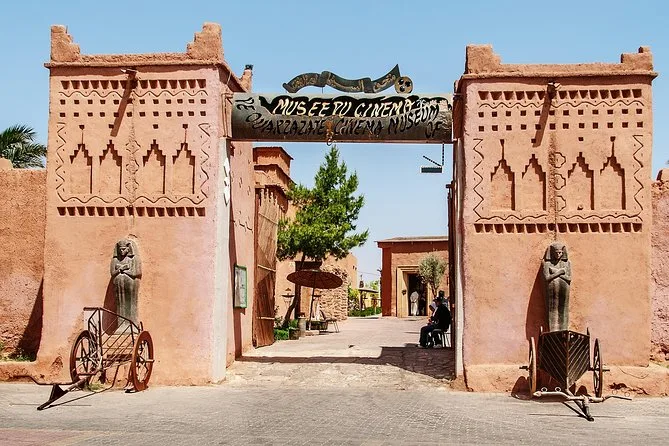
- Visit Ouarzazate Kasbah and Cinema Museum
- Tour Kasbah of Aït Ben Haddou
- Drive over Tizi n’Tichka Pass, visit argan oil cooperative
Day 8 — Marrakech Sightseeing
- Explore Marrakech: Majorelle Gardens, Koutoubia Tower, Saadian tombs, Bahia Palace, souks
Day 9 — Departure Transfer
- Transfer to Casablanca or Marrakech Airport

Top questions

Is this Morocco tour suitable for families with young children?
Yes! Infants and small children can join—the vehicles are stroller-friendly and infant seats are available upon request.
How physically demanding is the camel ride in Merzouga?
The camel ride is gentle but not recommended for travelers with back or heart issues or during pregnancy due to bumpy terrain.
Are meals included during this 9-day Morocco tour?
Breakfasts are included daily; some dinners are provided (like in Dades Valley and Sahara camp). Lunches are usually at local cafés or restaurants along the route.
Can I choose between Casablanca or Marrakech airport for departure?
Yes—you can end your tour at either Casablanca or Marrakech airport depending on your flight schedule.
Will there be free time to explore on my own?
Definitely! There’s free time built into Chefchaouen, Marrakech, and other stops so you can wander or relax as you like.

What’s included
This tour covers airport transfers, all transportation in an air-conditioned vehicle, guided tours in Fez and Marrakech, your camel trek into the Sahara (with an overnight in a Berber tent), plus comfortable hotel stays each night along the route.
 Super deal
  Free booking, free cancellation.
  Don't lose your place.


 Do you need help planning your next activity?
  +507 6792-0894


