

 +507 6792-0894


Evening Campeche City Tour: Historic Center, Forts & Dinner
 5h 15m
 5.00
(3 reviews)
5.00
(3 reviews)











Summary
Explore Campeche’s Colonial Walls and Local Cuisine at Night
You’ll walk ancient walls, peek into hidden museums, and end your evening sharing real Campechano flavors in a lively square where locals gather nightly. This tour isn’t just about sights—it’s about stories you can taste and moments you’ll remember long after you leave.

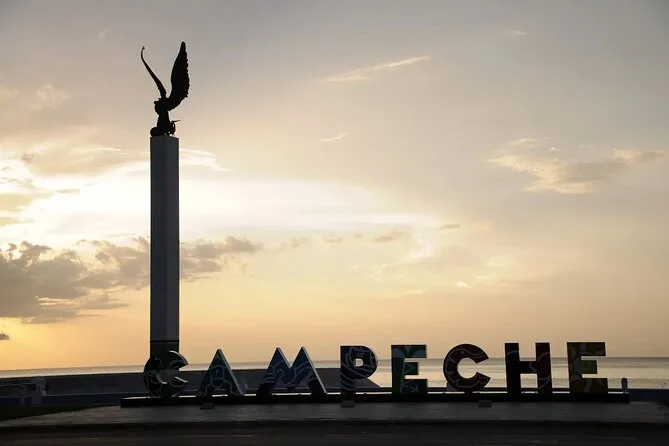
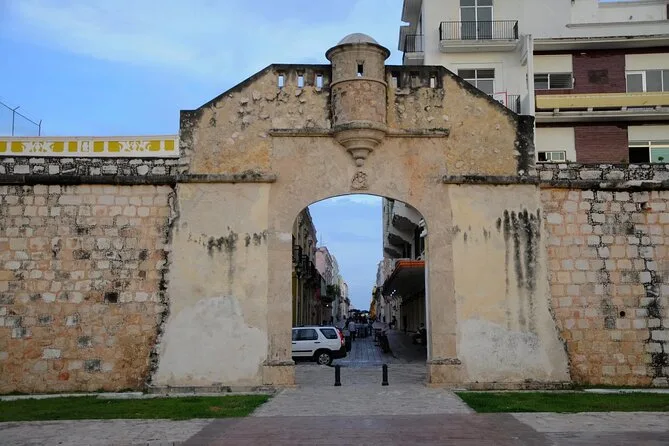
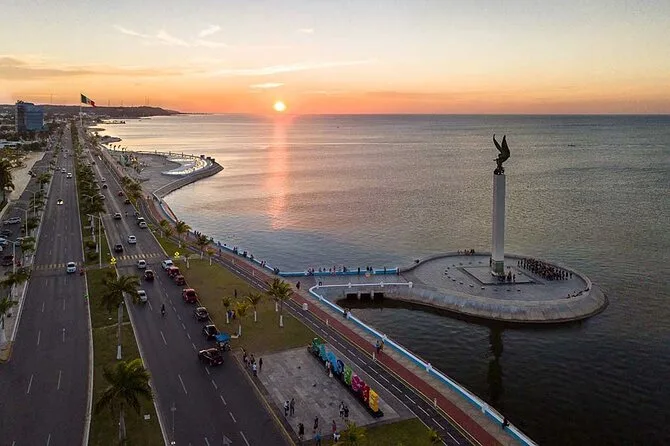
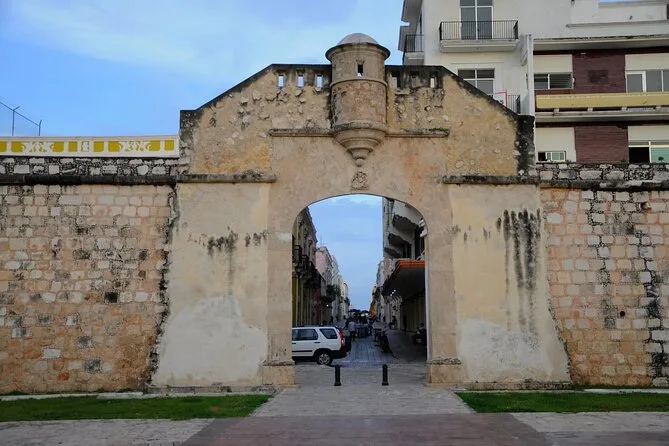
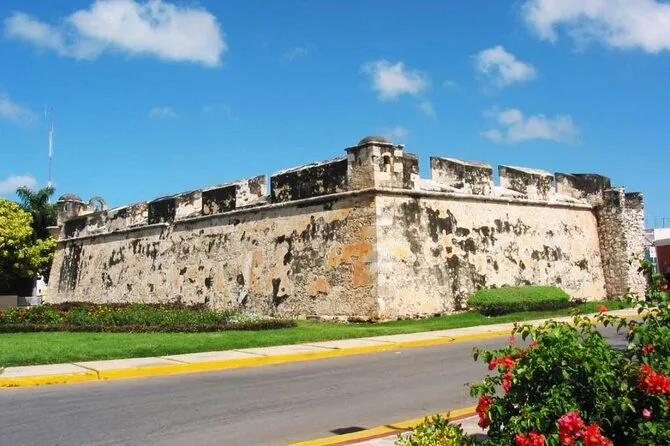
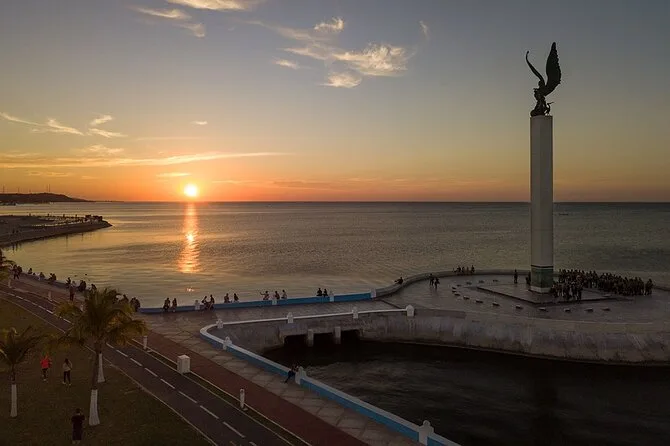
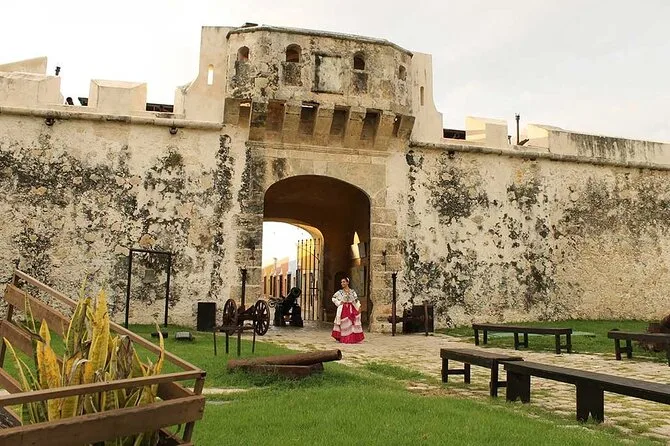
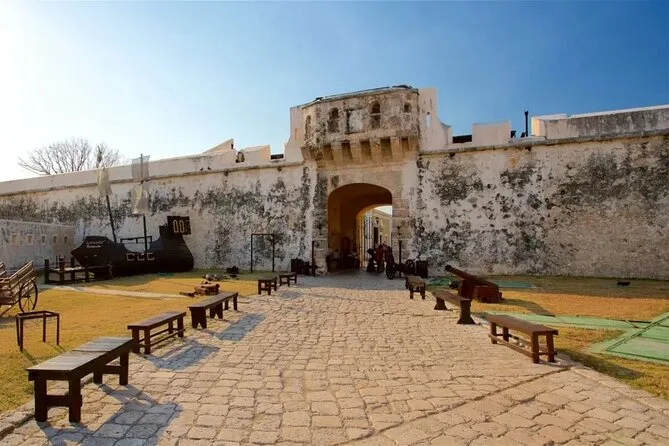
The first thing that hit me as we reached the Puerta de Mar was the salty breeze from the Gulf—kind of bracing after a warm afternoon. Our guide, Javier, pointed out the thick stone archway and explained how this gate once kept pirates at bay. You can still see marks on the old stones if you look closely, where centuries of wind and rain have left their mark. It’s right by the sea, so you’ll hear gulls overhead and sometimes catch a whiff of grilled fish from nearby food stalls.
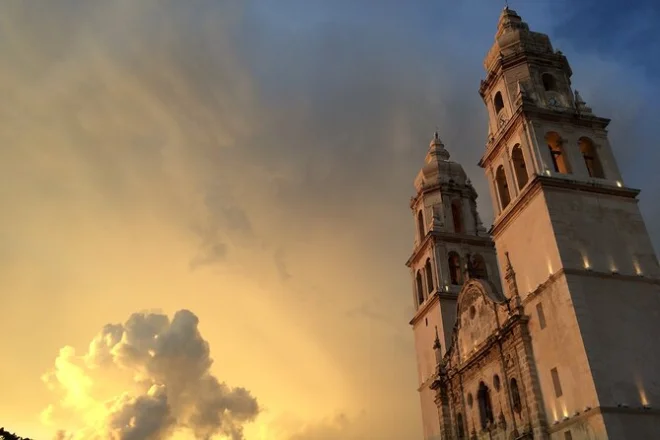
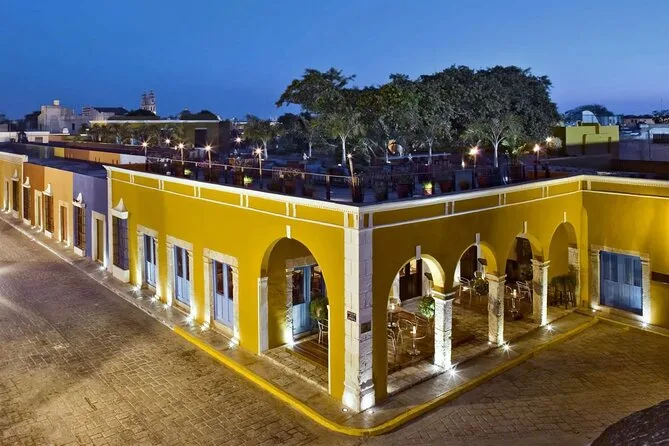
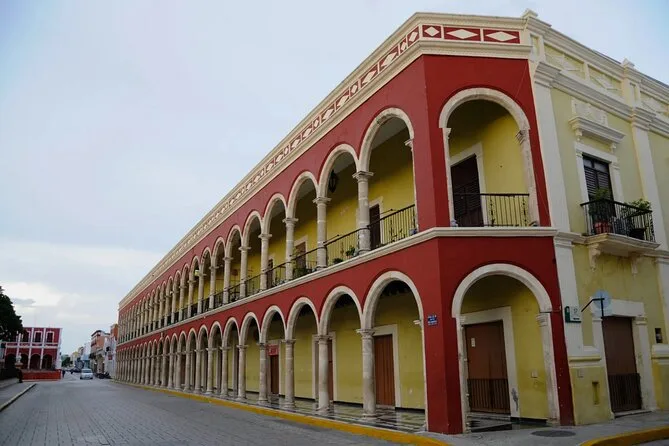
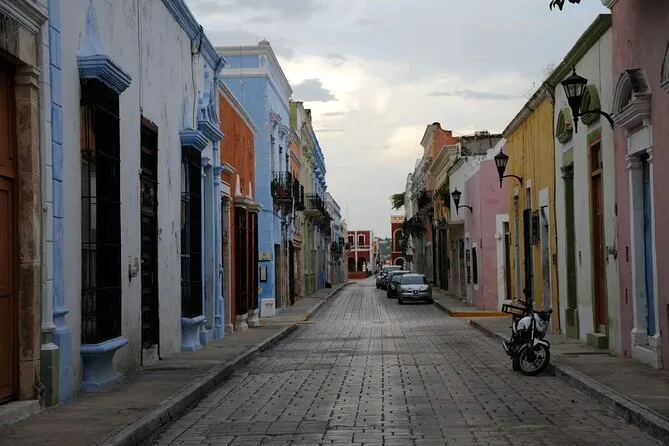
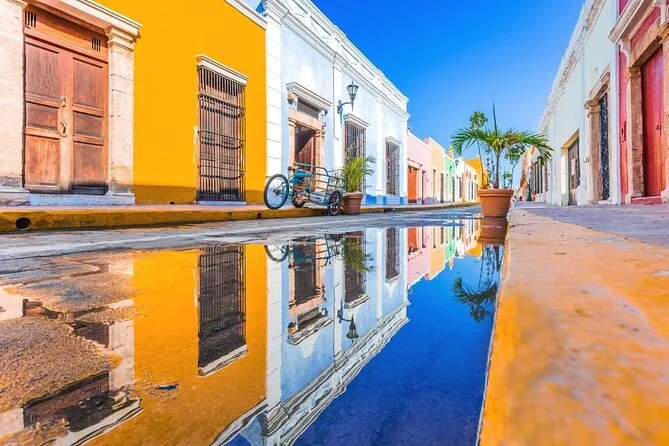
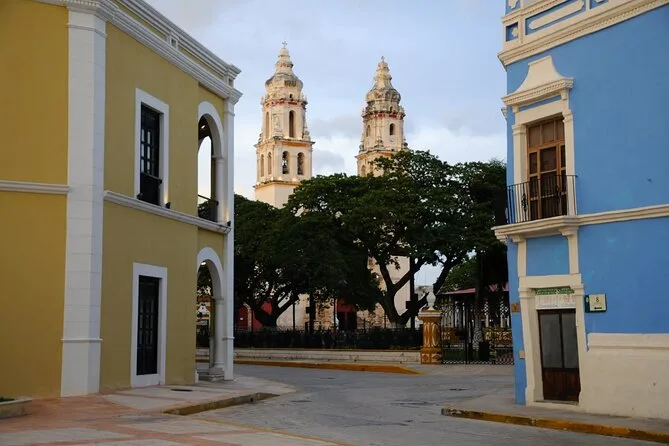
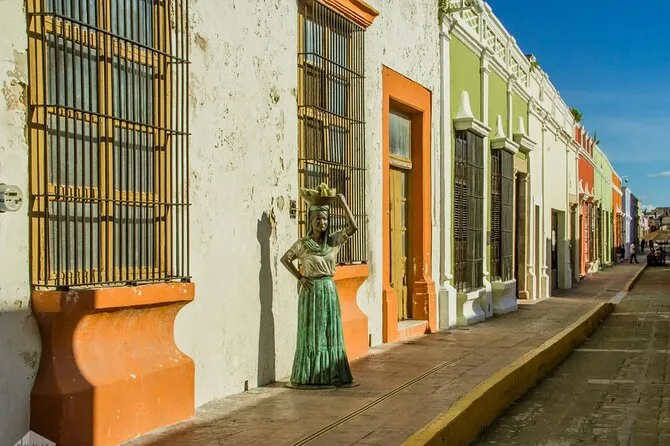
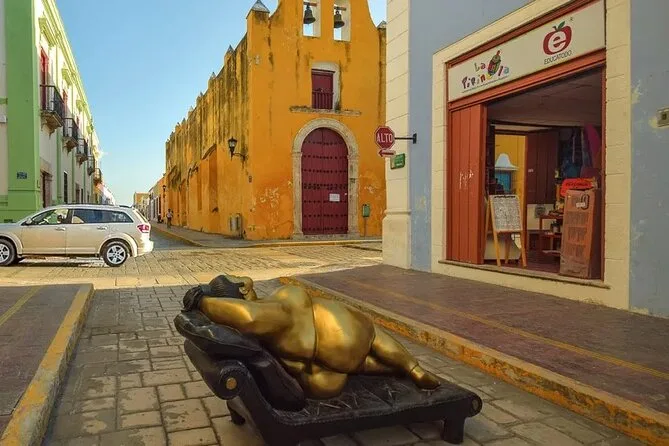
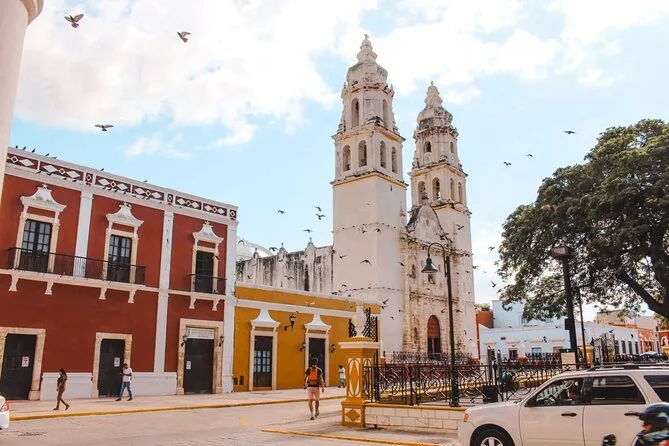
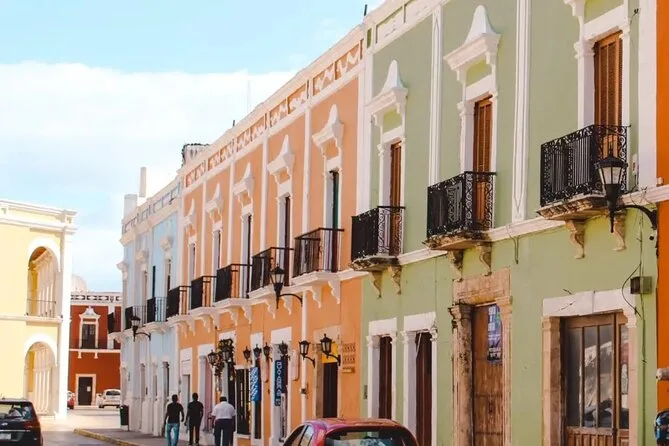
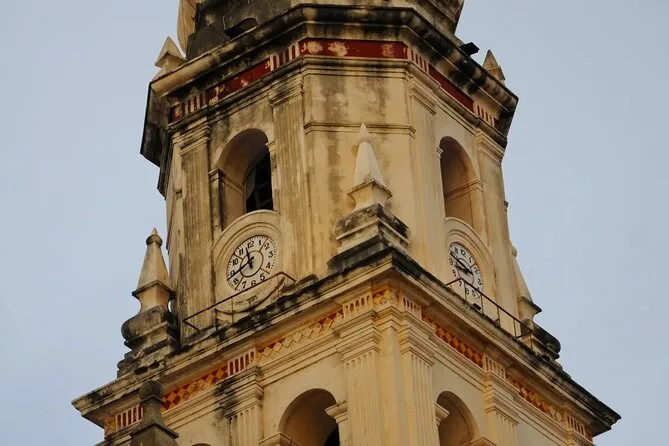
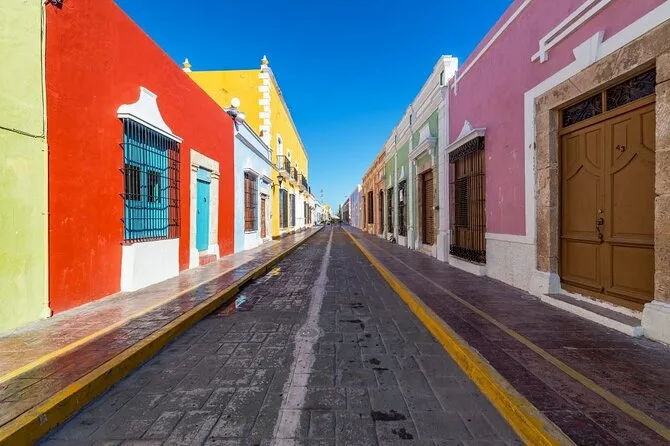
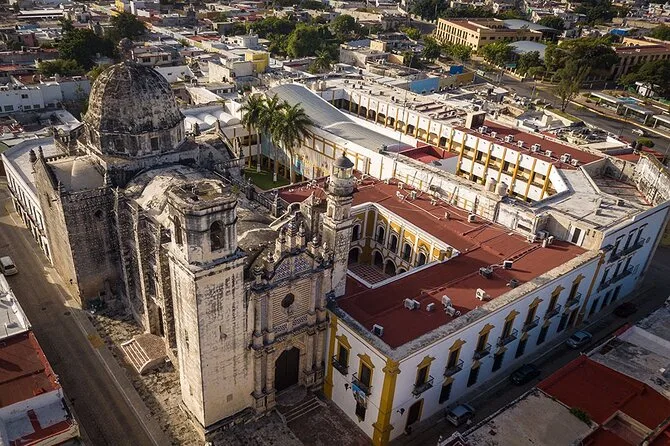
We wandered into the historic center just as the sun started dipping low, painting everything in gold and pink. The streets are narrow and uneven—watch your step—and every corner seems to hide another pastel-colored building or tiny chapel. Javier reminded us to keep an eye on pick-up times; they start about half an hour before the tour itself kicks off, which is handy if you’re staying outside the old town.
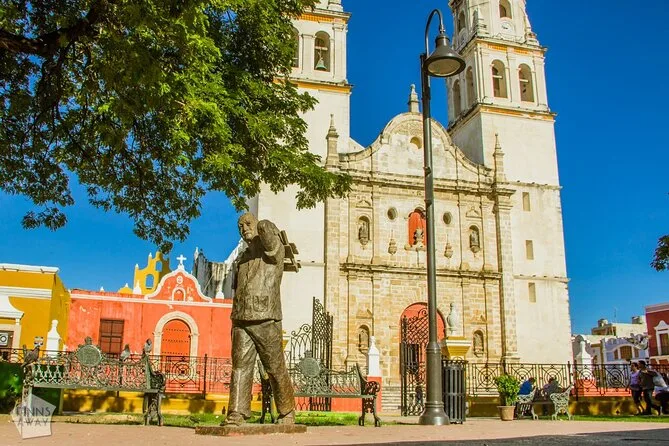
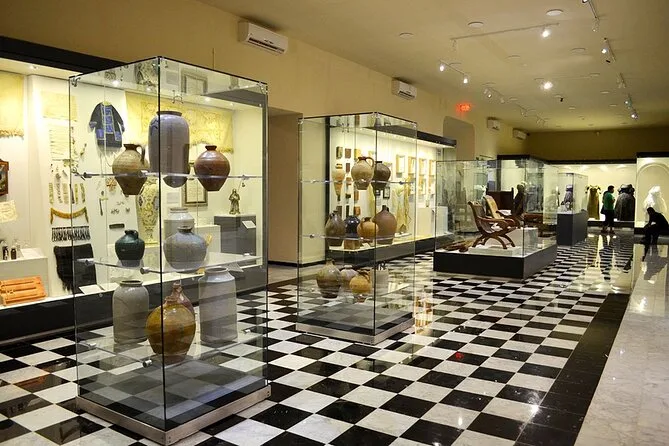
The El Palacio Museum sits right on the main square. Inside, it’s cool and quiet—such a relief after walking under that sticky Yucatán heat. The exhibits cover everything from Maya artifacts to colonial-era paintings. I loved seeing old maps of Campeche; they’re tucked away in a side room most folks miss unless you ask.
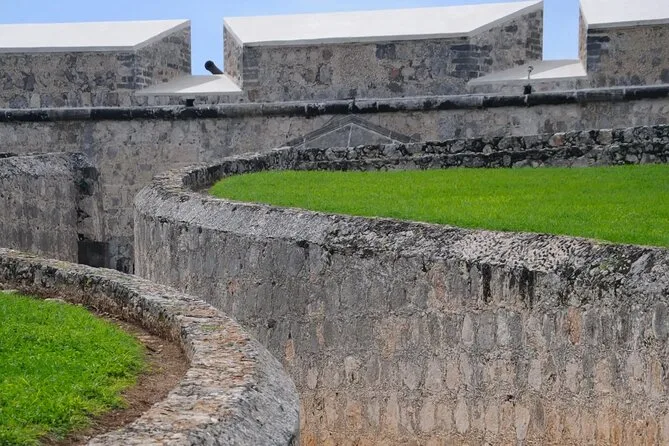
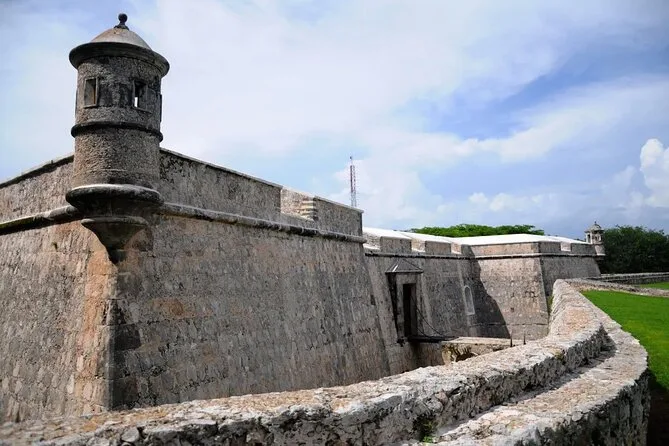
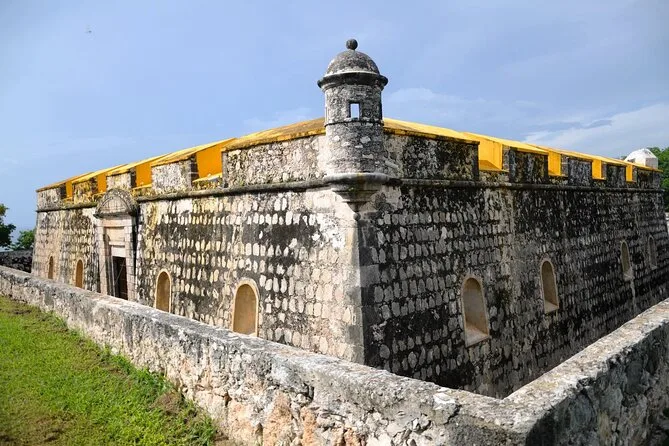
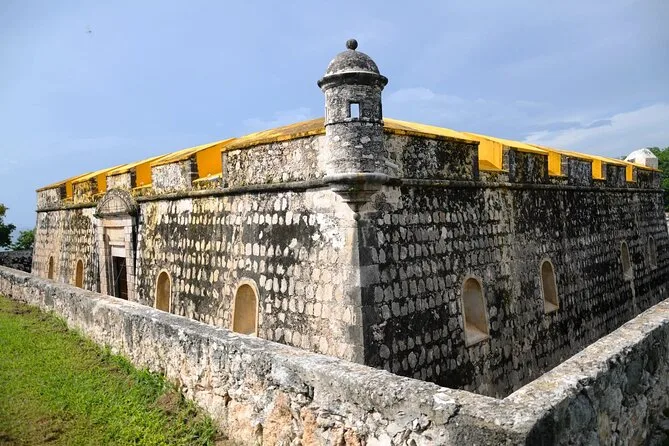
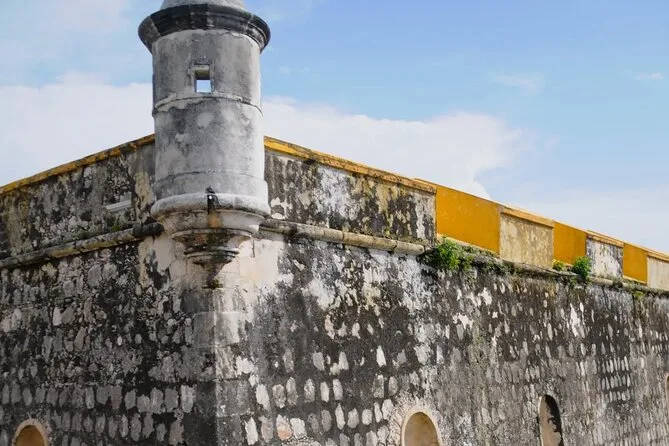
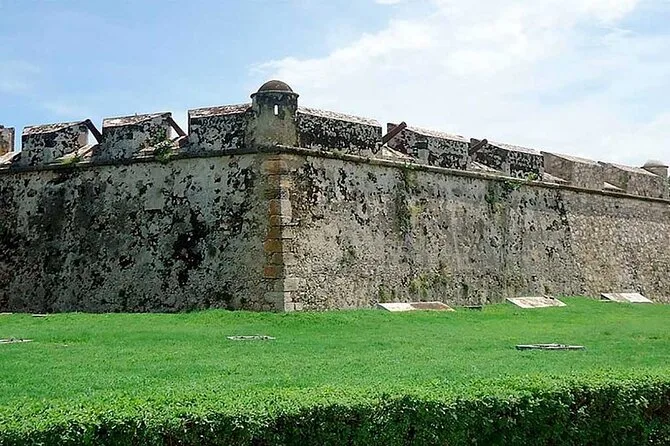
Next up was Fort San Miguel, perched high above town with thick walls that feel almost impossible to scale. The museum inside has some real treasures: jade masks from Calakmul, ancient pottery, even weapons used against pirates. The view from up here is something else—you can see all the way out to sea if there’s no haze.
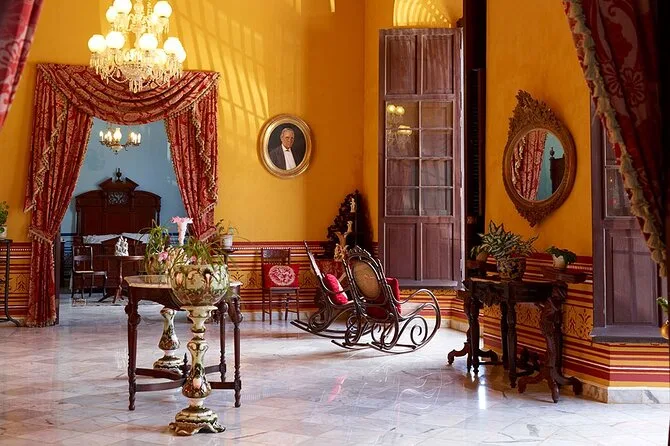
Casa No. 6 is a restored colonial home right in the heart of town. Walking through its rooms feels like stepping back in time; there’s creaky wooden floors and heavy furniture that looks like it hasn’t moved in decades. The kitchen still smells faintly of spices—maybe clove or cinnamon—from some earlier demonstration.
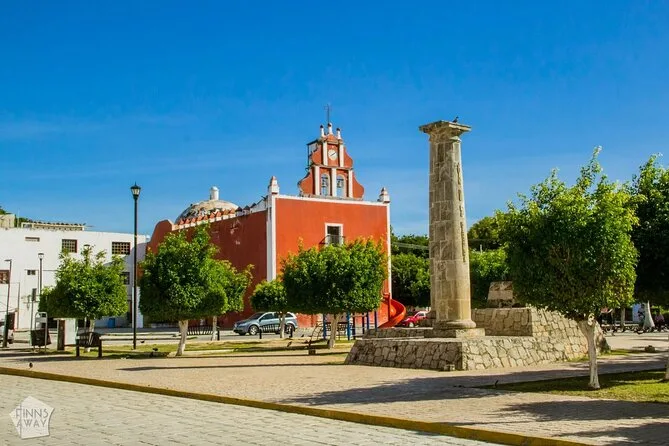
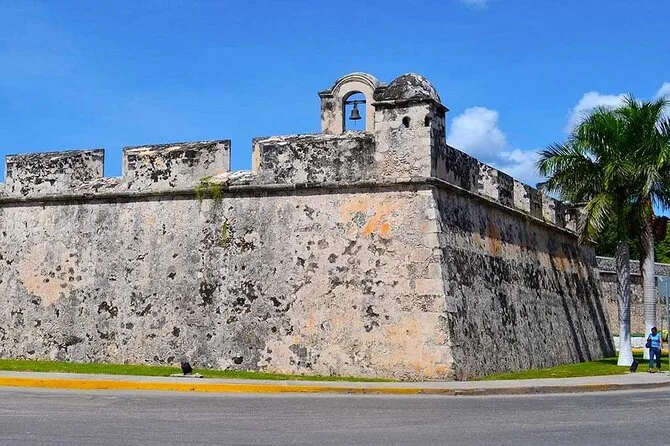
We passed through Puerta de Tierra next—the landward gate—which is just as impressive as its seaside twin but somehow quieter at dusk. There were kids playing soccer nearby and an old man selling paletas (ice pops) from a cart painted bright blue.
Fort San José isn’t as big as San Miguel but it’s got its own charm—a bit more rugged around the edges. It sits on a hill with breezes strong enough to ruffle your shirt, especially once night falls.
You’ll do plenty of walking between stops but part of the route is covered by a panoramic vehicle—good news if your feet start complaining halfway through.
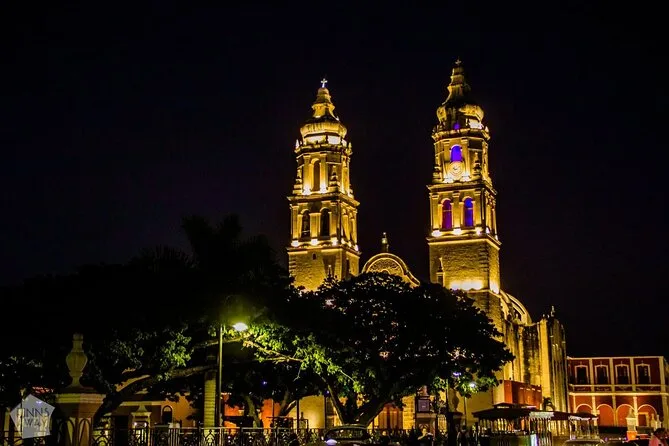
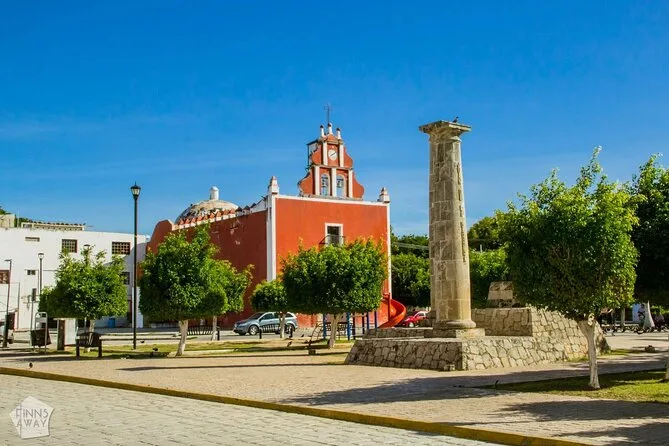
Dinner at Plazuela de San Francisco was honestly my favorite part. Tables spill out onto cobblestones under string lights, locals chatting over plates of pan de cazón or tamales colados. The air smells like epazote and roasted chiles; there’s always someone strumming guitar nearby or kids chasing each other around the benches. Every dish comes with a story—our server explained how her grandmother taught her to make sopa de lima just so—and you can taste that history in every bite.
5h 15m

Step-by-step itinerary
Day 1 — Campeche Historic and Cultural Tour
- Visit Puerta de Mar gate
- Explore historic center streets
- Tour El Palacio Museum
- Visit Fort San Miguel and Mayan Museum
- Explore Casa No. 6 Museum
- See Puerta de Tierra gate
- Visit Fort San José
- Walk or ride panoramic vehicle through city
- Enjoy dinner at Plazuela de San Francisco
- Travel time for pick-up and drop-off

Top questions

Is this tour suitable for people using wheelchairs?
Yes! All areas are wheelchair accessible—including transportation options—so everyone can join comfortably.
How much walking is involved? Will there be breaks?
You’ll walk between several sites (some uneven streets), but part of the trip uses a panoramic vehicle and there are regular stops for rest and snacks.
What kind of food is served at dinner?
Dinner features traditional Campechano dishes made with local ingredients—think pan de cazón, tamales colados, fresh salsas—and there are options for different diets if needed.
Are drinks included during the tour?
Yes! Drinks are provided along with snacks like fresh fruit and dry treats throughout the experience.
Can I bring my infant or use a stroller?
No problem—infants can sit on your lap or ride in a pram/stroller during both walking parts and vehicle transfers.

What’s included
Your entrance fees to all sites are covered, plus snacks (fresh fruit & dry treats), drinks throughout, comfy air-conditioned transport between stops, and a full dinner at Plazuela de San Francisco featuring regional specialties prepared with local ingredients passed down through generations.
 Super deal
  Free booking, free cancellation.
  Don't lose your place.


 Do you need help planning your next activity?
  +507 6792-0894


